

Roses reward gardeners who give them a proper footing, and that footing starts with the soil. Heavy clay or sand will sabotage even the most attentive pruning routine, so picking the right planting medium or amendment makes the difference between a struggling shrub and one that throws out armfuls of blooms each June.
You don’t need a soil science degree to get this right, just a feel for drainage, organic content, and what your particular bed is missing. This guide walks through eight solid options worth considering, whether you’re amending an established bed or starting fresh.
The Leading Options At A Glance

Rosy Soil Organic Plant Food, 4 Quarts

Farmer’s Secret Rose Booster Fertilizer, 8 oz

Osmocote Smart Release Plant Food, 1 lb
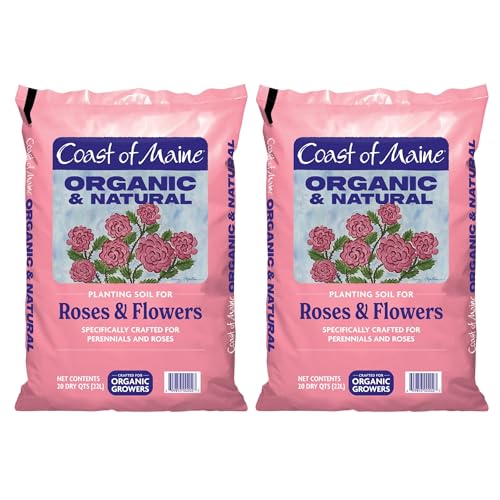
Coast of Maine Roses and Flowers, 20 qt (2 Pack)

Biotolot Chunky Perlite, 3 Quarts
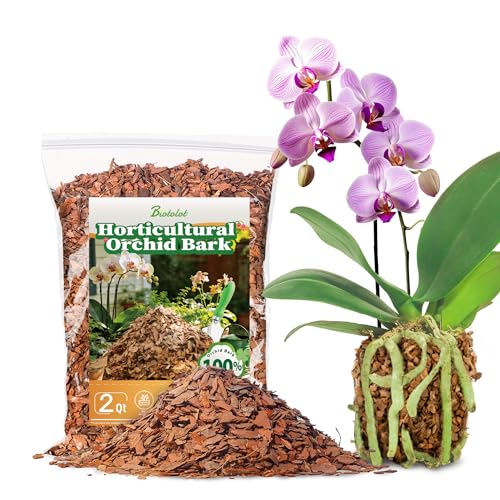
Biotolot Orchid Bark, 2 qt

Coast of Maine Cobscook Blend In-Ground Soil, 1 cu ft

Biotolot Bonsai Soil Mix, 2 qt
The Details Behind The Selections
Rosy Soil Plant Food earns the top spot for gardeners who want one bag that handles roses, perennials, and the odd houseplant without juggling multiple products. The blend leans entirely on natural inputs, including biochar (a charcoal-like soil booster that holds nutrients and improves structure), kelp, worm castings, compost, bokashi (a fermented organic matter that breaks down faster than traditional compost), and mycorrhizae (beneficial fungi that help roots absorb water and nutrients). That mix gives you a balanced amendment rather than a one-note nitrogen push.
For a backyard rose bed that also hosts salvias and a few dahlias, this kind of versatility saves shelf space and guesswork. The bag covers roses planted directly in amended ground as well as container specimens on a patio.
Why It Works Well
- All-natural ingredient list with no synthetic fillers or peat
- Mycorrhizae and biochar support long-term soil biology, not just a quick green-up
- Safe for indoor houseplants, outdoor beds, and containers alike
- Works as both a soil amendment at planting and a mid-season top dress
Things To Consider
- Lower nutrient concentration than synthetic feeds, so heavy feeders may want a supplemental boost
- Organic smell during initial application, which fades within a day or two
- Four-quart bag is modest for very large rose gardens
Who Will Love This
Garden owners who prefer organic inputs and want one product that handles roses, perennials, herbs, and houseplants without switching formulas.
A Better Fit Elsewhere
Gardeners managing extensive rose collections who want a rose-specific, super-concentrated liquid feed should look at Farmer’s Secret Rose Booster Fertilizer instead.
Farmer’s Secret Rose Booster takes a different angle than the all-purpose blends above. It’s a liquid concentrate built specifically for roses, formulated to support the full life cycle from early spring growth through late-season bloom production. Two teaspoons mixed into a gallon of water is the typical application rate, and a single 8 oz bottle stretches surprisingly far across a season.
This formula fits gardeners who already have decent soil structure but want to push bloom count and stem strength. For folks with established in-ground roses that just need a performance nudge, a liquid feed often outperforms granular options because nutrients reach the root zone faster.
Everyday Advantages
- Highly concentrated formula keeps the bottle small but the coverage long
- Targets roses specifically rather than working as a general feed
- Liquid form delivers nutrients quickly during active growth windows
- Easy to mix and apply with a watering can, no spreader needed
Worth Noting
- Requires weekly application during growing season, which adds to routine
- Not a soil amendment, so it won’t fix drainage or structure problems on its own
- Mixing ratio must be measured, and overshoot risks leaf burn on tender new growth
Right Fit For
Dedicated rose growers with established beds who want a targeted liquid boost during the growing season.
Look Elsewhere When
New beds that need organic matter and structural improvement are better served by Coast of Maine Roses and Flowers or the Coast of Maine Cobscook Blend In-Ground Soil.
Osmocote Smart Release is the granular option for gardeners who’d rather feed once and forget about it for half the year. Each coated granule releases nutrients gradually in response to soil temperature, so roses get a steady trickle of feeding matched to active growth rather than a single heavy dose.
For a weekend gardener who wants their roses covered without tracking a weekly schedule, this kind of timed-release approach simplifies the season. The formula carries eleven essential nutrients, which gives it broader utility than a rose-only blend.
Key Advantages
- One application feeds roses for up to six months
- Temperature-triggered release matches nutrient flow to actual growth cycles
- Works across many plant types beyond just roses
- Granular format spreads easily around established root zones
Trade Offs
- Synthetic formulation, which doesn’t suit gardeners committed to organic methods
- Slow-release pattern means a quick rescue for struggling plants isn’t possible
- Granules need to be worked into the topsoil or watering in to activate properly
Made For
Busy gardeners who want reliable nutrition with minimal weekend upkeep and don’t mind synthetic feeding.
Another Choice May Suit
Organic-leaning gardeners would find Rosy Soil Organic Plant Food a better fit, since it skips synthetics entirely.
Coast of Maine Roses and Flowers is built around the specific needs of rose root systems, with an organic compost base formulated to balance moisture retention against drainage. That balance matters because roses like steady moisture but absolutely refuse to sit in waterlogged ground, and many bagged soils lean too far in one direction.
The product earns its place for gardeners prepping a new bed or refreshing an established one. Unlike the concentrated feeds earlier in this list, this is a true soil, ready to dig into a planting hole or work into the top several inches of an existing bed.
Real-World Strengths
- OMRI-listed organic certification for gardeners who track that standard
- Designed specifically for rose varieties and flowering perennials
- Doubles as both a planting mix and a top-dress mulch
- Works in containers and in-ground beds without modification
Points To Keep In Mind
- Two-pack total of 20 quarts may run short for very large rose borders
- Higher organic content can attract curious diggers in pet-heavy yards
- Doesn’t replace the need for supplemental feeding during peak bloom season
Best Suited To
Gardeners establishing a new rose bed or refreshing an existing one with an organic, rose-specific planting medium.
Skip It When
For amending large lawn-scale or shrub-border projects, the Coast of Maine Cobscook Blend In-Ground Soil offers more volume per bag.
Perlite is the lightweight, porous volcanic glass that gardeners mix into dense soils to open up pore space, and this 1/4-inch chunky grade is sized for serious drainage work. Roses planted in heavy clay benefit enormously from perlite worked into the backfill, because the particles create permanent channels for water and air to move through.
Unlike the soil blends above, perlite isn’t a fertilizer. It’s a structural amendment you mix into existing ground rather than use as a standalone planting medium. Gardeners with compacted or clay-heavy beds will find this more useful than another bag of standard compost.
Useful Strengths
- pH-neutral, so it won’t shift soil chemistry in either direction
- Resistant to crushing, keeping pore space open longer than finer amendments
- Reduces waterlogging risk in dense or compacted in-ground beds
- Lightweight and easy to blend into existing soil during planting
Small Caveats
- Provides no nutritional value on its own, so pairing with compost or fertilizer is necessary
- Dust during pouring is common, so a mask or outdoor mixing helps
- Three-quart bag covers only a few planting holes at proper ratios
Perfect Match For
Garden owners battling heavy clay or compacted soil who need a structural amendment to improve drainage around rose roots.
Reach For A Different Pick When
For organic texture and chunky air pockets rather than mineral-based drainage, Biotolot Orchid Bark serves a similar role with an organic profile.
Biotolot Orchid Bark is roughly half-inch screened pine bark, sold as a horticultural-grade mulch and amendment. While it’s marketed heavily toward orchid growers, the same qualities that make orchids thrive (chunky texture, airflow pockets, slow organic breakdown) translate well to rose beds with drainage issues.
Mixed into a heavy planting hole, the bark fragments create lasting structure that perlite alone can’t match in organic terms. As the bark slowly decomposes, it contributes a modest stream of organic matter to the surrounding soil.
Where It Excels
- Chunky pieces maintain air pockets in soil longer than finer amendments
- 100% natural pine bark with screened sizing for consistency
- Adds organic matter gradually as pieces break down over seasons
- Doubles as a surface mulch around established rose crowns
Potential Drawbacks
- Initially ties up a small amount of nitrogen as it begins decomposing
- Two-quart volume is small for amending more than a couple of rose holes
- Pine bark shifts soil pH slightly over time, which matters for acid-loving plants nearby
Who Should Grab It
Rose growers wanting a long-lasting organic texture amendment rather than a mineral one, especially around established shrubs.
Swap It Out When
Gardeners needing faster drainage correction in heavy clay often prefer Biotolot Chunky Perlite for its immediate structural impact.
Coast of Maine’s Cobscook Blend is the bulk amendment option, designed to be mixed into existing beds rather than used as a standalone potting medium. The formula combines sphagnum peat moss, compost, and aged bark, giving a balanced texture that improves sandy, clay, and compacted soils alike.
This product fits gardeners tackling bigger projects: a new rose border, a lawn renovation, or refreshing tired flower beds at scale. While the rose-specific blend earlier handles small refined plantings, this one covers ground, literally and figuratively.
Where It Delivers
- One cubic foot bag covers meaningful ground area for larger projects
- Triple-ingredient blend addresses texture, organic content, and structure
- Works into sandy, compacted, or clay soils for improvement across the board
- Doubles as a top-dressing for established beds to suppress weeds
Honest Caveats
- Heavier and bulkier to handle than bagged potting mixes
- Single bag may not finish a large border without ordering multiples
- Peat content raises sustainability questions for environmentally conscious shoppers
Built With In Mind
Landscapers and serious home gardeners prepping or renovating sizable planting areas who need volume and balanced ingredients.
Consider Something Else When
For a smaller rose-only refresh without the broader garden overhaul, Coast of Maine Roses and Flowers delivers a more targeted formula.
The Biotolot Bonsai Soil Mix bundles pine bark, black and red volcanic rock, green zeolite (a mineral that holds and slowly releases nutrients and water), and perlite into one ready-to-use blend. It’s formulated for bonsai but the same drainage-forward profile works for miniature roses, patio roses, or in-ground plantings where exceptional aeration is the priority.
For gardeners who treat their rose beds like a precision project rather than a low-maintenance border, this kind of multi-component mix delivers more controlled structure than standard bagged soils.
Noteworthy Benefits
- Five distinct components create layered drainage and nutrient retention
- Volcanic rock contributes pH buffering alongside the bark’s organic matter
- Zeolite holds water and nutrients for slow release between waterings
- Ready to use straight from the bag, no mixing required
A Few Limitations
- Premium ingredient list comes at a higher cost per quart than simpler blends
- Coarse texture may not suit smaller, shallower-rooted rose varieties
- Two-quart size suits containers or spot amendments more than full beds
Whose Shelf It Belongs On
Garden owners growing miniature or patio roses in containers, or anyone wanting premium drainage and structure for small, focused plantings.
Where A Sibling Pick Shines
For full in-ground rose beds at scale, the Coast of Maine Cobscook Blend In-Ground Soil provides more volume and broader coverage per purchase.
What Matters Most Before Choosing Soils For Roses In Ground
Match The Amendment To Your Existing Soil
Before picking a product, dig a hole and look at what you’ve got. Clay-heavy ground benefits most from perlite or chunky bark to open pore space, while sandy soil that drains too fast needs organic matter like compost to hold moisture. A rose-specific blend or all-purpose organic mix works as a baseline, but the underlying soil still drives the final decision.
Decide Between A Feed And A Soil
Some products on this list are fertilizers (Farmer’s Secret Rose Booster, Osmocote Smart Release) while others are actual soils or structural amendments (Coast of Maine blends, perlite, bark). Roses need both over their lifetime, but at any given planting moment, you typically need one more urgently than the other.
Consider Maintenance Tolerance
A liquid concentrate requires weekly attention during the growing season. A slow-release granular feeds for months without intervention. A bulk soil amendment is a one-time project that pays off for years. Honest self-assessment about how often you actually want to fuss with feeding decides the right format better than any spec sheet.
Think About Bed Scale And Small Project
A single climbing rose needs far less material than a 30-foot border of shrub roses. Smaller projects can lean into premium blends, while large installations call for bulk options like the Cobscook Blend, where volume-per-dollar matters more than ingredient precision.
Key Considerations Across These Picks
Pitfalls Shoppers Hit
A common mistake is treating fertilizer as a substitute for soil improvement. A struggling rose in compacted clay won’t recover from any fertilizer alone; it needs structural work first. Another trap is assuming all “rose” products contain similar ingredients, when in reality some are feeds, some are soils, and some are amendments that serve completely different purposes.
Where The Extra Money Goes
Premium blends like the Biotolot Bonsai Soil Mix command higher prices because they combine multiple specialty components, such as zeolite, volcanic rock, and graded bark, in proportions engineered for specific drainage outcomes. For gardeners with normal loamy soil, those refinements are overkill. For container roses or precision projects, that ingredient engineering delivers results a basic blend can’t match.
