

Container-grown roses live or die by their potting mix. Garden soil compacts inside a pot, suffocating roots within weeks, while the wrong blend holds too much water and invites root rot. The right mix holds moisture without staying soggy, feeds hungry bloomers, and stays light enough for roots to breathe through a long growing season. The picks below cover everything from purpose-built rose blends to compressed granules, soil conditioners, and high-drainage options for tight quarters or unusual containers.
A Side-By-Side Look

Organic Plant Magic Fast-Acting Plant Food + Compressed Potting Soil

Rosy Soil Plant Food Organic Fertilizer for Indoor Plants 4 Quarts
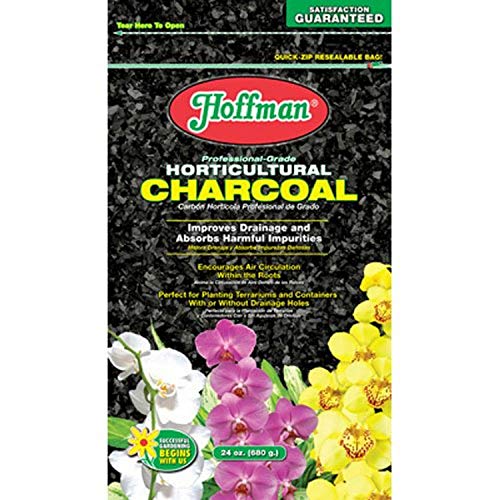
Hoffman 17502 Charcoal Soil Conditioner 24-Ounce

Compressed Organic Potting Soil Expands 4x with Water
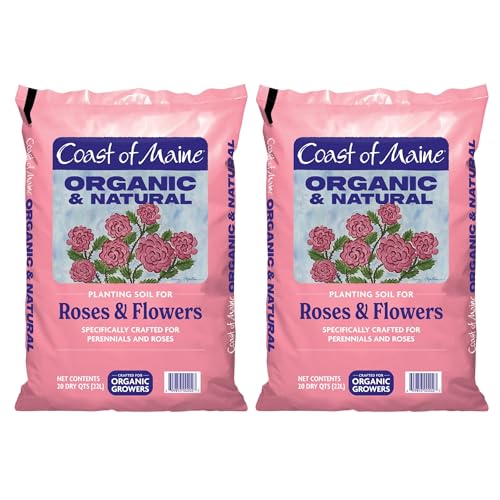
Coast of Maine Roses and Flowers Organic Planting Soil 20qt Pack of 2

Miracle-Gro Indoor Potting Mix for All Plants 6 qt 2-Pack

Compressed Organic Potting Soil Expands 4X Kid and Pet Safe

Organic Plant Magic Compressed Potting Soil + Slow Release Granular Fertilizer

rePotme Bromeliad and Jewel Classic Potting Soil Mix Mini Bag

NOHOBE 2.5lb Hard Akadama Bonsai Soil Small Grain
What Each Pick Brings To The Table
Pairing soil and soluble feed in one bundle takes the guesswork out of starting a new pot. The compressed potting soil expands up to four times once water hits it, filling a few 12-inch rose containers from a single compact brick.
For gardeners who don’t want to mix their own fertilizer regimen, the included plant food covers a generous footprint and dissolves easily into a watering can. It suits beginners who want a single purchase that handles both planting day and the early feeding cycle.
Reasons It Performs
- Compressed format saves shelf space in a small garage or closet
- Soil expands to roughly 3 gallons, enough for two or three medium pots
- Soluble feed treats a wide area and dilutes into over 60 gallons of solution
- Organic composition suits growers avoiding synthetic fertilizers
Things To Consider
- You’ll still need to buy supplemental rose food once the included granules run out
- Expanding soil needs a large mixing tub, which adds cleanup time
Key Specs
Who It Suits Best
New container gardeners who want soil and starter fertilizer in one order without juggling multiple subscriptions.
Where Another Pick Suits Better
Long-term rose growers with established feeding routines should look at Coast of Maine Roses and Flowers Organic Planting Soil 20qt Pack of 2 instead.
Rosy Soil skips peat and synthetics entirely, building the mix from biochar (a charcoal-like soil amendment that holds nutrients and improves structure), kelp, worm castings, compost, bokashi (a fermented organic matter), and mycorrhizae (beneficial fungi that help roots absorb nutrients). For rose pots on a balcony or near a kitchen window, that composition keeps the medium alive rather than sterile.
A 4-quart bag suits one or two smaller rose containers and doubles as a top-dress for established pots. The ingredient list reads like a meal for soil microbes, which is exactly what a long-blooming rose wants in a confined root zone.
Where It Excels
- Purely organic, with no peat or synthetic additives
- Biochar and mycorrhizae support long-term root health
- Works for both indoor and outdoor container plants
- Compost and worm castings deliver slow, steady nutrition
Worth Noting
- Smaller 4-quart volume means reordering often for larger collections
- Pricier per quart than basic peat-heavy blends
Right Fit For
Apartment growers keeping one or two compact roses indoors who want an organic-only medium without the hassle of building their own mix.
Look Elsewhere When
You maintain many outdoor containers and need a bulk value option; Miracle-Gro Indoor Potting Mix for All Plants 6 qt 2-Pack offers more volume at a lower per-quart cost.
Hoffman’s horticultural charcoal isn’t a standalone potting soil, and that’s its strength. You blend it into whatever base mix you already use, loosening drainage around roots and absorbing impurities that build up in potted soil over time. A 24-ounce jar covers several medium containers when mixed at recommended ratios.
For roses in decorative pots without perfect drainage holes, charcoal acts as a safety net. It pulls excess moisture away from roots and helps air circulate, two things potted roses struggle with when soil stays compacted through a wet week.
Useful Touches
- Porous structure improves drainage and cuts waterlogging risk
- Natural filtration reduces odor in closed-bottom decorative pots
- Encourages airflow around roots in dense mixes
- Slow-release nutrients feed soil microbes over months
Points To Note
- It is an amendment, not a complete soil, so you’ll still need a base mix
- Charcoal dust can stain hands and clothing during mixing
Best Suited To
Anyone repotting roses into ornamental containers who wants to fine-tune drainage without buying a specialty rose mix.
Consider Something Else When
You want a ready-to-pour single product; Coast of Maine Roses and Flowers Organic Planting Soil 20qt Pack of 2 is a complete rose-ready blend out of the bag.
Compressed granules built from coconut coir and worm castings expand fourfold once hydrated, turning a few pounds of dry material into roughly three gallons of loose, fluffy soil. For gardeners hauling soil up apartment stairs or storing it in a closet, the format is hard to beat.
Unlike the previous pick, this one is a standalone growing medium, so you can pour it straight into a clean pot. Worm castings feed the medium naturally, which keeps early growth steady without forcing a feeding schedule.
Strengths Worth Knowing
- Tiny dry footprint saves serious storage space
- Coir base resists compaction better than peat in long containers
- Worm castings deliver gentle organic nutrition from day one
- Resealable bag allows partial use without the rest going stale
A Few Limitations
- Hydration takes a large bucket and several minutes of stirring
- Lightweight coir dries faster than denser blends in summer heat
Made For
Urban gardeners without a car or a storage shed who buy soil a bag at a time and carry it indoors.
Skip It When
You maintain a dedicated potting bench outdoors; Organic Plant Magic Compressed Potting Soil + Slow Release Granular Fertilizer offers similar expansion with built-in slow-release feeding for larger projects.
Coast of Maine built this blend specifically with roses in mind, balancing moisture retention against the sharp drainage that potted roses demand. It works as both a planting medium for new containers and a soil refresh for tired pots that need organic matter worked back in.
The two-bag pack totals 40 quarts, which covers a small collection of patio roses without constant reordering. OMRI listing (Organic Materials Review Institute certification for organic growing) matters for growers committed to organic gardening and avoiding synthetic additives in their edible or ornamental beds.
Real-World Strengths
- Formulated specifically for rose varieties and flowering perennials
- Doubles as a soil revitalizer or a top-dressing mulch
- OMRI-listed for certified organic gardening
- Works equally well in containers and in-ground beds
Trade Offs
- Two-bag bulk format requires a car for pickup or a delivery slot
- Heavier than compressed options once opened
Key Specs
Perfect Match For
Dedicated rose growers with a patio collection or small garden bed who want a purpose-built organic medium and don’t mind hauling bags.
A Better Fit Elsewhere
Apartment dwellers without bulk storage should consider Organic Plant Magic Compressed Potting Soil + Slow Release Granular Fertilizer for the space savings.
Miracle-Gro’s indoor blend leans on sphagnum peat moss, coir, and perlite (a volcanic mineral that aerates soil and improves drainage), a trio that’s forgiving for beginners learning to gauge watering. Roses in indoor or sheltered patio containers tend to respond well to the lighter, peat-based structure, especially when paired with a regular liquid feeding schedule.
The 2-pack format brings 12 quarts of ready-to-use mix to your door without the heavy bulk of premium compost blends. If you’ve had luck with Miracle-Gro on other houseplants, the same forgiving texture works for miniature or patio roses.
What Works In Its Favor
- Widely available in stores and online for quick restocking
- Lightweight perlite improves aeration in small indoor containers
- Coir helps the mix retain moisture between waterings
- Forgiving texture suits newer gardeners still learning watering rhythms
Minor Gripes
- Not organic, which matters for some rose growers
- Peat-heavy blends compact faster than compost-based alternatives
Whose Shelf It Belongs On
Casual indoor gardeners who already trust Miracle-Gro on houseplants and want a familiar, easy-to-find medium for a small patio rose.
Swap It Out When
You garden strictly organic or want a rose-specific formulation; Coast of Maine Roses and Flowers Organic Planting Soil 20qt Pack of 2 is purpose-built and OMRI-listed.
Two 2-pound bags deliver the same expansion ratio as Item 4, but this version is marketed specifically for households with curious dogs or toddlers. The composition stays 100 percent organic and skips anything that might irritate skin or stomachs during routine pot handling.
For balcony roses near where pets nap or kids play, the labeling matters as much as the formulation. You still get worm castings for natural feeding and the same compact storage advantage of compressed granules.
Where It Helps
- Labeled safe around kids and pets
- Two-bag format covers multiple small to medium pots
- Compresses down for easy storage in tight closets
- Worm castings feed organically without synthetic boosters
Soft Spots
- Same drying tendency as Item 4, requiring more frequent summer watering
- Hydration step still requires a large mixing vessel
Who Should Grab It
Families with pets or young children who want peace of mind about what’s in the potting soil around the patio.
Reach For A Different Pick When
You keep roses strictly indoors away from pets; Rosy Soil Plant Food Organic Fertilizer for Indoor Plants 4 Quarts is a smaller, simpler option for a single indoor pot.
The granular fertilizer is what separates this bundle from Item 1. Slow-release pellets feed roses steadily over weeks rather than demanding a strict liquid feeding schedule, which suits forgetful waterers or anyone who travels regularly.
Coverage runs up to 1,000 square feet per container of granules, more than enough for a patio full of potted roses. The compressed soil still expands fourfold and stores compactly until you need it, keeping the garage clutter-free.
Notable Upsides
- Slow-release feeding reduces how often you need to fertilize
- Granules cover roughly 1,000 sq ft from a small jar
- Compressed soil saves space the same way Item 4 does
- Organic composition fits organic gardening routines
Honest Caveats
- Slow-release feeding still needs topping up midseason for hungry roses
- Granules require mixing into the soil rather than a quick water-on application
Who Will Love This
Busy gardeners who want a season-long feeding baseline without setting calendar reminders every two weeks.
Where A Sibling Pick Shines
Gardeners who prefer liquid feeding control should consider Organic Plant Magic Fast-Acting Plant Food + Compressed Potting Soil for more immediate nutrient delivery.
rePotme mixes small batches fresh rather than sitting on pallets, which matters for the free-draining texture the brand builds around. A 2-quart mini bag is plenty for a single 8- or 10-inch rose pot or for refreshing the top layer of a tired container.
The blend is positioned for tropicals and houseplants, but the same free-draining structure suits miniature roses in tight indoor containers where soggy soil is a real risk. Treat it as a premium supplement rather than a bulk option.
Positive Takeaways
- Free-draining blend prevents root rot in tight pots
- Freshly mixed in small batches for consistent texture
- Mini bag size fits a single small container without waste
- Works across a range of foliage houseplants beyond roses
Practical Considerations
- Premium pricing per quart compared to mainstream brands
- Small bag volume requires reordering for any collection beyond one pot
The Right Fit
Collectors of small or miniature roses in tight indoor pots who want a specialty mix and don’t mind paying for a fresh-blended product.
Not Your Match When
You’re repotting multiple large containers at once; Miracle-Gro Indoor Potting Mix for All Plants 6 qt 2-Pack offers more volume at a far lower per-quart cost.
Hard akadama (a Japanese clay-like mineral used in bonsai cultivation) is a niche soil amendment, but its drainage behavior makes it genuinely useful for miniature or bonsai-style roses in shallow pots. The small grain size (1/8 to 1/4 inch) keeps water moving through the root zone without leaving pockets of bone-dry material.
The clever bit is the visual cue: akadama darkens when wet and lightens as it dries, so you can read moisture levels at a glance. That feedback loop takes the guesswork out of watering for growers still calibrating their schedule.
Features That Help
- Sharp drainage prevents waterlogging in shallow containers
- Color change offers a built-in moisture indicator
- Small grain size suits miniature roses and bonsai-style pots
- Holds structure over time rather than breaking down into mush
What To Weigh
- It is an amendment, not a complete medium, so it needs blending with compost or other organic matter
- Niche product with higher per-pound cost than standard mixes
Feature Snapshot
Built With In Mind
Growers of miniature or bonsai-trained roses in shallow containers who value sharp drainage and visual feedback over bulk volume.
Another Choice May Suit
Standard patio roses in deeper pots; Coast of Maine Roses and Flowers Organic Planting Soil 20qt Pack of 2 is a more conventional rose-ready blend for larger containers.
Factors To Consider When Choosing Soils For Roses In Pots
Drainage Comes First
Roses tolerate a slight drought far better than wet feet. A good potting mix for containers should drain within a few seconds of watering, leaving the soil moist but not soggy. Perlite, coarse sand, pine bark, and horticultural charcoal all help open up the structure. Without that porosity, even a nutrient-rich blend will suffocate roots over a single season.
Organic Matter Feeds the Long Game
Roses in pots can’t send roots searching for nutrition the way in-ground plants do. Compost, worm castings, aged bark, and biochar feed the soil ecosystem steadily rather than dumping a quick burst of nutrients. The result is steadier growth and more reliable bloom cycles across a single growing season.
Match the Mix to the Container
Small or shallow pots dry out faster and demand sharper drainage, which is where akadama and bonsai-style blends earn their keep. Larger patio pots hold moisture longer and pair well with compost-rich rose blends. A miniature rose on a windowsill needs a different texture than a container-grown climber on a balcony, so size the mix to the pot before sizing it to the plant.
Watering Rhythm Drives the Decision
Frequent waterers benefit from mixes with more coir or peat to retain moisture between sessions. Infrequent waterers should lean toward gritty, fast-draining blends with perlite or charcoal to avoid root rot. Honestly assessing how often you’ll actually water matters more than chasing the richest nutrient panel on the bag.
Key Considerations Across These Picks
Pitfalls Shoppers Hit
Treating garden soil as a substitute for potting mix is the most common misstep. Garden soil compacts fast inside containers, choking roots and harboring pathogens that don’t bother a sprawling garden bed. Another slip is skipping drainage considerations because a pot has holes; even well-drained pots drown roots if the mix itself holds too much water. Always start with a mix labeled for containers, and amend from there.
Where The Extra Money Goes
Premium rose blends like Coast of Maine or fresh-blended rePotme cost more because they source richer organic inputs and often blend in smaller batches. The extra spend shows up in better texture, longer soil life before compaction, and steadier nutrition across the season. For a single patio pot, a basic blend is fine. For a serious rose collection or organic-only garden, the upgrade pays for itself in fewer repots and more reliable blooms.
Frequently Asked Questions
How often should you replace potting soil for roses in pots?
Refresh the top few inches each spring and consider a full repot every two to three years, since nutrients deplete and structure breaks down in containers faster than in beds.
Can you use regular garden soil for potted roses?
Garden soil compacts quickly in containers and often carries pests or pathogens, so it’s a poor choice for roses; stick with a blend labeled for container use instead.
Do roses in pots need fertilizer built into the soil?
Roses are heavy feeders, so a nutrient-rich base helps, but most potted roses still benefit from supplemental liquid or slow-release feeding through the growing season.
What’s the difference between potting soil and potting mix?
The terms are used interchangeably by most brands, though technically “mix” implies a soilless blend of peat, coir, perlite, and similar ingredients, while “soil” may include actual composted topsoil.
How big should the pot be for a container-grown rose?
Most roses need at least a 15-inch diameter pot to support healthy root development, though miniature varieties can manage in 10- to 12-inch containers with careful watering.
Closing Remarks
Container-grown roses reward the right potting mix with longer bloom cycles and fewer root problems. For a patio collection, a purpose-built organic blend like Coast of Maine handles the heavy lifting. For balconies and small spaces, compressed options like Organic Plant Magic save storage without sacrificing performance. Match the texture to your watering habits, refresh the soil each spring, and your potted roses should keep blooming season after season.
