

Roses thrive when their roots sit in the right medium: slightly acidic, well-draining, and rich enough to fuel repeat blooming. Most garden-center potting soils miss one of those marks, which is why picking a tailored blend matters. This shortlist covers eight options suited to containers, beds, and specialty rose varieties, so your garden gets a stronger start this season.
How The Shortlist Stacks Up

Rosy Soil Organic Plant Food, 4 Quarts

Botanicare Pure Blend Pro Bloom 1-4-5, 5 gal

FoxFarm Ocean Forest Potting Soil, 1.5 cu ft
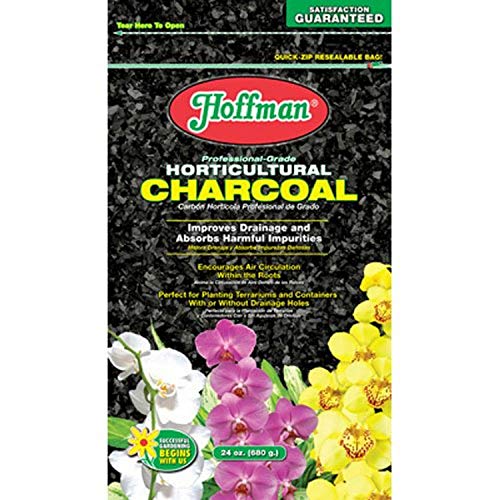
Hoffman Charcoal Soil Conditioner, 24 oz

Organic Plant Magic Compressed Potting Soil

Farmer’s Secret Rose Booster Fertilizer, 8 oz
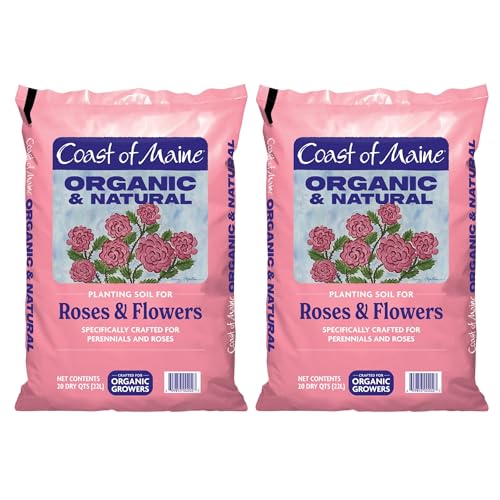
Coast of Maine Roses and Flowers Soil, 20 qt

NOHOBE Hard Akadama Bonsai Soil, 2.5 lb
Meet The Standout Selections
This four-quart organic blend functions as a soil amendment rather than a stand-alone potting mix, designed to feed roses and other ornamentals with natural ingredients. The recipe combines biochar, kelp, worm castings, compost, bokashi, and mycorrhizae, which work together to support microbial life and steady nutrient release around the root zone.
For indoor or patio roses in smaller containers, it integrates well into an existing mix, helping boost biological activity where the soil volume is limited. The four-quart bag suits a modest collection of potted plants rather than a full bed overhaul.
The Upside
- Built on natural, organic ingredients with no synthetic fillers
- Mycorrhizae support root development in container-bound roses
- Improves nutrient delivery without forcing aggressive growth
- Compact four-quart size fits apartments and small patios
Things To Consider
- Not a full potting medium on its own, so it works best mixed into existing soil
- Larger rose beds may need multiple bags, which adds up quickly
Feature Snapshot
Who It Suits Best
Container gardeners tending patio roses or compact indoor plants who want organic, biology-driven feeding.
Look Elsewhere When
Coast of Maine Roses and Flowers Soil is a better fit for gardeners refreshing a full in-ground bed of roses.
This liquid nutrient carries a 1-4-5 ratio, which leans into phosphorus and potassium rather than nitrogen. The lower nitrogen keeps rose foliage from pushing out soft, leggy growth at the expense of flower formation.
Designed for the bloom phase, it complements a separate grow formula and suits roses in containers, raised beds, or hydroponic-style setups. The five-gallon size covers a substantial collection of flowering plants through an active growing season.
Everyday Advantages
- Phosphorus-forward ratio targets flower development in mature plants
- One-part formula simplifies mixing during feeding sessions
- Versatile across container roses, shrubs, and edible flowers
- Large five-gallon volume reduces how often you reorder
Points To Note
- Liquid feeding requires consistent scheduling through the bloom window
- Not a soil replacement; you still need a base medium that drains well
Best Match For
Active rose growers with multiple containers who follow a structured feeding calendar.
A Better Fit Elsewhere
Roser Soil Plant Food is more practical for someone wanting a single organic amendment without liquid feedings.
This light, aerated potting soil arrives ready to use straight from the bag, which removes a step for gardeners who want to plant immediately. The 1.5 cubic foot volume suits several mid-sized containers or a small cluster of patio roses.
The texture stays loose without becoming soggy, so roots can establish quickly. For container roses, that airflow around the root zone matters: compacted soil suffocates feeder roots and invites fungal trouble.
Standout Benefits
- Ready-to-use format skips the mixing step entirely
- Aerated texture supports healthy root development in pots
- Available in single and multi-pack formats for project scaling
- Works across a wide range of ornamentals, not just roses
Soft Spots
- Container-specific blend may not address unique rose nutrient preferences without supplementation
- Multi-pack options require storage space before opening
Right Fit For
Container rose growers repotting several plants at once who want a proven, ready-to-plant medium.
Swap It Out When
Farmer’s Secret Rose Booster Fertilizer suits someone adding nutrition to an existing potting mix rather than replacing it.
Charcoal-based soil conditioners address the drainage problems that plague rose roots in heavy or compacted ground. The porous structure wicks moisture away while letting oxygen circulate, two things roses need to stay healthy.
The 24-ounce size is small but focused, blending into a few containers or amending a corner of a rose planting. It also absorbs impurities, which keeps the root environment cleaner over time.
What Stands Out
- Porous texture pulls excess moisture away from rose roots
- Improves oxygen flow in containers that lack drainage holes
- Acts as a light filter for impurities in the root zone
Honest Caveats
- A supplement, not a base medium, so it needs to be combined with potting soil
- Small 24-ounce package suits targeted use rather than full bed treatment
Best Suited To
Roses grown in decorative containers without drainage holes or in compacted garden soil that holds too much water.
Reach For A Different Pick When
Organic Plant Magic Compressed Potting Soil works better as a full medium replacement for container repotting.
This compressed soil arrives as a light, dry granule and expands up to four times its volume once water is added. For apartment gardeners or anyone hauling soil up stairs, that weight difference matters before planting even begins.
The blend draws from coconut coir and worm castings, two organic inputs that hold moisture without waterlogging. The resealable bag helps keep unused material from drying out between uses.
Useful Touches
- Compact bag is easier to store and transport than pre-hydrated mixes
- Organic coconut coir base supports moisture retention in pots
- Resealable packaging preserves freshness for later use
- Expands to roughly three gallons of finished soil per block
Some Limits To Know
- Requires soaking before use, adding a planning step
- Worm castings add nutrition but roses still benefit from supplemental feeding during peak bloom
Made For
Urban gardeners with limited storage who want a lightweight, organic medium for patio roses.
Where Another Pick Suits Better
Coast of Maine Roses and Flowers Soil is a stronger choice for in-ground beds needing larger volumes of finished medium.
This concentrated liquid targets roses specifically, which sets it apart from general-purpose feeds. The 8-ounce bottle dilutes into a substantial volume of feeding solution, so a single bottle carries a gardener through much of the growing season.
The formula is built for the full life cycle, supporting spring growth through late-season bloom cycles. For anyone with a dedicated rose bed, having a rose-specific feed simplifies the feeding routine.
A Favorable Mix
- Rose-specific formulation addresses the nutrient profile repeat bloomers prefer
- Highly concentrated, so the 8-ounce bottle lasts through many feedings
- Liquid form distributes evenly through the root zone
- Suitable for all major rose categories, from hybrid teas to shrubs
Practical Considerations
- Weekly application schedule adds routine work during the growing season
- Not a soil substitute, so it layers on top of whatever medium you already use
Quick Facts
Who Should Grab It
Dedicated rose growers managing multiple bushes who want a feed formulated for repeat-blooming varieties.
Not Your Match When
Botanicare Pure Blend Pro Bloom works better for gardeners feeding a mix of flowering plants alongside roses.
This organic compost blend is built specifically for roses and other flowering ornamentals, with a focus on balancing moisture retention against drainage. The 20-quart pack (sold as a two-pack) gives gardeners enough volume to refresh a raised bed or establish a new planting area.
OMRI-listed for organic use, it fits gardeners who want their soil inputs certified for organic gardening practices. The blend works in-ground and in containers, which makes it flexible across a rose planting plan.
What Helps Most
- Formulated for roses and other flowering perennials
- OMRI-listed for organic gardening practices
- Balances moisture holding with proper drainage
- Functions as both an amendment and a mulch top-dress
A Few Limitations
- Two-pack format requires space before opening
- Organic nutrient release is gradual, so heavy feeders may need supplemental feeding during peak bloom
Feature Card
Whose Shelf It Belongs On
Rose gardeners refreshing in-ground beds or building new planting areas who prefer organic-certified inputs.
Skip It When
FoxFarm Ocean Forest Potting Soil is a stronger match for container-focused setups needing ready-to-use medium.
Hard akadama is a Japanese clay-based amendment prized in bonsai and specialty planting for its drainage behavior. The 1/8 to 1/4-inch grain size suits smaller pots and shallow containers, which fits miniature and bonsai-style roses.
The visual cue is a nice touch: the grains darken as they absorb moisture, which gives an at-a-glance reading of when to hold or water. For gardeners who tend to overwater, that signal prevents the most common cause of root rot.
Useful Highlights
- Hard-grain structure resists breaking down in pots over time
- Color change with moisture provides a built-in watering signal
- Fast drainage prevents the soggy conditions roses dislike
- Suits miniature roses and bonsai-style plantings
Where It May Fall Short
- Specialty amendment, not a stand-alone medium for full-size roses
- Smaller grain size is less suited to large containers or in-ground beds
At A Glance
Perfect Match For
Miniature rose growers and bonsai enthusiasts who need sharp drainage in shallow containers.
Consider Something Else When
Hoffman Charcoal Soil Conditioner is a more approachable drainage amendment for standard rose containers.
What Matters Most Before Choosing Soils For Roses
Roses prefer slightly acidic soil, generally in the 6.0 to 6.5 pH range, where nutrients stay available without locking up. Drainage matters as much as fertility: roots sitting in saturated soil develop rot and fungal issues within a single season. Look for blends that balance water retention with airflow, especially if you’re growing in containers.
Reading The Label
Check the ingredient list for organic matter like compost, worm castings, or aged bark, which feed soil life over time. Coarser components such as perlite, pumice, or sand signal better drainage. If a product leans entirely on fine peat or moisture crystals, container roses can suffocate.
Matching The Format To Your Setup
Liquid feeds support active growth during the bloom window but require regular application. Compost-based soils and amendments build long-term soil structure with less routine work. For hybrid routines, gardeners commonly combine a base medium with a targeted liquid feed.
Scaling Up For Beds vs. Pots
In-ground beds tolerate richer, denser blends because natural soil biology spreads the workload. Containers need lighter, aerated mixes since the root zone is enclosed. Miniature roses and bonsai-style plantings call for specialty amendments that drain faster than standard potting soil.
Key Considerations Across These Picks
Pitfalls Shoppers Hit
The most common mistake is picking a moisture-heavy “moisture control” mix for containers, which suffocates rose roots in enclosed pots. Another is assuming all organic blends cover every nutrient need: roses still benefit from targeted feeding during peak bloom. Always check whether the product is a stand-alone medium, an amendment, or a liquid feed, since each serves a different role in your setup.
Where The Extra Money Goes
Premium rose-specific blends tend to include organic certification, mature compost, and biological additives like mycorrhizae that cheaper mixes skip. Those inputs support long-term soil health rather than offering a quick nutrient burst, which matters for gardeners invested in perennial beds. The upgrade pays off when you’re establishing roses that you expect to thrive for many seasons.
