

A rubber plant hates wet feet more than almost any houseplant you can name, which is exactly why the bag you grab off the shelf matters. The right soil for Ficus elastica should drain fast, hold a little air around the roots, and resist compaction for months at a time. If your last rubber plant went soft at the base or dropped leaves after a repot, the medium underneath was almost certainly the culprit, not your watering can. The list below gathers ten solid options across pure mixes, amendments, and complementary feeds so you can build a setup that actually suits how you water.
How The Shortlist Stacks Up

GARDENERA Premium Snake Plant Potting Soil Mix (1 Quart)

Miracle-Gro Potting Mix 16 qt. (2-Pack)

Halatool 6-Pack Coco Husk Chips (6.6 lb)

Gardenera Snake Plant Spray Fertilizer Mist (8oz)
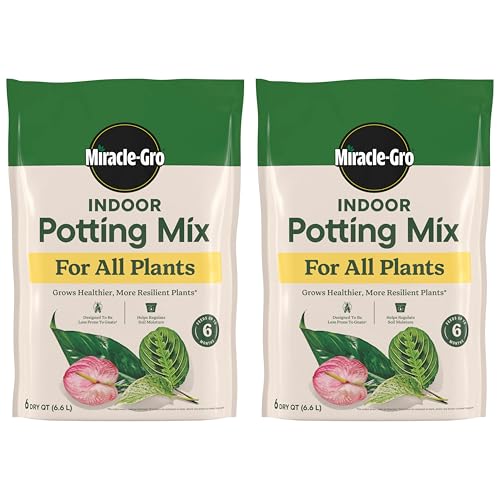
Miracle-Gro Indoor Potting Mix 6 qt. (2-Pack)

FoxFarm Ocean Forest Potting Soil 12 Quart

Halatool 10 lb Coco Husk Chips Block

Halatool 2-Pack Coco Husk Chips (2.2 lb)

Halatool 4-Pack Coco Husk Chips (4.4 lb)

Gardenera Premium Liquid Snake Plant Fertilizer (8oz)
Snake plants share the rubber plant’s deep distaste for soggy soil, which is why this Gardenera blend earns the top slot for a small *Ficus elastica* repot. The mix leans on peat moss, perlite, lime, and earthworm castings, a combination that keeps the medium open and breathable rather than letting it slump into a muddy brick after a few waterings.
One quart is honestly not a lot of volume, so think of this as a single-repot solution for a juvenile rubber plant in a six-inch pot, or as a test bag if you’ve never used a coarse aroid-style mix before. Compared to a heavy all-purpose blend, the perlite content here creates those little air pockets that rubber plant roots crave, especially in lower-light rooms where the medium stays damp longer.
What Earns Its Place
- The peat-and-perlite backbone drains quickly, cutting down on the root-rot risk that catches a lot of rubber plant owners off guard.
- Earthworm castings add a gentle organic charge without turning the bag into a fertilizer bomb.
- Lime helps nudge the pH into a range that suits tropical foliage plants, so you won’t fight constant yellowing leaves.
- The light texture means even a small nursery pot is easy to lift and reposition on a shelf.
Things To Consider
- One quart is tight for anything bigger than a modest pot, so you’ll likely need a second bag for a single mature rubber plant.
- Peat-based mixes dry fast on the surface, which can mislead first-time owners into overwatering the lower half of the pot.
Who It Suits Best
Beginner rubber plant parents and anyone repotting a single small specimen into a breathable, ready-to-use mix without extra amendments.
Where Another Pick Suits Better
Shoppers repotting a large, established rubber plant should reach for the FoxFarm Ocean Forest 12 Quart instead, since it gives more volume and richer organic matter for a mature root ball.
This 32-quart haul from Miracle-Gro is built for outdoor container gardening, which makes it a sensible bulk pick for anyone running a big patio pot or a row of rubber plants near a sunny door. The blend feeds container plants for up to six months, so the routine becomes less “fertilize on a calendar” and more “let the soil do the work.”
Used straight out of the bag, it suits rubber plants that live outdoors in warm weather, but indoor growers may want to cut it with perlite or one of the coco husk amendments on this list. The texture is finer than the Gardenera blend above, so it holds water a touch longer, which is helpful in dry summer air but worth watching in a cooler room.
Positive Points
- The two-pack format lands a generous volume per dollar, useful if you’re filling several large containers at once.
- The six-month feeding window means less measuring and mixing of supplemental fertilizer during the active growing season.
- It’s a familiar, easy-to-find formula, so reordering is straightforward when you run out mid-project.
Worth Noting
- As an outdoor container mix, it can stay too damp for a rubber plant sitting in a dim indoor corner, so amending with perlite is often the move.
- The fine texture compacts gradually, and owners commonly report needing to refresh the top layer or full repot within a year.
- The built-in fertilizer can feel like overkill if you’re already feeding on a separate schedule with a product like the Gardenera liquid.
Made For
Outdoor container gardeners and anyone restocking patio pots with a feed-and-forget potting soil at a generous volume.
Consider Something Else When
Indoor-only growers in cooler rooms should look at Miracle-Gro Indoor Potting Mix 6 qt. (2-Pack) instead, since it’s lighter and better suited to lower-light apartments.
Coco husk chips are a rubber plant’s best friend when the goal is fast drainage and chunky texture, and Halatool’s six-pack keeps that supply steady for several repotting sessions. Each brick weighs roughly 1.1 lb and expands to around seven quarts once hydrated, so the 6.6 lb of compressed material turns into a generous pile of coarse, fibrous chips.
The low EC and balanced pH make these chips forgiving for new mixers, since they don’t load the medium with excess salts the way some lower-grade coir products can. Mixed into a basic potting soil at roughly a one-to-one ratio, they push the texture firmly into aroid territory: airy, chunky, and resistant to compaction.
Real-World Strengths
- Compressed bricks store on a shelf for months without taking over a closet, which is a quiet win for apartment growers.
- The coarse chips keep air pockets open around rubber plant roots, so the medium dries more evenly between waterings.
- Low EC and balanced pH give you predictable conditions instead of guessing how salty the substrate is.
- Six bricks give enough material to amend multiple pots over a season rather than running out after one repot.
Trade Offs
- Hydration takes a few minutes and a bucket of water, which is a small chore compared to opening a bag of ready-to-use soil.
- Pure husk chips hold less moisture than peat, so rubber plants in bright, warm rooms may need watering attention more often.
Right Fit For
Tinkerers who like to build their own aroid mix from a base potting soil rather than buying a pre-blended bag off the shelf.
Not Your Match When
Beginners who want a one-bag, pour-and-pot solution will find the Gardenera Premium Snake Plant Mix easier to work with on day one.
A foliar mist isn’t soil, but it’s the companion product most rubber plant keepers forget to buy, which is why it earns a spot on the list. This Gardenera spray uses a gentle 3-1-2 nutrient ratio, where the three numbers refer to the percentage of nitrogen, phosphorus, and potassium by weight, applied directly to the leaves for a quick pick-me-up between soil feedings.
Rubber plants can absorb nutrients through their broad, waxy leaves, so a light weekly mist gives them a fast lane past the slow soil-root route. Think of it as a small bonus on top of a solid potting mix, not a substitute for proper watering and feeding through the substrate.
Key Advantages
- The gentle 3-1-2 ratio leans toward nitrogen, which supports the broad green leaves rubber plants are grown for.
- The spray format skips measuring and mixing, which is helpful for owners who forget fertilizer schedules.
- The 8oz bottle fits easily in a kitchen drawer next to the watering can, encouraging more consistent use.
Minor Gripes
- Foliar feeding only addresses what leaves can absorb, so it should still be paired with a proper soil-feeding routine.
- Misting on dusty leaves in direct sun can leave spotting, so applying in lower light is the usual advice.
Best Suited To
Owners who want a low-effort way to give their rubber plant’s leaves a regular boost without committing to a full fertilizer schedule.
Skip It When
Shoppers who prefer to feed exclusively through the soil will get more mileage from the Gardenera Premium Liquid Snake Plant Fertilizer, which delivers the same 3-1-2 ratio through watering.
The indoor version of Miracle-Gro’s potting mix is built around sphagnum peat moss, coir, and perlite, a trio that drains reliably and weighs noticeably less than the outdoor formula. For a rubber plant parked in a small studio or a shelf with weight limits, that lighter texture is more than a small comfort.
The blend is formulated to retain and release water rather than hold it hostage, which matters in cooler indoor rooms where the medium stays damp for days. Compared to the heavier 16 qt. outdoor pick above, this bag is the better roommate for a rubber plant kept near a north-facing window.
Everyday Wins
- The peat-coir-perlite combo drains well without becoming bone-dry, a useful middle ground for indoor conditions.
- The 6 qt. two-pack stays portable, so you can carry a single bag up narrow stairwells without strain.
- It’s a true all-purpose indoor formula, useful if you keep a rubber plant alongside other common houseplants.
Points To Note
- The mix isn’t rubber-plant-specific, so adding a fistful of perlite or coco chips helps push drainage further for *Ficus elastica*.
- Twelve quarts across two bags runs out quickly on a mature rubber plant, and a follow-up bag is usually required.
Who Should Grab It
Renters and apartment dwellers with a small indoor rubber plant collection who want a familiar, easy-to-handle indoor mix without hauling 40-pound bags.
Look Elsewhere When
Anyone repotting multiple large specimens at once will get better value and richer nutrition from the FoxFarm Ocean Forest 12 Quart.
FoxFarm’s Ocean Forest is the heavyweight contender of the list, built from aged forest products, sandy loam, sphagnum peat moss, plus organic meals like fish, crab, and earthworm castings. For a rubber plant with a thick root system and a long memory, those organic nutrients pay off in steady, dark-green growth over the first growing season.
The light, aerated texture keeps the medium from compacting under frequent watering, which is the usual downfall of nutrient-rich mixes. Twelve quarts is enough for one big repot or two medium ones, and it’s the pick worth reaching for when you’re ready to upgrade from a basic starter blend.
Advantages To Know
- The blend of fish, crab, and earthworm castings delivers a multi-source organic nutrient profile that feeds slowly over weeks.
- Aerated texture holds air around the roots even after months of watering, reducing the compaction that suffocates rubber plant roots.
- Twelve quarts cover a meaningful repot without leaving you with a half-empty bag to store.
Points To Keep In Mind
- Organic meals produce a noticeable earthy smell for the first few waterings, which is normal but worth knowing in small rooms.
- The nutrient density means skipping supplemental fertilizer early on, which can be a small learning curve for new owners.
- Heavier bags are less friendly for stair-only apartments, depending on your floor and elevator situation.
The Right Fit
Established rubber plant owners who want a richer, organic-forward mix for a mature specimen or a major repot.
Another Choice May Suit
Beginners working with a single small rubber plant will find the Gardenera Snake Plant Mix easier to manage in smaller volumes.
Halatool’s 10 lb compressed block is the bulk option for growers who mix their own aroid medium across multiple pots or seasons. The single brick measures roughly 11.8 x 11.8 x 5.1 inches and expands to about 72 quarts of fluffy husk chips once hydrated, which is more than enough for several large rubber plant repots.
Coconut husk chips work as a partial replacement for orchid bark, holding a balance between moisture retention and airflow that suits *Ficus* species well. For someone tired of perlite floating to the top of pots, this is a quieter, chunkier alternative that stays put after watering.
Practical Advantages
- One compressed brick frees up far less shelf room than multiple smaller bags of loose bark.
- The organic material absorbs water gradually and releases it steadily, which can lengthen time between waterings.
- Used as a top mulch, it limits how fast the surface of the pot dries, helping in warm, dry apartments.
Honest Caveats
- Hydrating a 10 lb block demands a sizeable bucket and a few minutes of patience, so plan a workspace before opening it.
- Pure husk chips without added soil or perlite dry out faster than a balanced mix, so plan watering accordingly.
Whose Shelf It Belongs On
Multi-plant owners, propagators, and anyone rebuilding rubber plant medium across several large pots at the same time.
Reach For A Different Pick When
Owners repotting a single medium rubber plant will overspend on volume and should consider the Halatool 4-Pack Coco Husk Chips instead.
The 2-pack is the smallest brick set from Halatool, and it makes sense as a sampler for someone curious about coco husk chips without committing to a bigger volume. Each of the two bricks weighs about 1.1 lb and expands to roughly seven quarts, which is just enough to amend one medium rubber plant pot or top-dress a couple of smaller ones.
Compared to the 10 lb block above, this package is friendlier to a single-plant owner or anyone experimenting with soil texture for the first time. The bricks share the same low-EC, pH-balanced profile, so the consistency across sizes is a quiet plus.
The Helpful Details
- Smaller bricks are easier to hydrate in a modest bowl or kitchen pot, no industrial bucket required.
- The same low-EC, pH-balanced characteristics as the larger Halatool packs keep the mix predictable.
- It’s a useful trial size for testing how rubber plant roots respond to a chunkier medium.
Softer Spots
- Expanded volume is modest, so any larger-scale repotting will require ordering again or stepping up in size.
- Two small bricks can dry out unevenly if stored opened, so keep unused portions sealed.
Perfect Match For
Single-plant owners curious about switching to a husk-based mix without buying more material than they actually need.
A Better Fit Elsewhere
Anyone repotting two or three plants at once will find the Halatool 4-Pack Coco Husk Chips a more economical middle step.
The 4-pack sits in the comfortable middle of the Halatool range, doubling the trial size into something workable for a small collection. Four bricks at roughly 1.1 lb each expand to around 28 quarts of hydrated husk chips, which is enough to amend two or three medium rubber plant pots without breaking a sweat.
For owners running a couple of *Ficus* specimens plus a few other tropicals, this hits a sweet spot between value and manageability. The shared low-EC, balanced-pH profile across all three Halatool sizes means you can reorder confidently once you’ve dialed in your mix ratio.
A Strong Showing
- The mid-tier volume avoids the overbuy of the 10 lb block while still covering multiple pots.
- Compressed storage stays tidy on a closet shelf until you’re ready to hydrate.
- Reordering the same SKU avoids the variability of switching between different brands of husk chips.
Small Caveats
- Hydration still requires a sizeable container and a few minutes of stirring, just on a smaller scale than the 10 lb block.
- Pure husk still needs to be paired with a base potting soil for a balanced rubber plant medium.
Built With In Mind
Owners of two or three rubber plants who want enough amendment material to refresh multiple pots in one sitting.
Swap It Out When
Anyone with a single small rubber plant should drop down to the Halatool 2-Pack Coco Husk Chips to avoid storing leftover material.
The companion to the spray mist earlier on the list, this 3-1-2 liquid concentrate delivers nutrition through the soil rather than the leaves. It’s a feed designed for *Sansevieria*, but the same nitrogen-forward ratio suits rubber plants during their active growing season, when new leaves push out steadily.
The 8oz bottle is a concentrate, meaning you’ll dilute it into your watering can, and the small footprint fits next to a watering can without crowding a shelf. For owners who prefer a measured, scheduled feeding routine over a foliar mist, this is the cleaner option.
The Upside
- The 3-1-2 ratio channels nutrients toward leaf growth, which is exactly what a rubber plant is grown for.
- Concentrate format stretches an 8oz bottle across many watering sessions, depending on dilution.
- Pairs naturally with any of the soil or amendment picks on this list without overcomplicating the routine.
Room For Improvement
- Concentrate requires measuring and mixing each time, which is more steps than a ready-to-spray mist.
- Soil feeding alone won’t address foliar needs as quickly as a combined mist-and-water routine.
Who Will Love This
Owners with a consistent watering schedule who prefer to feed through the pot rather than mist the leaves, especially during the spring and summer months.
Where A Sibling Pick Shines
Anyone wanting faster, leaf-side results with less mixing should pair their soil choice with the Gardenera Snake Plant Spray Fertilizer Mist instead.
What Matters Most Before Choosing Soils For Rubber Plant
Drainage comes first, always, because the number one reason rubber plants decline indoors is slow-draining, compacted soil. A medium that lets water run through the root zone in a controlled way is more important than one that holds moisture for days, and that’s the core filter for everything on this list.
Texture and structure sit right behind drainage. A loose, slightly chunky blend creates air pockets that feed the roots oxygen and prevent the anaerobic conditions where rot takes hold. Perlite, coco chips, orchid bark, and pumice all do this job in different ways, and amending a base mix with one of them is often the move that turns a struggling rubber plant around.
Nutrient load matters too, but it’s secondary for this species. A lightly enriched mix like the FoxFarm Ocean Forest or a base blend topped up with a 3-1-2 liquid feed covers most rubber plant needs without overdoing it. Over-fertilizing causes leaf burn and salt buildup, so a measured approach usually beats a rich one.
Finally, match the format to your routine. Single small pots call for one-quart trial bags, while a multi-plant collection benefits from compressed husk bricks or larger soil volumes. Buying more than you’ll use in a season doesn’t save money if half the bag sits open and dry in a closet.
Key Considerations Across These Picks
Common Shopping Slip Ups
A frequent misstep is grabbing a moisture-holding houseplant mix and assuming it suits Ficus elastica, when in practice that rubber plant species prefers faster drainage than most generic blends offer. Another is buying a fertilizer-loaded outdoor potting mix for a low-light indoor corner, which can leave the medium damp for far longer than the plant wants.
Watch out for products that don’t disclose their components, since perlite content and bark ratios genuinely change drainage behavior. The Halatool husk chips and the Gardenera premium mix both state their ingredients clearly, while bag-only options can be harder to evaluate before opening.
What The Higher Tier Buys
The premium tier earns its keep through richer organic inputs and longer feeding windows, which is exactly what FoxFarm Ocean Forest delivers with its fish, crab, and earthworm castings. A higher-end mix often replaces months of supplemental fertilizer, so the cost spread across a growing season looks more reasonable than the bag price suggests.
For amendment products, paying more usually means cleaner sourcing, lower salt content, and more consistent compression, which is why Halatool’s balanced-pH profile is worth a small premium over generic coir. The honest read is that basic mixes will sustain a rubber plant, but premium options reduce how much tinkering you have to do later.
Frequently Asked Questions
Do rubber plants need special soil?
Rubber plants do best in a fast-draining, slightly chunky mix rather than dense garden soil, since their roots rot quickly in waterlogged conditions. Most owners achieve this by blending a standard potting mix with perlite, coco chips, or orchid bark.
Can I use regular indoor potting mix for a rubber plant?
Yes, but you’ll likely want to cut it with perlite or coco chips to speed up drainage, especially in lower-light rooms where the medium stays damp longer. Plain indoor mix on its own can work in bright, warm spots with smaller pots.
How often should I repot my rubber plant?
Every two to three years is a sensible rhythm for a healthy rubber plant, or sooner if roots start circling the bottom of the pot or pushing out of the drainage holes. Refresh only the top layer of soil annually if a full repot feels excessive.
Is cactus soil okay for a rubber plant?
Cactus soil drains faster than rubber plants typically prefer, so using it straight can leave the medium too dry between waterings. Mixing cactus soil with regular potting mix at roughly a one-to-one ratio gives a middle-ground texture that often works well.
Should I fertilize my rubber plant every time I water?
No, dilute a balanced fertilizer at half strength and apply roughly once a month during the spring and summer growing season. Overfeeding causes leaf-tip burn and salt buildup in the pot, so a lighter touch is the safer route.
Closing Remarks
The right soil for your rubber plant comes down to drainage, texture, and how much you enjoy tweaking the mix yourself. Whether you start with a pre-blended bag like Gardenera Premium or build your own with FoxFarm and Halatool chips, the goal is the same: a breathable medium that lets water through without holding the roots hostage. Pick the format that matches your plant count and repotting plan, and the rest is mostly patience and a watering can you trust.
