

A spider plant looks easy, which is the whole problem. Most bagged soils hold water longer than its fine, tuberous roots can handle, and within a few weeks the leaves yellow at the base while the soil surface stays suspiciously damp. The fix is matching the medium to the plant, not forcing the plant to adapt to whatever was on the shelf. This roundup breaks down ten options worth your attention, from rich organic blends to cactus-style fast-draining mixes, plus a few targeted fertilizers for owners going the extra mile. You will see real trade-offs, plain-English use cases, and honest notes on who each pick actually serves.
The Picks In Brief
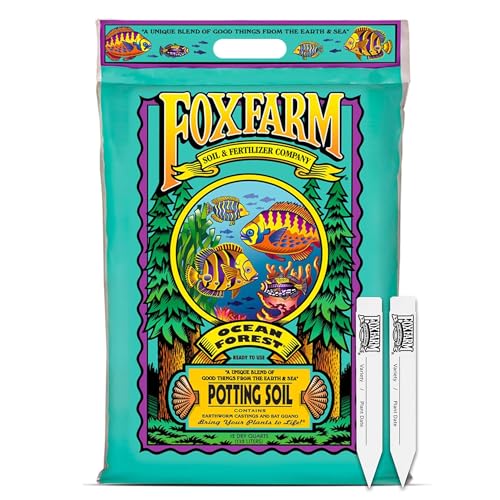
FoxFarm Ocean Forest Potting Soil with 2 Plant Tags, 12 Quarts

GARDENERA Premium Snake Plant Potting Soil Mix (1 Quart Bag)

Miracle-Gro Potting Mix, 16 qt. (2-Pack)
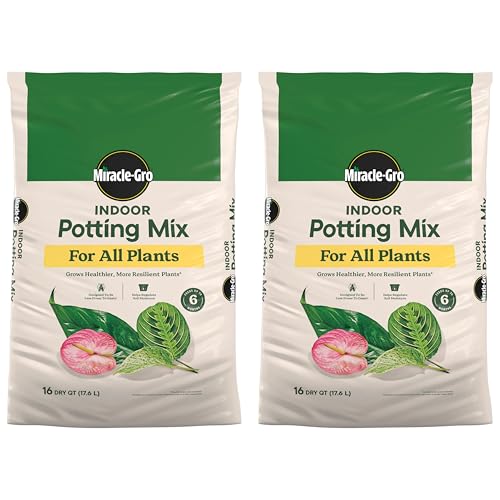
Miracle-Gro Indoor Potting Mix for All Plants, 16 qt. (2-Pack)

Miracle-Gro Succulent Potting Mix, 4 qt. (2-Pack)

Gardenera Professional Snake Plant Spray Fertilizer Mist (8oz)

FoxFarm Ocean Forest Potting Soil for Container Gardens, 12 Quart

rePotme Bromeliad and Jewel Classic Potting Soil Mix (Mini Bag)

DiatomaceousEarth Food Grade DE Powder, 10 lb

Premium Liquid Snake Plant Fertilizer 3-1-2 Concentrate (8oz)
What Each Pick Brings To The Table
Spider plants grown in bright, indirect light push out new runners faster when the medium feeds them gently from day one. FoxFarm’s Ocean Forest has earned its following for exactly that reason: a peat-based base dressed with earthworm castings, crab meal, and fish meal, all of which deliver slow-release nutrition without forcing a strict fertilizing schedule on the owner.
The texture lands in a useful middle ground. It holds enough moisture for a thirsty spider plant during summer growth spurts, yet stays loose enough to let excess water escape through a standard drainage hole. Owners repotting multiple pots in one sitting will appreciate the ready-to-use format, plus the two included plant tags for marking varieties or repotting dates.
Practical Advantages
- Organic amendments feed spider plants for weeks, easing the pressure on new owners who forget to fertilize on schedule.
- Aerated texture reduces the soggy-soil risk that yellows spider plant leaf tips in low-light rooms.
- The 12-quart size fits a single mid-sized repotting session for most home growers without wasteful leftovers.
- Included plant tags help you track which container was refreshed and when.
Small Caveats
- Strong organic smell right out of the bag, which can linger for a day or two in enclosed rooms.
- Holds moisture longer than spider plants prefer in dim corners, so you may need to extend dry-down time between waterings.
Feature Snapshot
Best Suited To
Home growers repotting one or two spider plants in well-lit rooms who want a richer medium than plain peat and a forgiving feeding schedule.
Skip It When
Your spider plant lives in a cool, dim bathroom where moisture lingers. In that case, the GARDENERA Premium Snake Plant Potting Soil Mix drains faster and reduces the risk of root rot.
Snake plants and spider plants sit at opposite ends of the watering spectrum, yet they share one trait: both resent soggy roots. GARDENERA’s snake plant blend leans hard into that overlap, mixing peat moss, perlite, lime, and earthworm castings to build a fast-draining, low-compaction medium that happens to suit a wide range of dry-footed houseplants.
The one-quart bag is intentionally small. It exists for the owner repotting a single four- or six-inch pot rather than refreshing an entire shelf, and it costs less to try before committing to a larger volume. Compared to FoxFarm Ocean Forest, this mix carries less organic weight and more mineral grit, which is exactly what spider plants need in shaded corners or drafty rooms.
Well-Handled Touches
- Loose, perlite-forward texture keeps moisture moving past fine spider plant roots.
- Lime balances pH for owners who water with hard tap, reducing leaf-tip burn over time.
- Earthworm castings add gentle nutrition without the rich-soil smell of heavier blends.
Trade Offs
- One-quart volume disappears fast across multiple pots, so larger collections will outgrow the bag quickly.
- Drains so freely that you may find yourself watering slightly more often in dry, centrally heated rooms.
Right Fit For
Owners of one or two spider plants in cool or low-light rooms where richer soils stay damp too long between drinks.
Look Elsewhere When
You keep a full shelf of mixed houseplants and want one bag to cover everything. The Miracle-Gro Indoor Potting Mix for All Plants handles a wider variety of species in a single 16-quart volume.
Miracle-Gro’s classic potting mix has a place in nearly every garden center in the country, and that scale shows in the price-to-volume ratio. The two-pack delivers 32 quarts of blended, fertilizer-fortified medium, enough for a patio full of containers or a serious indoor refresh across a dozen pots.
The formulation is built around outdoor container use, with a slow-release feed that lasts up to six months under typical conditions. For spider plants that summer on a porch or spend warm months in a bright window, that built-in feed cuts down on the number of separate fertilizer steps. Indoor-only growers in low light may find the nutrient load heavier than the plant needs, so a lighter hand at watering becomes essential.
The Helpful Details
- Up to six months of built-in feeding reduces the separate fertilizer purchases for the season.
- Two-bundle format keeps the cost per quart low for owners refreshing many containers at once.
- Widely available, so refilling mid-season is rarely a sourcing problem.
Points To Note
- Outdoor-oriented blend retains more moisture than spider plants prefer in shaded rooms.
- The slow-release feed is generous, so owners supplementing with liquid fertilizer risk nutrient buildup over a full growing season.
Feature Rundown
Whose Shelf It Belongs On
Owners with a sunny patio, a cluster of mixed containers, or a row of spider plants that move outdoors for the warm months.
Swap It Out When
Your spider plant stays indoors year-round in a shaded corner. The Miracle-Gro Indoor Potting Mix for All Plants is blended for that lower-light, slower-drying setup.
Indoor plants sit in the same pot for years, and that changes what the medium needs to do. This Miracle-Gro blend is built around sphagnum peat moss, coir, and perlite, three ingredients that keep weight down on a shelf while still managing moisture in the dry air of a heated apartment.
Spider plants in particular respond well to the lighter texture. The coir holds enough water to keep foliage from crisping at the tips during winter, while the perlite keeps drainage fast enough to avoid the heavy, sour smell that older soils develop. Owners juggling a mixed collection of pothos, philodendrons, and spider plants can run a single bag across the whole group without separate blends.
What Pays Off
- Lightweight mix simplifies carrying pots to a sink or windowsill for watering day.
- Balanced water retention suits the wide swings between heating seasons in most homes.
- Two-pack format keeps the cost per quart low for a multi-plant indoor collection.
- Versatile enough to share a bag across multiple species in a mixed houseplant shelf.
Worth Noting
- Includes a starter nutrient charge that runs out faster than the outdoor mix, so fertilizing resumes sooner.
- The 16-quart bags are bulky and awkward to store in a small apartment closet.
Who It Suits Best
Houseplant owners with a mixed indoor collection who want one bag that works across spider plants, pothos, and similar foliage plants.
Where Another Pick Suits Better
You grow only spider plants in cooler rooms and want a sharper-draining medium. The GARDENERA Premium Snake Plant Potting Soil Mix drains faster and reduces soggy-soil risk in low-temperature spaces.
Spider plants are not succulents, but they tolerate dry-down periods better than most foliage houseplants, and a cactus-style mix takes advantage of that. Miracle-Gro’s succulent blend leans on processed forest products and sphagnum peat moss to build a coarse, fast-draining medium that resists compaction over time.
For owners who chronically overwater or whose homes run humid through summer, this is one of the safer bets. The downside shows up in dry winter air, where the mix can dry out so quickly that spider plant leaf tips crisp without more frequent drinks. Adjusting to a lighter watering can and a humidity tray usually solves it.
Practical Pluses
- Coarse, sandy texture prevents the sour, anaerobic conditions spider plants hate.
- Small bag format suits owners testing cactus-style mixes before committing to larger volumes.
- Includes a starter plant food charge to support initial root recovery after repotting.
Possible Compromises
- Dries out faster than typical houseplant soils, requiring more frequent watering in dry winter rooms.
- Coarser texture means less anchoring support for tall, top-heavy spider plant cultivars.
Core Details
Built With In Mind
Owners who tend to overwater, live in humid climates, or want a low-cost trial of cactus-style drainage for spider plants.
Not Your Match When
Your home runs dry through winter and you prefer a longer interval between waterings. The Miracle-Gro Indoor Potting Mix for All Plants holds moisture more steadily for that environment.
This is technically a fertilizer, not a soil, and it earns its place on a soil roundup because the medium is only half the story. Gardenera’s spray mist delivers a 3-1-2 nutrient ratio directly to the leaves, the part of the plant that shows deficiencies first. The 3-1-2 ratio breaks down as three parts nitrogen for foliage, one part phosphorus for roots, and two parts potassium for overall vigor.
Spider plants respond well to foliar feeding during the active growth months. A quick mist on the leaves between waterings is faster than mixing liquid concentrate, and the gentle dilution reduces the risk of leaf burn that stronger fertilizers cause. Owners who forget fertilizing schedules entirely will appreciate how low-commitment the spray format feels.
Standout Benefits
- Pre-diluted format removes measuring and mixing steps for busy owners.
- Foliar application shows greener leaves within a few weeks of consistent use.
- Compact 8-oz bottle fits on a windowsill or in a narrow cabinet next to the watering can.
Less Ideal Details
- Targets snake plants specifically, so the formula may not suit a wider mixed collection on its own.
- Foliar feeding only addresses leaf-level uptake, not the root-level nutrition a soil amendment provides.
Who Should Grab It
Owners who want a low-effort nutrient boost for spider plants kept as standalone specimens on a desk or shelf.
A Better Fit Elsewhere
You run a large indoor garden and prefer one fertilizer for everything. The Premium Liquid Snake Plant Fertilizer 3-1-2 Concentrate gives the same ratio in a larger, multi-plant bottle that you dilute as needed.
This is the same Ocean Forest blend covered earlier, sold without the bonus plant tags and pitched at a slightly larger 12-quart volume. The base mix is identical: aged forest products, sandy loam, and sphagnum peat moss that combine into a light, well-aerated medium ideal for spider plants pushing out new pups in spring.
Where this version earns a separate spot is for owners who already know they like the recipe and just want more of it. Repotting a hanging basket, a long window box, and several small pots in the same session drains a single bag fast, and buying two of this larger-format bag often beats juggling leftovers. Compare it directly to the FoxFarm option above: same formula, same brand, just minus the plant-tag extras.
The Upside
- Same proven FoxFarm blend trusted by serious indoor gardeners.
- Sandy loam component improves drainage for spider plants in humid rooms.
- Good bag size for owners tackling multiple pots at once.
Soft Spots
- No plant tags included, unlike the twin-pack version reviewed earlier.
- Strong organic odor out of the bag, similar to other FoxFarm blends.
Who Will Love This
Returning FoxFarm fans who already know the recipe works and want a single, larger bag for a multi-pot refresh.
Reach For A Different Pick When
You are repotting just one or two pots and want plant tags to mark varieties. The FoxFarm Ocean Forest Potting Soil with 2 Plant Tags includes those extras in the same volume.
rePotme built a following by hand-blending small batches of specialty mixes, and this classic potting soil carries that approach through. The blend aims for the middle ground between aroids and bromeliads, which happens to land close to what spider plants prefer: airy structure, reliable drainage, and enough organic content to keep fine roots fed.
The mini bag holds roughly two quarts, which is enough for one four- or six-inch pot or a small grouping of starter spider plant pups. The honest read is that this is a premium-tier option priced accordingly. Owners who want a handcrafted, freshly mixed medium for a single special plant will find the cost easier to justify than those refreshing an entire shelf.
Good Reasons To Consider
- Hand-blended in small batches, which translates into fresher ingredients and more consistent texture.
- Designed specifically for free-draining houseplant use, well-matched to spider plant roots.
- Compact bag suits the owner repotting a single specimen or a few small pups.
Honest Caveats
- Per-quart cost runs higher than mass-market bags, so large collections get expensive fast.
- Specialty blend may be overkill for owners with forgiving watering habits.
Feature Card
Perfect Match For
Detail-oriented indoor gardeners who want a freshly mixed, handcrafted medium for a single prized spider plant or a small grouping of pups.
Consider Something Else When
You have a whole shelf to refresh on a tight budget. The Miracle-Gro Indoor Potting Mix for All Plants covers more pots per dollar and handles a wider variety of species at once.
Diatomaceous earth is a powder made from fossilized diatoms, tiny aquatic organisms whose silica skeletons create an abrasive, porous material. In the garden, DE earns its place as a soil amendment that improves drainage and texture without changing the nutrient profile of the base mix.
For spider plant owners willing to mix their own medium, a few spoonfuls of DE worked into a standard potting soil loosens the structure and helps excess water move past the roots faster. The 10-pound bag is overkill for a couple of houseplants but a smart bulk pick for anyone tending a small greenhouse or a yard full of containers where the same amendment pays off across many species.
What Helps Most
- Improves drainage in standard potting soils without altering nutrient levels.
- 10-pound bag covers many pots and stays usable across multiple seasons.
- Multipurpose ingredient for gardeners running a mix of indoor and outdoor containers.
A Few Limitations
- Not a complete soil, so it must be blended with a base mix rather than used alone.
- Fine powder creates dust during mixing, so a mask and outdoor workspace help.
The Right Fit
Owners who already keep a base potting soil on hand and want a low-cost way to sharpen drainage for spider plants and other moisture-sensitive houseplants.
A Better Fit Elsewhere
You would rather skip the mixing step entirely. The Miracle-Gro Succulent Potting Mix already includes the coarse, fast-draining structure this amendment aims to add.
This is the concentrate version of the spray mist reviewed earlier, designed for owners who prefer measured doses over a pre-diluted foliar spray. The same 3-1-2 nitrogen-phosphorus-potassium ratio applies, with three parts nitrogen driving the upright leaf growth spider plants are prized for, and the smaller phosphorus number reflecting the modest root demands of foliage houseplants.
The concentrate format rewards owners who run a consistent feeding schedule and want to control how much each pot receives. A single 8-oz bottle lasts a long time when diluted according to the label directions, and the liquid form moves into the root zone quickly after watering. Compare this to the spray mist: same ratio, more control, slightly more work per application.
Points In Its Favor
- Concentrate format stretches further per dollar than pre-diluted alternatives.
- Allows precise dose control for owners running multiple plant sizes on the same schedule.
- Liquid form feeds the root zone directly during normal watering.
Worth Bearing In Mind
- Requires measuring and diluting before each use, which adds a step the spray mist skips.
- Targeted at snake plants, so multi-species indoor gardens may need a broader fertilizer alongside it.
Key Attributes
Made For
Owners who want measured, repeatable feeding for spider plants over a full growing season and prefer root-zone delivery.
Where A Sibling Pick Shines
You want the lightest possible routine with no measuring. The Gardenera Professional Snake Plant Spray Fertilizer Mist applies the same ratio without any mixing step.
Choosing The Right Medium For A Spider Plant
Spider plant roots are thick, white, and tuber-like, adapted to store water between rains. That adaptation is exactly why generic garden soil or moisture-heavy houseplant blends cause trouble in pots: the medium stays wet, the tubers sit in it, and rot follows. Aim for a mix that drains within a few seconds of watering while still holding enough moisture to keep the leaves from crisping at the tips.
Drainage Comes First
Drainage is the single most important attribute, and it depends on three things working together: a pot with a drainage hole, a medium that does not compact, and a watering habit that lets the top inch dry between drinks. Coarse ingredients like perlite, sandy loam, and pine bark keep air pockets alive in the root zone. Soils labeled as “outdoor container mix” often work fine for spider plants on a sunny patio but hold too much water for shaded indoor corners.
Match The Medium To The Light
Bright, indirect light speeds up water use and supports a richer medium. Low light slows drying and pushes owners toward cactus-style blends or specialty mixes built for snake plants. The honest read is that a single bag will rarely serve a varied collection perfectly, which is why several entries above target different lighting scenarios.
Organic Content And Feeding
Spider plants respond to gentle, steady feeding rather than heavy nutrient surges. Soils amended with earthworm castings, fish meal, or crab meal release nutrients slowly and reduce the need for supplemental fertilizer. If you prefer to feed separately, a plain indoor mix plus a liquid concentrate gives you more control over the schedule.
Size And Storage
A 12-quart bag handles one to three mid-sized pots, while a 16-quart two-pack covers most indoor collections. Specialty blends in smaller bags cost more per quart but reduce storage pressure in a small apartment. Match the bag size to your repotting plan rather than buying the largest option by reflex.
Key Considerations Across These Picks
Pitfalls Shoppers Hit
The most common mistake is grabbing a moisture-rich “all-purpose” soil and expecting it to perform like a specialty mix. Spider plants tolerate short dry spells far better than long wet ones, so erring toward the well-draining side rarely causes harm. Another frequent slip is forgetting the pot itself: a fast-draining soil in a pot without a drainage hole still sits in water at the bottom, and no amendment can rescue that.
What Separates Premium From Basic
Premium blends tend to add small-batch freshness, hand-mixed consistency, and amendments like lime or earthworm castings that balance pH and feed gradually. Basic blends rely on volume and mass-market availability. For a single plant on a desk, basic works fine. For a multi-plant collection or a prized specimen, the premium tier often pays off in steadier growth and fewer leaf-tip issues over time.
Frequently Asked Questions
Do Spider Plants Need A Special Soil Mix?
Spider plants do not require a branded specialty mix, but they perform best in well-draining, loamy mediums that do not stay soggy. Standard indoor potting mixes work when amended with perlite, and cactus-style blends work when watering is adjusted. The key is drainage, not the label on the bag.
Can I Use Regular Garden Soil For A Spider Plant?
Garden soil is generally too dense and too heavy for indoor pots, where it compacts around roots and holds water longer than spider plant tubers tolerate. For container use, stick with bagged potting mixes designed for indoor or container gardening.
How Often Should I Repot A Spider Plant?
Most spider plants benefit from repotting every one to two years, or whenever roots begin circling the bottom of the pot or pushing pups through the drainage hole. Spring is the easiest season, since the plant is moving into active growth and recovers quickly from the transition.
Is Cactus Soil Safe For Spider Plants?
Cactus and succulent mixes drain faster than standard potting soils, which spider plants handle well in dry or humid conditions. The trade-off is faster dry-down, so owners in centrally heated winter homes may need to water slightly more often or move plants closer to a window.
Do Spider Plants Need Fertilizer?
Spider plants grow well without fertilizer when potted in a nutrient-amended mix, but a monthly dose during the spring and summer growing season encourages faster pup production and richer leaf color. A 3-1-2 liquid concentrate or a pre-diluted foliar mist covers the routine without overdoing it.
Wrap Up
The right medium for a spider plant comes down to drainage, light level, and how much feeding you want to manage yourself. Start with the environment you actually have, then pick a blend that matches your watering style and your commitment to a feeding routine. The bags above cover most of the realistic scenarios you will run into, and any of them will outperform a heavy, generic garden soil sitting in a decorative pot without a drainage hole.
