

Healthy gardens start beneath the surface, where soil structure decides whether roots breathe, drain, or drown. Choosing the right amendment turns compacted clay into friable loam, keeps moisture around thirsty roots, and feeds the microbes that keep everything alive. The nine options below cover a wide spectrum, from volcanic rock for gritty drainage to liquid humics that wake up tired beds.
The Choices Worth Comparing

Boniosz Red Horticultural Lava Rock Soil Additive (2lb)

Soil Moist Fines 1lb – Root Dip Plant Packing Medium

Farmer’s Secret Soil Revitalizer Organic (OMRI Listed) Liquid Compost – 128oz

The Andersons HumiChar Organic Soil Amendment with Humic Acid and Biochar (12 lb)

Fertilome (10660) Soil Acidifier Plus Iron, 32 oz
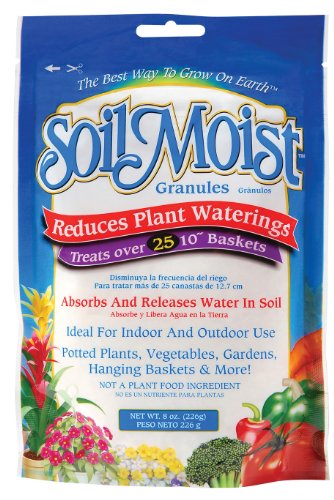
Soil Moist JCD-05SM 8-Ounce Granules

Farmer’s Secret Soil Revitalizer (8oz) Organic (OMRI Listed) Liquid Compost

Soil Moist 100064312 JCD-030SM 3-Pound Granules
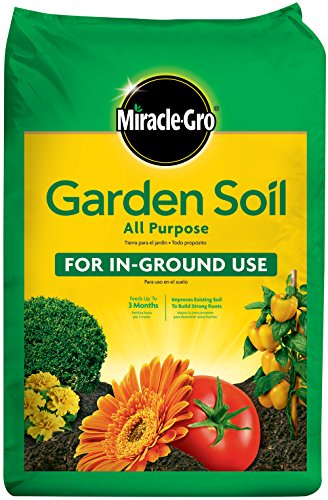
Miracle-Gro Garden Soil All Purpose, 1 cu. ft.
More Details On Our Top Picks
For gardeners chasing that gritty, well-draining mix that succulents and cacti crave, this red volcanic rock from Boniosz earns its place near the top of the bench. The pieces arrive pre-sifted, so you can pour them straight into a pot or scatter across the soil surface as a top dressing without spending a Saturday shaking out dust.
Compared with the liquid amendments further down this list, lava rock works mechanically rather than chemically. It opens pore space in dense mixes, lets roots breathe, and the deep red tone doubles as a decorative finish in a bonsai dish or terrarium. Two pounds goes further than you might expect when blended into a multi-gallon potting mix.
Strong Points
- Made from 100% pure volcanic rock with no dyes or chemical coatings, so it stays pH-neutral in your mix.
- Pre-sifted sizing saves the messy screening step most hobbyists dread.
- Doubles as a decorative top dressing for bonsai and terrariums.
- Reusable year after year; rinse and reapply rather than replacing.
- Holds a thin film of moisture in its pores, supporting roots without waterlogging.
Worth Noting
- Two pounds covers a small collection of pots; large landscape beds will eat the bag quickly.
- The bright red color may clash with naturalistic garden aesthetics.
Right Fit For
Container growers raising succulents, bonsai, orchids, and terrarium plants who want drainage plus a polished look.
Consider Something Else When
You are refreshing broad in-ground beds, where Miracle-Gro Garden Soil All Purpose covers far more ground per bag.
This granular polymer from Soil Moist plays a supporting role that most gardeners overlook until they ship a box of bare-root roses across the country. The fine texture hydrates into a slick gel that clings to roots, locking in moisture during transit and cutting down on transplant shock when the plants arrive.
Unlike the chunkier Soil Moist granules featured later, these fines hydrate fast and spread evenly through a dip slurry. One pound stretches across roughly 40 gallons of finished gel, which is more than enough for small nursery operations or anyone swapping plants with friends by mail. The trade-off is speed: the gel releases water faster than the larger granules, so it is not the right tool for season-long water conservation.
Standout Benefits
- Designed specifically for bare-root dipping, the classic application before shipping or transplanting.
- One pound hydrates to roughly 40 gallons of gel, giving small operations a long runway.
- Reduces transplant shock by holding moisture at the root zone during transport.
- Lightens compacted soil and improves aeration when mixed into a planting hole.
Trade Offs
- Not intended as a long-term water-storing amendment; the gel releases moisture faster than granular versions.
- Requires pre-hydration before use, adding a step before planting day.
Made For
Nursery growers, mail-order plant sellers, and hobbyists who routinely ship or transplant bare-root stock.
Skip It When
You mainly need season-long moisture retention in containers, where Soil Moist JCD-05SM 8-Ounce Granules does the job more efficiently.
The one-gallon jug of Farmer’s Secret Soil Revitalizer is built for gardeners who think in terms of entire beds rather than individual pots. Activated humic acid, which is a concentrated form of the organic compounds that make compost so valuable, feeds soil biology instead of forcing quick green growth above ground.
Application is the easiest part. Mix into your watering can on a monthly schedule through the growing season and the soil slowly wakes up: microbial activity rises, nutrient cycling improves, and plants respond with steady, durable vigor. For most home growers treating a full vegetable plot or sizeable perennial border, the larger jug saves the hassle of frequent reordering.
What Makes Sense
- OMRI listed organic formula, suitable for edibles and gardens where synthetic inputs are off the table.
- Activated humics feed microbial life rather than forcing short-term leaf growth.
- One-gallon size covers multiple monthly applications across a sizeable bed.
- Liquid format mixes cleanly into a watering can with no tilling required.
Points To Keep In Mind
- Monthly applications during the growing season demand a steady routine to see the full benefit.
- Heavy jug requires storage planning; keep the cap tight to prevent spills.
Built With In Mind
Organic gardeners managing vegetable plots, perennial beds, and landscape plantings where soil biology matters as much as NPK numbers.
Look Elsewhere When
You only want a small bottle to test the concept, in which case Farmer’s Secret Soil Revitalizer (8oz) is the lower-commitment entry point.
Lawns and broad landscape beds need amendments that can be tossed through a broadcast spreader without clogging or dusting. The Andersons HumiChar uses a dispersible granule technology that breaks down quickly once watered in, sending humic acid and biochar, which is a charcoal-like soil component that holds carbon and improves structure, deep into the root zone.
Twelve pounds covers up to 12,000 square feet, so a single bag tackles most residential lawns. The OMRI listing reassures organic gardeners, while the uniform spherical pellets spread cleanly across turf without the gritty mess that plagues cheaper blends. It is a different beast from the liquid Soil Revitalizer; HumiChar is granular, slow-release, and built for soil structure rather than rapid biology boosts.
Useful Touches
- Dispersible granule technology breaks down rapidly after watering, saving the long breakdown window of raw biochar.
- Up to 12,000 square feet of coverage per bag suits typical suburban lawns.
- OMRI listed for organic-compliant lawn programs.
- Uniform spherical pellets flow through rotary spreaders with minimal clogging.
Honest Caveats
- Low-dust formula still kicks up some particles during application; a mask helps on breezy days.
- Benefits build slowly across a full season rather than showing in a single weekend.
Who It Suits Best
Homeowners managing sizeable lawns or landscape beds who want a single-pass organic amendment without tilling.
Reach For A Different Pick When
You tend a smaller patio garden, where Farmer’s Secret Soil Revitalizer (8oz) is easier to dose precisely.
Most amendments on this list improve structure or feed biology, but ferti-lome’s Soil Acidifier Plus Iron tackles a different problem: pH. When azaleas, gardenias, roses, and hollies turn yellow despite regular watering, alkaline soil is often the culprit. This liquid concentrate lowers pH while feeding trace elements.
Application requires dilution in water and a careful read of the label, because the rate shifts depending on whether you are treating new plantings or maintaining established beds. The 32-ounce bottle concentrates nicely; a little goes a long way in a watering can. This is a specialty product rather than an all-purpose soil fix.
Advantages To Know
- Formulated for acid-loving plants including roses, gardenias, azaleas, and hollies.
- Provides iron, zinc, sulfur, magnesium, and copper alongside pH correction.
- Liquid concentrate dilutes cleanly into a watering can.
- Reduces alkalinity without the bulky sulfur granules some gardeners dislike.
Some Limits To Know
- Targeted at acid-loving species; do not use on plants that prefer neutral or alkaline conditions.
- Requires accurate dilution and label-reading; over-application can swing pH too far the other way.
Key Specs
Best Suited To
Growers troubleshooting yellowing leaves on azaleas, gardenias, hollies, or roses in alkaline regions.
Where A Sibling Pick Shines
You are fighting compacted clay across a whole lawn, where The Andersons HumiChar Organic Soil Amendment tackles structure instead of chemistry.
Tiny in the hand but mighty in the pot, these 8-ounce Soil Moist granules are the entry-level size for anyone dabbling in moisture-management polymers. Mix them into potting soil and they swell into reservoirs that slowly share water with roots, cutting down on the daily drink that thirsty houseplants demand.
The polymer is non-toxic and lasts multiple seasons, so a small jar stretches further than the weight suggests. Compared with the larger 3-pound bag reviewed later, this is the right call for a windowsill herb garden or a handful of patio pots. Skip the math if you tend a large container collection: the bigger format will save you from frequent reordering.
Reasons It Performs
- Small jar handles a starter set of houseplants without surplus.
- Non-toxic polyacrylamide, suitable for indoor and outdoor use.
- Reduces transplant shock when blended into fresh potting mixes.
- Granules stay put; they do not float to the surface after watering.
Less Ideal Details
- Roughly 20 plant-sized doses per jar; larger collections burn through it quickly.
- Polymer loses effectiveness over multiple seasons as granules degrade.
Whose Shelf It Belongs On
Apartment dwellers and casual houseplant keepers who want a trial-size jar rather than a contractor bag of granules.
Swap It Out When
You manage dozens of containers or bedding plants, where Soil Moist 100064312 JCD-030SM 3-Pound Granules offers better value per ounce.
If the one-gallon Soil Revitalizer feels like too much commitment, this 8-ounce bottle offers the same OMRI listed formula in a starter format. You get the activated humics, the same monthly cadence, and the same soil-biology focus without the weight of a full jug on the shelf.
For most small-space gardeners tending a couple of raised beds or a patio collection, the smaller bottle delivers several applications before running dry. It also doubles as a way to test whether humic amendments work in your soil before scaling up to the larger size.
Positive Points
- Compact bottle suits apartment storage and small sheds.
- Same OMRI listed organic formula as the larger jug.
- Low-commitment format for first-time amendment users.
- Mixes directly into a watering can; no tilling or spreading equipment needed.
Points To Note
- Runs out quickly for gardeners managing larger landscapes.
- Monthly applications require consistent scheduling.
Who Will Love This
Beginners curious about humic amendments who want a manageable starter bottle before committing to a gallon jug.
A Better Fit Elsewhere
You maintain expansive vegetable plots, where Farmer’s Secret Soil Revitalizer Organic (OMRI Listed) Liquid Compost – 128oz reduces per-application cost.
The middle child of the Soil Moist lineup, this 3-pound jar hits the sweet spot for container gardeners and small bedding projects. The granules hydrate into gel reservoirs that release water back to roots over time, reducing the watering cycle by roughly half in typical use.
White granules blend into most potting mixes without showing through the surface, and the polymer stays put rather than floating up after rain or overhead watering. With proper mixing, a single jar covers a meaningful number of medium-sized pots and lasts across several seasons before the polymer degrades.
The Case For It
- Mid-size jar suits typical container collections without oversupply.
- Designed for both indoor and outdoor plantings.
- Lasts multiple seasons before requiring reapplication.
- Granules remain in the soil rather than floating to the surface.
Worth Bearing In Mind
- Mixing evenly into dense soil takes effort; surface application alone leaves gaps.
- Polymer effectiveness tapers gradually across multiple growing seasons.
Perfect Match For
Container gardeners and small-plot growers who want a practical mid-size bag of water-management polymer.
Not Your Match When
You only need a starter amount for a few houseplants, where Soil Moist JCD-05SM 8-Ounce Granules is a tighter fit.
For gardeners building or refreshing in-ground beds, Miracle-Gro Garden Soil All Purpose functions as a complete replacement rather than an additive. The 1 cubic foot bag is blended for direct use in planting holes and bed preparation, with continuous-release plant food mixed in.
The benefit is simplicity: amend your bed, plant, water, and walk away. For most home growers establishing vegetables, fruits, or flower borders in ordinary ground, this blend removes the guesswork of mixing separate amendments. Compared with the specialized products earlier in the list, it is broader in purpose and less tailored.
What Helps Most
- Complete in-ground blend that works across annuals, perennials, vegetables, fruits, and flowers.
- Continuous-release plant food feeds for up to three months after planting.
- Improves existing soil while building strong root systems.
- 1 cubic foot bag is a manageable weight for solo gardeners.
Things To Weigh
- Designed for in-ground beds; not suited to containers or seed-starting mixes.
- Built-in fertilizer means you cannot customize a lower-feed regimen for sensitive species.
Who Should Grab It
New gardeners establishing in-ground flower or vegetable beds who want a single product that handles soil and feeding together.
Another Choice May Suit
You grow acid-loving plants like azaleas and blueberries, where ferti-lome Soil Acidifier Plus Iron targets pH rather than feeding broadly.
Picking The Right Amendment For How You Garden
Soil amendments fall into three loose families, and knowing which you need saves both money and frustration. Structural amendments like lava rock and biochar open up dense ground, improve drainage, and create pore space for roots to colonize. Moisture-management polymers such as the Soil Moist line absorb and slowly release water, cutting down on watering frequency in containers and raised beds. Biological amendments, including humic acid products and liquid compost teas, feed the microbial life that drives nutrient cycling in any soil.
Match the product to the problem you are actually solving. Yellowing leaves on acid-loving ornamentals call for a pH-targeted product rather than compost. A patio collection that wilts between waterings benefits more from moisture granules than from a soil revamp. A new in-ground bed needs bulk and starter fertility rather than concentrated liquid feeds. Treating the symptom first prevents the common trap of stacking amendments without a clear goal.
Coverage Scale And Application Style
Granular products like The Andersons HumiChar spread easily across large areas with a broadcast spreader, while liquids mix into a watering can for spot treatments. Lava rock and prepackaged garden soils require shovels and a bit of muscle. Container gardeners usually prefer smaller, repeatable formats, while lawn and landscape work rewards bulk bags sized to the square footage you treat.
Timing And Cadence
Moisture polymers are mixed in once and last several seasons. Liquid biologicals demand a monthly commitment through the growing season. pH adjusters are applied on an as-needed basis tied to plant performance. Be honest about the schedule you will actually keep; a product that sounds perfect but never gets used is the most expensive amendment of all.
Key Considerations Across These Picks
Pitfalls Shoppers Hit
The most common slip-up is treating amendments like fertilizer. Soil amendments improve structure, biology, or moisture; they are not interchangeable with NPK feeds. Skipping a soil test before adding pH adjusters is another frequent misstep, because the symptoms of alkaline soil often resemble nutrient deficiencies. Lastly, gardeners underestimate coverage needs, especially with granular biochar products that look like a small bag but disappear quickly when spread across a full lawn.
Where The Extra Money Goes
Premium organic amendments like OMRI listed liquid humics cost more because the sourcing and concentration demand more processing. Specialty pH adjusters include multiple trace elements, which inflates the price relative to plain sulfur. Moisture polymers that last several seasons cost more up front than quick-fix gels but save money over years of repeat applications. The upgrade pays off when your gardening routine matches the product’s design; mismatched premium purchases leave money on the shelf.
Frequently Asked Questions
How often should soil amendments be applied?
Application frequency depends on the product type. Moisture polymers like Soil Moist granules are mixed in once and last several seasons. Liquid humic products from Farmer’s Secret are applied monthly during the growing season. pH adjusters like ferti-lome Soil Acidifier Plus Iron are used as needed based on plant performance and soil test feedback.
Can amendments replace fertilizer entirely?
Most soil amendments complement fertilizer rather than replace it. Products that include continuous-release plant food, such as Miracle-Gro Garden Soil All Purpose, can substitute for separate feeding for a few months. Biological amendments like activated humics improve nutrient availability but typically pair with regular fertilization for heavy-feeding crops.
Are organic amendments safer for pets and children?
OMRI listed products meet recognized organic-input standards, which many gardeners prefer in households with curious pets and kids. That said, no soil amendment is intended for ingestion, and proper storage prevents accidental exposure regardless of certification status.
What size bag do I need for a small backyard?
A 1 cubic foot bag covers roughly 8 to 10 square feet of prepared bed at a 2-inch depth. Smaller container projects need far less; an 8-ounce jar of moisture polymer handles a dozen or so medium pots. Match bag size to project size to avoid storing half-used amendments indefinitely.
Do amendments expire or lose potency?
Dry products like lava rock and granular polymers keep indefinitely when stored dry. Liquid biologicals and acidifiers have manufacturer-recommended shelf lives, and potency can fade if bottles are stored in extreme heat or direct sun.
Closing Remarks
The right soil amendment depends less on what’s popular and more on what your garden actually needs. Match the product to your scale, your plants, and the schedule you will keep, and the rest tends to fall into place. Start with one product, observe the response, and build from there.
