

Succulents rot fast in dense, moisture-retentive soil, which is why the right growing medium matters more than the pot you choose. Standard houseplant mix holds water against thick leaves for too long, while a gritty blend lets roots breathe between waterings. The picks below cover ready-to-use cactus mixes, amendment ingredients like lava rock and charcoal, and coarse sand for DIY blends, so you can match the medium to your collection’s needs.
An Overview Of The Picks

MODELLOR Coco Coir Bricks, 4-Pack (5 lb)

Botanicare Pure Blend Pro Bloom Soil 1-4-5, 5 gal.

FoxFarm Ocean Forest Potting Soil, 1.5 cu ft
Hoffman 17502 Charcoal Soil Conditioner, 24 oz
Rosy Soil Cactus & Succulent Potting Mix, 4 Quarts

Rosy Soil Houseplant Potting Mix, 4 Quarts

Rosy Soil Aroid Soil Mix, Chunky Biochar, 4 Quarts

NUPICK 3lb Horticultural Lava Rocks, 3/8″

NUPICK 1-2mm Coarse Sand, 6 lb

NUPICK 3 lbs Polished Pea Gravel, 3/8″
More On The Choices That Made The List
If you mix your own cactus blend from scratch, a heavy bag of pre-made medium takes up half a closet before you even open it. Coco coir (shredded coconut husk fiber) ships compressed into bricks that store flat on a shelf and rehydrate in a bucket when you need them. The MODELLOR set arrives as four 5-pound bricks that expand into roughly 9 gallons of fluffy medium, which is enough to amend several pots of standard mix or build a small batch of custom blend.
Worth noting that coir alone stays too damp for succulents, so this is really a base ingredient rather than a finished medium. Pair it with the lava rock or coarse sand later in this list for a faster-draining result. Apartment dwellers without garage storage tend to appreciate the compressed form most.
A Favorable Mix
- Compresses to a fraction of bagged soil’s footprint, freeing closet space
- Expands to roughly 9 gallons, enough for several small pots
- Triple-washed with reduced salt content, so seedlings aren’t burned
- pH-balanced starting point for blending with gritty amendments
Things To Consider
- Holds moisture longer than most succulents prefer when used alone
- Requires rehydration in a bucket before use, adding prep time
Right Fit For
Apartment growers who blend custom mixes and need shelf-friendly storage rather than a finished ready-to-pot medium.
Skip It When
You want a ready-to-use succulent medium, in which case the Rosy Soil Cactus & Succulent Potting Mix does the job out of the bag.
This Botanicare product is technically a liquid nutrient with a 1-4-5 NPK ratio (nitrogen, phosphorus, potassium), packaged as a one-part feed for the bloom phase. The “soil” naming in the listing refers to its compatibility with soil, coco, and soilless setups rather than its physical form. Flowering succulents like kalanchoe, Christmas cactus, and many echeveria hybrids benefit from the higher phosphorus ratio during their bloom cycle.
Unlike the chunky mix options on this list, this is a feeding supplement you add to water, not a growing medium. You pour it through already-potted plants weekly during active bloom. For typical foliage-only succulents like haworthia or most sedums, the Grow formula or a balanced feed may suit better.
What Makes Sense
- One-part liquid, no separate bottles to mix or store
- Targets flowering stage with elevated phosphorus content
- Works in soil, coco, or hydroponic setups
- 5-gallon size fits growers with many feeding cycles ahead
Worth Noting
- Specialized for bloom phase, less useful for foliage-only succulents
- Requires consistent feeding schedule to deliver meaningful results
Key Product Details
Best Suited To
Growers with flowering succulents who already water consistently and want a bloom-focused feed alongside their potting medium.
Look Elsewhere When
You need actual planting medium rather than a liquid nutrient, in which case FoxFarm Ocean Forest Potting Soil fits the container-ready bill.
FoxFarm’s Ocean Forest is a popular all-purpose container blend that comes ready to use right out of the bag. The texture runs lighter than typical dense houseplant soil, which is why some growers use it as a base for succulent mixes rather than straight. The 1.5 cubic foot bag covers a moderate collection without weighing down a shelf.
For dedicated cacti and succulents, you may want to cut it with the lava rock or coarse sand found later in this list. The trade-off is moisture retention, since this blend holds more water than a true cactus mix. In our view, that makes it a sensible starter for growers easing into a collection before investing in specialty mediums.
Useful Touches
- Ready to use immediately, no mixing or pre-soaking required
- Lighter texture than standard houseplant soil, easier to handle
- 1.5 cu ft bag covers multiple medium pots or several small ones
- Widely available in standalone or multi-pack configurations
Room For Improvement
- Holds more moisture than a true succulent blend, so drainage amendments help
- Bag is bulky and heavy once opened, awkward for small storage spaces
Feature Snapshot
Who It Suits Best
Container gardeners with mixed plantings who want one bag that handles vegetables, herbs, and succulents with light amendment.
Reach For A Different Pick When
You keep a dedicated cacti and succulent collection, in which case Rosy Soil Cactus & Succulent Potting Mix is built for that purpose.
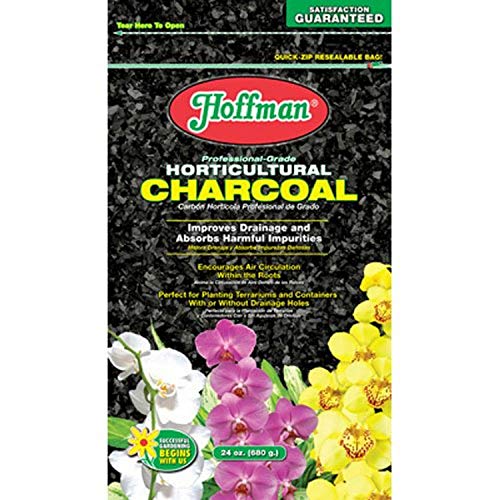
Horticultural charcoal (activated carbon processed for soil use) acts like a sponge inside a pot, absorbing excess moisture and filtering impurities from the root zone. Hoffman’s 24-ounce bag is a small but dense supply, sized for adding a scoop to terrariums, mixed planters, or any container where drainage is borderline. It’s not a complete medium on its own.
The porous structure also keeps air circulating around roots, which matters in containers without drainage holes where moisture lingers. For most setups, charcoal is one of several amendments rather than the whole recipe. Compare that to the FoxFarm bag above, which is a finished medium without charcoal’s filtration role.
Noteworthy Benefits
- Porous texture pulls excess moisture away from roots
- Absorbs impurities, keeping the root zone cleaner over time
- Adds slow-release nutrients to the surrounding medium
- Compact bag fits inside a gardening drawer without dedicated shelf space
Trade Offs
- Works only as an amendment, not as a standalone potting medium
- 24-ounce volume runs out quickly for larger collections
Perfect Match For
Hobbyists building terrariums or mixed planters who want one more drainage safeguard alongside their primary medium.
Consider Something Else When
You need a complete ready-to-pot blend, in which case the Rosy Soil Cactus & Succulent Potting Mix handles everything without additional ingredients.
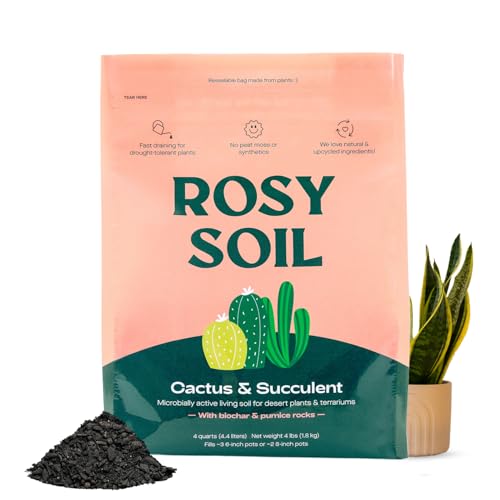
Rosy Soil’s succulent-specific blend is chunky by design, which is the whole point for cacti and succulents. The mix stays loose and airy around roots rather than compacting into a damp brick, so moisture drains through quickly after watering. The 4-quart bag fits several small to medium pots without much waste.
The blend includes worm castings and beneficial microbes that feed slowly over time. Compare that to the FoxFarm Ocean Forest above, which holds more moisture and needs amending for true succulent use. Depending on your collection, this bag may run out fast if you repot frequently, so larger pots and bigger collections may need multiple bags.
Everyday Perks
- Chunky texture prevents compaction and soggy pots
- Drains fast, suiting species prone to root rot
- Worm castings and microbes support slow, steady nutrition
- Ready to use with no mixing or pre-soaking required
Honest Caveats
- 4-quart bag runs out quickly for collectors with many large pots
- Loose texture may need weighting for top-heavy cacti
Quick Facts
Whose Shelf It Belongs On
Dedicated succulent keepers who repot regularly and want a purpose-built medium without the trial-and-error of DIY blending.
Where A Sibling Pick Shines
You keep tropicals like monstera alongside succulents, in which case Rosy Soil Aroid Soil Mix covers both groups with chunky drainage.
Rosy Soil’s houseplant blend is peat-free, replacing the standard peat base with biochar (a charcoal-like soil amendment), worm castings, mycorrhizae (beneficial root fungi), compost, and bark fines. For mixed indoor collections that include succulents, tropicals, and foliage plants, this blend stays lighter than peat-heavy mixes and avoids the waterlogging that peat can cause in deep pots.
The organic ingredient list suits growers who want to skip synthetic fertilizers in favor of slow-release biology. Pure succulents in small pots may want the dedicated cactus mix from the same brand instead, since this blend runs richer. In our view, the 4-quart size fits a small urban shelf collection better than a sprawling greenhouse.
What Earns Its Place
- Peat-free formulation supports sustainable sourcing goals
- Biochar and bark keep texture loose for root breathing
- Mycorrhizae and worm castings build long-term soil biology
- Single 4-quart bag fits standard apartment storage
Points To Keep In Mind
- Richer than pure succulents typically need
- Smaller bag size means reordering for larger collections
Made For
Indoor growers with mixed houseplants who prefer organic inputs and want one blend that handles most non-succulent species too.
Not Your Match When
Your collection leans heavily toward cacti and succulents, where the Rosy Soil Cactus & Succulent Potting Mix offers a faster-draining alternative.
Aroids (monstera, philodendron, alocasia, pothos) climb bark in their native habitats and crave similar airy conditions indoors. This chunky aroid blend uses pine bark fines, pumice, and biochar to mimic that environment, holding structure around roots without smothering them. The same drainage philosophy carries over to succulents kept in mixed planters, since both groups dislike soggy conditions.
For a dedicated succulent shelf, the cactus-specific blend earlier in this list is the better fit. Where this mix shines is on the jungle side of a collection, particularly for plants that sulk when their roots stay wet. Same story with the chunky lava rock later in the list, which can top-dress this blend for visual finish.
What Helps Most
- Chunky structure prevents the compaction aroids hate
- Pine bark and pumice mimic natural climbing substrates
- Drains fast while still holding enough moisture between waterings
- Works across tropicals from monstera to peace lily
A Few Limitations
- Designed for aroids, not optimized for true cacti
- Chunky pieces may sift through pots with wide drainage holes
Feature Rundown
Built With In Mind
Tropical plant keepers with monstera, philodendron, or alocasia who want a structured medium that drains without drying too fast.
Swap It Out When
You keep mostly cacti and succulents, in which case Rosy Soil Cactus & Succulent Potting Mix serves that group more directly.
Lava rock’s porous structure makes it a workhorse for succulent drainage, both mixed into soil and layered on top as a top dressing (a decorative surface layer that also slows evaporation). The NUPICK mix blends six natural stone types at roughly 3/8 inch, giving variety in color and shape. Three pounds covers several medium pots as a top layer or a generous amendment in DIY mixes.
The stones darken when wet and lighten as they dry, which doubles as a visual watering cue for some growers. Compare that to the polished pea gravel later in this list, which has a smoother finish and is more decorative than functional. Depending on your pot size, three pounds may run thin if you’re topping many containers.
Notable Gains
- Porous texture improves drainage and aeration in mixed blends
- Doesn’t stain, fade, or break down over time
- Works as top dressing or soil amendment equally well
- Six-stone mix adds visual variety to the pot surface
Practical Considerations
- 3-pound bag runs out fast across many large pots
- Color may shift noticeably between wet and dry states
Who Should Grab It
DIY mixers building cactus blends and growers who want a functional top dressing that helps the soil underneath breathe.
A Better Fit Elsewhere
You want a smoother decorative finish without porous rough texture, in which case NUPICK’s Polished Pea Gravel is a softer-looking option.
Coarse sand is one of the simplest and most affordable amendments for succulent mixes. The NUPICK offering is a 1-2mm silica sand, natural and undyed, which rinses clean without losing texture. Mixed at roughly a 1:3 sand-to-soil ratio, it opens up drainage in denser base mediums without the weight of gravel.
Play sand from a hardware store tends to be too fine and compacts around roots, defeating the purpose. Horticultural-grade coarse sand like this stays gritty over time. In our view, this is the budget route for growers who already keep a base medium like the FoxFarm bag above and want to lighten it for succulents.
What It Does Well
- Improves drainage when blended into denser potting mixes
- Washes clean without fading or breaking down
- Natural silica without dyes or chemical additives
- 6-pound size covers many small to medium pots
Small Caveats
- Requires mixing with a base medium, not for solo use
- Fine enough that it can sift through large drainage holes
The Right Fit
Budget-conscious growers who already have a base soil on hand and want to convert it into a faster-draining succulent blend.
Where Another Pick Suits Better
You want a finished medium without measuring and mixing, in which case the Rosy Soil Cactus & Succulent Potting Mix arrives ready to use.
Polished pea gravel is mostly a finishing touch, the smooth, rounded stone you see atop styled succulent arrangements. Each piece runs about 3/8 inch and arrives washed and ready to spread, with a shine that comes alive after a quick water rinse. For pots displayed on shelves and desks, this material upgrades the look without competing with the plant.
It’s worth noting that pea gravel is denser and less porous than the lava rock earlier in this list, so it functions more as a decorative cap than a drainage amendment. Some growers add a thin layer over their cactus mix to keep the surface dry between waterings. The 3-pound bag covers a handful of small pots with little to spare.
Good Reasons To Consider
- Smooth, polished surface gives a clean decorative finish
- Rinses clean without losing color or finish
- Dye-free and oil-free for safe use around plant roots
- Helps keep the soil surface dry between waterings
Things To Weigh
- Decorative more than functional, doesn’t aerate soil the way lava rock does
- 3-pound bag covers only a few small pots
Who Will Love This
Stylers and display-oriented growers who want a finished look on their shelf arrangements and don’t mind pairing it with a functional medium underneath.
Another Choice May Suit
You want top dressing that actively improves drainage, in which case NUPICK’s Horticultural Lava Rocks serves a similar role with added porosity.
Factors That Matter Most When Choosing Soils For Succulents
Drainage comes first, before brand, before price, before anything else. Succulents evolved in arid environments where roots dry out between rains, and replicating that cycle indoors requires a medium that lets water pass through quickly. The picks above either deliver this naturally as finished mixes or supply ingredients (sand, lava rock, charcoal) to build it into a base medium.
Texture and particle size shape how air and water move through the pot. Fine, peat-heavy blends hold moisture against roots for days, while chunky mixes with visible grit create air pockets that roots need. For a small collection, a dedicated cactus and succulent mix like the Rosy Soil blend handles this in one step. For larger or more experimental setups, building a custom blend from base soil plus amendments gives more control over texture.
Container size and watering style also steer the choice. Small pots dry faster and tolerate richer mixes, while deep pots hold moisture longer at the bottom and need coarser blends to compensate. Frequent waterers benefit from extra grit to avoid accidental overwatering, while forgetful waterers may want even faster-draining options.
What Separates Premium Picks From The Basics
Common Shopping Slip Ups
Buying a generic houseplant or garden soil and expecting succulents to thrive is the most common mistake. Standard blends hold far too much moisture and cause rot within weeks. Another pitfall is skipping drainage holes in decorative pots, which compounds the problem regardless of which medium you choose.
Some shoppers assume cactus soil is universal across all succulents, then watch their haworthia or lithops struggle. Different species want slightly different textures, and treating one bag as a cure-all often backfires.
Where The Extra Money Goes
Premium succulent blends cost more because they include specialty ingredients like pumice, biochar, and graded sand rather than relying on cheap peat or compost. The chunky texture is harder to manufacture consistently, so production costs run higher. For most growers, a mid-tier cactus mix covers the basics, and the upgrade to premium is worth it for rare or sensitive species that punish you for any mistake. Worth considering whether your collection size and plant value justify the difference before deciding.
Frequently Asked Questions
Can I use regular potting soil for succulents? Standard potting soil holds too much moisture for most succulents and frequently causes root rot. Mixing it with coarse sand or lava rock at roughly a 1:1 ratio improves drainage enough for many species.
How often should I repot succulents into fresh soil? Most growers refresh the medium every two to three years, or sooner if the soil compacts, stops draining, or the plant outgrows its pot.
Do succulents need fertilizer in their soil? Slow-release nutrients from worm castings or compost cover most needs, and excess feeding can produce leggy growth. Bloom-focused feeders make sense during active flowering.
Is cactus soil the same as succulent soil? The terms are often used interchangeably, though some brands reserve “cactus soil” for cacti specifically and “succulent soil” for broader use. Both aim for fast drainage.
Can I reuse old succulent soil? Reusing is possible after sifting out root debris, refreshing with new grit, and checking that the texture still drains well. Old soil compacts over time and loses structure.
Closing Remarks
The best soil for your succulents depends on your watering style, pot setup, and how much mixing you enjoy doing. Ready-to-use cactus blends cover most growers with minimal effort, while DIY builders get more control from a base medium plus amendments. Start with your collection’s real needs, not the most popular bag, and adjust as you learn how each species responds in your space.
