

Your Thanksgiving cactus (Schlumbergera truncata) survives holiday neglect better than most houseplants, but the wrong substrate turns its roots into a soggy mess within weeks. Epiphytic jungle cacti need a mix that drains fast, breathes well, and stays loose for years. The ten options below cover everything from pure bark to mineral amendments, each paired with the specific growing situation where it actually helps.
A Snapshot Of The Selections

Dalton’s Orchiata Bark Small 1-Gallon Bag

Micro Landscape Lithops Soil Mix 3 lb
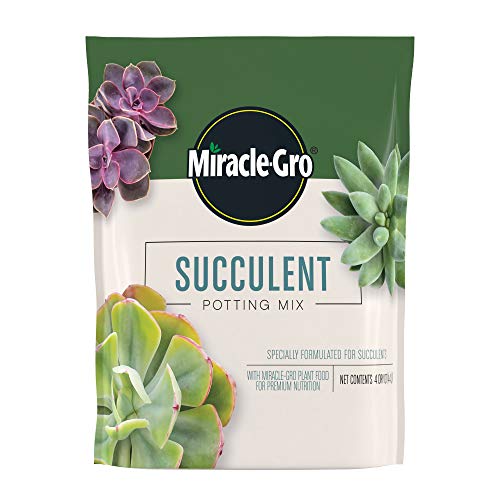
Miracle-Gro Succulent Potting Mix 4 qt

Miracle-Gro Cactus Palm & Citrus Mix 8 qt
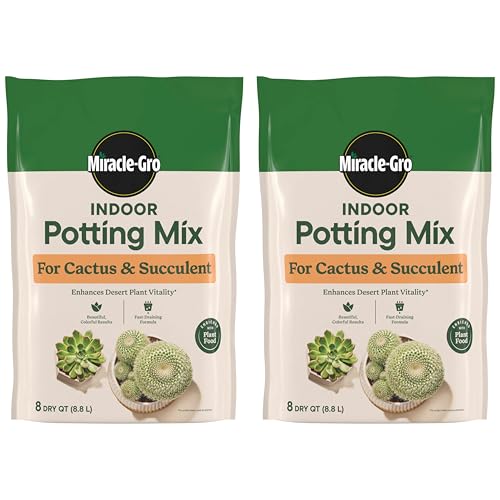
Miracle-Gro Indoor Cactus & Succulent 2-Pack
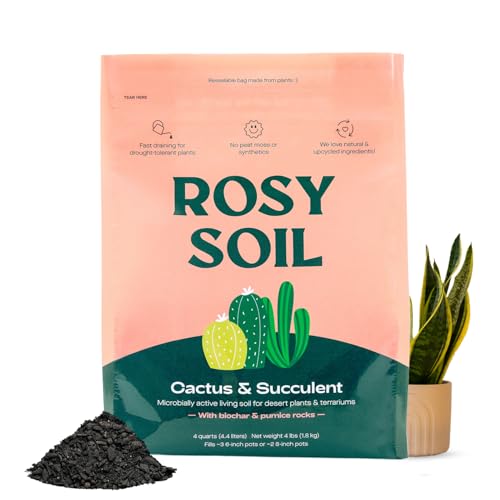
Rosy Soil Cactus & Succulent Mix 4 qt

Biotolot Chunky Perlite 3 Quarts 1/4 inch
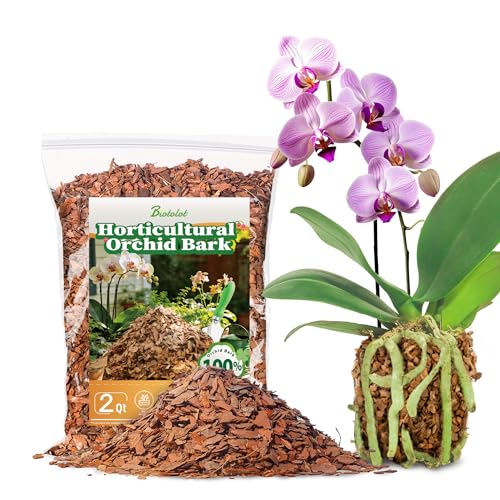
Biotolot Orchid Bark 2 qt Horticultural

Biotolot Bonsai Soil 2QT Organic Mix
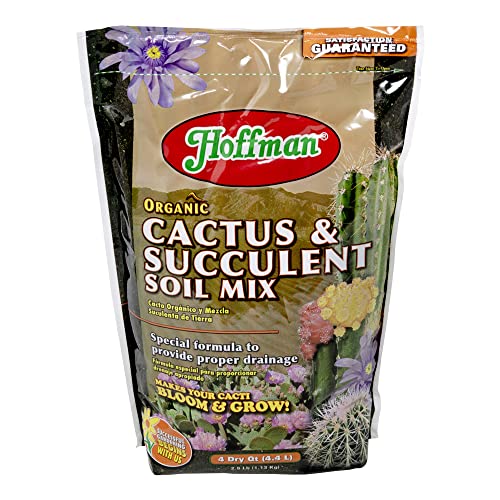
Hoffman 10404 Cactus & Succulent Mix 4 qt
A Breakdown Of The Leading Choices
Schlumbergera cacti evolved clinging to tree limbs in Brazilian cloud forests, which is why so many commercial mixes smother them. Dalton’s Orchiata bark offers a single-component solution that mirrors that natural habitat almost exactly. A one-gallon bag goes a long way, filling several small holiday cactus pots, and the small-grade pieces create airy pockets that roots colonize quickly.
You’ll want to pair this bark with a small amount of perlite or charcoal for moisture buffering, but on its own it already drains far faster than any peat-heavy blend. Indoor gardeners repotting a single Thanksgiving cactus every two or three years get the cleanest experience here.
Real-World Strengths
- Made from 100% pure New Zealand Pinus radiata bark, a hard, stable species that resists the rapid breakdown common in cheaper pine bark products.
- Long-lasting structure means repotting intervals stretch to two or three years for most holiday cacti, reducing root disturbance during bloom.
- Specialty orchid-grade sourcing translates directly to epiphytic cacti, since both plant groups thrive on chunky, well-aerated media.
- One-gallon volume suits growers repotting multiple holiday cacti or refreshing the top dressing of a large specimen.
Worth Noting
- Pure bark holds almost no nutrients on its own, so a diluted balanced fertilizer becomes essential during the spring and summer growing months.
- Without added moisture-retaining components, you may find yourself watering slightly more often in dry indoor air.
At A Glance
Whose Shelf It Belongs On
Collectors with a windowsill of holiday cacti who want an epiphyte-faithful medium and don’t mind mixing in their own perlite or charcoal.
Look Elsewhere When
The Miracle-Gro Cactus Palm & Citrus Mix suits you better if you prefer a pre-blended, fertilizer-enriched bag that needs zero customization.
Lithops and holiday cacti look nothing alike, yet both punish owners who water too generously. The Micro Landscape Design lithops blend leans hard into that dryness, with a coarse texture designed to shed moisture within hours of watering. The 3-pound bag covers roughly 2 quarts, enough to repot a small Thanksgiving cactus with leftovers for a backup succulent.
The included mini live lithops turns the package into a two-in-one starter, useful for anyone building a low-water windowsill collection. Just remember that this blend runs drier than most generic cactus mixes, so watering frequency drops noticeably.
What Pays Off
- Specifically formulated for plants that store water in their leaves, which translates cleanly to the dry side of Schlumbergera care.
- Coarse texture keeps root rot at bay for growers living in humid climates or overwatered households.
- Bonus mini lithops adds a trial plant for anyone curious about a stone-like succulent.
Trade Offs
- Designed around lithops watering needs, so holiday cacti in active growth may dry out faster than expected.
- The bonus plant ships live and small, which adds a layer of unpredictability to packaging and arrival condition.
Best Suited To
Collectors who treat their Thanksgiving cactus like a succulent, watering only when the medium is fully dry and the pot feels lightweight.
Reach For A Different Pick When
The Miracle-Gro Succulent Potting Mix suits you better if you want a mainstream, easy-to-find option stocked at most garden centers.
Miracle-Gro’s 4-quart succulent blend is the substrate most people grab on autopilot, and for a casual Thanksgiving cactus owner that’s not a bad instinct. The bag fits comfortably on a shelf, pours cleanly into a small pot, and fills an 8-inch container without much leftover. Beginners get a low-stakes entry into holiday cactus care without sourcing specialty media.
Compared to the chunkier Orchiata bark in this list, this mix retains more moisture, so indoor growers in dry climates may find watering frequency drops by a day or two. It’s a forgiving, mainstream pick for anyone repotting on a Saturday morning without prior research.
What It Does Well
- Pre-blended with sphagnum peat, perlite, and a starter fertilizer charge, so the bag works straight from the store.
- Wide retail availability makes it easy to replace a depleted bag without specialty sourcing or shipping delays.
- Succulent-targeted drainage profile still beats generic houseplant soil for holiday cacti in most homes.
Points To Note
- Retains more moisture than the Orchiata bark earlier in this list, so adjusting your watering schedule matters in humid rooms.
- Commonly reported complaints include occasional fungus gnats in homes with consistently damp soil.
Feature Snapshot
Perfect Match For
First-time Thanksgiving cactus owners who want a reliable, store-bought medium that doesn’t require customization.
A Better Fit Elsewhere
The Biotolot Chunky Perlite suits you better if you plan to cut moisture retention by mixing in extra drainage material.
The 8-quart Cactus, Palm & Citrus blend doubles down on volume, giving room to repot a small jungle of holiday cacti in one sitting. A fast-draining formula combines forest products, sphagnum peat moss, sand, and perlite, which translates to a heavier, grittier feel than the 4-quart succulent option above. The added plant food charge trims a step off your fertilizing calendar.
For anyone balancing a collection of holiday cacti, Christmas cacti, and Easter cacti on the same shelf, this bag covers all three without buying separate products. The trade-off shows up in storage: 8 quarts of damp medium needs a sealed bin to keep it from drying out or attracting pests.
Useful Strengths
- Larger bag reduces the per-quart cost compared to the smaller Miracle-Gro succulent option, depending on current listings.
- Fast-draining formula with sand and perlite suits the dry-side watering preferences of jungle cacti.
- Enriched with plant food at the bag stage, so light feeding schedules suit most beginners.
A Few Limitations
- Heavier texture means it compacts more over time than the chunkier Orchiata bark earlier in this list.
- Once opened, the larger bag needs an airtight container to keep gnats and moisture changes out.
Right Fit For
Multi-plant households with several holiday cacti and other succulents who want one bag to cover a variety of watering needs.
Swap It Out When
The Biotolot Orchid Bark suits you better if you want to build a custom bark-heavy blend from scratch.
Two 8-quart bags stack up to a serious stockpile, the kind of volume hobbyists with greenhouse shelves reach for. The indoor formulation leans into plant food enrichment and fast drainage, mirroring the single 8-quart version above while doubling your working supply. Repotting an entire windowsill rotation in a single weekend becomes realistic.
That said, opening both bags at once exposes a lot of medium to open air, so transferring the unused portion into sealed bins preserves freshness and deters fungus gnats. Anyone storing the bag for more than a few months benefits from this habit.
Noteworthy Benefits
- Doubled volume cuts repacking trips and lets you stage multiple repots in a single session.
- Enriched plant food blend supports several months of growth without supplemental feeding.
- Two-pack pricing typically undercuts buying two single bags separately.
Honest Caveats
- Two opened bags release more moisture to the air and invite pests if not resealed promptly.
- Bags take up significant closet or garage space in homes without a dedicated potting bench.
Made For
Greenhouse growers, plant swap organizers, and committed collectors with more than a handful of holiday cacti to maintain.
Skip It When
The Hoffman 10404 Organic Cactus Mix suits you better if you want a single, smaller bag from a brand known for decades of cactus-specific blends.
Rosy Soil markets itself as living soil, leaning into beneficial fungi, microorganisms, and worm castings rather than relying solely on peat and perlite. The chunky texture resists compaction better than finer commercial blends, which matters for holiday cacti whose fine roots suffocate in dense, slow-draining mixes. Four quarts covers a single large repot with extra for a backup.
Compared to the Miracle-Gro options earlier, this blend trades sterile consistency for biological activity. Indoor gardeners used to synthetic feeding may need a season to appreciate the slower, microbe-driven nutrient release.
Standout Benefits
- Microbe and worm casting content supports a slow-release nutrient profile that organic-leaning growers prefer.
- Chunky texture keeps the medium loose for years, reducing the compaction problems common in cheaper bagged mixes.
- Drains quickly while holding just enough moisture for the brief dry-down period holiday cacti prefer.
Soft Spots
- Organic content introduces a faint earthy aroma that some indoor growers find noticeable for the first few waterings.
- Living components may attract curious pets or small children who dig in potted plants.
Who Will Love This
Organic-leaning indoor gardeners who want biological activity in the root zone rather than inert mineral blends.
Another Choice May Suit
The Miracle-Gro Succulent Potting Mix suits you better if you prefer a sterile, fast-draining medium with no organic matter breaking down inside.
Perlite, a heat-expanded volcanic glass that holds air pockets in soil, is the secret weapon behind most “fast-draining” claims on bagged cactus mixes. Biotolot’s chunky 1/4-inch grade adds visible structure rather than disappearing into the background, which matters for epiphytic roots that need genuine air gaps. Three quarts goes a long way when you’re cutting it into pre-bagged mixes at a one-to-three ratio.
This isn’t a standalone substrate, so it pairs with the Orchiata bark or the Miracle-Gro cactus mix above rather than replacing them. Tinkerers who already keep a shelf of amendments appreciate the consistency this brand delivers.
Features That Help
- 1/4-inch particle size creates visible air channels that peat-heavy blends simply cannot match.
- pH-neutral composition won’t shift your watering chemistry or interfere with fertilizer uptake.
- Lightweight bag ships cheaply and stores compactly in a closet or under a potting bench.
- Stable structure resists the crushing that finer perlite suffers under repeated watering cycles.
Possible Compromises
- White particles float to the surface during watering, which can look untidy in display pots.
- Dust at the bottom of the bag requires a damp pour or sifting before mixing into finer media.
Quick Facts
Who It Suits Best
Tinkerers who already keep a few amendments on hand and want to fine-tune the drainage of a pre-bagged mix.
Not Your Match When
The Hoffman 10404 Organic Cactus Mix suits you better if you want a complete, ready-to-pour product with no mixing required.
Pine bark is the bedrock of most orchid and epiphytic cactus mixes, and Biotolot’s 2-quart bag delivers horticultural-grade chunks at a fraction of the price of premium imported brands. The roughly 1/2-inch screening creates generous air gaps, which directly translates to the dry-feet conditions Thanksgiving cacti demand. Two quarts covers a single small to medium repot with a little left over for topping up.
The trade-off shows up in longevity: pine bark from warmer climates tends to break down faster than the New Zealand Pinus radiata in the Orchiata bag earlier in this list. Repotting intervals may shorten to every year or two rather than three.
Points In Its Favor
- Affordable entry point for anyone experimenting with bark-based holiday cactus mixes for the first time.
- Horticultural-grade screening means fewer dust fines choking drainage holes and root tips.
- Voids between chunks deliver the airflow jungle cacti require to avoid stem rot during dormancy.
Where It May Fall Short
- Pine bark breaks down faster than the Orchiata bark earlier in this list, so plan to repot more often.
- Smaller 2-quart bag means you’ll need additional bags for collections with multiple large specimens.
Built With In Mind
DIY mixers cutting their own custom blend who want an affordable bark component without committing to premium pricing.
Where A Sibling Pick Shines
The Dalton’s Orchiata Bark Small suits you better if you want longer-lasting structure and don’t mind paying more per quart.
Bonsai and holiday cacti sit on opposite ends of the houseplant world, yet both punish owners who let the root zone stay soggy. Biotolot’s bonsai blend borrows that discipline, mixing pine bark with black and red volcanic rock, green zeolite, and perlite. Two quarts is a small bag, but the mineral load means a little stretches across several small pots.
Volcanic rock helps with pH balance, while zeolite, a porous mineral that traps and slowly releases nutrients, contributes a slow-release nutrient buffer that pure bark cannot match. Indoor growers chasing that “mineral-heavy, dry-down fast” profile without buying four separate amendments land here.
Why It Works Well
- Multi-mineral composition delivers drainage and pH buffering from a single bag.
- All-natural sourcing aligns with organic-preferred growers who avoid synthetic wetting agents.
- Ready to use straight from the bag, no soaking or pre-rinsing required.
Some Limits To Know
- Mineral-heavy blend weighs noticeably more than bark or peat-based options in larger pots.
- Smaller 2-quart bag requires topping up for anyone repotting multiple mature holiday cacti.
The Right Fit
Mineral-focused growers who want pH buffering and rapid dry-down without blending separate amendments.
Consider Something Else When
The Miracle-Gro Succulent Potting Mix suits you better if you want a lighter-weight medium and easier bag handling.
Hoffman has been pouring cactus mix into familiar brown bags for decades, and the 10404 blend remains a comfort pick for many indoor growers. The pH-balanced formula targets both jungle and desert cacti, which matters because Thanksgiving cacti sit between those two worlds in their moisture needs. Four quarts covers a single medium-sized repot or two smaller ones.
For a first-time owner who inherited a holiday cactus from a relative and wants the path of least resistance, this bag is genuinely hard to beat. It pours clean, drains well, and requires no special sourcing.
The Practical Payoff
- pH-balanced formulation protects roots from the gradual acidification that peat-heavy blends cause over months.
- Time-tested blend has decades of grower feedback behind it, reducing the guesswork for first-time owners.
- Ready to use straight from the bag with no rinsing, soaking, or sifting required.
- Encourages both bloom development and root growth during the active spring and summer months.
Things To Weigh
- Standard 4-quart bag fills just one medium pot, so collections need multiple bags or larger sizes.
- Less chunky than the Orchiata bark earlier in this list, so supplementing with extra perlite helps in humid rooms.
Quick Technical Notes
Who Should Grab It
First-time holiday cactus owners who want a long-trusted, mainstream bag with no learning curve.
Not Your Match When
The Dalton’s Orchiata Bark suits you better if you want epiphyte-grade bark structure and longer intervals between repots.
Picking The Right Mix For Your Holiday Cactus
A Thanksgiving cactus is technically an epiphyte, a plant that grows on other plants rather than in soil, so its roots evolved to cling to bark in Brazilian cloud forests. That single fact shapes every decision below: drainage matters more than nutrient density, airflow beats water retention, and a pot with drainage holes is non-negotiable. Thanksgiving cacti also tolerate more moisture than desert cacti, so going completely dry with a pure mineral mix often starves the plant during active growth.
Watering rhythm is the practical lever you actually control. Most growers find a “soak when the top inch feels dry” routine works well in spring and summer, tapering to almost-dry conditions in fall to trigger bud set for the November bloom. The wrong mix hides that signal by staying wet below the surface even when the top looks dry.
Container material quietly shapes outcomes too. Terracotta breathes and pulls moisture outward, which speeds dry-down and forgives a richer mix. Glazed ceramic or plastic holds moisture longer, which means an already-damp mix needs extra perlite or bark to compensate. Pairing the substrate with the right container matters more than people expect.
Humidity in your home is the final variable. Dry winter air from a furnace or wood stove lets you get away with richer mixes, while a bathroom-adjacent windowsill or a humidifier-heavy room demands the chunkiest, fastest-draining option on the shelf. Match your environment, then match the bag.
What Matters Most Before Choosing
Pitfalls Shoppers Hit
Repotting a holiday cactus into standard houseplant or garden soil is the single most common mistake. Those mixes hold water like a sponge, and the fine roots suffocate within weeks, showing up as limp segments that never recover even after you stop watering. Always reach for a cactus, succulent, or orchid-labeled blend instead.
Choosing a pot without drainage holes is the runner-up error. Even the best mix cannot save a root zone sitting in standing water, and the symptom looks confusingly similar to underwatering because both produce wrinkled, soft segments. Drill a hole, add a layer of mesh over it, or transplant into a nursery pot that drops into a decorative cachepot.
Fertilizing a freshly repotted Thanksgiving cactus too soon is a quieter mistake. New mix often contains starter nutrients, so adding liquid fertilizer on top risks burning tender new root tips. Wait four to six weeks before resuming your normal feeding schedule.
Where The Extra Money Goes
Premium bark from species like New Zealand Pinus radiata costs more because the source tree is genuinely harder and slower to break down than typical pine bark. That longevity translates to fewer repots, less root disturbance during bloom cycles, and steadier airflow in the pot over years rather than months. Higher-tier mineral blends like zeolite and pumice bring pH buffering and moisture regulation that cheaper perlite-only mixes cannot match, which matters for growers in regions with aggressive tap water. The honest read is that beginners rarely need the premium tier, but anyone keeping a collection of mature holiday cacti for five or more years starts to feel the difference.
Frequently Asked Questions
Do Thanksgiving cacti need special soil?
Yes. Holiday cacti evolved as epiphytes in Brazilian cloud forests, so they need a chunky, fast-draining mix that mimics tree-bark habitats rather than standard garden soil. A cactus, succulent, or orchid blend works well, and adding perlite or orchid bark improves airflow around the roots.
Can I use regular potting soil for a Thanksgiving cactus?
Regular potting soil holds too much moisture for these plants and usually leads to root rot within weeks. Mixing it with perlite or coarse sand at a one-to-one ratio creates a passable substitute, though a dedicated cactus blend saves the guesswork.
How often should I repot my Thanksgiving cactus?
Repotting every two to three years keeps the medium fresh and prevents the compaction that chokes fine roots. The best timing is right after the bloom cycle ends in late winter or early spring, when the plant is entering active growth.
Is Miracle-Gro cactus mix safe for Thanksgiving cacti?
Yes, the Miracle-Gro Cactus, Palm & Citrus and Succulent blends both drain well enough for holiday cacti. Adjust your watering frequency downward if your home runs humid, since these mixes retain slightly more moisture than pure bark alternatives.
Should I add perlite to cactus mix for a Thanksgiving cactus?
Adding perlite helps in humid homes, dense mixes, or glazed pots that hold moisture longer. A one-to-three ratio of perlite to existing mix is a common starting point, and the chunky 1/4-inch grade creates more visible air pockets than finer particles.
Closing Remarks
The substrate you choose sets the ceiling for how well your Thanksgiving cactus blooms each November, even if you water perfectly. Match the mix to your humidity, container, and watering habits rather than grabbing whichever bag sits closest at the store, and your holiday cactus rewards you with reliable color year after year.
