

Potted trees live in a small, sealed world, so the soil you pour into that container decides almost everything: how thirsty the roots stay, whether air reaches them, and how the trunk holds up through the seasons. Gardeners with patios, balconies, and indoor fiddle-leaf figs all run into the same wall at some point. Standard backyard dirt compacts fast, holds too much water, and starves roots of oxygen. The picks below cover full ready-to-use mixes, gritty bonsai blends, and amendments you can stir into whatever you already have on hand, so you can match the medium to the species in your container.
The Leading Options At A Glance

Myco Bliss Powder 200g Mycorrhizal Inoculant

FoxFarm Ocean Forest Potting Soil 1.5 cu ft
Bonsai Jack Universal Organic Bonsai Soil Mix #221, 2 Gallons

Char Bliss 8 Qts Organic Biochar Soil Amendment

Biotolot 3 Quarts Chunky Perlite 1/4 inch
Biotolot 2qt Orchid Bark Horticultural Grade

Myco Bliss Powder 1lb Mycorrhizal Inoculant

Biotolot Bonsai Soil 2QT Organic Mix

NOHOBE 2.5lb Hard Akadama Bonsai Soil 1/8-1/4 inch
A Breakdown Of The Leading Choices
This small jar is built for gardeners who already have a soil they like and want to upgrade what the roots can actually pull from it. Mycorrhizal fungi (root-friendly microbes that form a partnership with roots, extending their reach) colonize the root zone and trade moisture and nutrients for sugars. In containers, that relationship matters more than in open ground, since the root system is walled in and limited.
The 200-gram size suits someone tending a handful of medium patio trees, or a single large specimen that’s being repotted this season. You’ll want to dust it onto roots at planting or sprinkle a little into the planting hole, so it’s an add-on rather than a stand-alone medium.
Where It Excels
- Five fungal strains broaden compatibility across most deciduous and evergreen species.
- High propagule count (active fungal spores per gram) means a small dose still seeds the root zone well.
- Easy to apply at seeding or transplant without changing your existing mix.
- Compact jar stores neatly on a potting bench without taking up shelf space.
Honest Caveats
- Not a complete growing medium on its own, so you’ll still need a base soil or amendment.
- Potency can fade once the jar is opened, so plan to use it within a season or two.
Who It Suits Best
Patience owners repotting one or two established potted trees who want to deepen root efficiency without reworking their entire mix.
Consider Something Else When
If you want a single bag that handles every tree you own, FoxFarm Ocean Forest Potting Soil is the more self-contained option.
FoxFarm’s Ocean Forest is the bag most beginners reach for, and it earns that reputation with a rich, dark, ready-to-use blend that works the moment you cut it open. The texture stays light enough for tender roots to push through, yet heavy enough to anchor a small patio tree against summer wind without tipping.
It’s a strong fit for figs, citrus in moderate climates, dwarf fruit trees, and most ornamentals in big containers. Compared to the leaner bonsai blends coming later, this one leans toward moisture and nutrient retention rather than sharp drainage.
Positive Takeaways
- Ready to use straight from the bag, no mixing or sifting required.
- Light and aerated texture resists compaction over a long growing season.
- Designed for all container plants, so one bag covers several species on your patio.
Trade-Offs To Consider
- Retains more moisture than gritty mixes, so moisture-sensitive trees like desert citrus may sulk in it.
- The 1.5 cubic foot bag is bulky, so storage under a small potting bench gets tight.
- Higher organic content can invite fungus gnats indoors if the surface stays damp.
Right Fit For
Everyday gardeners repotting figs, citrus, and other moisture-tolerant patio trees who want one bag to cover most needs.
Look Elsewhere When
Bonsai Jack Universal Organic Bonsai Soil Mix #221 is the better call for true bonsai and conifers that need faster drainage.
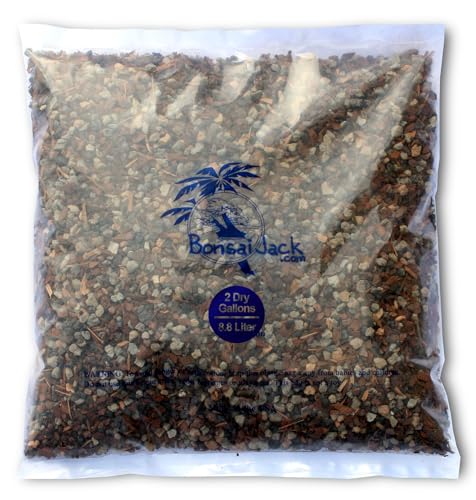
Bonsai Jack built this mix for the species that punish soggy roots, and it shows in the gritty, almost gravel-like texture. The blend comes pre-screened and pre-washed, so dust and fines have already been removed, which is exactly what bonsai and conifers want in a container. In practical terms, that means water runs through fast and air pockets stay open around the roots.
The two-gallon volume suits someone repotting one or two medium trees, or topping up several smaller pots. Most users find the mix forgiving even if their watering routine is a little off, since it doesn’t stay waterlogged the way richer blends can.
Features That Help
- Pre-screened and pre-washed, so there’s no dusty slump at the bottom of the pot.
- Tuned to a pH around 6.4, comfortable for most tropical and temperate bonsai.
- Available in sizes from 2 quarts up to 28 gallons if your collection keeps growing.
- Fast drainage cuts the risk of root rot in shallow bonsai containers.
Softer Spots
- Drains so freely that daily watering becomes routine in summer heat.
- Two gallons covers only a couple of medium repots, so larger projects need multiple bags.
Built With In Mind
Mid-level hobbyists with bonsai, junipers, and pines who want a forgiving mix that won’t punish small watering mistakes.
Swap It Out When
Container citrus or tropical figs will settle in faster in FoxFarm Ocean Forest Potting Soil, which keeps more moisture around the roots.
Quick Facts
Biochar is a stable form of charcoal made from plant material, designed to be mixed into soil rather than used alone. Char Bliss delivers an OMRI-listed (a third-party certification accepted for organic growing practices) bag aimed at improving long-term soil structure. The 8-quart volume is generous enough to refresh several medium pots or treat one large raised bed.
It’s best understood as a slow-acting conditioner rather than a quick fix. Gardeners who struggle with compacted, lifeless potting soil often notice better moisture retention and a softer feel within a season of regular use.
Where It Delivers
- OMRI-listed for organic gardening, so it fits strict organic programs.
- Holds nutrients and water in the root zone where trees can reach them.
- Stable structure that resists breaking down, so benefits carry across multiple seasons.
- Sourced from ethically harvested wood and tree trimmings.
Points To Note
- It must be mixed into a base soil, since pure biochar holds too little on its own.
- Visible dust can kick up when pouring, so a quick water mist helps during mixing.
Whose Shelf It Belongs On
Organic-minded growers maintaining mature potted trees who want to stretch the life of an existing mix.
A Better Fit Elsewhere
For a single ready-to-use bag, FoxFarm Ocean Forest Potting Soil is more straightforward than blending biochar into a base medium.
Perlite is the popcorn-light volcanic glass that gardeners stir into mixes to open up air pockets, and Biotolot’s chunky 1/4-inch grade is calibrated for that job. The larger particle size means it holds its shape longer in containers, so drainage stays sharp through months of watering cycles. In pots, that’s the difference between roots that breathe and roots that rot.
It’s purely an amendment, so you’ll combine it with a base soil or one of the blends in this list. The 3-quart bag is plenty for a few medium repots or several small ones.
Practical Advantages
- pH-neutral particles keep the mix’s chemistry steady.
- Stable, crush-resistant structure holds air pockets over many seasons.
- Reduces waterlogging risk in containers with limited drainage holes.
Small Caveats
- The light weight lets it float to the top during heavy overhead watering.
- Dust during pouring calls for a mask or a quick outdoor mix.
The Right Fit
Succulent, orchid, and tropical tree growers who need to break up a heavy or compacted potting mix.
Another Choice May Suit
For a ready-to-use gritty blend that already includes drainage elements, Bonsai Jack Universal Organic Bonsai Soil Mix #221 saves the mixing step.
Feature Snapshot
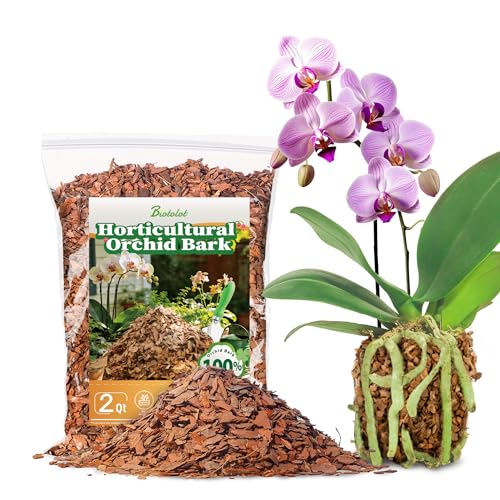
Orchids and other epiphytes (plants that naturally perch on trees rather than rooting in soil) hate dense, soggy media, and pine bark has long been the go-to for that reason. Biotolot screens this bark to roughly 1/2 inch, which keeps the chunky texture intact and the air gaps wide open between pieces. In a tight pot, that airflow is the lifeline the roots lean on.
It’s a true specialist product: not a stand-alone medium for a fig or citrus, but a foundation for orchid mixes and for tropical tree species that prefer a bark-heavy blend. Two quarts is a starter size that works for a couple of small repots.
Strong Points
- Screened to a consistent 1/2-inch size for predictable drainage.
- Free of dyes and impurities, so nothing leaches into the root zone.
- Porous bark holds moisture at the surface where aerial roots can grab it.
Less Ideal Details
- Breaks down faster than mineral amendments, so repotting cycles shorten.
- Limited volume means it suits smaller orchids rather than tree-sized pots.
Made For
Orchid growers and collectors of small epiphytic trees who want a clean, screened bark base for their custom mix.
Where A Sibling Pick Shines
Bonsai Jack Universal Organic Bonsai Soil Mix #221 gives a more complete, ready-to-pour blend for larger container trees.
This is the same five-strain fungal blend as the smaller jar, scaled up into a 1-pound canister built for bigger collections. Anyone running a small nursery of patio trees, or repotting several large specimens in a single season, will appreciate not running out mid-project. The propagule count is identical, so each dose seeds the root zone just as thoroughly.
The trade-off is shelf life, so this format suits active gardeners rather than occasional tinkering. Where the 200-gram jar works for a couple of medium pots, this 1-pound tin handles dozens.
Notable Gains
- Larger canister spreads the cost per dose over more trees.
- Same five-strain formula as the smaller jar for consistent results.
- Works across potting mixes and garden beds, not just one type of project.
Things To Weigh Up
- Bulk size only makes sense for gardeners with many trees to inoculate.
- Like the smaller jar, potency fades once opened, so plan to use it within a season or two.
Best Suited To
Active gardeners with multiple patio trees or a small backyard nursery who inoculate regularly through the growing season.
Reach For A Different Pick When
For a single small patio tree, the Myco Bliss Powder 200g Mycorrhizal Inoculant is a saner size that won’t sit half-used on the shelf.
Biotolot’s bonsai mix pulls together five natural components: pine bark, black volcanic rock, red volcanic rock, green zeolite, and perlite. Each plays a role. Bark brings organic matter, the volcanic rocks give weight and drainage, zeolite holds nutrients and moisture, and perlite keeps the texture loose. The blend comes ready to use, so beginners don’t have to source each piece separately.
The 2-quart volume suits a single starter bonsai or a couple of small pots on a windowsill. Gardeners with larger trees will burn through it quickly and may want to mix their own from bulk components later on.
Why It Works Well
- Five-component blend handles drainage, weight, and nutrient hold in one bag.
- 100% natural materials appeal to organic-leaning gardeners.
- Ready to pour from the bag, no sifting or measuring needed.
Factors To Consider
- 2 quarts covers a small bonsai, but large repot projects will need multiple bags.
- Component variety means individual pieces may separate during shipping, so give the bag a stir before use.
Who Should Grab It
First-time bonsai owners who want a balanced, ready-to-use blend without buying each ingredient separately.
Skip It When
For a more thoroughly screened and washed bonsai medium, Bonsai Jack Universal Organic Bonsai Soil Mix #221 is the more refined option.
Akadama is a Japanese clay-like granule prized in bonsai circles for its ability to hold moisture while still draining well. NOHOBE’s hard grade resists breaking down longer than softer akadamas, so the structure holds across multiple seasons. The 1/8 to 1/4-inch grain suits smaller bonsai and succulents, where finer particles stay in place around delicate roots.
The visual cue is genuinely useful for newcomers: the grains darken as they absorb water and lighten again as they dry, so you can read moisture levels at a glance. It’s an amendment or a base component, and you’ll often see it blended with pumice or lava.
Advantages To Know
- Color shift tells you when to water without sticking a finger in the soil.
- Hard-fired grade resists powdering, so drainage stays consistent over time.
- Holds moisture in the root zone without waterlogging delicate roots.
- Small grain size fits shallow bonsai and cactus pots without gaps.
Possible Compromises
- Often used alongside pumice or lava for a complete mix, so this is rarely the only bag you’ll buy.
- Hard-fired grains can be dustier than expected when dry, so a quick rinse before use helps.
Perfect Match For
Bonsai hobbyists and succulent growers who want a moisture-responsive medium that doubles as a watering indicator.
Where Another Pick Suits Better
For a one-bag, ready-to-pour bonsai option, Biotolot Bonsai Soil 2QT Organic Mix handles the blending step for you.
Picking The Right Mix For Your Container Trees
A potted tree has nowhere to send roots when conditions turn sour, so the growing medium matters more than it does in open ground. Drainage leads the list. Most container failures trace back to water sitting in the lower half of the pot, suffocating roots and inviting rot. A loose, gritty texture with visible pore space gives roots the oxygen they need between waterings.
Match The Mix To The Species
Trees fall into rough moisture camps. Citrus, figs, and many flowering ornamentals prefer steady moisture and tolerate richer blends. Bonsai, conifers, and most succulents want sharp drainage and tolerate, even prefer, drier cycles between waterings. Buying a one-size-fits-all mix works for casual patios, but species-specific blends pay off once you commit to a tree for years.
Read Particle Size Before You Buy
A blend can look right on the label and still hold too much water if the particles are too small. Look for chunky pieces, visible grit, and minimal dust. Fines settle at the bottom of the pot and clog drainage holes, which is why pre-screened mixes like Bonsai Jack earn their reputation. Small grains suit shallow bonsai pots, while larger grains fit deeper containers.
Think About Long-Term Structure
Some organic components, like pine bark, break down within a year or two and need refreshing. Mineral components, like akadama or pumice, hold their shape far longer. For mature trees that hate root disturbance, leaning toward mineral-heavy blends extends the time between repots. Younger trees that need frequent root work actually benefit from organic components that turn over faster.
Common Pitfalls In Container Soil Choices
Traps First Timers Fall Into
The most common mistake is reaching for garden soil, which compacts fast in containers and drains poorly. Another is grabbing a moisture-rich “all-purpose” mix for a tree that wants drier conditions, then watching the roots slowly suffocate. Finally, skipping amendments when starting with a budget mix leaves you with a medium that flunks the drainage test within a season.
Where The Extra Money Goes
Premium blends charge more for screening, washing, and balanced particle sizing. That prep work means no dust to clog drainage and a consistent texture from bag to bag. For a single patio tree, a budget blend plus a bag of perlite can match the performance. For a serious bonsai or a long-lived specimen, the premium upgrade pays back in fewer repots and healthier roots.
Frequently Asked Questions
Do potted trees need special soil?
Yes. Standard garden soil compacts in containers and suffocates roots. A loose, well-draining mix with chunky particles keeps air and water moving through the root zone, which is what potted trees need to thrive long-term.
How often should I repot a tree in a pot?
Most container trees benefit from fresh soil every two to four years, depending on growth rate. Faster-growing species like figs may need annual refreshes, while slow bonsai can stretch to three or four years between repots when the mix holds its structure.
Can I mix different soils together?
Absolutely. Many experienced growers blend a moisture-retentive base with gritty amendments to dial in the exact texture they want. Combining FoxFarm Ocean Forest with perlite or akadama is a common way to balance richness and drainage for a specific species.
What’s the difference between potting soil and garden soil?
Potting soil is blended for containers, with lighter texture and better drainage. Garden soil is denser and depends on open ground biology, so it compacts in pots and starves roots of air. Always reach for potting mixes when planting in containers.
Is organic potting soil better for trees?
Not necessarily. Organic mixes retain more moisture and nutrients, which suits moisture-loving species. Mineral-heavy mixes drain faster and break down slower, which suits bonsai and conifers. The right choice depends on the tree, not on whether the bag says “organic”.
The Takeaway
Container trees live and die by their soil. Match the mix to the species, lean toward chunky textures for drainage, and don’t be afraid to blend amendments when the bag alone doesn’t quite fit. The picks above cover ready-to-use blends, gritty bonsai media, and mineral amendments, so you can build a setup that fits both your tree and your watering habits.
