

Picking the right growing medium sets the tone for everything your tulips do between now and bloom. Tulips reward sharp drainage, steady moisture, and a loose texture that lets roots push down without rotting, so the wrong bag of soil can flatten a season before it begins. The picks below cover patio pots, balcony planters, and full garden beds, with options for organic gardening, water-sensitive climates, and small-space setups.
Your Options, Compared
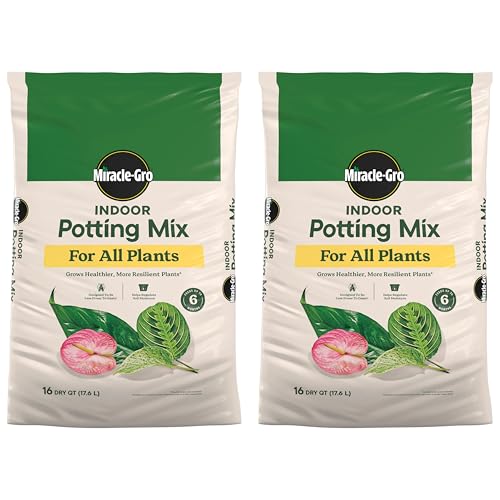
Miracle-Gro Indoor Potting Mix for All Plants 16 qt. 2-Pack

PlantBest Coco Mulch Compressed Block 9.1 lb

Miracle-Gro Moisture Control Potting Mix 8 qt. 2-Pack

Wonder Soil 30 Quarts Compressed Coco Coir 3-Pack
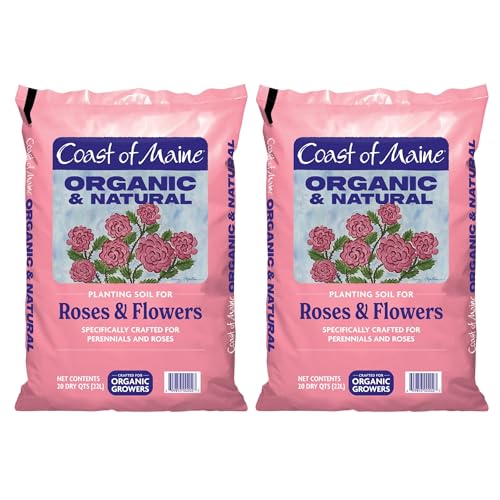
Coast of Maine Roses and Flowers 20 qt. Pack of 2

Miracle-Gro Indoor Potting Mix 6 qt.
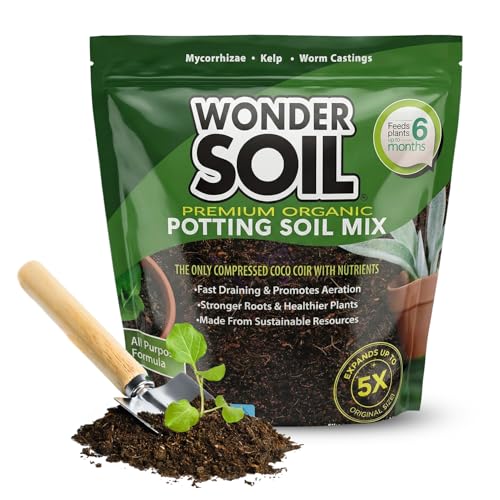
Wonder Soil 12 Quarts Coco Coir Bag

Wonder Soil 72 Quarts Coco Coir Block

PlantBest Coco Peat Garden Soil Potting Mix

PlantBest Coco Mulch Compressed Block 9.1 lb
A Closer Look At Each Pick
Two generous bags of Miracle-Gro’s indoor blend arrive ready to fill a patio container or a windowside planter without weighing the shelf down. The mix leans on sphagnum peat moss, coconut coir, and perlite to balance moisture against airflow, which matters for tulip bulbs that hate sitting in soggy soil over winter. Compared to the compressed coco blocks later in this list, this one is pre-mixed and open-and-pour, so first-time planters skip the hydration step.
The 16-quart twin pack comfortably covers a cluster of medium pots, and the perlite content keeps the texture loose enough for roots to drive deep. Indoor growers in apartments with limited storage may find two bags heavier to stash than a single compressed brick. You will likely want to add a slow-release bulb fertilizer if you plan to push tulips beyond a single season.
Everyday Wins
- Lightweight texture suits tulip root development in pots.
- Pre-mixed format removes the guesswork for new gardeners.
- Two-bag pack covers several patio containers without leftovers.
- Coir content helps soil rehydrate evenly after dry spells.
- Widely available formula with familiar brand support.
Things To Consider
- Two bags take up more shelf space than a single compressed brick.
- Hold moisture longer than pure grit mixes, so watch drainage holes.
Feature Snapshot
Right Fit For
Apartment growers forcing tulips in patio pots who want a pour-and-plant medium that does not require pre-soaking.
Swap It Out When
Large raised beds call for the Wonder Soil 72 Quarts Coco Coir Block, which expands into far more volume per pound.
A single compressed brick of coconut mulch that fluffs up to roughly 64 quarts of finished material, this PlantBest option trades the heavy bag for a tidy block that fits on a garage shelf. Tulip beds benefit from a top dressing of organic mulch that buffers soil temperature through late-winter freezes, and coconut coir breaks down slowly without matting. Compared with Miracle-Gro’s indoor mix above, this one focuses on surface protection rather than root-zone nutrition.
Add water and the brick loosens into ready-to-spread mulch in minutes, which speeds up the autumn mulching window when bulbs need covering fast. Coverage stretches to around 17 square feet at a thin layer, so a single block handles modest beds. Gardeners working on clay-heavy ground may need to layer this over a coarser amendment for the best drainage.
What Stands Out
- Compressed format saves storage and trips up and down stairs.
- Organic coconut composition appeals to chemical-free gardens.
- Expands quickly once water hits, speeding fall mulching day.
Trade Offs
- Functions as mulch, not as a full planting medium for new bulbs.
- Breaks down within a season and needs top-up the next year.
Who Should Grab It
Garden owners mulching established tulip beds who want an organic layer without wrestling 40-pound bags through the gate.
Look Elsewhere When
Backyard growers starting fresh tulip plantings in poor native soil will do better with Coast of Maine Roses and Flowers, which adds nutrition alongside structure.
Rain-soaked patios and forgetful waterers both stress tulip bulbs, and this moisture-control blend is built to absorb more water than basic potting soil. The AquaCoir Formula combines sphagnum peat moss, coir, and a wetting agent, then feeds plants for up to six months. Where the standard indoor mix earlier in this list drains fast, this one trades a little drainage for steady moisture, which suits bulbs in sunny exposed pots.
Two eight-quart bags cover a small grouping of window boxes or three or four medium containers, and the wetting agent helps dry mix rehydrate cleanly the first time you water. Tulips in regions with heavy spring rain may still want extra perlite worked through the bottom of the pot. Indoor gardeners in low-light rooms should pair this with a brighter window.
What Works In Its Favor
- Absorbs roughly a third more water than basic potting soil.
- Built-in feeding reduces the need for separate fertilizer schedules.
- Wetting agent prevents dry pockets in the pot after first watering.
Minor Gripes
- Retains moisture longer than grit-leaning mixes, less ideal for wet climates.
Best Suited To
Suburban gardeners in sunny spots whose tulip pots dry out fast between waterings during a warm spring.
Reach For A Different Pick When
Container tulips in shaded, damp balconies may stay too wet in Miracle-Gro Moisture Control Potting Mix, where PlantBest Coco Peat Garden Soil offers a lighter coir base.
Wonder Soil packs worm castings, mycorrhizae, and kelp into a brick that swells to 30 quarts once water hits, so the bag lands with nutrients already mixed in. Mycorrhizae are beneficial fungi that attach to roots and help bulbs pull in phosphorus, which tulips need for strong stems. Compared with the bare coir of the PlantBest block earlier, this one arrives pre-loaded for spring growth.
Three small bricks fit neatly on a potting bench and feed plants for up to four months, giving bulbs a head start on fall planting. Gardeners with very large plots may find the three-pack runs short and need the 72-quart version further down the list. The mix holds water well in the heat of late autumn when rain is irregular.
Positive Points
- Includes worm castings and mycorrhizae out of the bag.
- Expands tenfold, easing transport from car to garden.
- Sustains feeding for several months after planting.
- Peat-free choice suits sustainable gardening routines.
Worth Noting
- Smaller three-pack may not cover a full backyard tulip display.
- Compressed bricks need a bucket to hydrate cleanly without mess.
Quick Facts
Whose Shelf It Belongs On
Tulip enthusiasts who want biology built into the medium and like the idea of a tidy compressed format on the shelf.
A Better Fit Elsewhere
Gardeners who prefer compost-forward blends for in-ground tulip rows should look at Coast of Maine Roses and Flowers, which leans heavier on organic matter.
Coast of Maine leans on a compost blend designed for flowering perennials, which lines up well with tulips planted for repeat spring shows. The mix balances moisture retention against drainage and works in both raised beds and containers, so it adapts to a wide range of fall planting setups. Where Wonder Soil focuses on biological amendments, this one draws its strength from rich composted organics.
Two bags total 40 quarts, covering a modest bulb bed or a long row of planters with room to spare. Organic certification on the label supports gardeners avoiding synthetic inputs. Heavier bags mean a tougher carry from the driveway, so a wheelbarrow helps on delivery day.
Practical Advantages
- Compost-forward blend feeds tulips through the long winter chill.
- Equally at home in containers or in-ground beds.
- Listed for organic use, matching sustainable gardening goals.
Soft Spots
- Two-bag pack is heavier to haul than compressed bricks.
- Compost smell takes a few days to settle after opening.
Made For
Organic gardeners establishing a perennial tulip border who want a soil that doubles as a gentle fertilizer through fall root growth.
Skip It When
Container forcing on a small balcony may be over-served by Coast of Maine Roses and Flowers, where Miracle-Gro Indoor Potting Mix gives a lighter pour-and-go option.
Forced tulips in glass jars or small windowside pots benefit from a finer, indoor-tuned blend that does not invite fungus gnats. The absence of compost and bark here is the gnat-resistant move, while coconut coir holds and releases water so dry soil rehydrates evenly. Smaller-format growers who only need a single six-quart bag will appreciate the modest footprint.
This mix feeds for up to six months, meaning the pot can sit through the full forcing cycle without extra feeding. Compared with the 16-quart twin pack earlier, this one is sized for a single windowsill experiment rather than a patio overhaul. Tulips moved outdoors after bloom may still want a richer outdoor bed to recharge the bulb.
A Strong Showing
- Gnat-resistant formula suits indoor forcing on kitchen counters.
- Coir content helps soil rewet after dry spells indoors.
- Six-month feeding covers the full bloom and recovery cycle.
- Small bag fits inside a closet for seasonal storage.
Honest Caveats
- Limited volume makes it a poor match for large outdoor beds.
Feature Snapshot
Who It Suits Best
Beginners forcing tulips indoors in a single decorative pot who want a clean, low-mess medium with built-in feeding.
Where Another Pick Suits Better
Apartment growers with many windowsill pots may prefer the larger Miracle-Gro Indoor Potting Mix 16 qt. 2-Pack for fewer refills across the season.
Wonder Soil’s smallest offering arrives in a roughly three-pound bag that expands to twelve quarts of ready-to-plant medium, suiting tight storage spaces and small balconies. The same nutrient-loaded formula as the larger blocks shows up here, with worm castings, perlite, mycorrhizae, and kelp in the mix. Tulips in window boxes appreciate the loose texture and peat-free base.
You may find the smaller bag easier to hydrate in a single bucket than wrestling with multiple bricks at once. Gardeners scaling up to a full border will likely want the 72-quart version later in this list. Indoor air quality stays cleaner thanks to the all-natural, family-and-pet-safe ingredient list.
The Upside
- Small footprint bag fits inside a kitchen cabinet.
- Pre-amended with perlite for fast drainage in window boxes.
- Pet- and family-safe formula for households with curious critters.
Points To Note
- Limited volume may run short on larger balcony projects.
- Dry mix needs a soaking bucket before use.
Perfect Match For
Balcony gardeners with a few window boxes who want the same nutrient-loaded profile as the larger Wonder Soil bricks in a smaller package.
Not Your Match When
Tulip enthusiasts planting a long border should consider Wonder Soil 72 Quarts Coco Coir Block, which handles full-bed coverage in one block.
The largest Wonder Soil block swaps a single ten-pound brick for roughly 72 quarts of finished medium, making it the right scale for ambitious tulip plantings. Worm castings and mycorrhizae feed bulbs through the long winter rest, while the loose coir texture resists compaction in clay-heavy beds. For full-bulb-border projects, the per-quart math beats buying multiple smaller bags.
You will need a wheelbarrow or large tub to hydrate a block this size, so plan the workspace before opening. Compared with the moisture-control mix earlier, this one drains faster and leans drier, which suits regions with heavy autumn rain. Tulip growers in dry climates may need to monitor moisture through early establishment.
A Few Strong Suits
- Single block handles a substantial in-ground tulip display.
- Compressed format saves repeated trips with smaller bags.
- Loaded with amendments that feed bulbs over several months.
Small Caveats
- Needs a sizable tub or wheelbarrow for hydration.
- Drains faster than moisture-control blends, watch in dry climates.
Built With In Mind
Serious tulip gardeners planting long borders or community garden plots who want biology-rich medium in one tidy block.
Consider Something Else When
Smaller patio tulip setups suit Wonder Soil 12 Quarts Coco Coir Bag, which avoids the bulk-hydration step the big block demands.
PlantBest’s compressed coconut coir arrives triple-washed and low in salts, which addresses a common complaint about coir products. Salts can interfere with tulip root development, so the cleaning step here matters for spring bulbs. The eleven-pound block expands to roughly 79 quarts of finished mix, sizing up nicely for raised beds dedicated to tulips.
The peat-free profile fits gardens moving away from harvested peat bogs, and the bulk format eases delivery in a single box. Compared with the mulch-focused PlantBest block earlier, this one works as a full planting medium rather than just a top dressing. Indoor forcing is also possible when mixed with a little extra perlite for shallower pots.
Well-Handled Touches
- Triple-washed and low-salt content protects sensitive tulip roots.
- Peat-free base suits sustainability-minded gardens.
- Large expanded volume handles a full raised bed at once.
Some Limits To Know
- Single large block needs a sizeable container for hydration.
- Plain coir without added nutrients may need compost or fertilizer on poor sites.
Who Will Love This
Tulip growers building raised beds who want a clean, salt-free coir base that blends easily with compost for fall bulb planting.
Where A Sibling Pick Shines
Container-only gardeners may prefer PlantBest Coco Mulch Compressed Block, which focuses on mulching rather than bulk soil replacement.
This second PlantBest mulch block mirrors the earlier mulch entry but ships as the newer listing for gardeners comparing options side by side. Coconut coir holds temperature swings steady around tulip bulbs through late winter, then suppresses early-spring weeds as the shoots push through. The compressed 9.1-pound block expands to roughly 64 quarts, covering up to 17.5 square feet at a light spread.
A thin winter layer is enough, leaving room for shoots to emerge without struggle. The block format means storage in a closet or shed corner without the bulge of a 40-pound bag. Gardeners wanting a planting medium rather than a top layer should look back at the PlantBest Coco Peat Garden Soil for a fuller role.
Where It Excels
- Compressed block saves shelf space in a small garden shed.
- Provides insulating winter cover for newly planted tulip bulbs.
- Organic coconut composition fits chemical-free garden routines.
Areas To Watch
- Functions as mulch rather than a stand-alone planting medium.
The Right Fit
Tulip growers with established beds who want a tidy winter mulch that stores easily through the off-season.
Another Choice May Suit
New bulb plantings needing richer ground should pick PlantBest Coco Peat Garden Soil, which delivers a true growing medium instead of a surface layer.
Choosing The Right Growing Medium For Tulips
Tulips need a loose, well-drained medium with enough organic matter to feed a long fall root run. In pots, drainage rules everything, since bulbs sitting in waterlogged soil often rot before spring. In beds, organic content and biological life help bulbs store energy for the following year. Drainage matters more than nutrient density for fall-planted bulbs, and most successful growers lean toward mixes with perlite, coarse sand, or coconut coir for airflow. Peat-free options have grown popular as gardeners look for sustainable sources, and compressed coir blocks double as space-saving choices for small storage closets. A thin mulch layer over winter protects bulbs from extreme temperature swings and discourages early weeds once shoots break through.
Drainage And Texture
A gritty, airy texture lets tulip roots push down without resistance and keeps water moving away from the bulb base. Perlite is a white volcanic mineral added to mixes to lighten texture and improve drainage, and it shows up in several picks above. Coconut coir holds moisture without becoming waterlogged, which is why so many compressed bricks appear in this list. Gardeners working with native clay should amend with coarse material before planting.
Nutrition And Biological Life
Bulbs store their own energy, so heavy fertilization is less critical than for leafy annuals, but a medium with compost, worm castings, or mycorrhizae helps replenish the bulb after bloom. Mycorrhizae are beneficial fungi that form partnerships with roots, extending their reach into the soil. Mixes like Wonder Soil and Coast of Maine Roses and Flowers bring that biology built in. Soils lacking amendments benefit from a top dressing of compost or a slow-release bulb fertilizer at planting.
Format And Storage
Compressed blocks ship lighter than bagged mixes and expand on demand, which suits gardeners with limited storage. Pre-mixed bags save time and remove the hydration step for one-off plantings. Bigger blocks pay off per quart for full beds, while smaller bags fit a single windowsill experiment. Choosing the format that matches your project keeps setup tidy and avoids leftover material going stale.
Key Considerations Across These Picks
Mistakes Worth Dodging
Buying the cheapest bag without checking drainage is the fastest way to lose tulips to rot. A heavy, moisture-holding mix without perlite or coir holds water too long around bulbs. Skipping mulch in cold zones leaves bulbs exposed to freeze-thaw cycles that heave them out of the soil. Match the medium to your climate, and add perlite when in doubt.
When Paying More Pays Off
Premium mixes with compost, worm castings, or mycorrhizae bring biological life that plain coir does not. Coast of Maine Roses and Flowers and Wonder Soil blocks pay back the extra in bulb vigor across multiple seasons. Single-season pot plantings can survive on simpler mixes, but repeat-bloom gardens benefit from richer inputs. The upgrade shows up most clearly in second-year rebloom.
Frequently Asked Questions
What soil type do tulips grow best in?
Tulips grow best in loose, well-drained soil with a sandy or gritty texture and steady organic matter. Heavy clay that stays wet through winter is the most common cause of bulb rot.
Can tulips grow in regular potting soil?
Tulips can grow in regular potting soil when drainage holes are clear and the mix contains perlite or coarse material. Pure indoor mixes designed for tropical houseplants often stay too moist for tulips.
Is coconut coir a good medium for tulip bulbs?
Coconut coir works well for tulip bulbs because it drains freely while holding moisture, and it resists compaction around roots. Salt-cleaned coir is the safer choice, since untreated coir can carry salts that interfere with root growth.
Should I add fertilizer when planting tulips?
A light addition of compost or a slow-release bulb fertilizer at planting supports root development through fall. Heavy spring feeding matters more for reblooming varieties that return the next year.
How deep should tulip bulbs sit in the soil?
Tulip bulbs generally sit about three times as deep as the bulb height, which works out to roughly six to eight inches in most beds. Container plantings can use a slightly shallower depth if drainage is reliable.
The Takeaway
Tulips reward gardeners who match the medium to the planting site, from gritty patio pots to compost-rich in-ground borders. A loose, draining blend protects the bulb through winter, while organic amendments help it store energy for next season. Pick the format that suits your storage and project size, and your spring display will thank you.
