

Wildflowers thrive when their roots meet the right mix, but generic garden soil often compacts too tightly or drains too fast. For anyone starting a pollinator strip, cottage border, or container meadow, the growing medium sets the tone for everything from germination speed to long-term bloom strength.
This roundup covers nine well-matched growing mediums and two complementary wildflower seed mixes, selected to handle everything from tiny container sowings to full backyard meadow installations. Each pick earns its place for a specific reason, and the guide below breaks down the trade-offs so you can match the bag or block to your planting plan.
A Snapshot Of The Selections
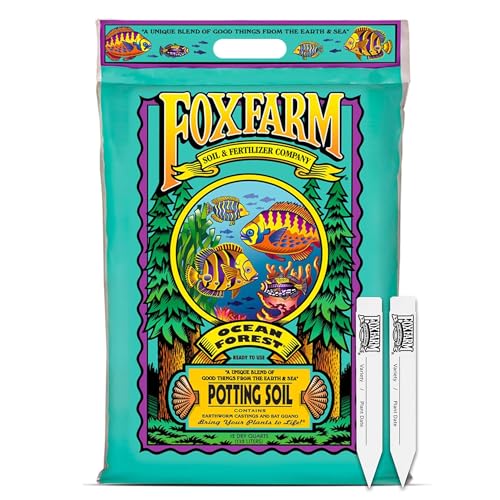
FoxFarm Ocean Forest Potting Soil with 2 Plant Tags, 12 Quarts

FoxFarm Ocean Forest Potting Soil, 1.5 cu ft

PlantBest Coco Mulch Compressed Block 9.1 lb

Miracle-Gro Potting Mix, 16 qt. (2-Pack)
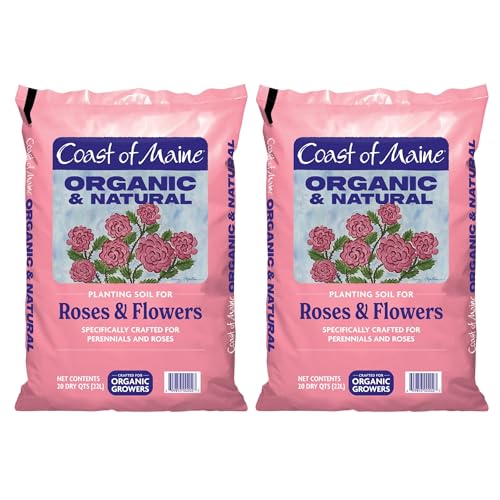
Coast of Maine Roses and Flowers, 20qt (Pack of 2)

PlantBest Coco Peat Garden Soil, Concentrated Peat-Free Potting Mix

PlantBest Coco Mulch Compressed Block 9.1 lb

Eden Brothers All Perennial Wildflower Seed Mix, 1/4 lb

Eden Brothers The Bees Knees Pollinator Wildflower Seed Mix, 1/4 lb
Why These Options Stand Out
First-time wildflower sowers often stumble on the same issue: a bag of soil that looks fine but behaves like wet concrete once watered. This 12-quart FoxFarm blend sidesteps that frustration by arriving already loose and airy, so seeds settle into a welcoming bed rather than a suffocating crust.
The lightweight texture comes from a mix of earthworm castings, fish meal, and crab meal, which together feed young roots without overwhelming them. For most small patio projects, this bag covers a handful of medium containers with room to spare, and the included plant tags help you track what you sowed and when. The trade-off is the smaller volume: serious bed plantings will burn through it fast.
Useful Strengths
- Pre-mixed texture removes guesswork for first-time gardeners
- Light, aerated structure resists compaction around delicate roots
- Included plant tags help label sowing dates and varieties
- Compact 12-quart bag fits easily in a car trunk or garden shed
Worth Noting
- Smaller volume means refilling mid-project for larger beds
- Some owners report the bag arrives with occasional dry clumps that need breaking up
Right Fit For
Container gardeners sowing their first wildflower variety and wanting a forgiving medium that requires no mixing.
Swap It Out When
You need more volume for a sprawling bed, in which case the larger FoxFarm Ocean Forest 1.5 cu ft bag offers the same blend in a higher quantity.
The bigger sibling to the 12-quart starter bag delivers the same trusted FoxFarm texture in a size that handles real projects. If your wildflower ambition extends past a pair of patio pots, this 1.5 cubic foot bag fills larger containers and raised beds without leaving you scrambling for a second bag mid-sow.
The blend includes earthworm castings, fish meal, and crab meal, which feed seedlings steadily during their most vulnerable stretch. Open the bag and you’ll notice the earthy, compost-like aroma that signals biologically active ingredients. One honest note: this bag is heavy, so plan a short trip from the doorstep to the planting spot.
Where It Excels
- Same proven FoxFarm blend scaled up for substantial plantings
- Pre-loosened texture saves the back-breaking work of breaking up compacted soil
- Nutrient-rich ingredients support seedlings through their first weeks
- Versatile for containers, raised beds, and window boxes
Small Caveats
- Heavier bag requires planning your carrying route
- Higher price per cubic foot than the small starter size
Feature Snapshot
Built With In Mind
Home gardeners tackling multi-container wildflower displays or filling a new raised bed in one session.
Reach For A Different Pick When
You want a longer-feeding blend, in which case the Miracle-Gro Potting Mix delivers a multi-month nutrient reserve.
Anyone who has wrestled a bulky mulch bag through a hardware store aisle knows the appeal of this compressed block. It weighs 9.1 pounds in its dehydrated state, yet expands to roughly 64 quarts once water hits it, covering around 17.5 square feet of garden surface.
The coconut coir base makes this a useful top-dressing for planted wildflower beds, where it helps lock in moisture and keeps weeds from gaining a foothold. You may find the hydration step messy in anything smaller than a wheelbarrow, and the resulting fluff takes up more space than the dry block suggests. Compared with FoxFarm’s blend, this product is a soil supplement rather than a planting medium on its own.
Positive Takeaways
- Compact dry format saves shelf space before use
- Expands dramatically with water, replacing multiple bulky bags
- Coir base retains moisture well in dry climates
- Covers up to 17.5 square feet for mulching beds
Things To Consider
- Hydration requires a large container to avoid overflow
- Functions as mulch rather than a primary planting medium
- Coir texture breaks down over a single season and needs refreshing
Whose Shelf It Belongs On
Wildflower gardeners maintaining established beds who need an organic mulch that stores easily between seasons.
Look Elsewhere When
You need a mix to actually germinate seeds in, where the PlantBest Coco Peat compressed block serves that role more directly.
Miracle-Gro’s two-pack delivers 32 quarts of potting mix sized for typical container gardening, and the brand’s signature slow-release feeding claims to nourish plants for up to six months. For wildflower sowers who don’t want to think about fertilizing mid-season, that long feed window keeps things simple.
The mix works for flowers, vegetables, shrubs, annuals, and perennials alike, which makes it a flexible choice for mixed containers. Real-world users commonly note the moisture-retention is strong, so overwatering is a risk in shaded spots. For a low-fuss setup that handles both kitchen herbs and flower displays, this pair of bags covers a wide planting range.
Good Reasons To Consider
- Feeds plants for up to six months without extra fertilizer
- Two-bundle format covers multiple containers at once
- Suited to a wide range of flower and edible varieties
- Widely available and easy to reorder when stock runs low
A Few Limitations
- Higher water retention can cause root issues in poorly drained pots
- Less suited for native wildflowers that prefer leaner soils
Feature Card
Who Should Grab It
Busy gardeners who want a set-and-forget container mix that feeds blooms across the entire growing season.
A Better Fit Elsewhere
Native wildflower specialists planting prairie species, where the FoxFarm Ocean Forest blend offers a less rich, more natural balance.
Coast of Maine takes an organic-compost route that targets flowering plants specifically, blending ingredients that aim to balance moisture retention with drainage. The OMRI-listed certification signals compliance with organic-use standards, which matters if you want your garden to align with nature-conscious practices.
The two-pack of 20-quart bags handles both in-ground beds and container plantings, giving you flexibility for rose borders, perennial beds, or flower-heavy patio displays. The compost base also revitalizes tired soil when used as a top-dressing. One thing worth knowing: organic compost blends sometimes include small wood fragments, so sifting may help for fine seed sowing.
What Helps Most
- OMRI-listed for organic gardening compliance
- Balanced moisture retention suits both beds and containers
- Revitalizes depleted soil when used as an amendment
- Two-pack volume suits larger flower border projects
Points To Note
- Compost texture can include woody bits that need sifting for tiny seeds
- Higher price point than conventional potting mixes
Made For
Growers committed to organic methods who want a versatile planting medium for flowering perennials and roses.
Consider Something Else When
You’re sowing very small wildflower seeds directly, where the finer PlantBest Coco Peat block creates a smoother seedbed.
Peat harvesting raises environmental concerns for many gardeners, and this compressed coconut coir block sidesteps the issue entirely. The 11-pound dry block expands to roughly 79 quarts once hydrated, giving you a peat-free seed-starting medium that also stores compactly on a garage shelf.
The triple-washed, low-salt preparation reduces the risk of seed damage, which is critical when starting tiny wildflower seeds in trays. Coconut coir holds moisture well while still allowing airflow, a balance that suits germination. The hydration process does take a few minutes of patience, and you’ll want a large bucket to avoid spillage.
Features That Help
- Peat-free formula appeals to eco-conscious gardeners
- Low-salt preparation protects delicate seedlings
- Expands to nearly 80 quarts from an 11-pound block
- Compact storage format fits small garden sheds
Trade Offs
- Requires soaking before use, adding prep time
- Low in nutrients on its own, so amendments help long-term growth
Best Suited To
Seed-starting enthusiasts who prefer sustainable mediums and want a clean, low-salt base for germination trays.
Not Your Match When
You want a richer mix for established containers, where the FoxFarm Ocean Forest blend supplies more built-in nutrition.
This second PlantBest coco mulch block mirrors the format of the earlier entry but lists landscaping applications prominently. The 9.1-pound compressed brick hydrates into around 64 quarts of mulch, covering up to 17.5 square feet, which makes it a practical choice for topping larger wildflower installations.
The coconut coir base offers good moisture retention without matting down like straw can. For most backyards, one block is enough to dress a modest meadow strip with a protective layer. Worth considering: the block needs a soaking container large enough to handle the expansion without overflow.
Standout Benefits
- Compact shipping and storage compared to bagged mulch
- Coir resists matting, unlike straw-based alternatives
- Covers up to 17.5 square feet of bed space
- Suitable for garden beds, trees, and general landscaping
Practical Considerations
- Soaking requires a sizeable tub or wheelbarrow
- Annual refresh needed as coir breaks down over the season
Who It Suits Best
Landscapers and homeowners topping established wildflower beds who want mulch that stores easily between uses.
Where Another Pick Suits Better
You need actual planting medium rather than mulch, in which case the FoxFarm Ocean Forest 1.5 cu ft bag fills the role more directly.
The right soil only does half the job; you still need seed, and this Eden Brothers mix supplies a perennial blend across roughly 19 species. Varieties like Purple Coneflower, Black Eyed Susan, and Shasta Daisy come together to create a meadow that returns year after year once established.
The 1/4 pound pouch covers up to 1,000 square feet of open ground, which suits medium-sized backyard plantings. Sowing is straightforward, though gardeners should expect a slower first-year show as perennials establish roots. Pair this seed with the FoxFarm Ocean Forest blend in containers, or with a tilled, weed-free bed for in-ground sowing.
The Good Stuff
- Multi-species blend supports biodiversity and visual variety
- Perennial varieties return each year after establishment
- Covers up to 1,000 square feet per 1/4 pound pouch
- Non-GMO seed with no filler content
A Few Limitations
- First-year blooms tend to be modest while plants establish
- Some species may not germinate in heavily shaded locations
Perfect Match For
Homeowners building a low-maintenance perennial meadow that matures into a self-sustaining display.
Skip It When
You want fast first-year color, where the Eden Brothers Bees Knees pollinator blend mixes annuals in for quicker impact.
Pollinator-focused gardens ask a different question of their soil and seed: will the blooms feed bees, butterflies, and hummingbirds from late spring through frost? This Eden Brothers blend answers with nectar-rich heirloom varieties weighted toward pollinator favorites.
The mix combines annual and perennial species, so first-year color arrives quickly while longer-term structure develops underneath. The 1/4 pound package covers up to 1,100 square feet, slightly more than the all-perennial blend thanks to differing seed sizes. Pair it with a low-nutrient medium for the most authentic pollinator habitat.
Practical Pluses
- Nectar-weighted species attract a wide pollinator range
- Annual and perennial mix delivers fast color and long-term structure
- Heirloom, non-GMO seed with no coatings or fillers
- Season-long bloom window from late spring through frost
Honest Caveats
- Annual varieties require reseeding for continuous coverage
- Some species prefer full sun and struggle in dense shade
Who Will Love This
Wildlife gardeners and families building a vibrant, buzzing pollinator strip with mixed bloom timing.
Not Your Match When
You want a strictly perennial setup, where the Eden Brothers All Perennial Wildflower Mix avoids annual reseeding cycles.
Getting The Growing Medium Right For Wildflower Success
Matching Soil Type To Your Planting Method
The first decision shapes everything else: are you sowing directly into a prepared garden bed, or starting seeds in trays and transplanting later? Direct-sown wildflowers generally thrive in leaner, well-drained soils, while container sowings benefit from the richer texture of a potting mix like FoxFarm Ocean Forest. Coconut coir blocks offer a middle path that works for both, depending on how you hydrate and amend them.
Container gardeners should weigh moisture retention against drainage, since wildflower roots dislike sitting in soggy soil. Raised-bed sowers often do fine with compost-rich blends like Coast of Maine, which both enrich and revitalize existing ground. In-ground meadow projects typically need only minimal soil prep beyond clearing weeds and loosening the top layer.
Understanding Texture And Drainage
Soil texture refers to how coarse or fine the growing medium feels, and it directly affects water flow and root penetration. Coarse, gritty mixes drain quickly, while fine, peat-heavy mixes retain moisture longer. Wildflowers span a wide range, but most prefer soil that drains within a few seconds of watering rather than holding water like a sponge.
A quick test: squeeze a handful of moist soil. If it clumps tightly and stays muddy, drainage may be too slow for most meadow varieties. If it crumbles immediately, the texture is loose enough. Coco-based products tend toward the loose end, while compost blends cluster more firmly.
Considering Volume And Project Scale
A single 12-quart bag covers a few small containers, while a 1.5 cubic foot bag handles a small raised bed. Compressed coco blocks expand dramatically with water, so a 9-pound brick can replace multiple traditional bags. For most backyard wildflower projects, planning for roughly 1 to 2 cubic feet per 50 square feet of bed space provides a workable starting point.
Seed Selection Alongside Soil
Even the best soil cannot rescue a poorly chosen seed mix. Regional climate, sun exposure, and desired bloom timing all influence which wildflower blend fits your space. Perennial mixes reward patience with years of returns, while pollinator-focused blends prioritize nectar production over longevity. Pair the seed selection with a soil that matches its feeding needs.
What Sets These Picks Apart At A Glance
Mistakes Worth Dodging When Buying Wildflower Soil
Choosing a moisture-retentive potting mix for native meadow species is a frequent misstep, since many wildflowers actually prefer leaner, faster-draining ground. Buying more volume than you can use before it dries out or grows mold also creates waste, particularly with pre-moistened bagged mixes. Checking that compost blends are free of weed seeds matters for in-ground plantings, where a contaminated bag can undo hours of bed prep.
Why Premium Wildflower Soils Carry A Higher Price
Higher-tier blends earn their cost through screened compost, low-salt coir processing, and balanced nutrient profiles that reduce the need for extra fertilizer. Compressed blocks justify their price by replacing several bulky bags of equivalent material, saving both shelf space and disposal hassle. When the soil supports stronger germination and fewer losses, the upgrade often pays for itself across a single growing season.
Frequently Asked Questions
Do wildflowers really need special soil?
Most wildflowers tolerate average garden soil, but they germinate more reliably in loose, well-drained mediums. Soils with heavy clay or compacted texture slow root growth and reduce germination rates.
Can I use regular potting mix for wildflower seeds?
Standard potting mix works for container sowings, though mixes with long-release fertilizer may overwhelm native species that prefer leaner conditions. Coco-based or compost blends often suit wildflowers better.
How deep should I plant wildflower seeds?
Most wildflower seeds need only light soil coverage, typically no more than an eighth to a quarter inch deep. Pressing seeds into the soil surface with a board or roller often works better than burying them.
When is the best time to sow wildflower seeds?
Early spring and fall are the most reliable sowing windows in most climates, since cooler temperatures and natural rainfall help seeds establish. Timing varies by region and species, so check local guidelines.
How long does compressed coco coir last once hydrated?
Hydrated coconut coir stays usable for several weeks if stored in a sealed container, though it can develop mold if left overly wet for extended periods. Using it promptly after expansion delivers the best results.
Closing Remarks
Picking the right soil turns wildflower growing from a hopeful gamble into a reliable routine. Whether you choose a forgiving FoxFarm blend for containers, a sustainable coir block for seed-starting, or a compost-rich mix for established beds, the medium sets the foundation. Pair it with a thoughtful seed selection, and your garden will reward you with color, pollinators, and a personal sense of accomplishment across the season.
