

Zinnias are surprisingly forgiving, but the wrong soil turns a sunny flower bed into a leggy, sparse patch. Choosing the right mix matters because zinnias crave well-drained, moderately rich ground with steady moisture and plenty of airflow around their roots. Whether you’re filling patio containers, building a cutting garden, or refreshing tired beds, the soil underneath sets the ceiling for what your zinnias can do. Below are ten mixes that pair well with zinnia cultivation, from classic container blends to organic boosters.
The Main Contenders

Miracle-Gro Potting Mix, 16 qt. (2-Pack)
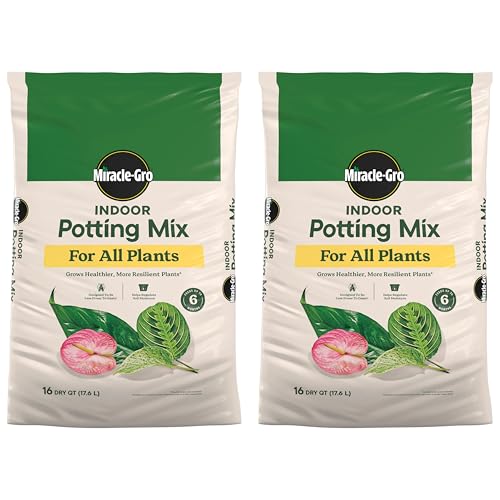
Miracle-Gro Indoor Potting Mix, 16 qt. (2-Pack)

Miracle-Gro Moisture Control Potting Mix, 8 qt. (2-Pack)

Miracle-Gro Potting Mix, 2 cu. ft., 2-Pack

VermisTerra Earthworm Castings 40 LB (4 Pack)

Miracle-Gro Moisture Control Potting Mix, 16 qt.

Organic Plant Magic Compressed Potting Soil
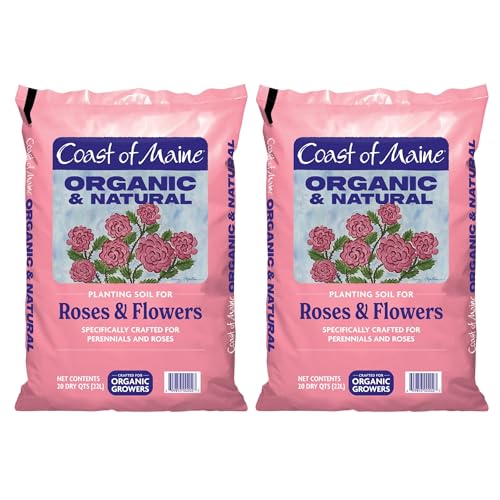
Coast of Maine Roses and Flowers Soil, 20 qt. (2-Pack)

Miracle-Gro Indoor Potting Mix, 6 qt.

Hoffman African Violet Soil Mix, 4 Dry Quarts
More Details On Our Top Picks
Miracle-Gro’s classic 16-quart potting mix is the kind of bag every patio gardener ends up grabbing at some point. It’s a general-purpose blend designed for outdoor containers, and it feeds plants for up to six months, which means a single spring top-up can carry a zinnia through most of its bloom cycle.
For zinnias grown in five-gallon patio pots or window boxes, the texture drains quickly enough to keep stems upright after summer storms. One thing worth considering: in deep planters that hold moisture longer, you may find the mix stays wet near the bottom, so pairing it with a drainage hole and a layer of coarse material at the base helps. It’s a familiar starting point that suits beginners planting their first zinnia flat.
Key Advantages
- Feeds container plants for up to six months, reducing the need for frequent fertilizing through the bloom season
- Light enough to keep zinnia roots from sitting in soggy conditions after heavy rain
- Two-pack format delivers enough volume to fill several mid-sized containers without a second trip to the store
- Compatible with a wide range of ornamentals, so leftover soil can be reused for other patio flowers
Points To Keep In Mind
- Not formulated for indoor use, so gardeners starting zinnia seedlings on a windowsill should consider a dedicated indoor mix instead
- The dry mix can compact slightly over a full growing season, so fluffing the top inch mid-summer helps airflow around the stem base
At A Glance
Built With In Mind
Patio gardeners filling multiple mid-sized containers for a summer of cut flowers will find this two-pack covers their needs without overbuying.
Swap It Out When
Gardeners starting seeds on a windowsill should look at the Miracle-Gro Indoor Potting Mix instead, since it skips the bark and compost that sometimes shelter fungus gnats.
The Indoor Potting Mix trades outdoor bark for a lighter peat, coir, and perlite blend that handles watering swings more gracefully. For zinnia growers starting seedlings under lights or in a sunroom, that lighter texture gives young roots an easier path down.
Compared with the first pick, this one skips compost and bark to reduce the fungus gnat pressure that sometimes plagues indoor shelves. In our view, it’s the cleaner choice for the propagation stage, though it works equally well in small greenhouse flats before transplanting outside. Depending on your seed-starting setup, you may find the smaller particle size helps cell trays stay evenly moist without crusting over.
The Helpful Details
- Balanced sphagnum peat, coir, and perlite blend creates a forgiving medium for fragile seedlings
- No compost or bark included, which reduces the gnats and molds that often show up on indoor seed trays
- Water-holding capacity stays even across cells, so a whole flat dries at roughly the same rate
Trade-Offs
- Once seedlings graduate to outdoor beds, you’ll still want a richer mix or a compost amendment to sustain full-season growth
- Lighter texture can dry out faster in warm indoor conditions, so plan on checking moisture every other day
Whose Shelf It Belongs On
Greenhouse growers and indoor seed starters who need a clean, lightweight medium before transplanting zinnias outside will appreciate this two-pack.
Consider Something Else When
Gardeners planting directly into large outdoor containers should pick the Miracle-Gro Moisture Control Potting Mix for stronger long-term moisture buffering.
The Moisture Control variant uses an AquaCoir formula that absorbs noticeably more water than a basic potting soil, which matters when zinnias face a long, hot afternoon on a south-facing patio. It’s a smaller 8-quart two-pack, so it works best when you’re filling a handful of planters rather than an entire raised bed.
The trade-off shows up when growers accidentally overwater, because the same coir that buffers drought can stay wet a little longer than expected. For most backyards, sticking to a routine check with a finger in the soil prevents any soggy surprises. It’s a smart pick if your zinnias have wilted in past summers despite regular watering.
Useful Touches
- AquaCoir blend absorbs and releases water across longer dry stretches between waterings
- Continues feeding for up to six months, keeping zinnia bloom production steady through midsummer
- Smaller bag format fits inside a closet or garden bench without taking over storage space
Worth Bearing In Mind
- The same moisture-buffering capacity means a strict watering routine matters more, since overwatering won’t drain away as quickly
- Two 8-quart bags won’t fill large planters, so plan on extra bags for any container over 12 inches in diameter
Quick Facts
Made For
Gardeners with a few patio pots in full sun who struggle to keep up with daily watering during heat waves will get the most out of this AquaCoir blend.
Reach For A Different Pick When
Anyone filling large planters or raised beds should choose the Miracle-Gro Potting Mix 2 cu. ft. two-pack for better value per quart.
When you’re filling a 4×8 raised bed for a dedicated cutting garden, the 2 cu. ft. two-pack is the practical pick. It carries the same six-month feeding profile as the smaller 16-quart bag but at a much friendlier cost per cubic foot, which adds up across multiple beds.
It’s the same basic blend the first item uses, so for most gardens you can treat it as a bulk version. The honest read is that this is more about logistics than feature differences, but volume genuinely changes how a garden gets built. If you’ve been patching smaller bags together, one delivery of this two-pack simplifies the spring workflow considerably.
Real-World Strengths
- Bulk 2 cu. ft. format drops the cost per quart noticeably compared to smaller consumer bags
- Six-month feed duration keeps bloom-heavy zinnias producing without weekly fertilizer applications
- Container-friendly blend handles flower, vegetable, and shrub plantings interchangeably across the same bed
Smaller Caveats
- Heavier bags are harder to carry up stairs or across a yard without a wheelbarrow or hand truck
- You’ll want to mix in extra perlite or coarse sand if your bed holds water after storms
Right Fit For
Home growers building a cutting garden or refreshing several raised beds in a single weekend will appreciate the volume this two-pack delivers.
Look Elsewhere When
Apartment balcony gardeners with only two or three small pots should pick the 8-quart Moisture Control two-pack for easier storage.
VermisTerra’s earthworm castings aren’t a standalone potting soil. They’re a pure organic amendment, which means the value here is in mixing them into existing soil rather than filling a pot straight from the bag. For organic-minded zinnia growers, that distinction is the whole point.
Spread an inch or two into a bed before planting, or blend roughly a quarter of castings into a standard potting mix, and the resulting medium supports strong root branching and steady bloom development. The castings carry trace minerals and natural plant hormones that build soil structure over time, and depending on your soil they may noticeably improve drainage in heavy clay patches.
A Few Strong Suits
- Pure organic castings deliver macronutrients, micronutrients, and trace minerals in one amendment
- Improves soil structure in compacted clay or sandy beds over a single growing season
- 40-pound four-pack offers enough volume to refresh an entire small garden without reordering
Practical Considerations
- Not a complete potting soil on its own, so you’ll need to combine it with another mix for container use
- Dry castings can release fine dust when pouring, so opening the bag downwind or wearing a basic mask helps
Key Specs
Best Suited To
Organic gardeners rebuilding tired beds or enriching native soil for a pollinator-friendly zinnia patch will find these castings a foundational amendment.
A Better Fit Elsewhere
Container-only growers who want a ready-to-use medium should pick the Miracle-Gro Potting Mix 2 cu. ft. two-pack for fill-and-go simplicity.
This single 16-quart bag is the same AquaCoir formula as the third pick, just in a more practical volume for someone filling three to five patio containers. For zinnia beds that sit on a sunny deck with no irrigation line, the moisture-buffering coir makes a real difference through July and August.
Compared with the smaller two-pack, this bag offers more flexibility if you only need to refresh one or two pots later in the season. One thing worth considering: the formula still feeds for up to six months, so late-season zinnias planted in this mix won’t need supplemental fertilizer before the first frost.
Positive Points
- AquaCoir formula absorbs and holds extra water for longer intervals between watering days
- Feeds container plants for up to six months with no supplemental fertilizer needed
- Single 16-quart bag fits the workflow of mid-sized patio gardens without committing to extra volume
A Few Limitations
- Container mix only, so gardeners planting directly into native soil should mix it into the top few inches
- Overwatering remains a risk because the same coir that buffers drought also slows drying
Who Should Grab It
Weekend gardeners managing a handful of patio containers in sunny spots will appreciate the moisture buffer and the straightforward single-bag purchase.
Skip It When
Raised bed builders needing large volumes should pick the Miracle-Gro 2 cu. ft. two-pack for better per-quart value.
Organic Plant Magic ships its soil as compressed granules that swell to roughly four times their volume once water hits them. For apartment growers storing soil under a sink or on a closet shelf, that compact format solves a real problem, since a fully expanded bag would otherwise take over the apartment.
The blend leans on coconut coir and worm castings, which gives zinnias a light, moisture-friendly medium once expanded. The honest read is that you’ll do a little more prep work up front, since the granules need thorough soaking and breaking apart, but the resulting texture rivals any bagged mix for starter pots and small planters.
What Makes Sense
- Compressed format stores easily in small apartments, sheds, or gardening closets
- Coir and worm casting base supports strong root branching in young zinnia seedlings
- Each small brick expands into a meaningful amount of usable soil for container refills
Where It May Fall Short
- Setup takes a few minutes of soaking, breaking apart, and waiting for full expansion before use
- Resealable bag depends on a careful seal to keep leftover granules dry between sessions
Perfect Match For
Apartment dwellers and small-space gardeners who need potting soil without dedicating closet space to a bulky bag will find this compressed format a practical solution.
Where Another Pick Suits Better
Large raised bed builders should pick the VermisTerra Earthworm Castings four-pack for amending native soil at scale.
Coast of Maine’s Roses and Flowers blend is an OMRI-listed organic compost mix specifically aimed at flowering perennials, which lines up nicely with zinnia’s nutrient profile. It balances moisture retention and drainage, so the same bed handles wet springs and dry Julys without constant adjustment.
For organic gardeners building a pollinator bed, this is a more flower-tuned choice than the VermisTerra castings, since it works as a standalone medium rather than an amendment. It also works as a top-dress or mulch around established zinnias when you want a tidy bed edge without bark chips.
Strong Points
- OMRI-listed organic compost blend suits pollinator and vegetable beds where synthetic feeds aren’t wanted
- Balanced moisture profile handles both spring rains and summer dry spells in the same bed
- Two 20-quart bags cover a moderate perennial bed refresh or several mid-sized containers
Softer Spots
- Compost-heavy texture can break down faster than peat-based mixes, so refreshing beds every season helps
- Higher organic content may invite more surface weeds if not topped with mulch
Who Will Love This
Pollinator bed builders and organic gardeners planting a flower-focused cutting patch will appreciate the flower-tuned compost blend.
Not Your Match When
Container gardeners with strict weight limits on a balcony should pick the Miracle-Gro Moisture Control 16-quart bag for a lighter fill.
The smaller 6-quart Indoor Potting Mix targets seed-starting cell trays and windowsill seedlings. Coconut coir in the blend helps the soil re-wet after drying out, which is genuinely useful if you forget a watering on a warm day.
Like the second pick, this blend skips compost and bark to cut down on fungus gnats, which matters more on indoor seed shelves than outside. For most seed-starting setups, a 6-quart bag fills roughly two standard 12-cell trays plus a few small pots. It’s the practical starter size without committing to a heavier bag.
Strengths Worth Knowing
- No compost or bark reduces the gnats and molds that often show up on indoor seedling shelves
- Coir blend re-wets evenly after drying, which helps avoid hydrophobic pockets in cell trays
- Feeds seedlings for up to six months, so transplants can move outdoors before needing supplemental fertilizer
Honest Caveats
- Only 6 quarts, so growers starting many flats at once may need more than one bag
- Designed for indoor use, so outdoor beds will need a richer container mix for full-season support
Feature Snapshot
The Right Fit
First-time seed starters working on a windowsill or under basic grow lights will find this 6-quart bag the right size for a small flat of zinnia seeds.
Another Choice May Suit
Greenhouse growers filling many trays weekly should pick the Miracle-Gro Indoor Potting Mix 16-quart two-pack for better volume.
Hoffman’s African Violet Mix is a specialty blend built around sphagnum peat moss and vermiculite, which together create the light, airy, well-drained texture that zinnia seedlings appreciate in their first pots. The 4-quart size suits a small indoor propagation station rather than an outdoor bed.
The trade-off is that this mix is tuned for African violet conditions, so it doesn’t carry the long-feeding nutrient load of the Miracle-Gro options. You may find it works best as a starter medium for seeds and cuttings, then transplanting outdoors once roots establish. It’s also ready to use straight from the bag, which removes any mixing step.
Features That Help
- Peat and vermiculite blend delivers excellent drainage for seedlings and cuttings prone to damping off
- Ready-to-use format removes the mixing step for gardeners new to soil science
- Small 4-quart bag fits indoor propagation setups without dominating a closet shelf
Less Ideal Details
- Not designed for outdoor beds, so transplants will need richer soil once they move outside
- Specialty mix commands a higher cost per quart than general-purpose options, so it works best as a starter supplement
Who Should Grab It
Gardeners starting zinnia seeds indoors in small cell trays will find this peat-vermiculite blend a clean, ready-to-use starter medium.
Look Elsewhere When
Outdoor bed builders should pick the Miracle-Gro Potting Mix 2 cu. ft. two-pack for a single-source solution at scale.
What Matters Most When Choosing Soils For Zinnias
Zinnias aren’t fussy, but they do want three things: sharp drainage, moderate fertility, and steady (not soggy) moisture. Picking a mix that hits those basics sets the rest of the season up to go well.
Drainage Comes First
Zinnias rot quickly in saturated soil, so any mix that compacts after a few waterings will shorten their lifespan. Look for blends with perlite, vermiculite, or coarse compost that hold structure through heavy summer storms. In containers, drainage holes do half the work; the mix does the other half.
Match Fertility To The Planting Stage
Seedlings want a light, low-feed medium, while mature zinnias thrive on richer mixes with sustained nutrient release. Indoor blends without compost or bark keep fungus gnats down on seed shelves. Outdoor blends with six-month feeding reduce how often you reach for the fertilizer bottle mid-summer.
Volume And Format Match Your Space
A two-pack of 16-quart bags covers a small patio, but raised beds demand bulkier 2 cu. ft. options. Compressed soil bricks solve storage problems in apartments. Choosing format first prevents overbuying or under-buying before the season starts.
Key Considerations Across These Picks
Mistakes Worth Dodging
One common slip is treating any bagged soil as interchangeable. Outdoor container blends with bark can shelter pests that indoor mixes leave out, and specialty mixes like the Hoffman violet blend lack the sustained feeding that garden beds need. Pick the format that matches the planting stage, and the season runs smoother. Another trap is assuming more fertilizer always means better zinnias; the six-month feeds in this list already cover the bloom cycle.
Where The Extra Money Goes
Premium organic mixes like Coast of Maine and VermisTerra command higher prices partly because of OMRI certification, trace minerals, and richer compost content. For organic gardeners and pollinator beds, that premium translates into flower-tuned nutrition and better soil structure over time. For casual patio displays, the standard Miracle-Gro options handle the job at a fraction of the cost.
Frequently Asked Questions
Do Zinnias Need Special Soil?
Zinnias grow well in any well-drained, moderately fertile potting mix, including standard outdoor container blends. Specialty mixes help in seed-starting stages but aren’t required for outdoor beds.
Can I Use Indoor Potting Mix Outside?
Indoor mixes work for short-term container use outdoors, though they often lack the long-term nutrient release and bark content that outdoor container blends provide. Transplant zinnias into outdoor mix once they leave the seed tray.
How Often Should I Replace Potting Soil For Zinnias?
Refreshing the top third of container soil each spring, or replacing it fully every two seasons, keeps nutrient levels and drainage consistent for zinnia roots.
Do Zinnias Prefer Acidic Or Alkaline Soil?
Zinnias tolerate a wide pH range and grow well in standard bagged mixes. Unless a soil test shows a specific issue, neutral pH is fine.
Is Organic Potting Soil Worth It For Zinnias?
Organic mixes benefit pollinator beds and vegetable gardens where synthetic fertilizers aren’t wanted. For a simple patio display, conventional container mixes perform comparably.
Final Takeaway
The right soil depends more on your planting setup than on the zinnia itself: indoor starters want clean, lightweight blends; patio pots benefit from coir-based moisture buffering; raised beds thrive on bulk mixes amended with organic matter. Pick the format that matches your space, refresh the bed each spring, and the zinnias will reward you with a long, colorful bloom season.
