

Strawberries reward loose, well-drained, slightly acidic soil with steady moisture and good airflow around the roots. Picking the wrong medium leaves you with compacted dirt, waterlogged crowns, and weak runners. This guide looks at ten growing media and amendments that match the way strawberries actually grow, from container mixes on a patio to in-ground beds that need a low-pH boost.
A Side-By-Side Look

Plantonix Coco Coir 650gm Bricks (6-Pack)

Organic Plant Magic Compressed Potting Soil

FoxFarm Ocean Forest Potting Soil 12 Quart

FoxFarm Happy Frog Potting Soil 2cu ft

FoxFarm Ocean Forest Potting Soil 2 x 12 Quart
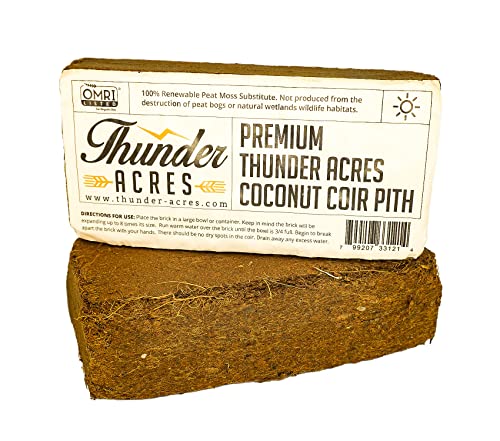
Thunder Acres Coco Coir Brick (5-Pack)
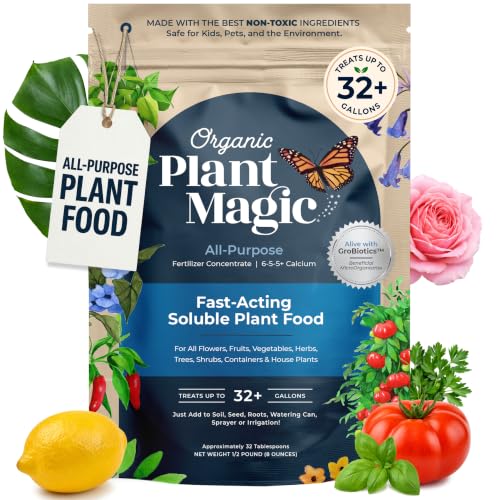
Organic Plant Magic Fertilizer 1/2lb

Organic Plant Magic Slow Release Granular 4 lb

Perfect Plants Organic Sphagnum Peat Moss 4 qt

Coast of Maine Acid-Loving Planting Soil 20qt (Pack of 2)
What Each Pick Brings To The Table
Coir, the fibrous byproduct of coconut husks, holds moisture without going soggy, which suits strawberries’ love of even dampness. The Plantonix six-pack arrives as compressed bricks, each rehydrating into a fluffy medium that lightens heavy garden soil or fills pots on its own. The OMRI-listed designation signals it meets organic-use standards, useful if you are running a chemical-free berry patch.
For strawberry growers mixing their own blends, this format gives room to dial in ratios. You may find the brick takes longer than expected to break down in cold water, so warm water speeds the process considerably.
The Helpful Details
- Listed for organic use under OMRI standards
- Six 650g bricks cover multiple beds or a season’s worth of containers
- Compressed format stores neatly in a shed or garage
- Holds water while still letting excess drain past the root zone
- Renewable coconut fiber source replaces peat in custom mixes
Things To Consider
- Low in nutrients on its own, so you will need to add compost or fertilizer alongside it
- Hydration takes planning, especially for gardeners working without a warm water source
Key Product Details
Built With In Mind
Home growers who like blending their own soil recipes and prefer organic-certified inputs.
Consider Something Else When
FoxFarm Ocean Forest Potting Soil suits you better if you want a fully ready-to-use mix without extra amendments.
This compressed blend expands up to four times its dry volume once water hits it, so a small bag stretches across several strawberry planters. The mix pairs coconut coir with worm castings, giving strawberry roots both the airy structure they need and a slow stream of nutrients. Resealable packaging keeps the granules ready for the next round of starts.
Apartment growers and patio gardeners tend to appreciate the carry-friendly weight compared to a full bag of traditional potting soil. In our view, the convenience factor is the real draw, and the included castings take some of the guesswork out of feeding young plants.
Practical Pluses
- Expands to roughly 3 gallons per bag when rehydrated
- Worm castings deliver gentle, organic fertility from the start
- Compressed format lightens grocery hauls and storage
- Resealable bag preserves freshness between uses
Honest Caveats
- Granules need thorough mixing with water to break up fully
- Limited volume means larger beds call for multiple bags
Right Fit For
Balcony and container growers who want a light, pre-amended mix without hauling heavy bags.
Look Elsewhere When
Plantonix Coco Coir Bricks make more sense for raised beds, since the six-pack stretches further in volume.
FoxFarm’s Ocean Forest is a familiar choice for container edibles, and strawberries tend to respond well to its light, aerated texture. The blend layers aged forest products, sandy loam, and sphagnum peat moss, with fish meal, crab meal, and earthworm castings adding background fertility. For most home growers, that combination removes the early-season feeding question for a stretch.
The 12-quart bag fits a small grouping of strawberry pots without dominating a closet shelf. If you are running a single patio planter, this size avoids waste and stays manageable for one person to lift and pour.
Useful Touches
- Built-in nutrient profile supports early root and leaf development
- Aerated texture helps prevent the compaction strawberries dislike
- Ready to use straight from the bag with no extra mixing
- Lightweight enough to handle comfortably on a patio
Trade Offs
- Smaller bag means multiple purchases for raised bed projects
- Nutrients deplete over a season, so supplemental feeding becomes necessary later
Feature Snapshot
Who It Suits Best
Container gardeners starting a small strawberry patch on a patio or balcony.
A Better Fit Elsewhere
FoxFarm Happy Frog Potting Soil is a smarter pick for larger beds, given its 2 cubic foot volume.
Happy Frog shifts toward a richer, more controlled nutrient profile than its Ocean Forest sibling, with earthworm castings and aged forest products as the backbone. For container strawberries that need steady feeding, this blend keeps plants from running out of fuel mid-season. The 2 cubic foot size handles a serious batch of pots or a small raised bed in one purchase.
Strawberries in pots exhaust their soil faster than in-ground plantings, so the higher organic content here is a real asset. If you keep berries in larger planters or tubs, the volume matches the workload nicely.
Positive Takeaways
- Higher organic matter content supports long-season fruiting
- Large bag cuts down on repeat trips to the garden center
- Earthworm castings improve soil biology over time
- Works equally well for containers, raised beds, and repotting
Small Caveats
- Bulky bag can be awkward to move without a hand truck or helper
- Pricier per quart than smaller bags, so it rewards larger plantings
Perfect Match For
Growers filling multiple large containers or building out a dedicated strawberry bed.
Reach For A Different Pick When
FoxFarm Ocean Forest 12 Quart makes sense for tighter spaces where a smaller bag is easier to manage.
The two-bag Ocean Forest pack doubles the volume of its single-bag sibling, covering a cluster of patio planters or a small raised strawberry bed. The blend itself stays consistent, with that same aerated texture and built-in fertility that made the 12-quart bag popular. For growers scaling up a berry patch, the bundled format simplifies ordering.
Container strawberry growers often hit a wall when one bag runs dry mid-season. Buying paired bags up front avoids that scramble, especially during spring planting when shipping windows stretch. In most cases, leftover soil stays useful through the next repotting cycle.
Real-World Strengths
- Doubled volume suits growers planting multiple containers at once
- Same proven blend as the single-bag Ocean Forest option
- Reduces the chance of running short mid-season
- Ready to use straight from the bag
A Few Limitations
- Two bags together take up more storage room than a single 12-quart
- Overkill for a single small strawberry pot
Quick Facts
Best Suited To
Patio gardeners setting up several strawberry planters in one planting session.
Skip It When
Perfect Plants Sphagnum Peat Moss fits better if your existing soil just needs a moisture-retention boost.
Thunder Acres leans into the practical side of coir, offering five compressed bricks that rehydrate into a loose, airy medium for blending or container filling. Each brick weighs 1.5 pounds dry, so storage stays tidy until you need it. The OMRI-listed label reassures organic growers, and the natural fiber improves aeration in dense garden beds.
Strawberries sulk in compacted soil, so anything that lightens the texture pays off. You may find this product works best as a soil conditioner rather than a standalone medium, since it carries little fertility on its own.
A Few Strong Suits
- Affordable entry into coco coir for budget-conscious growers
- Five-pack covers a small bed or several containers
- Improves aeration in heavy clay or compacted garden soil
- Listed for organic use under OMRI standards
Points To Note
- Each brick needs a soaking tub or bucket for rehydration
- Requires added fertilizer or compost for productive fruiting
Who Will Love This
DIY gardeners amending clay-heavy beds who want organic-approved fiber without a premium price.
Where Another Pick Suits Better
Organic Plant Magic Compressed Potting Soil works harder if you want a self-contained mix with castings included.
This water-soluble concentrate makes 32-plus gallons of liquid feed from a half-pound bag, stretching a small package across a full growing season. Strawberries respond well to steady, diluted feeding during flowering and fruiting, and a soluble format mixes easily into a watering can. The all-purpose profile also handles the rest of a vegetable bed without switching products.
Unlike the soil-based picks above, this one enters the picture once your planting medium is in place. For organic gardeners who prefer liquid feeding over granular, the concentration is the real draw.
Useful Strengths
- Makes over 32 gallons of liquid feed from a small bag
- Suitable for vegetables, flowers, fruit, and houseplants
- Water-soluble format feeds quickly through the root zone
- Organic input for chemical-free berry patches
Worth Noting
- Requires mixing before every application, unlike granular options
- Smaller bag size means reordering for very large gardens
Feature Card
Made For
Growers who prefer liquid feeding routines and want one organic product for multiple crops.
Not Your Match When
Organic Plant Magic Slow Release Granular fits you better if you prefer a set-and-forget feeding approach.
The granular version of the Plant Magic lineup trades the mixing step for a sprinkle-and-go routine. You can work the granules into planting holes, blend them into the soil, or top-dress around established strawberry plants by hand or with a spreader. The slow-release nature keeps feeding steady across weeks rather than days.
For gardeners juggling tomatoes, peppers, and berries in the same beds, a one-bag-fits-all approach simplifies the feed cabinet. Depending on your soil, you may still want supplemental feed during peak fruiting, but the baseline is solid.
What Makes Sense
- Slow-release format reduces the frequency of applications
- Versatile across flowers, vegetables, fruits, and shrubs
- Easy to apply by hand without special equipment
- 4-pound bag covers a generous planting area
Potential Drawbacks
- Slower to take effect than liquid feeds at the start of the season
- Granules need watering in to begin releasing nutrients
Who Should Grab It
Multi-crop growers who want one organic feed that handles strawberries alongside other garden plantings.
Swap It Out When
Coast of Maine Acid-Loving Planting Soil suits you better if your soil also needs a low-pH overhaul for berries.
Sphagnum peat moss is a classic soil conditioner, and the Perfect Plants offering delivers pure peat with no added fillers. Strawberries like steady moisture, and peat absorbs and holds a large percentage of water and dissolved nutrients without compacting around the roots. The 4-quart size blends easily into a container’s worth of existing mix.
Gardeners in hot, dry climates particularly benefit from peat’s water-retention habit, since containers dry out fast under summer sun. For most home settings, a few scoops mixed into the planting hole makes a visible difference in how often you water.
Features That Help
- High absorbency holds water and nutrients near the root zone
- Pure peat with no extra additives or blended fertilizers
- Does not compact easily, keeping soil loose for shallow roots
- Useful indoors and outdoors across containers and beds
Where It Is Less Suited
- Acidic by nature, so pH-sensitive companion plants need monitoring
- Smaller bag means larger beds require multiple purchases
The Right Fit
Growers in warm or windy sites where strawberry pots dry out between waterings.
Another Choice May Suit
Thunder Acres Coco Coir Brick works better if you prefer a renewable alternative to peat for moisture and aeration.
Strawberries share a love of slightly acidic soil with blueberries, rhododendrons, and azaleas, and Coast of Maine built this blend specifically for that crowd. The organic compost base keeps the texture light while the low-pH formulation supports the conditions berries crave. Two 20-quart bags cover a dedicated berry patch or a row of acid-loving shrubs.
If your native soil trends alkaline, this blend acts as a reset rather than just a top-up. In our view, the dual-bag packaging rewards gardeners committing to a full acid-friendly planting plan, not just a single container.
What It Does Well
- Low-pH formulation supports strawberries, blueberries, and similar crops
- OMRI listed for organic gardening use
- Lightweight texture eases root penetration
- Two-bag pack covers a small berry patch in one purchase
Things To Weigh
- Specialty blend costs more per quart than general potting soils
- Smaller bags can run dry across a larger bed layout
Spec Overview
Whose Shelf It Belongs On
Growers planting strawberries alongside blueberries or other acid-loving crops who want a matched soil from the start.
A Better Fit Elsewhere
FoxFarm Happy Frog Potting Soil suits you better if neutral pH works fine for your patch and you want broader versatility.
Matching The Right Mix To Your Strawberry Patch
Strawberries want loose, well-drained soil with a pH somewhere between 5.5 and 6.8, steady moisture, and enough organic matter to keep roots cool without staying soggy. For container plantings, that means choosing a mix with perlite, coir, or peat to lighten the texture. For in-ground beds, it usually means amending existing soil with compost and a conditioner to break up clay or add body to sandy plots.
Drainage comes first. Strawberry crowns rot in waterlogged soil, so any blend you pick should drain freely within a minute or two of watering. Raised beds and containers give you more control, while in-ground plantings call for raised rows or berms in heavy-soil regions.
Fertility matters most during flowering and fruiting, when plants pull nutrients heavily to develop berries. A mix with built-in amendments like worm castings gives a head start, and supplemental feeding through the season keeps production steady. Organic options like the Plant Magic lineup feed without synthetic residues, which many berry growers prefer given that the fruit sits low to the soil.
Reading Between The Bag And The Bed
Common Buying Slip Ups
Choosing a “potting soil” that is actually ground topsoil leaves strawberry roots swimming in a dense, slow-draining medium. The label should say “potting mix” or “container mix” for above-ground use, and a bag heavy enough to suggest sand or topsoil belongs in the ground, not in a strawberry pot.
Another trap is grabbing a mix without checking its pH. Strawberries tolerate slightly acidic soil, but blends designed for tropical houseplants or general vegetable use may run too alkaline. Acid-loving blends like the Coast of Maine option solve this for berry patches specifically, while general mixes work fine when your tap water and native soil already trend acidic.
Why The Higher Tier Costs More
Premium mixes cost more because they skip cheap fillers like topsoil and sludge and instead layer in aged forest products, castings, and properly screened peat or coir. Those ingredients improve drainage, biology, and water retention at the same time, which is hard to fake with bargain materials.
The upgrade pays off most in containers, where the soil has to do all the work that ground beds get from surrounding earth. In raised beds with good native soil, a mid-tier amendment plus compost often performs nearly as well as a top-shelf mix, so spending up makes the most sense for pots and small-volume plantings.
Frequently Asked Questions
What pH do strawberries prefer?
Strawberries grow best in soil between 5.5 and 6.8 on the pH scale, leaning slightly acidic for nutrient uptake. Acid-loving blends like Coast of Maine’s option land in that range out of the bag.
Can I use regular garden soil for strawberries?
Garden soil compacts too easily for containers and often carries weed seeds and pathogens. A potting mix with peat, coir, or compost gives the loose structure and drainage strawberries need.
How often should I replace strawberry potting soil?
Refresh container soil each season or amend with compost and worm castings mid-year. Raised beds benefit from a top-dress of compost between seasons and a full refresh every two to three years.
Do strawberries need fertilizer in addition to potting mix?
Most mixes carry nutrients for the first few weeks, then fruiting plants benefit from regular feeding through the season. Liquid or slow-release organic fertilizers keep production steady without burning shallow roots.
Is coco coir or peat moss better for strawberries?
Coir is renewable and rehydrates easily, while peat holds slightly more water per volume and acidifies the mix. For dry climates, peat’s water retention helps; for sustainability-minded growers, coir wins.
Closing Thoughts
The best soil for strawberries matches your climate, container size, and willingness to feed through the season. Coir and peat-based mixes give you a head start on texture, premium blends like Ocean Forest and Happy Frog carry you through with built-in fertility, and acid-loving specialty soils solve the pH puzzle for blueberry-and-strawberry beds. Pick the format that fits your space, refresh it each season, and your patch will reward the effort.
