

South Florida lawns live a different life than almost any other turf in the country. Long summers, salt air, sudden downpours, and stretches of drought all hit the same yard in a single season, so the seed you pick has to tolerate heat and humidity without falling apart. This shortlist mixes true turf grasses with a couple of wheatgrass options that suit indoor gardeners and cat households, since plenty of South Florida patios double as pet zones. Use it to match seed type to your soil, sun, and how much hands-on upkeep you actually want.
How The Shortlist Stacks Up

Rose & Branch Organic Wheat Grass Seeds 16 oz

Easy Peasy Wheatgrass Seeds 2 Pound

Todd’s Seeds Cat Grass Seeds 1lb

Outsidepride Supreme Kentucky Bluegrass Seed Mix 5 lb

Outsidepride Legacy Fine Fescue Seed Mix 5 lb
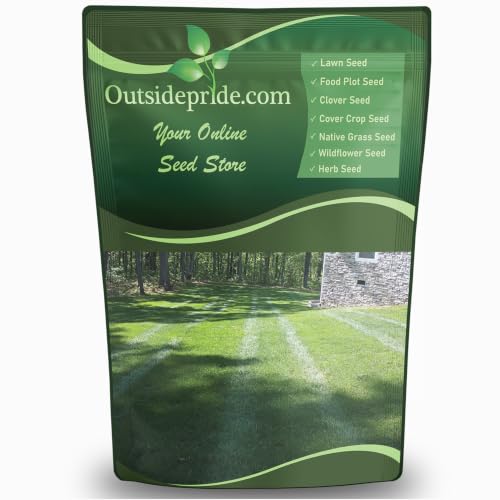
Outsidepride SPF-30 Hybrid Bluegrass Seed Mix 5 lb
A Deeper Look At The Lineup
Hard red wheat germinates fast on a kitchen counter, which makes Rose & Branch a tidy fit for South Florida apartments where outdoor space is mostly pool deck. The 16-ounce pouch covers months of small trays, and the seed is sold as certified organic with no genetic modification, so the grass your cat nibbles is the same grass you’d juice on a whim. Spread it across a thin layer of potting mix, mist it twice daily, and you’ll usually see green tips within five days, depending on your room temperature.
The grind is finer than the bulk juicing option coming up next, so a single tablespoon goes a long way in a shallow dish. Owners commonly report that the grass holds up well to curious paws for about two weeks before it needs reseeding.
The Case For It
- Certified organic, non-GMO hard red wheat grown and packaged in the U.S.
- 16-ounce size gives steady supply for several indoor trays over many months
- Fast germination window of roughly four to seven days in normal indoor conditions
- Versatile enough for cat grass, decorative centerpieces, or small juicing batches
Small Caveats
- Smaller bag than bulk juicing wheatgrass, so cost per ounce runs higher for heavy juicers
- Once the grass hits three weeks it yellows and needs full reseeding rather than trimming
Whose Shelf It Belongs On
Indoor cat owners in studios or condos who want a safe, edible green without outdoor gardening.
Reach For A Different Pick When
You run a daily wheatgrass juicing routine and want a two-pound bulk supply instead.
Two pounds of seed changes how often you refill trays, and Easy Peasy leans into that volume with non-GMO wheatgrass grown on U.S. soil. For households that juice a small handful of wheatgrass each morning, this bag can stretch across half a year of planting cycles. The seed works indoors near a sunny window or outdoors in a screened patio, so it’s flexible when your setup shifts with the seasons.
Compared with the smaller Rose & Branch pouch above, you trade the certified organic label for raw volume and a noticeably lower cost per tray. Owners commonly recommend soaking the seed for eight hours before spreading, since pre-soaked seed tends to come up more evenly.
What Works In Its Favor
- Two-pound bulk size supports frequent juicing without constant reordering
- Non-GMO, all-natural seed with documented nutritional content including fiber and potassium
- Grows indoors or outdoors, which suits South Florida patios and lanais
- Lower cost per tray than smaller bag options when used at scale
Honest Caveats
- Bag is heavy for occasional users who only need a small weekly tray
- Without a clear organic certification, shoppers focused on that label may look elsewhere
Feature Snapshot
Built With In Mind
Households that drink wheatgrass shots daily and want one bulk bag to anchor a long stretch of planting.
Consider Something Else When
You only need a small weekly tray for a single cat and won’t use two pounds before the seed loses vigor.
One pound of wheatgrass seed is the sweet spot for multi-cat households where a single small tray gets demolished within a weekend. Todd’s Seeds positions this pack as the practical step up from tiny plastic cups, giving you enough seed to rotate two or three trays in and out of rotation. The seed is sold for indoor cats specifically, and many owners report using it for hairball support and general enrichment.
Sitting between the smaller Rose & Branch pouch and the heavier Easy Peasy bag, this one is the middle path: more volume than an organic-curious pet owner needs, less than a daily juicer requires. You can split the bag into jars and store it in a cool, dry place to keep the seed viable across many months.
Positive Points
- One-pound pack is generous enough to keep several trays growing in rotation
- Marketed specifically for indoor cats, which guides planting density and timing
- Plain wheatgrass seed with no fillers, so you control exactly what the cat chews
- Works with most standard cat grass kits and shallow trays
Things To Consider
- More seed than a single-cat household will use before the next planting season
- Packaging is functional rather than airtight, so transferring to sealed containers helps longevity
Feature Snapshot
The Right Fit
Multi-cat homes that rotate trays through the week and want a single bag to last several months.
Skip It When
You only own one calm cat and would rather start with a smaller, certified organic pouch.
Kentucky bluegrass is a cool-season grass, so picking it for South Florida is a deliberate choice for the rare homeowner who waters deeply, mows high, and accepts slower summer growth. The Outsidepride Supreme mix leans into that profile with OptiGrowth coating, a treatment that wraps each seed in nutrients and a moisture-retaining layer to push germination along. The result is a fine-bladed turf that feels soft underfoot and spreads through rhizomes (underground stems that send up new shoots), so small damage patches often fill in on their own.
This bag suits a homeowner in a cooler pocket of the southern states, a north-facing microclimate, or someone restoring a small patch rather than seeding a full acre. For broader South Florida coverage, the SPF-30 hybrid reviewed below is the closer match.
Why It Works Well
- OptiGrowth coating adds moisture retention and starter nutrients to support germination
- Fine-textured blade gives a soft, carpet-like feel once established
- Self-repairing rhizome growth helps small damaged areas fill back in naturally
- Blends well with ryegrass and fine fescue for custom mixes
Points To Note
- Cool-season grass that struggles through peak South Florida summer heat without heavy irrigation
- Five-pound bag covers modest areas only, so larger yards need multiple bags or a different species
Who Should Grab It
Homeowners in cooler South Florida microclimates who want a refined turf for patches, parks, or small showcase lawns.
Look Elsewhere When
You want a low-maintenance full-sun lawn across a large yard and prefer a heat-tolerant hybrid instead.
Fine fescue has a quiet reputation for surviving tough spots, and Outsidepride Legacy blends three fescue types, namely hard fescue, chewings fescue, and creeping red fescue, to cover ground that swings between dense shade and full sun. Hard fescue contributes toughness in poor soils, chewings fescue gives a uniform fine texture, and creeping red fescue knits the lawn together through spreading stolons (above-ground runners that root where they touch soil). The OptiGrowth coating is repeated here, so each seed carries starter nutrients and a kelp-based biological boost to encourage faster establishment.
For South Florida lawns, the Legacy mix reads as a transitional or shaded-area pick rather than a primary full-sun turf. It’s the right call where palms or oaks cast heavy afternoon shade and the soil leans sandy.
Real-World Strengths
- Three-variety blend handles both shade and sun without thinning out in either
- OptiGrowth coating supports faster, more uniform germination than raw seed
- Drought tolerance makes it a low-fuss option in dry patches
- Works for overseeding, repairs, and new installations
Practical Considerations
- Fine fescue prefers cooler temperatures, so midsummer growth slows in deep South Florida heat
- Best used as part of a blend in South Florida rather than a standalone full-lawn turf
Quick Facts
Best Suited To
Shaded or partially shaded South Florida yards where palms and oaks block midday sun for hours.
A Better Fit Elsewhere
Open full-sun lawns that bake all afternoon call for the Outsidepride SPF-30 hybrid instead.
The SPF-30 hybrid is the most climate-aware pick on this list. It crosses Texas bluegrass with Kentucky bluegrass, and the result is a turf that keeps its bluegrass texture while standing up to southern heat and dry stretches. OptiGrowth coating returns here, wrapping each seed in the same nutrient and kelp blend seen on the Legacy fescue mix above. For a South Florida homeowner tired of replacing cool-season grass every summer, this hybrid is the most realistic full-lawn option in the roundup.
Compared with the standard Kentucky bluegrass reviewed earlier, SPF-30 trades some cold tolerance for meaningful heat and drought resilience, which matters more in Zone 10. Maintenance still means deep, infrequent watering rather than daily sprinkles.
A Favorable Mix
- Texas bluegrass parentage adds heat and drought tolerance uncommon in bluegrass
- Lower mowing frequency than many southern lawn grasses once established
- Self-repairing growth habit helps small damage spots fill in naturally
- OptiGrowth coating supports stronger establishment in challenging soils
Trade-Offs To Consider
- Five-pound bag covers smaller yards or patch projects, so larger properties need multiple bags
- Bluegrass texture still needs more attentive watering than St. Augustine or Bahia in peak summer
Perfect Match For
South Florida homeowners who want a bluegrass look without the summer burnout that kills standard bluegrass lawns.
Swap It Out When
You’d rather skip bluegrass entirely and want a classic warm-season turf suited to shaded patio areas.
Picking The Right Grass Seed For South Florida Conditions
South Florida sits in USDA hardiness zones 10 and 11, which rules out most cool-season grasses as a primary lawn. Heat tolerance comes first, then drought tolerance, then how the grass handles humidity and salt spray if you live near the coast. Bahia, Bermuda, St. Augustine, and Zoysia handle those conditions naturally, but this roundup also covers bluegrass hybrids and indoor wheatgrass for shoppers with specific needs.
Match The Seed To Your Sun And Soil
Full-sun yards with sandy soil do well with drought-tolerant species, while shaded yards under live oak canopies need a grass that handles lower light without thinning. Soil pH matters too: most turf grasses prefer slightly acidic to neutral ground, so a quick soil test before seeding saves months of patchy growth.
Decide Between Lawn Seed And Indoor Wheatgrass
Three of the picks in this list are wheatgrass seed sold for cats or juicing, not lawn establishment. If your goal is a tray on a windowsill, any of those will sprout in a week. If your goal is a full yard, focus on the Outsidepride turf mixes, which are designed for broadcast seeding and soil contact.
Weigh Watering And Mowing Commitment
Bluegrass hybrids look refined but ask for deeper, less frequent watering and weekly mowing during peak growth. Bahia and Bermuda survive on rainfall alone once mature, which suits vacation-home owners and anyone who wants a hands-off yard. Choose the seed that matches how often you’ll actually be outside with the hose.
Plan Around Establishment Time
Spring and fall give seedlings the gentlest start in most climates, but in South Florida the cooler dry season from late fall through early spring is the safest window. Hot summer seeding demands daily irrigation and shade cloth to keep new seedlings from cooking.
Key Considerations Across These Picks
Where Shoppers Go Wrong
Many homeowners grab a bag of Kentucky bluegrass because it sounds familiar, then watch it fade by July. The smarter play is matching the species to your zone and sun exposure before looking at brand or coating. Buying more seed than your yard actually needs is a common trap too: most seed bags assume ideal sowing rates, so over-application just wastes product and crowds seedlings.
When Paying More Pays Off
Coated seed costs more per pound, but the OptiGrowth blend on the Outsidepride mixes absorbs moisture and carries starter nutrients, which shortens the establishment window in tough soil. Higher-tier wheatgrass options often come from traceable U.S. farms, which matters if you want to know exactly where your pet’s grass came from.
Frequently Asked Questions
What grass seed grows best in South Florida?
Warm-season grasses like Bahia, Bermuda, St. Augustine, and Zoysia handle the heat and humidity naturally. For shoppers who prefer bluegrass texture, the Outsidepride SPF-30 hybrid is the most realistic option in this lineup.
When should I plant grass seed in South Florida?
Late fall through early spring is the safest window, since cooler temperatures reduce seedling stress. Summer seeding is possible with daily irrigation but carries much higher failure risk.
Can I grow bluegrass in South Florida?
Standard Kentucky bluegrass struggles through peak summer heat. The Outsidepride SPF-30 hybrid blends Texas bluegrass with Kentucky bluegrass for better heat and drought tolerance in southern zones.
Are coated seeds worth the higher cost?
Coatings like OptiGrowth help retain moisture around each seed and carry starter nutrients, which speeds germination in poor or sandy soil. For small patch projects the premium is minor, and the establishment payoff is real.
How much seed do I need for a typical yard?
Coverage rates vary by species, so check the bag’s square-footage estimate before buying. Most five-pound bags cover modest patches or repair areas rather than full-acre lawns.
Closing Thoughts
The right South Florida grass seed depends less on brand and more on matching species to your zone, sun, and maintenance appetite. Coated bluegrass hybrids earn their keep in tougher yards, while indoor wheatgrass seed fits a completely different routine. Pick the seed that fits how you actually use your space, and your lawn, or your cat’s tray, will reflect that choice all year.
