

Spider mites turn a healthy plant into a stippled, webbed mess faster than most pests, and the wrong spray just gives them time to spread. Indoor growers, balcony gardeners, and yard-tenders all face the same pressure: pick something that actually collapses the colony without torching the leaves. This lineup walks through ten widely used options, from knock-down synthetics to gentler biological sprays, so you can match a treatment to your setup and your tolerance for chemicals.
A Quick View Of The Lineup
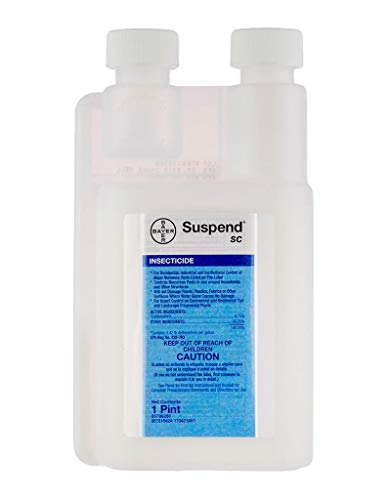
Bayer 4031982B Suspend SC 16oz

Demon-Max Gallon Multi-Pest Insecticide

MGK Onslaught FastCap Spider & Scorpion Pint

Lost Coast Plant Therapy 1 Gallon Natural Miticide
Syngenta 25001 Demon Max Insecticide

Hi-Yield 31332 38 Plus Turf & Insect 32 oz

Bonide Captain Jack Deadbug 16 oz

Hi-Yield 32027 55% Malathion Spray 8 oz

Athena IPM Insecticide & Fungicide 32 oz

AgroMagen GrowSafe Bio-Pesticide 1.45 Gal
Taking A Closer Look At The Options
Suspend SC is the kind of concentrate a serious hobby grower reaches for when mites start showing up across multiple plants at once. It mixes into a fine suspension (a liquid where active particles hang evenly dispersed rather than dissolving) and works as a contact-and-residual spray, so you get fast knockdown plus weeks of ongoing protection on treated surfaces.
For someone running a mixed indoor tent and outdoor patio setup, that dual action matters. One application can sweep colonies off the foliage and then keep working on the leaves and stems where new hatchlings emerge. It goes on without an obvious smell or chalky film, which makes spot-treating living areas easier than older pyrethroid sprays (synthetic insecticides modeled on natural pyrethrum chemicals).
What Pays Off
- Broad-spectrum formula covers more than 50 nuisance pests, so you handle mites and other invaders in one pass
- Long residual window means fewer repeat sprays during peak mite season
- Leaves no visible residue and no noticeable odor after drying
- Mixes readily with water for standard pump sprayers
Points To Keep In Mind
- Synthetic chemistry calls for gloves and basic ventilation during mixing
- Beneficial insects in the spray zone will be affected too, so timing matters near release programs
Made For
Active growers managing a multi-plant collection who want one bottle to handle mites, thrips, and whitefly outbreaks without juggling multiple products.
Reach For A Different Pick When
Organic-leaning growers should look at Lost Coast Plant Therapy instead, since its suffocation-based action skips synthetic actives altogether.
Demon Max in the gallon size is built for property-scale work, not a single houseplant. The active ingredient, cypermethrin (a synthetic pyrethroid that attacks insect nervous systems), holds up outdoors for an extended stretch, which makes it a common pick for perimeter sprays around foundations, fences, and garden borders.
Mites show up in that target list alongside dozens of other pests, so a perimeter pass often catches spider mites traveling in from surrounding turf. The low water solubility helps the active stay where you sprayed it instead of washing sideways into ornamental beds or storm drains, which is a real plus near sloped yards.
Where It Delivers
- Covers an unusually wide pest list from ants and aphids to termites and scorpions
- Extended outdoor residual reduces how often you need to re-treat the perimeter
- Stays bound to the treated surface rather than leaching (washing downward through soil) into groundwater
Factors To Consider
- Not designed for tender indoor foliage, so it lives mainly as an outdoor perimeter tool
- A full gallon is overkill for apartment dwellers or single-room growers
Best Suited To
Homeowners dealing with mite pressure that starts outside and drifts in, especially those who also battle ants, ticks, or termites around the same property.
Swap It Out When
Smaller indoor grows will find Hi-Yield 38 Plus far easier to handle if the priority is targeted lawn and barrier use on a tighter scale.
Onslaught FastCap earns its name by collapsing spider populations quickly and then holding the surface against newcomers. The pint bottle suits both indoor and outdoor use, and applicators commonly rotate it across livestock facilities, turf edges, and ornamental beds where label directions permit.
For spider mites specifically, the broad label coverage lets you treat ornamental plantings and surrounding hardscape in the same session. Compared with the Demon Max gallon above, this concentrate gives finer dosing control for smaller jobs without the bulk.
A Favorable Mix
- Fast knockdown against spiders, scorpions, and a long list of crawling pests
- Label covers residential, commercial, and livestock-side applications
- Pint bottle is manageable for spot treatments and small equipment
Trade Offs
- Synthetic actives mean you should treat away from open blooms where pollinators forage
- Storage in a cool, locked spot is wise because concentrates keep for a long time once opened
Who It Suits Best
Shoppers who want one bottle to handle both spider mites and occasional scorpion or spider sightings around garages, basements, and yard edges.
Look Elsewhere When
Houseplant-only growers working in a tight living space will likely prefer the contact-suffocation profile of Lost Coast Plant Therapy over a broad-spectrum concentrate.
Lost Coast Plant Therapy takes a different route. Instead of attacking the mite nervous system, it coats the pest and disrupts its respiration and digestion while drying out the body. Because that mode of action is suffocation and dehydration, the pests can’t develop resistance the way they sometimes do with chemical rotations.
The trade-off is coverage discipline: thorough saturation matters. You want the spray on every leaf surface, including the undersides where mites cluster, and a missed pocket becomes a refuge for survivors. For a home grower treating tomatoes, cucumbers, or ornamentals, that’s a manageable routine.
Features That Help
- Triple-action profile handles spider mites, powdery mildew, and other soft-bodied insects in one bottle
- Natural ingredient list appeals to households avoiding harsher chemistries
- One gallon covers a meaningful garden or several grow cycles in a small tent
Honest Caveats
- Missed leaf surfaces give mites a place to regroup, so coverage discipline is non-negotiable
- Reapplication every few days during active infestations is the norm rather than the exception
The Right Fit
Backyard veggie growers and indoor herb gardeners who want effective mite control without committing to synthetic pyrethroids.
Where Another Pick Suits Better
Producers running large greenhouse cycles may prefer the residual staying power of Bayer Suspend SC over a contact-only formula.
Syngenta’s Demon Max shares the active ingredient with the Demon Max gallon above, but ships in a more measured container aimed at applicators who already own sprayers and protective gear. It’s a concentrate you dilute to label specs, which keeps cost-per-treatment low for anyone running frequent passes.
The label covers both Subterranean and Formosan termite species along with the long list of mites, ants, and crawling pests, so a pest-control operator or experienced homeowner can address multiple issues from the same stock. The low water solubility keeps the active where you placed it.
Positive Points
- Wide pest coverage including tough termite categories
- Long residual performance reduces reapplication frequency
- Concentrate format supports cost-efficient mixing for large properties
Practical Considerations
- Requires careful dilution math and PPE (personal protective equipment) like gloves and eye protection during mixing
- Overkill for a windowsill herb garden where a lighter contact spray fits better
Key Attributes
Who Will Love This
Experienced applicators and serious property owners who already own spray equipment and want a pro-grade concentrate with broad reach.
A Better Fit Elsewhere
Casual indoor growers are better served by Captain Jack Deadbug, which trades some raw punch for gentler handling around edible crops.
Hi-Yield 38 Plus is a permethrin concentrate (permethrin is a synthetic pyrethroid insecticide that paralyzes pests on contact and residual contact) at 38 percent strength, which puts it firmly in outdoor territory. It’s built for turf, lawn edges, and barrier band treatments rather than indoor foliage, and the bottle pairs well with both pump sprayers and larger tank-type setups.
Spider mites around garden perimeters respond well to the broad pest list, which also reaches mosquitoes, ants, beetles, and roaches. You can lay a barrier band around a vegetable patch to slow incoming mites from surrounding grass, which is often where the infestation starts before plants show damage.
Strong Points
- 38% permethrin concentration supports cost-efficient perimeter spraying
- Mixes readily with water for tank or power sprayers
- Useful for spot application when an immediate knockdown is needed
Worth Bearing In Mind
- Outdoor-only label means it’s the wrong tool for houseplant outbreaks
- Permethrin is highly toxic to fish and cats, so application near ponds or feline-friendly spaces needs care
Right Fit For
Homeowners with lawn and garden edges who want one concentrate that handles mites plus a stack of other turf pests at the same time.
Consider Something Else When
Indoor-only setups should reach for Athena IPM or Lost Coast Plant Therapy, which were designed for plants rather than open turf.
Captain Jack’s Deadbug Brew is built around spinosad, a naturally derived bacterial active ingredient widely accepted in organic-leaning production. The label lets you spray many listed crops right up to the day of harvest, which is rare among miticides and a meaningful advantage for anyone growing food.
Spider mites appear on the target list alongside bagworms, beetles, caterpillars, thrips, and leaf miners, so a single mixed-garden pass can clear several problems in one session. The 16-ounce concentrate dilutes at 2 fluid ounces per gallon, which is forgiving math for hand-pump sprayers.
Strengths Worth Knowing
- Spinosad active suits organic-leaning garden programs
- Same-day harvest allowance on listed crops reduces scheduling stress
- Mixes with standard pump sprayers at a clear two-ounces-per-gallon ratio
Small Caveats
- Coverage matters since spinosad works by ingestion and contact, so wet both sides of leaves thoroughly
- Mix only what you need per session, as leftover diluted spray loses strength quickly
Feature Snapshot
Built With In Mind
Edible-garden growers who want a softer-profile miticide that still works through harvest day on vegetables, herbs, and fruit trees.
Not Your Match When
Wider property-scale pest issues belong with Demon Max, which covers termite and perimeter scope this concentrate doesn’t target.
Hi-Yield’s 55 percent malathion spray lands in a small 8-ounce bottle that punches above its size. Malathion is an organophosphate insecticide (a class of chemicals that disrupts insect nervous systems through a different mechanism than pyrethroids), and the high concentration here means a little goes a long way in the sprayer.
Spider mites sit on the label alongside aphids, thrips, and lace bugs, with applications on herbaceous plants, ornamental shrubs, vegetables, and fruit trees. That reach makes the bottle a sensible choice for mixed home landscapes where one product covers several plant types.
The Good Stuff
- 55 percent malathion concentration supports tight dosing per plant
- Label covers a wide range of ornamentals, veggies, and fruit trees
- Small bottle is easy to store on a shelf between treatment sessions
Some Limits To Know
- Strong organophosphate smell means spraying outdoors in calm weather and away from people
- Beneficial insects in the treatment area will be affected alongside the mites
Perfect Match For
Suburban gardeners with a mix of roses, fruit trees, and shrubs who want a compact bottle that handles several sucking pests at once.
Skip It When
Sensitive indoor grows will get a better experience with Bonide Captain Jack Deadbug, which carries a softer profile for food crops and living spaces.
Athena IPM combines insecticide and fungicide action in a single 32-ounce concentrate, which simplifies life when spider mites arrive alongside powdery mildew. The 25(b) minimum-risk classification (a regulatory category for products containing certain natural ingredients that meet reduced-risk criteria) signals an ingredient list built around gentler active compounds.
For an indoor grower dealing with stacked problems in a tent or greenhouse, having one bottle address both pest and disease pressure cuts the rotation in half. You still want good airflow and thorough leaf coverage, but the formulation reduces the number of separate products to schedule around each other.
Everyday Wins
- Dual-action profile handles mites, aphids, thrips, and powdery mildew
- Minimum-risk ingredient list appeals to indoor and family-friendly environments
- 32-ounce size covers multiple treatment cycles for a small indoor garden
Less Ideal Details
- Minimum-risk products often need more frequent reapplication than stronger synthetics
- Heavy infestations may still need a follow-up with a stronger contact spray
Feature Rundown
Whose Shelf It Belongs On
Indoor gardeners managing both pest and mildew pressure who want to keep their product list short and their grow room air gentler.
Another Choice May Suit
Yard-scale mite problems around shrubs and ornamentals fit Hi-Yield 55% Malathion better than a minimum-risk indoor formulation.
GrowSafe positions itself as a food-grade, plant-based miticide for households that want gentle ingredients without giving up coverage. The 1.45-gallon container covers a meaningful garden footprint, so the per-treatment cost drops quickly across a season of regular applications.
The label reaches two-spotted spider mites, broad mites, russet mites, whiteflies, aphids, and several mildew diseases across vegetables, ornamentals, and houseplants. For someone working an indoor herb shelf or a balcony planter, that reach removes the need to keep multiple specialty bottles around.
Where It Helps
- Plant-based ingredient list suits organic-leaning and indoor-sensitive households
- Covers spider mites along with whiteflies, aphids, and mildew issues
- Large 1.45-gallon format supports season-long application across mixed plantings
Details To Watch
- Plant-based formulas usually call for more frequent reapplication than synthetic concentrates
- Coverage on leaf undersides is essential for full mite collapse, so expect detailed spraying sessions
Quick Facts
Who Should Grab It
Organic-leaning growers with houseplants, balcony gardens, or full vegetable beds who want one bio-pesticide to span several pest and mildew issues.
Where Another Pick Suits Better
Heavy-duty perimeter and turf work belongs with Hi-Yield 38 Plus, which carries a permethrin concentration tuned for outdoor barrier use.
Choosing The Right Miticide For Your Setup
Spider mite outbreaks respond to different things depending on your growing environment, your tolerance for synthetic chemistry, and how big the problem has already become. Matching the product to the situation matters more than chasing a single magic bullet.
Indoor Versus Outdoor Use
Indoor grows reward products that go on without strong odor and dry without visible residue. Bayer Suspend SC and Athena IPM both fit that profile, and Lost Coast Plant Therapy works well when you’d rather skip synthetic actives entirely. Outdoor settings with lawn edges, foundation perimeters, and vegetable rows benefit from products like Demon Max and Hi-Yield 38 Plus that hold up against weather and reach across larger areas.
Active Ingredient And Mode Of Action
Mites build resistance over time when the same chemistry is used repeatedly. Rotating between modes of action, like a pyrethroid one treatment and a suffocation-based contact spray the next, slows that adaptation. Bonide Captain Jack Deadbug and AgroMagen GrowSafe offer biological or plant-based profiles that give you an alternative rotation point when you want to step away from synthetics for a cycle.
Plant Type And Harvest Timing
Edible gardens and fruit trees call for shorter pre-harvest intervals, so an organic-leaning option like Captain Jack Deadbug fits where a longer-residual pyrethroid would create scheduling headaches. For lawns, ornamental shrubs, and non-food plantings, residual staying power becomes the priority and products like Demon Max or Hi-Yield 38 Plus earn their place.
Picking Smart Without Overpaying
Pitfalls Shoppers Hit
The most common mistake is grabbing a broad-spectrum concentrate for a small indoor problem and ending up with months of leftover chemistry you don’t need. A 55 percent concentrate like Hi-Yield Malathion is powerful but wasteful when a gentle jug like Athena IPM would have handled the same houseplant outbreak. The other trap is buying a soft contact spray, skipping thorough coverage, and then blaming the product when colonies regroup on the undersides of leaves.
Where The Extra Money Goes
Higher-tier products earn their keep through longer residual windows, broader pest lists, and packaging sized for repeated applications. A one-gallon Demon Max jug makes sense for someone who treats perimeters every few weeks across a season, while a 16-ounce Captain Jack bottle is the right scale for a home gardener with two raised beds. Match the container size to your actual treatment rhythm, and the per-application cost drops into line with what you would have spent on cheaper refills anyway.
Frequently Asked Questions
How Do Spider Mites Damage Plants?
Spider mites feed by piercing plant cells and sucking out the contents, which causes stippling, yellowing, and eventually leaf drop when populations climb high enough.
Can Spider Mites Be Treated Without Synthetic Chemicals?
Yes, suffocation-based products like Lost Coast Plant Therapy and plant-based options like AgroMagen GrowSafe collapse colonies through contact without relying on synthetic pyrethroids.
How Often Should I Reapply A Miticide?
Most treatments call for reapplication every five to ten days during active infestations, especially for contact-only formulas, to catch mites that hatched since the last pass.
Are Spider Mite Treatments Safe For Edible Crops?
Some products like Bonide Captain Jack Deadbug are labeled for use up to the day of harvest on listed crops, while others require longer pre-harvest intervals, so always check the label.
Do Spider Mites Develop Resistance To Sprays?
Mites can build resistance to repeated use of the same chemical class, which is why rotating between different modes of action, such as a pyrethroid one cycle and a biological or suffocation spray the next, keeps treatments effective over time.
The Takeaway
The right spider mite treatment depends on whether you’re spraying a single houseplant, a backyard vegetable patch, or a property perimeter. Match the active ingredient to your tolerance level, the container size to your treatment rhythm, and the mode of action to your rotation plan, and the lineup above covers most of those scenarios with room to spare.
