

Aphids show up uninvited, cluster under new leaves, and turn a healthy rose bed into a sticky mess within days. The right spray cuts that cycle short, protects pollinators when used thoughtfully, and keeps edible crops from suffering curled, stunted growth. This guide walks through eight options that handle soft-bodied aphids well, from gentle botanical washes to concentrated professional formulas, so your garden gets back to looking like itself.
The Choices Worth Comparing
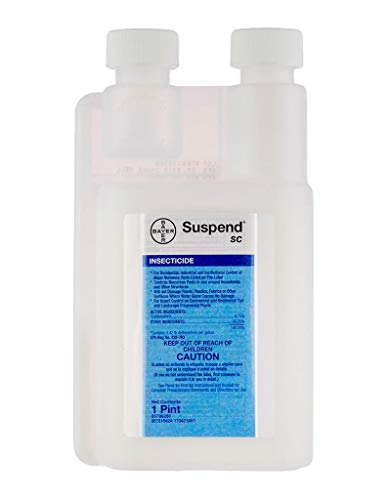
Bayer 4031982B Suspend SC 16oz

ENVU Tempo SC Ultra 240ml

Raid House & Garden Bug Killer 11oz (Pack of 10)

Syngenta 25001 Demon Max Insecticide
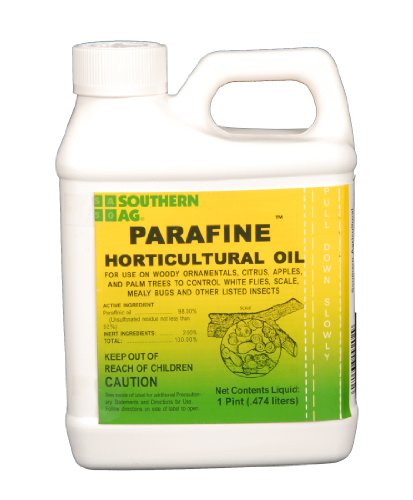
Southern Ag Parafine Horticultural Oil 16oz

Hi-Yield 55% Malathion Spray 32oz

Smart Grower Neem + Peppermint Mister 10oz

Smart Grower Neem + Peppermint Spray
What Each Pick Brings To The Table
This Suspend SC concentrate comes in a 16-ounce bottle designed for gardeners who measure, mix, and treat larger beds without buying aerosols by the case. Active ingredient is deltamethrin, a synthetic pyrethroid (a class of insecticides modeled on natural chrysanthemum chemistry) that targets aphid nervous systems on contact and keeps working after it dries.
Label coverage spans more than 50 nuisance pests, so the same jug handles boxelder bugs, clover mites, and occasional caterpillars that wander into your spray zone. Most suburban lawns and ornamental borders sit comfortably within a single bottle’s reach, and the lack of noticeable odor means you can treat near a patio without airing out the porch.
The Practical Payoff
- Broad label covers more than 50 pests beyond aphids, so the bottle earns its keep across the season.
- Long residual means fewer repeat sprays, which matters during humid stretches when aphid colonies double weekly.
- No odor and no visible residue keeps treated shrubs presentable for front-yard plantings.
- Concentrate format stretches further than ready-to-use aerosols for properties with multiple garden zones.
Points To Keep In Mind
- Mixing requires a dedicated sprayer and basic measuring discipline, so first-time gardeners face a small learning curve.
- Like most pyrethroids, it can affect beneficial predators, so spot-treating rather than blanket spraying protects ladybug populations.
Who It Suits Best
Ornamental gardeners managing sizable rose, viburnum, or crape myrtle plantings who want one jug that handles aphid outbreaks without repeated trips to the shed.
Where Another Pick Suits Better
Vegetable gardeners worried about edible-crop residue should weigh Hi-Yield 55% Malathion Spray 32oz for a treatment explicitly labeled on food plants.
Tempo SC Ultra concentrates beta-cyfluthrin into a low-dose liquid that handles the aphid, ant, and spider jobs most yards juggle at once. The 240ml bottle covers more than 100 nuisance pests on its label, including stored-grain insects for hobby farm or chicken-coop adjacencies.
Compared to Bayer 4031982B Suspend SC, this option uses a smaller active percentage but at a much lower use rate, meaning one bottle dilutes across more square footage. Quick knockdown suits mornings when you spot a fresh aphid bloom on the milkweed and want results before lunch.
Strong Points
- Coverage across more than 100 pests lets one bottle replace several niche products in the garage.
- Low use rate stretches a small bottle across surprisingly large garden areas, easing per-treatment cost.
- Liquid form mixes smoothly with less agitation, so sprayer sessions finish faster.
Trade Offs
- Concentrate demands accurate measurement, and small miscalculations with pyrethroids can affect beneficial insects.
- 240ml size feels modest at first, though the low dilution compensates for serious garden runs.
Key Product Details
Right Fit For
Homeowners facing persistent, mixed infestations across ornamentals, lawns, and outbuildings who want a single concentrated answer.
Look Elsewhere When
Pet owners wanting a botanical alternative should turn to Smart Grower Neem + Peppermint Spray for a gentler approach around curious animals.
This aerosol skips mixing entirely. Each 11-ounce can sprays a fine mist that knocks down aphids on contact and lists protection for boxelder bugs, caterpillars, climbing cutworms, and crickets without harming listed house or garden plants.
Unlike Bayer 4031982B Suspend SC, no measuring, no pump sprayer, no cleanup of concentrate residue. The pack-of-10 format suits property managers, greenhouse hobbyists, or anyone who treats scattered outbreaks across multiple containers throughout the season.
Standout Benefits
- Plant-safe formula on the label removes the hesitation around treating prized ornamentals near open blooms.
- No lingering chemical smell keeps treated rooms usable within minutes.
- Multi-pack value covers a full growing season for the casual gardener.
- Contact kill means visible results during the spray session, not days later.
Things To Consider
- Aerosol cans run out faster than concentrates on heavy infestations, so large-scale aphid colonies may chew through cans quickly.
- Spray drift indoors affects airflow, so ventilating rooms after treatment is widely recommended.
Best Suited To
Apartment dwellers and casual gardeners who want grab-and-go convenience without measuring chemicals or maintaining a pump sprayer.
Swap It Out When
Homeowners with apple, citrus, or avocado trees should pick Southern Ag Parafine Horticultural Oil 16oz for a smothering action suited to fruit-bearing wood.
Demon Max concentrates cypermethrin into a long-residual formula built for the kind of properties where aphids, chinch bugs, and fire ants all compete for the same shrub. The label includes subterranean and formosan termite species alongside a long roster of garden intruders.
Where ENVU Tempo SC Ultra focuses on quick knockdown, this option leans into staying power. Low water solubility means the active ingredient binds to treated surfaces rather than washing straight into nearby soil or storm drains, which matters for sloped yards and properties near wells.
Where It Excels
- Long residual cuts down repeat visits during heavy aphid pressure weeks.
- Low water solubility reduces leaching, which helps gardens with drainage that runs toward vegetable beds or water features.
- Target list spans more than 30 pests, so a single jug handles broader property pest pressure beyond aphids.
Honest Caveats
- Concentrate format requires accurate dilution and PPE during mixing.
- Stronger chemistry than casual gardens need, so it’s overkill for a single tomato plant on a balcony.
Feature Rundown
Whose Shelf It Belongs On
Large-property owners, rural lots, and small-acreage homesteads that need one jug to manage aphid colonies alongside ants, mites, and perimeter pests.
Skip It When
Indoor herb gardeners should reach for Smart Grower Neem + Peppermint Mister 10oz to avoid strong chemistry in enclosed living spaces.
Parafine oil works by smothering aphids, scale, white fly larvae, mealybugs, and spider mites under a thin petroleum film that blocks their breathing. The 16-ounce bottle contains 98% paraffinic oil plus 2% emulsifier, which helps it mix cleanly into a pump-sprayer slurry.
Compared to the synthetic chemistry in Syngenta 25001 Demon Max Insecticide, this option suits gardeners who prefer a physical mode of action over a neurotoxic one. Label rates vary by season: dormant applications use 4 to 8 tablespoons per gallon, while growing-season sprays drop to 1 to 4 tablespoons.
Practical Advantages
- Approved for many woody ornamentals including palms, citrus, avocados, mangos, roses, and ivy.
- Smothering action means aphids cannot develop resistance the way they sometimes do with synthetic sprays.
- Concentrate stretches into multiple gallons of finished solution per bottle.
Softer Spots
- Full coverage requires thorough leaf undersides, which slows down spraying sessions considerably.
- Cannot be applied during high heat or direct sun, so timing matters on summer afternoons.
Made For
Citrus, rose, and fruit-tree growers who want to treat aphids, scale, and mites with one bottle that doubles as a dormant and growing-season tool.
Not Your Match When
Vegetable gardeners needing fast knockdown should consider Hi-Yield 55% Malathion Spray 32oz for a quicker-acting alternative.
Malathion is one of the older organophosphate insecticides still in common garden use, and the 55% concentrate in this 32-ounce bottle gives vegetable and fruit-tree growers an option labeled for edible crops. It handles aphids, thrips, spider mites, and lace bugs in the same mixing session.
Versus the oil-based Southern Ag Parafine Horticultural Oil 16oz, malathion works through contact and vapor action rather than smothering, so it reaches aphids hiding in curled new growth. The label covers herbaceous plants, ornamental non-flowering plants, shrubs, vegetables, and fruit trees.
Notable Upsides
- Multi-pest label reduces the need for separate miticides and aphid treatments during heavy pest weeks.
- Approved for edible crops including vegetables and fruit trees on the same label.
- 32-ounce size provides generous coverage for a full backyard garden run.
- Contact and vapor action reaches aphids inside curled leaves where sprays often miss.
Practical Considerations
- Application in calm weather with no rain predicted for 24 hours is widely recommended to keep the spray on target.
- Stronger odor than horticultural oils, so timing outdoor applications away from open windows helps.
Quick Facts
Who Should Grab It
Backyard vegetable and fruit-tree growers who want one bottle that handles aphid outbreaks across edible crops and ornamentals at the same time.
Reach For A Different Pick When
Greenhouse operators with broad pest spectra might prefer ENVU Tempo SC Ultra 240ml for coverage beyond what a malathion bottle offers.
Pre-mixed and bottled in a refillable continuous mister, this neem oil and peppermint blend removes every barrier between spotting aphids and treating them. The 10-ounce bottle fits comfortably in one hand and reaches undersides of foliage without stretching or tilting.
Compared to the synthetic chemistry of Hi-Yield 55% Malathion Spray 32oz, the botanical formula relies on neem oil’s disruption of insect feeding and growth cycles, plus peppermint oil’s scent masking. It suits renters, indoor herb gardeners, and anyone treating a few houseplants on a kitchen counter.
Reasons It Performs
- No mixing means first-time gardeners can treat plants without measuring mistakes.
- Continuous mister reaches leaf undersides where aphids cluster, with a steady spray pattern.
- Plant-based formula suits indoor environments where ventilation is limited.
- Compact bottle stores easily on a plant shelf between uses.
Things To Weigh
- 10-ounce size runs out quickly on a full collection of houseplants, so restocking is common during peak aphid weeks.
- Botanical action works more slowly than contact synthetics, so multiple weekly applications are commonly needed.
Perfect Match For
Houseplant owners and renters who want a no-mix, low-odor option that handles light aphid pressure on a windowsill collection.
A Better Fit Elsewhere
Growers with active aphid colonies on tomatoes or peppers should switch to Hi-Yield 55% Malathion Spray 32oz for faster knockdown.
This second neem and peppermint offering from the same brand trades the refillable mister for a simpler spray format aimed at indoor and outdoor use. The formula relies on essential neem oil for shiny, residue-free leaves and peppermint oil as a complementary botanical.
Where the Smart Grower Neem + Peppermint Mister 10oz leans into ergonomic misting, this version sits closer to a traditional spray bottle for gardeners who prefer that grip. The botanical composition stays the same, so the choice comes down to preferred applicator.
What Makes Sense
- Plant-based formula widely suits households with pets, kids, and edible herb collections when used as directed.
- Spray format reaches stems and leaf joints where aphids like to settle after fresh growth.
- Neem oil leaves a subtle shine on foliage that doubles as a leaf-cleaning step.
Worth Bearing In Mind
- Botanical action requires repeat applications every few days during heavy infestations, so a single bottle rarely solves a colony in one pass.
- Pet safety depends on following label directions, including keeping treated surfaces dry before animals brush against them.
Feature Snapshot
Who Will Love This
Households with cats, dogs, or curious kids who want a gentler botanical option for treating aphids on indoor and outdoor foliage.
Consider Something Else When
Apartment dwellers without outdoor hose access should grab the Smart Grower Neem + Peppermint Mister 10oz for easier undersides coverage.
What Matters Most Before Choosing Sprays For Aphids
Active Ingredient And Mode Of Action
Aphids are soft-bodied insects that respond to several different control methods, and the ingredient list tells you which approach a product takes. Pyrethroids (synthetic insecticides modeled after chrysanthemum chemistry, like deltamethrin and beta-cyfluthrin) attack the nervous system, while horticultural oils work by smothering under a thin film. Neem oil disrupts feeding and growth cycles over several days, which slows results but suits gardeners who prefer botanical action. The honest read is that contact synthetics act fastest, oils and neem trade speed for gentler chemistry, and the choice depends on how urgently you need results.
Spray Format And Garden Size
Ready-to-use aerosols like Raid House & Garden Bug Killer 11oz (Pack of 10) suit scattered, small-area treatments. Concentrates such as Bayer 4031982B Suspend SC 16oz, ENVU Tempo SC Ultra 240ml, Syngenta 25001 Demon Max Insecticide, Southern Ag Parafine Horticultural Oil 16oz, and Hi-Yield 55% Malathion Spray 32oz stretch further on large properties but require measuring and a pump sprayer. Pre-mixed botanical bottles like Smart Grower Neem + Peppermint Mister 10oz fit houseplant routines without gear. Match the format to the job, not the other way around.
Plant Safety And Application Timing
Some sprays tolerate listed ornamentals only, while others carry fruit-tree or vegetable labels. Oils should not be applied during high heat or direct sun, since leaf burn is a common risk. Synthetic pyrethroids affect beneficial insects, so spraying at dusk when pollinators are less active is widely recommended. Always read the label for crop-specific directions.
Choosing Well Between These Picks
Where Shoppers Go Wrong
Treating on a windy day sends spray drift onto unintended plants and into neighboring yards, which is one of the most common slip-ups. Another trap is blanket-spraying an entire shrub when only the new growth is infested, which wastes product and harms beneficial predators. Skipping leaf undersides lets aphid colonies rebuild within days, no matter which bottle you pick. Lastly, mixing concentrates in unlabeled containers invites measurement errors that compromise both effectiveness and plant safety.
Where The Extra Money Goes
Higher-cost concentrates like ENVU Tempo SC Ultra 240ml and Syngenta 25001 Demon Max Insecticide typically deliver stronger residuals, broader pest spectra, and lower use rates that stretch across bigger areas. For a single tomato on a balcony, that money buys capabilities you won’t use. For a multi-zone yard with mixed pest pressure, the upgrade pays off because one bottle replaces several niche products and reduces the total number of spray sessions per season.
Frequently Asked Questions
When Is The Best Time To Spray For Aphids?
Early morning or late evening works best, when pollinators are less active and temperatures stay moderate. Treating during peak sun increases leaf burn risk for oil-based products.
Can These Sprays Harm Beneficial Insects?
Pyrethroids and malathion can affect ladybugs, lacewings, and bees on contact, so spot treatment during low-activity hours protects beneficials. Oils and neem formulations tend to be gentler when used as directed.
How Often Should I Reapply?
Most concentrates recommend a 7 to 14 day interval, while botanical sprays like neem often need every 5 to 7 days during active infestations. Always follow the specific label intervals.
Are These Sprays Safe For Edible Crops?
Hi-Yield 55% Malathion Spray 32oz carries explicit vegetable and fruit-tree labels. Oils like Southern Ag Parafine Horticultural Oil 16oz work on many fruit trees when applied during dormancy or low heat windows.
Do I Need A Pump Sprayer For These Products?
Concentrates require one, while Raid House & Garden Bug Killer 11oz and the Smart Grower neem bottles arrive ready to use. Match your sprayer inventory to the format you choose.
Closing Thoughts
Aphids move fast, so the right spray depends on your garden’s scale, your tolerance for synthetic chemistry, and how quickly you need results. Concentrates handle large properties and heavy pressure, aerosols and pre-mixed botanicals fit smaller spaces and indoor collections. Pick the format that matches your routine, follow label timing, and your plants bounce back within a week or two.
