

Yellow blooms feel cheerful until they seed the whole yard. Dandelions send taproots deep into the soil, and a quick mow never solves the underlying problem. The right spray, matched to your lawn type and weed pressure, finally breaks that cycle without harming the grass you actually want to keep. Below are ten options spanning selective turf herbicides, total-kill concentrates, ready-to-use refills, and precision edge tools. Pick the one that fits your scope, your sprayer setup, and how much elbow grease you want to invest.
The Choices Worth Comparing
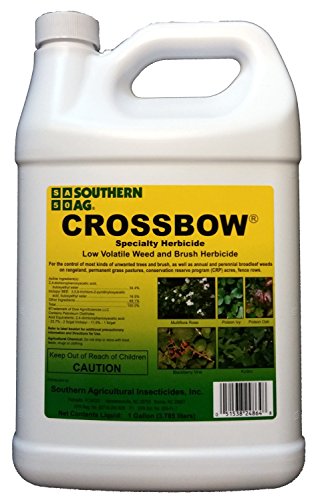
Southern Ag Crossbow Specialty Herbicide (128oz)
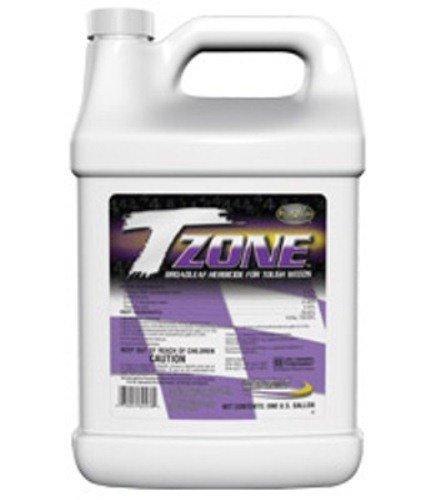
T-Zone Turf Herbicide – 1 Gallon

Roundup Concentrate Plus Weed Killer 36.8 oz

Roundup Ready-to-Use Weed Killer III Refill

Roundup Weed & Grass Killer4 Refill 1.25 gal
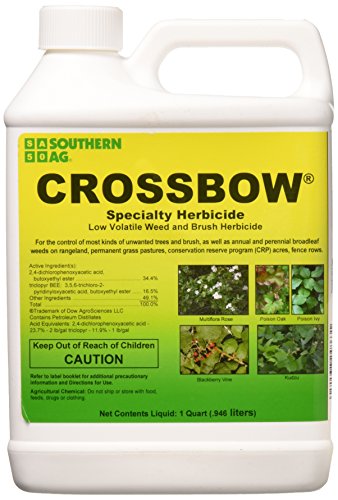
Southern Ag Crossbow Herbicide 32oz Quart

Roundup Weed & Grass Killer4 Concentrate 64oz

Atticus Semera Flumioxazin Aquatic Herbicide 5 lb

Brushtox Brush Killer with Triclopyr 32 oz

Spectracide Weed & Grass Foaming Edger 17 oz
A Deeper Look At The Lineup
Crossbow is a low-volatile ester (a chemical formulation designed to evaporate slowly, reducing vapor drift) that tackles tough brush, and its gallon size stretches far enough for serious acreage. You dilute it with water, so the same jug covers pasture edges, fence rows, and overgrown ditch banks without breaking a sweat.
It targets broadleaf weeds like dandelions plus woody plants such as poison ivy, kudzu, and brambles. Landowners managing rural property tend to reach for this jug specifically because the volume matches the workload.
Noteworthy Benefits
- One gallon mixes down to a large working volume, keeping per-application cost reasonable
- Handles both annual weeds and deep-rooted brush species in the same pass
- Low-volatile ester stays put once applied, which reduces the risk of off-target damage from fumes drifting on a breezy afternoon
- Useful on fencelines, hedgerows, and neglected corners where mowers cannot reach
Things To Consider
- Not a selective turf product, so it will injure or kill desirable grass nearby if you spray it across a lawn
- Requires a dedicated pump sprayer and thorough rinsing after each use to avoid contaminating future applications
Feature Snapshot
Made For
Rural property owners clearing brush along fence lines and pastures where conventional lawn herbicides fall short.
Consider Something Else When
You need to spare surrounding turfgrass, in which case the T-Zone Turf Herbicide in the second slot is the safer route.
T-Zone is a selective post-emergent herbicide (a product that kills weeds already growing rather than preventing germination), built for cool-season lawns. Where basic 2,4-D blends stall on clover or violets, the four-active-ingredient mix keeps working when temperatures hover in the 50s and 60s, which matters for early spring and late fall applications.
It also suppresses young, actively growing yellow nutsedge, a sedge (a grass-like weed with triangular stems) most broadleaf products leave untouched. For homeowners who want one jug that handles dandelions and the harder-to-kill invaders in the same afternoon, T-Zone earns its keep.
The Value In It
- Four-way active ingredient blend tackles dandelions, wild violets, ground ivy, oxalis, and clover
- Maintains effectiveness in cooler weather when most broadleaf killers slow down
- Provides measurable suppression of yellow nutsedge, saving a second product purchase
- Compatible with most cool-season turfgrasses when applied at label rates
Worth Noting
- Not labeled for every state, so checking local restrictions before ordering avoids a wasted shipment
- Gallon container adds weight, and a sturdy pump sprayer helps you finish without arm fatigue
Right Fit For
Homeowners with cool-season turf fighting a stubborn mix of dandelions, violets, and clover that cheaper three-way blends keep missing.
Look Elsewhere When
You want a no-mix option, in which case the Roundup Ready-to-Use Weed Killer III Refill later in this list fits small jobs faster.
Roundup’s concentrate has been a household name for good reason. The included Easy Measure cap takes the guesswork out of mixing, and the FastAct chemistry shows yellowing in as little as nine hours on actively growing weeds. That quick feedback loop helps you confirm coverage before moving on.
Use it on driveways, walkways, gravel areas, and mulched beds where you want bare ground. Avoid spraying lawn turf, because this is a non-selective herbicide (it kills any green plant it contacts, grass included).
Good Reasons To Consider
- Built-in measuring cap keeps dilution consistent from one tank fill to the next
- Rapid visual response on green weeds confirms the spray reached the target
- Rainproof within half an hour, so a passing shower rarely ruins the application
- Concentrate format stretches further than premixed bottles for big hardscape projects
Room For Improvement
- Total-kill action means overspray on lawn edges leaves brown spots you did not intend
- Storage in a shaded, temperature-stable spot keeps the concentrate usable for multiple seasons
Who It Suits Best
Homeowners prepping garden plots or clearing gravel and hardscape areas where total vegetation control beats selective treatment.
A Better Fit Elsewhere
You want selective turf safety, in which case the T-Zone Turf Herbicide reviewed above protects the surrounding grass.
This refill pours straight into a compatible Roundup wand, skipping the measuring step entirely. The no-mix formula appeals to anyone who treats weeds in short bursts between weekend chores rather than filling a pump sprayer.
It works around vegetable gardens, flower beds, tree rings, and mulched areas, plus the cracks along driveways and patios where dandelions love to anchor. You get visible results in roughly three hours and rainproof protection after ten minutes.
Points In Its Favor
- Zero mixing means no measuring cups, no surplus concentrate, and no tank to rinse afterward
- Compatible with most refillable Roundup wand applicators you may already own
- Quick visible response lets you confirm the spray landed on each target weed
- Reasonable for spot-treating scattered dandelions in established beds without harming nearby ornamentals when applied carefully
Small Caveats
- Per-ounce cost runs higher than concentrates, so large acreage gets expensive
- Requires a compatible wand; if you do not already own one, factor that accessory into the setup
Best Suited To
Garden owners treating a few dozen weeds at a time, especially those who dislike mixing concentrates.
Swap It Out When
Your weed patch covers more than a small bed, where the Roundup Weed & Grass Killer4 Refill jug covers more ground per dollar.
The 1.25-gallon refill targets homeowners managing larger lots or repeated treatments across a season. It kills tough broadleaf weeds, including dandelions and crabgrass, down to the root, so retreatment intervals stretch further than contact-only products.
Planting new grass or ornamentals is allowed one to thirty days after application depending on the rate. Always cross-check the booklet for the exact interval before reseeding bare patches.
Why It Works Well
- Bulk volume lowers the cost per treated square foot on bigger lawns
- Root-kill action limits repeat trips with the sprayer
- Roughly half-hour rainproof window fits unpredictable spring weather
- Suits yard renovations where the entire lawn needs clearing before reseeding
Honest Caveats
- Total-kill chemistry means it does not differentiate between dandelion and prized perennial, so careful aiming matters
- The jug weighs several pounds when full, so plan a sturdy shelf in the garage
Who Will Love This
Property owners tackling full-yard renovations or persistent weed infestations that have built up over several seasons.
Not Your Match When
You only have a handful of weeds, in which case the Spectracide Foaming Edger later in the list offers targeted precision.
The quart-sized Crossbow delivers the same active ingredients as the gallon jug, just in a friendlier package for one-time or seasonal use. It suits homeowners with a small section of brush to clear rather than acres of pasture.
Mix it according to the label for spot treatments on fence lines, isolated thickets, or stubborn perennial weeds. Smaller container weight also makes storage simpler in a crowded shed.
What Stands Out
- Compact size fits on standard shelving without dominating storage space
- Same effective chemistry as the larger gallon for matching results
- Reasonable for first-time users who want to test Crossbow before committing to bulk size
- Works on both woody brush and broadleaf weeds in the same spray pass
Points To Keep In Mind
- Higher per-ounce cost than the gallon, so large projects become pricey fast
- Still requires a separate pump sprayer and proper rinsing between uses
Built With In Mind
Homeowners with a one-season brush project who want proven chemistry without buying more jug than they will use.
Reach For A Different Pick When
You have multi-acre coverage to treat, in which case the Southern Ag Crossbow gallon earlier in this list saves repeated refilling.
This concentrate pairs the Killer4 formula with a Sure Shot wand, giving you shielded spray delivery in tight spaces. Aim the shielded nozzle into the base of a dandelion rosette (the low, circular cluster of leaves at the soil surface) without coating the petunias planted six inches away.
It works around flower beds, tree rings, walkways, and along fences, the spots where hand-weeding feels endless. The 64-ounce bottle is also a comfortable middle ground between the small concentrate and the 1.25-gallon refill.
Notable Upsides
- Shielded wand reduces drift onto desirable plants in mixed borders
- Reasonable middle volume between quart and gallon sizes
- Kills dandelions and other broadleaf weeds down to the root for fewer retreatments
- Planting interval of one to thirty days supports flexible reseeding schedules
Trade Offs
- Total-kill chemistry means you still need care around grass you want to keep
- Requires the included Sure Shot wand for the precision benefit, which adds a small learning curve
Key Product Details
Perfect Match For
Garden owners with mixed beds who want accuracy near prized plants without giving up total-kill strength.
Where Another Pick Suits Better
You want selective turf protection, where the T-Zone Turf Herbicide earlier in this list keeps the lawn intact.
Semera sits in a different lane from the rest of this list. It targets aquatic weeds such as duckweed, alligator weed, and coontail, making it a tool for pond owners and water-feature managers rather than lawn-focused gardeners.
Flumioxazin works as a contact herbicide (one that damages only the plant tissue it touches), so coverage and timing matter. For properties with both dryland weeds and water features, Semera handles the wet side of the equation.
Where It Excels
- Targets common aquatic invaders that ordinary lawn sprays leave untouched
- Water-dispersible granule (WDG) format dissolves cleanly for spray-tank application
- Useful for property owners with retention ponds, irrigation features, or decorative water gardens
Worth Bearing In Mind
- Specialty focus means it does not replace a standard dandelion spray for turf use
- Local aquatic-application rules vary, so check regulations before treating natural waterways
Whose Shelf It Belongs On
Pond managers and rural landowners who face floating and submerged weeds beyond the standard lawn roster.
Skip It When
Your weed problem is purely a backyard lawn issue, where the Roundup or T-Zone products earlier in this list serve you better.
Brushtox leans on triclopyr (a synthetic auxin herbicide, meaning it mimics plant growth hormones and disrupts them, killing targeted weeds) as its active ingredient. That chemistry specializes in woody plants, vines, and stubborn brush that generic 2,4-D blends miss.
It suits fence-line cleanups, bramble patches, and overgrown corners where grass weeds are not the main concern. Mixing rates are simple, and a quart bottle handles most suburban brush projects in a single season.
Positive Takeaways
- Triclopyr is well-suited for woody brush, vines, and brambles that other sprays struggle against
- Concentrate format lets you tune the dilution for the target species
- Quart bottle is manageable for one homeowner to carry and store
- Compatible with standard pump sprayers found in most garden sheds
A Few Limitations
- Not formulated for selective turfgrass use, so lawn overspray causes damage
- Brush treatments can take a full growing season to show complete kill on tough species
Who Should Grab It
Homeowners reclaiming fence lines or woodland edges where brush and vines crowd out useful space.
Another Choice May Suit
You primarily battle lawn weeds, in which case the T-Zone Turf Herbicide earlier in the list keeps the grass healthy.
The foaming edger delivers total-kill herbicide (a non-selective formula that kills any plant it touches) in an aerosol can, so there is no mixing, no pump sprayer, and no leftover concentrate to store between seasons. The foam clings to leaves long enough to show exactly where you sprayed, which helps avoid gaps along a walkway edge.
It suits quick cleanups along curbs, driveways, and fence lines where a few stray dandelions poke through. Reaching for a can beats dragging out a tank for a five-minute touch-up.
Practical Advantages
- Aerosol format skips mixing, pumping, and cleanup between uses
- Visible foam marks treated weeds so you can spot missed patches at a glance
- Handy for tight edging work along walkways and driveways
- Compact can fits on a shelf without taking over the storage area
Less Ideal Details
- Per-ounce cost runs higher than bulk concentrates, so it is not economical for large areas
- Total-kill action still requires care near lawn edges to avoid brown stripes
The Right Fit
Homeowners who want grab-and-go convenience for small edging jobs and stray weeds between major treatments.
Where A Sibling Pick Shines
You face a broad dandelion bloom across the whole lawn, in which case the Roundup Weed & Grass Killer4 Refill earlier in the list delivers better value.
What Matters Most Before Choosing Sprays For Dandelions
Match the chemistry to the goal
Selective herbicides spare desirable grass while targeting broadleaf weeds such as dandelions. Total-kill formulas stop growth of every plant they contact, including lawn grass. Pick the wrong mode and you trade one weed problem for brown patches. Cool-season lawns usually respond well to three-way or four-way blends built around 2,4-D, dicamba, and mecoprop, while warm-season turf may need different active ingredients to avoid injury. Reading the label’s turfgrass compatibility chart before buying prevents most regret purchases.
Concentration and format drive cost per job
Concentrates cost more up front but dilute into a larger working volume. Premixed refills and aerosols trade higher per-ounce cost for convenience. A two-gallon pump sprayer (a handheld pressurized tank used to apply liquid treatments) finishing an average suburban lawn in a single tank benefits from concentrate. A balcony gardener with three weeds benefits from a ready-to-use refill. Match the format to the workload and storage capacity you actually have.
Weather and timing change results
Most broadleaf sprays need calm, dry conditions with temperatures above 50°F. Spray when no rain is expected for several hours, and mow two to three days before treatment so weed leaves have plenty of surface area to absorb the chemical. Spring and fall applications catch dandelions during active growth, when translocation (the plant’s internal movement of sugars and water) pulls the herbicide down into the taproot.
Coverage, drift, and safety basics
A coarse droplet (a larger spray particle that falls quickly rather than floating on air) and a low-pressure nozzle cut down on drift onto neighboring vegetable beds or flower borders. Spot-treating rather than broadcast spraying saves money and protects nearby ornamentals. Gloves and eye protection keep application straightforward, and storing concentrates in their original labeled containers, away from children and pets, prevents accidents.
Key Considerations Across These Picks
Where Shoppers Go Wrong
Buying the strongest concentrate available and applying it across the entire lawn is a classic mistake. Total-kill products do not differentiate between dandelions and fescue, so the result is a uniform brown yard. Equally common is spraying during a windy afternoon, when droplet drift damages tomatoes or roses growing nearby. Reading the label’s drift guidance, choosing calm mornings, and selecting selective products for turf areas all sidestep these pitfalls.
Where The Extra Money Goes
Higher-tier options typically add a more complete active-ingredient blend, better cool-weather performance, or applicator accessories such as shielded wands. The case for spending more usually comes down to weed spectrum (the range of weed species a product can control): a four-way blend handles dandelions, clover, and ground ivy in one pass, while a basic 2,4-D mix leaves the harder species standing. Premium pricing also tends to buy convenience features like measuring caps or ready-to-spray wands that save time across multiple uses.
Frequently Asked Questions
How long does it take to see dandelions die after spraying?
Most broadleaf sprays show yellowing within a few days, though full kill of the taproot can take two to four weeks. Cooler temperatures slow visible results, so patience helps during early spring or late fall applications.
Can I spray dandelions without killing surrounding grass?
Yes, when you choose a selective herbicide labeled for your turf type. Selective products target broadleaf weeds while leaving most lawn grasses unharmed. Always confirm the label lists your specific grass species before treating.
Is it better to spray dandelions in spring or fall?
Fall applications often win because the plant moves energy downward into the taproot, pulling herbicide with it. Spring works well too, especially during active growth, and may be the only practical window before summer heat sets in.
Do I need a special sprayer for concentrate herbicides?
Most concentrates mix cleanly into a standard pump sprayer or backpack sprayer. Rinse the tank thoroughly between products to avoid contaminating future applications, especially when switching between selective and total-kill formulas.
Are ready-to-use refills weaker than concentrates?
Refills use the same active ingredients, just pre-diluted. The chemistry is comparable, but per-ounce cost runs higher, which makes refills less economical for large areas.
Bottom Line
Dandelion control comes down to matching chemistry, format, and scale to your yard. Cool-season lawns with mixed weeds benefit most from a selective four-way blend, while hardscape and renovation projects call for a total-kill concentrate. Specialty cases such as pond weeds or heavy bramble patches have their own dedicated tools on this list. Pick the format you will actually use, read the label for your grass type, and treat during active growth for the cleanest results.
