

A backyard orchard can swing from thriving to struggling in a single season, and most of that comes down to what you spray, when, and why. Aphids chew through tender leaves, fungal spots creep across developing fruit, and nutrient-poor soil starves a tree of what it needs to set a real harvest. The right combination of fertilizer and pest control turns guesswork into a routine your trees can count on, and that is what this roundup is built around.
The Choices Worth Comparing

Miracle-Gro Water Soluble Plant Food 5 lb

Citrus II Odor Eliminating Air Freshener Spray

Farmer’s Secret Fruit Tree Booster Fertilizer (128 oz)

BioAdvanced Fruit, Citrus & Vegetable Insect Control 32 oz
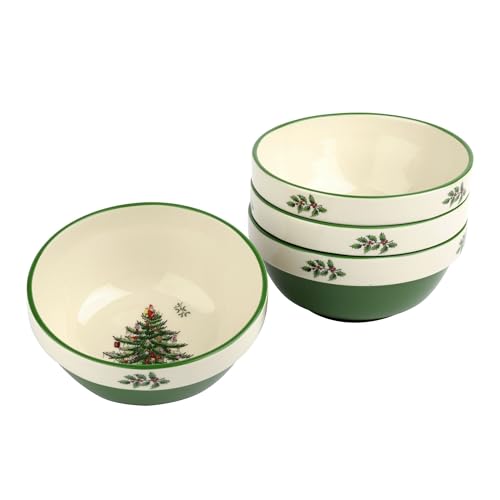
Spode Christmas Tree Stacking Bowls Set of 4
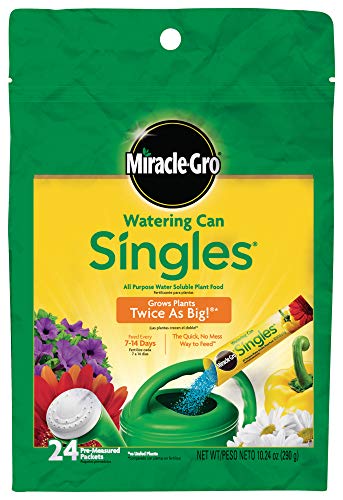
Miracle-Gro Watering Can Singles Plant Food 24 Packets

BioAdvanced 3-in-1 Fruit, Citrus, and Nut Tree Spray 32 oz

BioAdvanced Fruit & Citrus Tree Insect Control 32 oz
The Picks, Examined More Closely
If your yard mixes fruit trees with flowers, vegetables, and ornamentals, a single jug of water-soluble plant food can cover all of them. The 5-pound container dissolves quickly into a watering can or feed applicator, which means less measuring and faster sessions during the heavy spring push. You will find it especially handy during bud break and early fruit set, when nitrogen demand climbs.
Garden Choice
What Earns Its Place
- Water-soluble format feeds roots quickly during peak demand
- Works across indoor houseplants, outdoor ornamentals, and edible gardens
- Compact 5 lb tub stores neatly on a garage shelf between feedings
- Beginner-friendly routine with no specialty equipment required
Things To Consider
- Not fruit-tree-specific, so micronutrient balance is general rather than targeted
- Needs reapplication every 1 to 2 weeks through the growing season
- Owners commonly report measuring spoons corrode if left wet, so dry them right after use
Who It Suits Best
Backyard growers tending a mix of fruit trees alongside flowers and vegetables get the most out of this balanced everyday feeder.
Where Another Pick Suits Better
Orchard owners focused purely on fruit yield should consider the Farmer’s Secret Fruit Tree Booster Fertilizer, which targets the early growth cycle.
Not every spray in a fruit tree routine is meant for the tree itself. After you bring in the harvest, this non-aerosol odor neutralizer handles the kitchen, pantry, or root cellar where you store the bounty. The pump-style bottle skips propellants, which matters if you live with asthma or allergy sensitivity. It also means no chemical hiss drifting into food-prep areas.
Simple Standout
Notable Gains
- Eliminates airborne odors on contact rather than masking them
- Non-aerosol pump format with no perfumes or propellants
- Compact 5.2 fl oz bottle fits easily on a countertop or in a harvest basket
- Sensitive users benefit from the unscented, low-irritant profile
Worth Noting
- Not designed for actual tree or plant application
- Small bottle size means frequent refills in busy kitchens
Key Product Details
Made For
Anyone storing or processing tree fruit indoors and wanting clean air without synthetic fragrance cloud.
Consider Something Else When
For actual foliage protection, the BioAdvanced 3-in-1 Fruit, Citrus, and Nut Tree Spray handles insects and disease on the tree itself.
When early-spring feeding matters most, a phosphorus-rich booster aimed specifically at fruit trees earns its place. The super-concentrated formula means one teaspoon diluted in water can feed a meaningful portion of your orchard, so the 128-ounce bottle stretches across multiple seasons. Designed for the dormancy-to-bud window, it lines up with the moment your trees are hungriest.
Performance Leader
Where It Delivers
- Phosphorus-rich profile supports bloom set and early fruit development
- Super-concentrated dilution rate keeps bottles lasting longer per feeding
- Works across peach, apple, banana, and other common fruit trees
- Liquid format absorbs quickly into root zones
Honest Caveats
- Best timed to early growth windows, so misuse outside that window can disappoint
- Larger 128 oz bottle demands dedicated storage space in a shed or garage
Best Suited To
Serious orchard keepers who want a targeted nutrient push right after dormancy break.
A Better Fit Elsewhere
Casual weekend gardeners may find the Miracle-Gro Watering Can Singles easier to handle without dilution math.
Foliar spraying gets tedious across a multi-tree orchard, which is where a soil-applied systemic earns attention. This 32-ounce concentrate mixes and pours at the base, sending active ingredients up through the roots to guard leaves and fruit from listed insects. Once it dries after about an hour, the formula stays put through rain and irrigation.
Heavy Duty Pick
A Favorable Mix
- Rainproof within roughly one hour of application, reducing re-spray pressure
- Targets listed pests on fruit, citrus, and vegetable crops in one product
- Pour-and-mix approach avoids hauling a heavy sprayer up a ladder
- 32 oz concentrate scales to mid-size orchards without constant refilling
Points To Note
- Systemic approach leaves chemical residue in plant tissue, so timing around harvest matters
- Concentrate requires accurate dilution to avoid waste or under-dosing
- Storage in a cool, dry shed protects potency between seasons
Spec Overview
Right Fit For
Growers managing several mature trees who want season-long protection without foliar spraying.
Skip It When
You need disease control alongside insect control, in which case the BioAdvanced 3-in-1 Fruit, Citrus, and Nut Tree Spray covers both.
Some sprays nourish the tree, others tidy the kitchen. After a successful harvest, you need somewhere to present apples, citrus, and stone fruit at the holiday table. These 5.5-inch stacking bowls in fine earthenware nest together for off-season storage, leaving cabinet space free for the rest of your dinnerware.
Seasonal Pick
A Few Strong Suits
- Stackable design cuts cabinet footprint during the eleven months they sit unused
- Fine earthenware body holds up to everyday handling and dishwashing
- 5.5-inch diameter suits individual servings of fruit or sides
- Classic holiday pattern doubles as gift-ready presentation ware
Trade Offs
- Pattern is highly seasonal, so year-round table use feels out of place
- Fine earthenware can chip at the rim if stacked without felt liners
Who Should Grab It
Holiday hosts who want a recognizable serving set for fruit bowls and side dishes at seasonal gatherings.
Another Choice May Suit
If you want something that doubles as everyday dinnerware, plain white stacking bowls from a non-seasonal line will see more use.
New tree owners often overthink feeding schedules. Pre-measured single packets solve the math problem entirely: tear one open, drop it into a watering can, water your tree, done. The 24-pack covers most of a growing season without leaving you with half-used tubs or messy scoops.
Beginner Friendly
Strong Points
- Pre-measured packets remove dilution guesswork entirely
- Water-soluble formula feeds plants while you water
- 24 packets span a full feeding cycle for small orchards
- Lightweight box stores on a shelf without spill risk
Room For Improvement
- Per-application cost runs higher than the bulk tub from Miracle-Gro
- Single-use packets generate more packaging waste than refillable formats
Quick Facts
Perfect Match For
First-time fruit tree owners who want foolproof feeding without measuring cups or scale.
Look Elsewhere When
You tend a large orchard and need lower per-application cost, where the Miracle-Gro Water Soluble Plant Food 5 lb jug makes more sense.
When insects, mites, and fungal diseases all show up in the same week, juggling three separate products wastes time. This 3-in-1 foliar spray covers listed caterpillars, aphids, and mites while also addressing black spot, powdery mildew, and rust in one bottle. You can apply it right up to the day before harvest on fruit, nut, and vine crops.
Feature Rich
Features That Help
- Triple-action formula covers insects, mites, and listed diseases together
- Use window extends up to the day before harvest on edibles
- 32 oz bottle handles mid-size orchards and vine crops per session
- Targets common pathogens like black spot and powdery mildew in one pass
Less Ideal Details
- Foliar spraying demands a pump or backpack sprayer for taller trees
- Coverage requires reaching interior branches, so ladder work increases for mature trees
Feature Snapshot
Built With In Mind
Backyard orchardists managing multiple pest pressures in a single spray session.
Where A Sibling Pick Shines
If you would rather avoid foliar spraying entirely, the BioAdvanced Fruit, Citrus & Vegetable Insect Control concentrate goes on at the base.
Citrus psyllids, aphids, whiteflies, and scale insects can devastate an orchard in a single bad season. This concentrate targets a long list of pests on citrus, apple, peach, cherry, plum, and berry crops, and one application prevents new infestations for up to two months. For mixed edible landscapes, that long protection window reduces how often you need to reapply.
Dependable Option
Why It Works Well
- Up to 2 months of prevention against listed pests per treatment
- Covers citrus, stone fruit, pome fruit, and berry crops in one formula
- 32 oz concentrate treats up to 9 fruit trees per bottle
- Targets Asian citrus psyllid and other high-concern pest species
Potential Sticking Points
- Soil-drench systemic requires accurate dilution and timing around harvest
- Two-month protection window means reapplication during long growing seasons
Whose Shelf It Belongs On
Home orchardists with mixed fruit trees who want a single concentrate to rotate through several species.
Reach For A Different Pick When
If fungal diseases like powdery mildew are your main headache, the BioAdvanced 3-in-1 Fruit, Citrus, and Nut Tree Spray adds disease control.
Picking The Right Sprays For Your Fruit Tree Routine
The right spray depends on what your trees actually face. If you battle aphids, psyllids, and scale insects, an insect control concentrate like BioAdvanced’s offerings solves the immediate problem and keeps new infestations from taking hold. A foliar 3-in-1 covers insects, mites, and fungal diseases together if your trees deal with all three pressures in the same week.
Feeding matters separately from pest control, and the timing window matters most. Phosphorus-rich boosters like Farmer’s Secret line up with post-dormancy growth when trees push out buds and early fruit. Water-soluble all-purpose formulas like Miracle-Gro handle general feeding across the active growing season without fruit-specific tuning.
Reading The Label Before You Buy
Always check which crops and pests the label actually covers before purchasing a concentrate. A formula listed for fruit, citrus, and nut trees may exclude stone fruit or berries, and applying outside the listed range wastes product and risks plant damage. The BioAdvanced Fruit & Citrus Tree Insect Control lists citrus, apple, peach, cherry, plum, tomatoes, peppers, and berries specifically.
Matching Format To Your Setup
Foliar sprays require a pump sprayer and ladder work for tall trees, while soil-drench concentrates pour at the base and absorb through roots. Mature orchards with tall canopies lean toward soil-applied systemics to cut physical workload. Younger, accessible trees take foliar applications well with a simple pump bottle.
Timing Around Harvest
Pay attention to pre-harvest intervals listed on the label. The BioAdvanced 3-in-1 allows application up to the day before harvest on fruit and nut trees, while systemic insect controls have their own windows. Soil-applied systemics in particular absorb into plant tissue, so timing close to picking fruit deserves a careful re-read of the label.
What Smart Shoppers Often Overlook
Mistakes Worth Dodging
Most growers reach for a single product and hope it solves everything, then wonder why pests persist or fruit set stays light. Reading the label for actual listed pests and crops prevents half the frustration, since not every spray covers every tree in your yard. Mixing foliar and soil-drench products in the same week without checking compatibility can also burn leaves or waste active ingredients.
Where The Extra Money Goes
Premium concentrates like BioAdvanced’s 3-in-1 cost more than plain insect killers because they bundle three modes of action in one bottle. That consolidation saves time and trips to the shed during peak pressure weeks, and for orchards with several tree species, the convenience compounds. Higher-tier phosphorus boosters like Farmer’s Secret deliver targeted early-cycle nutrition that general fertilizers lack, which matters when bloom set determines the entire season’s harvest.
Frequently Asked Questions
When should you start spraying fruit trees in spring?
Begin dormant oil or insect control sprays before bud break, then shift to foliar disease prevention as leaves emerge. Nutrient feeding usually starts at the same time or shortly after first bud swell.
Can you mix fertilizer and pest control sprays together?
Most labels warn against tank-mixing fertilizer with pesticide concentrates unless explicitly listed as compatible. Apply them separately on different days to avoid chemistry conflicts and leaf burn.
How often do fruit trees need spraying during the season?
Insect and disease sprays typically run on 10 to 14 day intervals during active pest pressure, while soil-applied systemics can stretch to 8 weeks between treatments. Fertilizer schedules vary by product but generally repeat every 1 to 2 weeks for water-soluble options.
Is foliar or soil-applied pest control better for fruit trees?
Soil-applied systemics suit tall, mature trees where foliar coverage is hard to reach. Foliar sprays give faster knockdown for visible infestations on smaller, accessible trees.
Are pre-harvest spray intervals really important?
Yes, the pre-harvest interval on the label tells you how long before picking you can safely apply. Skipping it risks residue levels you do not want on edible fruit, especially with systemic insecticides.
Closing Remarks
Match the spray to the problem you actually have, and your fruit trees will reward you with cleaner foliage, stronger fruit set, and a harvest worth showing off. Whether you lean toward the targeted punch of a phosphorus-rich booster, the all-in-one convenience of a 3-in-1 foliar, or the long prevention window of a soil-drench concentrate, the right combination turns guesswork into a steady seasonal rhythm.
