

Powdery mildew has a way of sneaking into gardens right when you’re proudest of them. One week your zinnias are glowing, the next they’re dusted in white like they’ve been sitting in flour. This roundup focuses on sprays and treatments built to stop that fungal takeover, with options for organic gardeners, large landscapes, and tight indoor plant collections. You’ll find both contact sprays and systemic granules, plus a cleaner that handles mildew stains on hard surfaces where plant sprays aren’t appropriate.
A Snapshot Of The Selections

Lost Coast Plant Therapy 1 Gallon Natural Miticide Fungicide Insecticide

Southern Ag Neem Oil 8 Oz

BioAdvanced All-in-One Rose and Flower Care Granules 4 lb
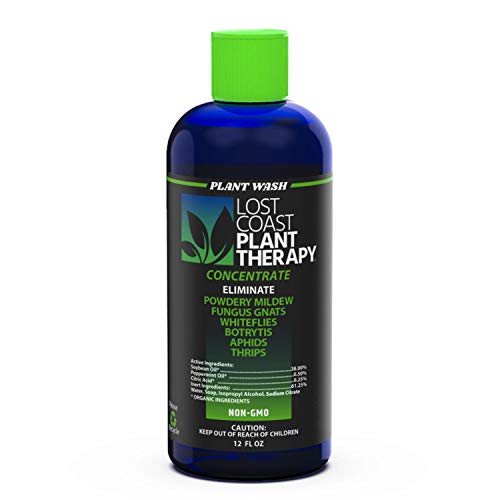
Lost Coast Plant Therapy 12 oz Concentrate

Fertilome 16116 Fungicide 5 Ready to Use 32 oz

Bonide Captain Jack’s Rose Rx 4-in-1 16 oz

Bonide Captain Jack’s Neem Oil 16 oz Concentrate

Bonide Captain Jack Copper Fungicide 16 oz Concentrate

Athena IPM Insecticide & Fungicide Concentrate 32 oz

ZORBX Extra Strength Remover & Cleaner 24 oz
The Picks, Examined More Closely
If you’re tending a sizable backyard with vegetables, ornamentals, and a few fruit trees, mixing your own concentrate beats buying single-use bottles every season. The one-gallon jug from Lost Coast Plant Therapy is built around that math. The formula is designed to coat the entire plant, cling to pests and mildew spores, and disrupt their ability to breathe and digest. Think of it as suffocation plus dehydration working together.
Coverage and contact are everything with this kind of spray, which is why the directions emphasize total saturation of the leaf surfaces. The gallon size keeps your cost per treated plant low, and the active approach doesn’t rely on synthetic chemistry that pests can build up resistance to. For gardeners who want one product to handle powdery mildew, spider mites, and soft-bodied insects without rotating modes of action, this jug fits the routine.
What It Does Well
- Bulk gallon cuts cost per application across larger landscapes.
- Triple-action label tackles powdery mildew, mites, and soft insects in one bottle.
- Contact-based mode of action makes resistance buildup unlikely over time.
- Works on edibles and ornamentals without separate specialty purchases.
- Mixes with water for use in standard pump or hose-end sprayers.
Things To Consider
- A handheld sprayer and proper coverage are essential, since missed spots stay untreated.
- The gallon is heavy to haul around the yard, so you’ll want a stable mixing station.
- Reapplication cadence is common during humid stretches, so plan for repeat visits.
Right Fit For
Homeowners with mixed planting beds who want one concentrate to handle both fungal outbreaks and soft-bodied pests across a full growing season.
Look Elsewhere When
The 12-oz Lost Coast concentrate suits you better if you’re mostly treating a small indoor collection and don’t need a gallon jug.
The 8-oz bottle of Southern Ag neem oil is the kind of product that quietly lives in the back of a gardening shelf until something goes wrong. Neem oil comes from the neem tree seed and works both as a fungicide and an insecticide, so it lands in the rare category of one bottle handling powdery mildew, black spot on roses, aphids, scale, whiteflies, and beetles without buying separate products.
Mixing is part of the deal since this is a concentrate rather than a pre-diluted spray. The upside is the bottle lasts much longer than ready-to-use alternatives, and you scale the mix up or down based on the size of the job. For an edible garden, the broad label coverage means you can rotate it across tomatoes, herbs, fruit trees, and ornamental beds without switching products. Just remember that neem works best as a preventative and early-stage treatment.
A Few Highlights
- 8-oz concentrate stretches across many small applications at a low per-use cost.
- Multi-purpose label covers fruits, vegetables, herbs, nuts, and ornamentals.
- Targets powdery mildew, black spot, aphids, mites, scale, whiteflies, and beetles.
- Acceptable for organic gardening programs that accept neem-derived products.
Trade Offs
- Requires accurate measuring and a clean sprayer to avoid waste or leaf burn.
- Strong earthy odor during and shortly after application, which bothers some gardeners.
Who It Suits Best
Mixed food gardens with roses, herbs, and fruit trees where one bottle covers a wide range of fungal and insect problems without buying separate products.
Consider Something Else When
Captain Jack’s Neem Oil Concentrate is a better match if you want a larger 16-oz bottle or plan to rotate through heavy infestations across bigger plots.
BioAdvanced takes a different angle from the rest of this list. Instead of mixing and spraying, you’re pouring granules around the base of your roses and flowering shrubs. The product is labeled as a fertilizer plus insect and disease control rolled into one, and the systemic formula means the plant takes up the active ingredients and circulates them through its tissues. That’s why rain doesn’t wash it off the way it would a contact spray.
The 4-lb bottle covers a meaningful number of rose bushes or foundation shrubs, and the application doesn’t require a sprayer, mask, or measuring cup. You sprinkle, water in, and let the roots do the rest. For anyone who finds spray equipment annoying, or for landscapers who treat large beds quickly, the granular approach removes several steps from the routine. It’s built primarily for roses and ornamentals rather than edible crops, which shapes who it actually serves.
Noteworthy Benefits
- Granular application removes the need for sprayers, measuring, or protective gear during use.
- Systemic uptake keeps protection working even after rain or overhead watering.
- Combines feeding with disease and insect control in a single pass.
Points To Note
- Built for roses and ornamentals, not labeled for vegetable or fruit use.
- Slower visible action than contact sprays since the plant has to absorb and move the active ingredients first.
Made For
Rose growers and ornamental bed owners who prefer a sprinkle-and-water routine over mixing sprays and want long-lasting protection that survives the weather.
A Better Fit Elsewhere
Bonide Captain Jack’s Rose Rx Concentrate suits you better if you want a spray-on neem treatment that doubles as a miticide and nematicide for the same roses.
This is the smaller sibling of the gallon jug reviewed earlier, and the format matters more than the chemistry. The 12-oz bottle mixes with water to make roughly 12 gallons of finished spray, which is plenty for a serious indoor collection or a balcony garden but won’t take over your shelf. The label emphasizes care for house plants, yard, garden, and even small commercial operations.
The mechanism is the same suffocation-and-dehydration approach that powers the gallon version, so you’re not trading effectiveness for size. The bottle is also positioned as safe around bees, ladybugs, and praying mantis when used as directed, which matters for anyone with a pollinator-friendly yard. For indoor use, that translates into confidence that a stray spray on a windowsill won’t harm a beneficial insect that wandered in. Storage is simpler too, since the smaller bottle fits on a garage shelf next to your other gardening gear.
A Strong Showing
- 12-oz size fits small-space gardeners without leftover concentrate aging in storage.
- Makes approximately 12 gallons of finished spray once diluted.
- Labeled safe around bees, ladybugs, and praying mantis when used as directed.
- No harmful residue left on plant surfaces once dry.
Worth Bearing In Mind
- Sprayer and thorough leaf coverage are still required to actually contact pests.
- Smaller bottle means a higher per-gallon cost than the one-gallon jug option.
Best Suited To
Indoor plant collectors and balcony gardeners who want a contact spray that’s gentle on beneficial insects but still handles powdery mildew and mites.
Skip It When
The Lost Coast Plant Therapy one-gallon concentrate fits better if you manage a full yard and want a lower per-application cost.
For gardeners who’d rather skip the measuring cup entirely, Fertilome’s Fungicide 5 ships pre-mixed in a 32-oz bottle. You point, squeeze, and treat. The label covers a long list of common plant diseases, with the brand family marketed around blights, molds, rots, spots, specks, and mildews, which gives you flexibility across ornamentals, vegetables, and indoor plants.
The ready-to-use format trades cost-per-ounce for convenience, but it earns that convenience back on small jobs. You don’t have to find a mixing bucket, calculate dilution ratios, or worry about leftover concentrate going stale. For spot treatments on a sick houseplant or a sudden outbreak on a tomato leaf, this kind of grab-and-go bottle is hard to beat. It also works indoors and outdoors, which broadens the situations where it earns a place on your shelf.
Bright Spots
- Pre-mixed in the bottle, so there’s no measuring or mixing station required.
- Labeled for both indoor and outdoor use across vegetables, flowers, shrubs, and lawns.
- Broad disease coverage handles mildew, leaf spot, blight, and other common fungal issues.
- Trigger sprayer format makes spot treatments quick and controlled.
Honest Caveats
- Higher per-ounce cost compared to concentrate formats you mix yourself.
- Trigger sprayers tend to clog if not rinsed after use, so quick cleanup matters.
Key Specs
Perfect Match For
Beginners and occasional gardeners who want a no-mix fungicide they can grab the moment a leaf looks suspicious, without setting up a sprayer.
Reach For A Different Pick When
Athena IPM Concentrate suits you better if you want a minimum-risk-ingredient formula and don’t mind mixing your own batches.
Rose growers tend to accumulate a small pharmacy of bottles for black spot, aphids, powdery mildew, and root nematodes. Captain Jack’s Rose Rx tries to compress that pharmacy into a single concentrate. The 16-oz bottle mixes with water and acts as a biological fungicide, insecticide, miticide, and nematicide at once, using cold-pressed neem oil as its active base.
The “four-in-one” framing is more than marketing copy, since each of those pests targets roses in different ways and at different times of the season. A single product that handles all four means less bottle juggling and fewer compatibility questions about rotating modes of action. The cold-pressed extraction method leaves more of neem’s natural compounds intact compared to solvent-extracted versions, which is part of why the brand positions it as suitable for organic gardening programs.
What Pays Off
- One concentrate replaces separate fungicide, insecticide, miticide, and nematicide bottles.
- Cold-pressed neem retains more natural compounds than solvent-extracted alternatives.
- Suitable for organic gardening programs that accept neem-derived products.
- Built specifically for rose care routines and broader ornamental use.
Points To Keep In Mind
- Mixing and sprayer cleanup are part of the deal since it’s a concentrate.
- Foliar application only, so root-zone pest issues still need soil-targeted treatments.
Who Will Love This
Dedicated rose growers and ornamental bed owners who want one neem-based concentrate that covers fungal disease, insects, mites, and nematodes without buying four separate products.
Where A Sibling Pick Shines
BioAdvanced All-in-One Rose and Flower Care Granules fits better if you’d rather feed and protect your roses with a sprinkle-and-water routine instead of foliar sprays.
Captain Jack’s 16-oz neem concentrate is the brand’s generalist version of the rose-specific formula above. Neem oil is pressed from neem tree seeds and works by interfering with insects’ ability to feed and develop, which is why it kills eggs, larvae, and adults rather than just one stage of the lifecycle. The same coating action also disrupts fungal spore activity on the leaf surface.
One underrated feature is the dormant-spray angle. Applying neem oil to leafless branches in late winter or early spring knocks down overwintering insects and spores before the season starts, which often means fewer outbreaks later. Across an active season, it transitions smoothly to a foliar spray on roses, vegetables, herbs, fruit trees, and houseplants. For organic gardeners, that flexibility in one bottle is what makes neem a workhorse rather than a specialty purchase.
Everyday Wins
- Kills egg, larvae, and adult stages of listed insects, not just one phase.
- Works as a foliar spray and a dormant spray depending on the season.
- Safe on roses, vegetables, herbs, indoor plants, trees, turf, and shrubs when used as directed.
- Derived from neem seed for organic gardening programs that accept botanical inputs.
Possible Compromises
- Concentrate format requires measuring and dedicated mixing equipment.
- Strong botanical odor lingers for a few hours after application, which can be off-putting indoors.
At A Glance
Who Should Grab It
Organic-leaning gardeners with a vegetable plot and a few ornamentals who want one concentrate that handles multiple pest stages and mildew across seasons.
Swap It Out When
Southern Ag Neem Oil 8 Oz fits better if you only need a small starter bottle for a couple of raised beds and want the lowest upfront cost.
Copper fungicides have been around for more than a century, which is either a sign of obsolescence or a quiet endorsement from generations of growers. Captain Jack’s Liquid Copper Fungicide Concentrate lands firmly in the second camp. Copper interferes with fungal spore germination on the leaf surface, which stops infections from establishing in the first place when applied preventatively.
This concentrate is approved for organic gardening, including the production of organic produce, and can be applied right up to the day of harvest on labeled crops. That timing flexibility matters for anyone growing food they plan to eat within days, since longer pre-harvest intervals can complicate scheduling. The 16-oz bottle covers the typical small-to-medium home garden across a full mildew and blight season, and it pairs well with insect-specific products when pests and disease show up together.
Where It Delivers
- Approved for organic gardening and use on organic-certified produce.
- Can be applied up to the day of harvest on labeled crops.
- Time-tested copper formulation covers a wide range of fungal diseases beyond mildew.
- Pairs naturally with insect-specific sprays in an integrated pest management routine.
Practical Considerations
- Mixing and accurate dilution are required since this is a concentrate format.
- Copper can accumulate in soil over years, so rotate use patterns and avoid runoff toward ponds or streams.
Built With In Mind
Organic gardeners and small-scale food growers who want a fungicide cleared for organic production with a flexible harvest interval for edible crops.
Not Your Match When
Captain Jack’s Neem Oil Concentrate fits better if you’d rather skip copper rotation and want one bottle that handles both fungal issues and soft-bodied insects.
Athena built this 32-oz concentrate for growers who want a single bottle that addresses both spider mites and powdery mildew on contact. IPM stands for integrated pest management, which is the practice of combining cultural, biological, and low-toxicity chemical tools rather than relying on a single broad-spectrum product. Athena’s formula is positioned around minimum-risk ingredients, which generally means a gentler profile for people, pets, and the surrounding environment.
The contact-kill framing matters. Since the spray has to actually touch the pest or the mildew colony to work, you’ll want to apply with enough pressure and coverage to wet the undersides of leaves and the inner canopy. For greenhouse growers and indoor cultivation rooms, that coverage approach is already second nature. The 32-oz size supports a larger number of applications than a typical 8-oz bottle, which keeps the per-treatment math reasonable even with thorough coverage.
Notable Upsides
- Contact formula addresses spider mites, aphids, thrips, and powdery mildew in one bottle.
- Built around minimum-risk ingredients for a gentler profile around people and pets.
- 32-oz concentrate size supports larger gardens or repeated applications across a season.
- Fits naturally into an integrated pest management routine alongside cultural controls.
Where It Is Less Suited
- Concentrate format still demands accurate mixing and a clean sprayer for best results.
- Contact action means missed spots stay untreated, so thorough coverage is part of the routine.
Feature Snapshot
Whose Shelf It Belongs On
Greenhouse growers and serious hobbyists running larger indoor or tented spaces who already practice thorough coverage and want a concentrate that handles mites and mildew together.
Another Choice May Suit
Fertilome Fungicide 5 Ready to Use fits better if you’d rather skip mixing entirely and grab a pre-diluted bottle for occasional spot treatments around the house.
The last pick on this list isn’t a plant spray, and that’s the point. ZORBX Extra Strength Remover is built for the surfaces where mildew stains show up: bathroom walls, shower doors, ceilings, siding, carpet edges, and patio furniture. It scrubs the visible black or gray mildew marks without bleach, which matters on colored grout, painted drywall, or fabrics where bleach would damage the surface.
You’ll reach for this bottle after the plant problem is solved and the leftover stains remain. Once the live mildew on your plant leaves is gone, the dark marks on the bathroom ceiling from humidity still need attention, and that’s where a bleach-free remover earns its place. The 24-oz spray bottle covers a reasonable number of cleanups, and the scrub-free formula saves time on vertical surfaces where elbow grease is awkward to apply.
The Upside
- Bleach-free formula works on colored grout, painted drywall, and fabrics without bleaching them out.
- Scrub-free application saves time on vertical surfaces like shower walls and ceilings.
- Multi-surface coverage spans bathrooms, kitchens, siding, carpet, and car interiors.
- Doubles as a stain and odor eliminator rather than just a surface whitener.
Trade-Offs To Consider
- Not a fungicide for plants, so it won’t treat the underlying mildew on living foliage.
- Stubborn, deeply set stains may still need repeat applications rather than a single pass.
Feature Card
Right Fit For
Homeowners cleaning up mildew stains on non-plant surfaces like bathroom ceilings, shower walls, and siding where bleach isn’t a safe option.
Where Another Pick Suits Better
Captain Jack’s Neem Oil Concentrate fits better if your goal is treating powdery mildew on living plants rather than cleaning stains off hard surfaces.
What To Weigh Before Choosing A Powdery Mildew Spray
Match The Format To Your Routine
Concentrates cost less per application but ask for measuring, mixing, and sprayer cleanup. Ready-to-use bottles skip those steps at a higher per-ounce cost. Granular products eliminate spraying altogether but only work on labeled roses and ornamentals. Pick the format that fits how you actually maintain your garden rather than the one with the lowest sticker price.
Decide Between Contact And Systemic Action
Contact sprays work where they land and need thorough coverage on top and bottom of leaves. Systemic products move through the plant’s vascular system and keep working through rain or overhead watering. For a quick knockdown of an active outbreak, contact sprays act faster. For long-term prevention on roses, systemic granules tend to fit the routine better.
Think About Plant Type And Harvest Timing
Edible gardens push you toward products with shorter pre-harvest intervals and botanical or minimum-risk ingredients. Copper fungicide and neem oil both fit organic-leaning food gardens. Rose beds and foundation plantings open up a wider label range, including synthetic systemics that aren’t cleared for edible crops. Always read the label for the specific plant and use site before mixing anything.
Consider Beneficial Insect Safety
If you keep bees, ladybugs, or other beneficial insects in your yard, sprays that break down quickly and target pests on contact tend to play nicer with the broader ecosystem. Late-day application when pollinators aren’t active also reduces accidental exposure, regardless of which product you choose.
Key Considerations Across These Picks
Pitfalls Shoppers Hit
The most common slip is buying a concentrate without owning a clean sprayer. Without proper mixing and nozzle function, even the best formula loses effectiveness. Another trap is treating mildew on a plant with a surface cleaner, which doesn’t address the living fungus. Finally, many gardeners stop treatment the moment the white dust disappears, but mildew spores linger on stems and undersides, so a follow-up application a week later often makes the difference between a clean season and a recurring outbreak.
When Paying More Pays Off
Higher-tier products in this category tend to combine multiple modes of action in one bottle, which means fewer products to juggle and better protection against the resistance buildup that comes with rotating single-purpose sprays. For large gardens or anyone managing both edible and ornamental beds, that consolidation usually justifies the higher upfront cost per bottle.
