

Above-ground watering covers a lot of ground, literally. From quick hose-end setups that get a small lawn through a dry week to multi-zone smart controllers and the small repair parts that keep older systems running, the right mix depends on your yard size, water pressure, and how hands-on you want to be. You don’t always need a full irrigation overhaul; sometimes a strip of nozzles or a pop-up head is exactly enough.
This shortlist pulls together controllers, rotors, nozzles, replacement parts, and one specialty micro-sprinkler so you can build out, upgrade, or repair an above-ground watering setup that fits your space and your weekend.
The Shortlist At A Glance

Aiper IrriSense 2 Smart Irrigation System 4-in-1 Multi-Zone

Rainbird 15-Van Variable Arc Adjustable Sprinkler Nozzle 25-Pack

Hunter PROS04CV Pro-Spray 4″ Pop-Up Sprinkler

Orbit 55662 Voyager II 4″ Pop-Up Gear Drive Rotor 3-Pack
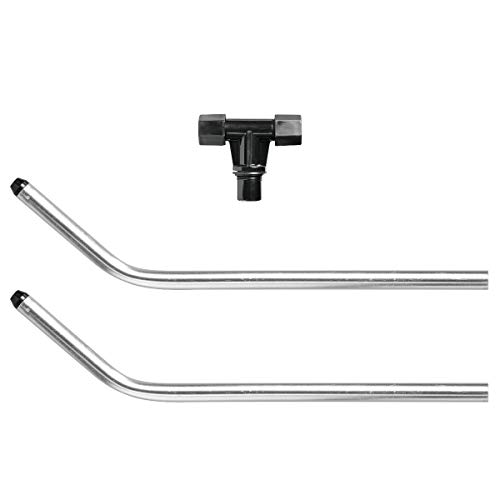
Orbit Traveling Sprinkler Arms & Tee Replacement 2-Pack

GIANNEER Spray Head Sprinkler Tools with Rotor Removal

Gardena Micro-Drip Endline Micro Strip Sprinkler (13318-20)
A Breakdown Of The Leading Choices
The Aiper IrriSense 2 leans into the smart-home side of lawn care, bundling a controller, sprinkler, electric valve, and nutrient feeder into a single 4-in-1 unit. For a homeowner juggling a busy schedule and a yard up to around 4,800 square feet, that kind of consolidation removes the patchwork of timers, hoses, and feeders you usually wrestle with on a Saturday morning.
The companion app drives scheduling and zone mapping, and a built-in rain sensor pauses cycles when weather rolls in. Compared to the simpler pop-up options later in this list, this is the “set it and forget it” end of the category, with app control carrying the workload.
Standout Benefits
- Four core functions in one housing cuts clutter on the spigot and wall
- App-based scheduling lets you tweak zones without crawling around the yard
- Integrated rain sensor skips cycles after storms, saving treated water
- Nutrient feeder path supports liquid feeding without an extra inline device
- Multi-zone coverage handles average suburban lots without extra valves
Things To Consider
- App dependency means setup is rougher without a stable home Wi-Fi signal
- Multi-zone hardware costs more than a basic rotor like the Orbit Voyager II below
Who It Suits Best
Tech-forward homeowners with mid-size yards who want hands-off scheduling and one device instead of a tangle of timers and hoses.
Consider Something Else When
If you just need to repair a worn sprinkler head, the GIANNEER maintenance tool set is a more focused, lower-cost pick than buying into a full smart system.
When a yard is full of uneven spray patterns and brown patches along the edges, the cause is usually worn nozzles, not bad heads. The Rain Bird 15-VAN pack is a contractor-style bundle of 25 adjustable nozzles with matched screens, giving you enough spares to swap in fresh ones across a full system without running back to the store.
The variable arc lets you dial each nozzle from a tight side strip to a wide quarter- or half-circle throw, landing somewhere in the 12 to 15 foot radius range. For a homeowner doing a wholesale nozzle refresh, the bulk format turns a tedious tune-up into a one-afternoon job.
A Few Strong Suits
- Twenty-five nozzles cover a full system with spares for next season
- Variable arc adjustment handles odd lawn shapes and curved beds
- Included screens keep debris from clogging the new nozzles right away
Worth Noting
- Nozzles alone do nothing without compatible pop-up bodies like the Hunter Pro-Spray below
- Twenty-five may be more than a small yard needs; leftovers should be stored dry to prevent thread corrosion
Feature Snapshot
Made For
Homeowners refreshing an aging sprinkler system or finishing a DIY layout who want OEM-style replacement nozzles in one order.
A Better Fit Elsewhere
For yard owners with only one or two heads to fix, the 3-pack Voyager II rotors from Orbit spread your budget further than 25 nozzles.
The Hunter Pro-Spray line is the body you’d build a custom residential system around, and the PROS04CV is the four-inch pop-up variant with a drain check valve. The check valve, in plain terms, holds water in the lateral line after the zone shuts off, which keeps the head from weeping onto a sidewalk or sloped bed between cycles.
It’s compatible with Hunter’s Pro Adjustable, Pro Fixed, and MP Rotator nozzles, plus most industry-standard female-thread nozzles. For a homeowner who wants one body style across the whole yard and easy swaps later, that flexibility matters more than a flashy controller.
Where It Delivers
- Drain check valve prevents low-head drainage on sloped zones
- Industry-standard female threads accept a wide range of nozzles
- Pull-ring flush cap simplifies spring startup and clearing debris
- Four-inch riser clears most low turf grass without obstruction
Room For Improvement
- Body ships without a nozzle, so you must pick one separately
- Worth pairing with a rotor tool like the GIANNEER pick below for easier adjustments
Quick Facts
Best Suited To
Homeowners installing or upgrading a permanent in-ground layout who want a versatile, contractor-grade body to build around.
Skip It When
If your lawn is mostly large open turf with long throws, the Orbit Voyager II gear-drive rotor covers more ground per head.
Pop-up spray bodies like the Hunter Pro-Spray shine in tight, planted beds. Open lawn is a different story; it wants a rotor. The Orbit Voyager II is a gear-drive rotor that throws water 25 to 52 feet, with a 40 to 360 degree pattern range, so one head can cover a wide wedge of turf that would otherwise need three or four sprays.
You get three heads in the box along with ten bonus nozzles, giving you flexibility during layout. For most backyard installs with room to spread out, fewer rotors with longer reach tends to mean fewer dry spots and fewer zones to maintain.
Useful Highlights
- 25 to 52 foot reach covers big arcs without stacking heads
- Pattern adjusts from 40 to 360 degrees for any lawn shape
- Bonus nozzles in the box let you fine-tune throw without extra trips
- Gear-drive design handles higher pressure better than spray-only bodies
Points To Note
- Long-throw heads can overwater if run too long, so timer tuning matters
- Three-pack may be overkill for very small lawns under 1,000 square feet
Whose Shelf It Belongs On
Homeowners with mid-size and large open lawns who want each head to cover more square footage with fewer dry spots.
Not Your Match When
For narrow planting strips and vegetable rows, the Gardena micro strip sprinkler targets tight zones better than any rotor.
Traveling sprinklers are a different beast from pop-ups. They ride a hose path and water large rectangular lawns without permanent heads, but the spray arms take abuse. The Orbit replacement kit includes two arms plus the tee that sits on top of the tractor, the parts most likely to bend, crack, or get lost after a few seasons.
This is a true repair part, not a new system. If you already own the Orbit Traveling Sprinkler and one arm finally gave out, this is the kit that brings it back to life without replacing the whole rig.
Bright Spots
- Direct OEM replacement parts keep the original tractor running
- Two-pack gives a spare for the inevitable next-season mishap
- Swapping arms is a hand-tool job in most cases
Trade Offs
- Only fits Orbit’s traveling sprinkler, not universal across brands
- If the tractor body itself is damaged, arms alone won’t save the unit
Right Fit For
Existing owners of the Orbit traveling sprinkler who need fresh arms and tee hardware without buying a whole new tractor.
Look Elsewhere When
If you don’t already own a traveling sprinkler, the Orbit Voyager II rotor pack below builds a more permanent solution.
Once a sprinkler system is in the ground, the work isn’t over. Heads need adjustment, nozzles need clearing, and rotors occasionally need to come up for cleaning. The GIANNEER tool set bundles the two specialty wrenches most homeowners never think to buy: a spray head adjustment tool and a rotor pull-up tool, which is the part that grabs a stuck riser so you can service it without digging.
The body uses S50C steel with an electrophoresis finish that resists rust in damp sheds, and the handles have a PVC coating for grip. For anyone doing their own spring startup or fall shutdown, having the right tool turns a frustrating afternoon into a quick lap around the yard.
What Earns Its Place
- Two specialty tools in one kit covers both spray and rotor maintenance
- Steel body with rust-resistant finish survives repeated outdoor use
- PVC-coated handles stay comfortable during a long tune-up session
Practical Considerations
- Tool only, no replacement parts included
- Specialty shape won’t help with non-standard third-party heads
The Numbers That Matter
Who Should Grab It
DIYers handling their own seasonal sprinkler maintenance who want the right wrenches on hand instead of improvising with pliers.
Another Choice May Suit
If your system is mostly the Orbit Voyager II rotors, the replacement arms in the Orbit 2-pack above may be more urgent than a maintenance kit.
Sprinkler coverage doesn’t always mean a wide lawn. Garden beds, herb rows, and narrow planter strips need a different approach. The Gardena Endline Micro Strip Sprinkler is a small strip-pattern nozzle designed for long, narrow zones up to about 0.6 by 2.75 meters, with a control valve to dial the length in.
It snaps into Gardena’s Micro-Drip tubing system, so it suits gardeners who already run drip lines for tomatoes, berries, or flower borders. Compared to the wide-throw rotors earlier in this list, this is targeted, low-volume watering that keeps leaves dry and water on the roots.
Features That Help
- Strip pattern fits beds and rows that round sprinklers waste water on
- Integrated control valve adjusts length up to 2.75 m on the fly
- Snap-in connection to Gardena Micro-Drip tubing speeds install
- Gentle spray suits seedlings and leafy crops
Where It Is Less Suited
- Only works inside the Gardena Micro-Drip ecosystem, not standalone
- Coverage tops out around 0.6 x 2.75 m, so large beds need many units
Core Details
Who Will Love This
Vegetable gardeners and bed-focused growers running Gardena drip lines who want gentle, targeted watering for seedlings and rows.
Reach For A Different Pick When
If your priority is open lawn coverage rather than narrow beds, the Orbit Voyager II rotors handle larger turf areas more efficiently.
What To Weigh Before Picking Sprinkler Systems Above Ground
Coverage shape matters more than raw throw distance. A rotor with a 50-foot radius is wasted on a narrow side yard, and a strip nozzle is wasted on an open lawn. Match the head to the zone.
Pressure and flow go together. Gear-drive rotors like the Orbit Voyager II want decent pressure and higher flow than micro-drip heads. If you have low household pressure, lower-volume heads run more reliably.
Material and lifespan tell you where to spend. Hunter and Rain Bird bodies use heavy-duty plastics and brass internals that outlast generic imports. In yards with mineral-heavy water, screens and seals matter even more.
Maintenance access shapes long-term happiness. Pop-up heads sit in the lawn and collect grass over the riser, so plan for a tune-up each spring. The GIANNEER tool set makes that upkeep far easier than improvising with pliers.
Key Considerations Across These Picks
Where Shoppers Go Wrong
Buying the biggest rotor on the list and hoping it covers the whole yard leads to dry corners and soggy middles. Measure each zone’s width and match throw distance to that, not to a vague “big lawn” estimate.
Skipping screens and seals is the other classic shortcut. Sediment is the number-one cause of clogged nozzles, and a five-cent screen swap is cheaper than replacing a head.
The Upgrade Payoff
Stepping up to gear-drive rotors from spray bodies costs more per head but uses fewer heads per zone, which often drops the total zone count and timer complexity. For yards over about 2,500 square feet, the rotor path usually pays back in fewer parts and more even coverage.
Frequently Asked Questions
How do I know if I need a rotor or a spray head?
Rotors throw farther and rotate slowly, covering large open lawns efficiently. Spray heads throw shorter distances in a fixed pattern, which suits smaller or irregular zones. Match the head type to the size of the zone.
Can I mix brands of nozzles and bodies?
Most residential bodies use a standard female thread, so brands like Hunter, Rain Bird, and Orbit generally cross over. Always confirm thread type and pressure rating before mixing.
How often should I replace sprinkler nozzles?
Every two to three seasons is a common rule of thumb, since wear slowly widens the orifice and distorts the spray pattern. A bulk pack like the Rain Bird 25-pack makes a full refresh simple.
What is a drain check valve?
It’s a small internal valve that keeps water from draining out of the lowest heads after the zone shuts off, preventing soggy spots and water waste on sloped lawns.
Do I need a smart controller for a small yard?
Not necessarily. Smart controllers like the Aiper IrriSense 2 shine in mid-size yards with multiple zones. For a single-zone lawn, a basic hose timer may be enough.
Wrap Up
The right sprinkler setup depends less on brand and more on matching head type, throw distance, and zone shape to your yard. Start with the zone, then pick the body and nozzle that fit it, and keep a basic maintenance tool on hand for spring tune-ups. You’ll end up with even coverage and far less frustration than guessing your way through a big-box bundle.
