

Sprouting seeds turn a sunny kitchen windowsill into a small harvest zone, giving you a steady supply of fresh greens without soil, garden beds, or much fuss. Home sprouting has become a go-to for people who want crunchy, nutrient-packed additions to salads, sandwiches, wraps, and stir-fries without the weekly grocery run. The seed choices below cover a range of flavors and textures, from mild alfalfa to peppery radish, so you can find a fit for your taste buds, your countertop setup, and your cooking style.
An Overview Of The Picks

Nature Jim’s Sprout Organic Broccoli Seeds 8oz

Nature Jim’s Sprouts Organic Alfalfa Seeds 16 oz

Rainbow Radish Sprouting Seed Mix 1 LB

Organo Republic Arugula Sprouting Seeds 1lb

Organo Republic Beet Sprouting Seeds 1lb

Nature Jim’s Sprouts Salad Mix 1lb
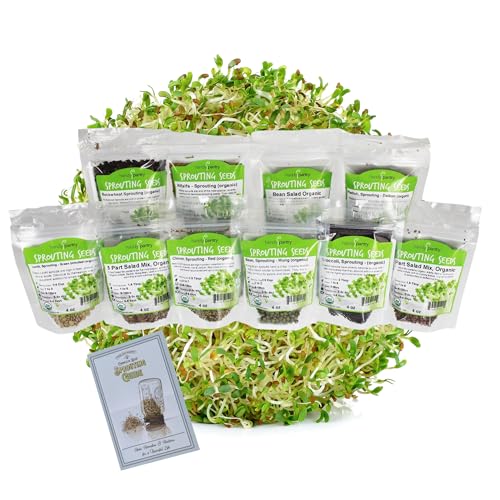
Handy Pantry Organic Sprouting Mix 2.5 lb

Organo Republic Broccoli Sprouting Seeds 1lb
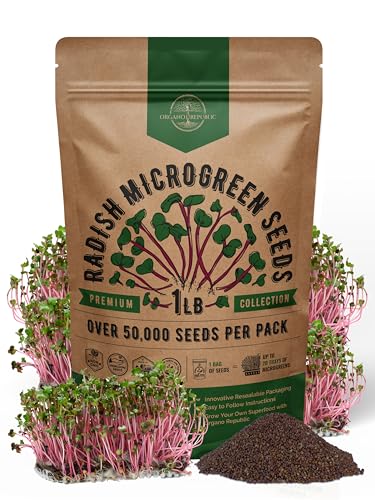
Organo Republic Radish Sprouting Seeds 1lb

Organo Republic Cress Sprouting Seeds 1lb
More On The Choices That Made The List
Broccoli seeds are the gateway sprout for many home growers, and Nature Jim’s 8oz bag lands at a friendly size for first-timers. The organic, non-GMO claim matters to anyone sourcing cleaner pantry staples, and the smallish package means you’re not committing to a year’s worth of seeds before you’ve run a few rinse-and-drain cycles.
These work in a standard mason jar with a mesh lid, a tiered sprouter, or a countertop tray. The mild, slightly earthy flavor makes them easy to toss into wraps, eggs, or grain bowls without overwhelming other ingredients. Compared with bulkier options later in this list, this bag keeps things approachable for newcomers still figuring out their routine.
Practical Advantages
- Compact 8oz size suits beginners testing sprouting routines
- Organic, non-GMO broccoli seed fits cleaner pantry goals
- Versatile across jars, trays, and tiered sprouters
- Mild flavor pairs well with most savory dishes
Worth Noting
- Smaller bag may run out quickly for daily sprouters
- Broccoli sprouts demand thorough rinsing to stay fresh
Who It Suits Best
Broccoli sprout beginners working with a single jar and a modest weekly harvest.
Consider Something Else When
Daily sprouters wanting a bigger bulk option should look at Organo Republic Broccoli Sprouting Seeds 1lb instead.
Alfalfa is the classic sandwich sprout, and the 16oz bag here means months of steady harvests without reordering. The organic, non-GMO positioning matches what you’ll find at natural food co-ops, and the seed is clean enough to skip a pre-rinse beyond a quick soak. If you’ve ever wanted crunchy, barely-there sprouts on avocado toast, this is a strong starting point.
Alfalfa germinates quickly under indirect light and tolerates the small temperature swings of a typical kitchen counter. You may find the finished sprouts a little delicate for heavy cooking, so they tend to shine as a finishing garnish or salad mix-in. The flavor is mild enough to layer with the broccoli seeds reviewed earlier without one stealing the show.
Where It Helps
- Generous 16oz bag covers long-term use
- Organic, non-GMO label fits health-conscious pantries
- Quick germination suits impatient routines
- Neutral flavor complements other sprout varieties
Trade Offs
- Delicate sprouts bruise easily in jars
- Plain flavor may feel boring for cooks who want punch
Made For
Daily sandwich and salad builders who want a quiet, crunchy base sprout on rotation.
Look Elsewhere When
Cooks chasing bold, peppery notes should reach for the Rainbow Radish Sprouting Seed Mix instead.
Where Nature Jim’s alfalfa plays the supporting role, this rainbow radish blend grabs the spotlight. The mix combines Red Arrow, Purple Triton, and White Daikon radish seeds, giving you a layered heat with hints of pepper, mustard, and fresh radish snap. Heirloom and non-GMO sourcing rounds out a product that feels more curated than commodity.
Radish sprouts pair especially well with tacos, grain bowls, and avocado toast, where their bite cuts through creamy or starchy bases. You may find the flavor a bit much on its own, so blending a spoonful into milder alfalfa sprouts is a common workaround. The 1lb resealable bag is a comfortable middle ground between sample size and full bulk.
Everyday Perks
- Three heirloom radish varieties in one bag
- Spicy, layered flavor elevates simple dishes
- 1lb resealable bag stays fresh between batches
- Non-GMO heirloom seeds for traceability
Points To Note
- Stronger flavor may overwhelm delicate dishes
- Radish sprouts need consistent rinsing to avoid sour notes
Key Specs
Best Suited To
Cooks who want a peppery, colorful sprout for finishing tacos, wraps, and Asian-style noodle bowls.
Skip It When
Growers wanting the very largest bulk seed count should look at Organo Republic Radish Sprouting Seeds 1lb for a similar flavor profile at scale.
Arugula sprouts bring that signature peppery, mustardy bite in a smaller, leafier package than mature arugula. Organo Republic’s 1lb bag is built for serious growers running multiple trays or jars on rotation. The non-GMO heirloom seeds work in soil, coconut coir, and hydroponic setups, including countertop AeroGarden-style units.
The flavor lands between the milder broccoli seed and the bolder radish mix, making it a versatile bridge ingredient. You may find arugula sprouts slightly more fragile than alfalfa, so they reward gentle handling during harvest and rinsing. Compared with the smaller Nature Jim’s broccoli bag, this one is a clear step up in scale.
What Works In Its Favor
- 1lb bulk size for heavy or frequent use
- Compatible with soil, coir, AeroGarden, and hydroponics
- Peppery flavor complements Mediterranean dishes
- Non-GMO heirloom seed with steady germination
Some Limits To Know
- Arugula sprouts wilt faster post-harvest than heartier seeds
- Bulk packaging requires cool, dry storage
Who Should Grab It
Microgreen tray growers producing several flats a week for household meals or small sharing.
Reach For A Different Pick When
Beginners starting with a single jar will find the Handy Pantry 10-variety mix more forgiving.
Beet sprouts and microgreens bring a deep magenta stem and an earthy, almost sweet flavor that stands apart from the usual green sprouts. Organo Republic’s bulk 1lb bag holds roughly 20,000 heirloom seeds, ready for soil, coconut coir, aeroponic, or hydroponic setups. The non-GMO seed stock is geared toward growers producing consistent, colorful flats.
Beet microgreens look striking on plates, with bright pink stems and green leaves that frame simple salads. The earthy flavor pairs well with goat cheese, roasted nuts, and citrus dressings. You may find the seeds a little slower to germinate than radish or broccoli, so plan a slightly longer wait before the first harvest.
Noteworthy Benefits
- Vibrant color makes plates pop
- Earthy, slightly sweet flavor rounds out savory dishes
- 1lb bulk size feeds steady microgreen production
- Works in soil, coir, aeroponic, and hydroponic systems
Honest Caveats
- Slower germination than radish or broccoli
- Beet seed hulls cling to leaves and need extra rinsing
Feature Snapshot
Right Fit For
Salad topper enthusiasts who want a colorful, earthy microgreen for cheese plates and composed bowls.
Swap It Out When
Growers wanting faster turnaround should pick Organo Republic Cress Sprouting Seeds 1lb for a quicker sprout cycle.
For people who can’t pick just one seed, the Nature Jim’s Salad Mix blends broccoli, alfalfa, clover, and radish in a single 1lb bag. The mix removes the guesswork of measuring your own ratios, and the four-variety blend gives you a balanced flavor, gentle heat, and mild crunch in every spoonful. The organic, non-GMO seed stock matches the rest of the brand’s lineup.
This blend works well in jar sprouting, since the seeds germinate on similar timelines. You may find a slightly uneven growth rate because radish tends to sprout faster than clover, but the difference is small enough to harvest together. Compared with the single-variety broccoli and alfalfa entries above, this is a better pick for variety seekers.
Bright Spots
- Four varieties blended in one bag
- Organic, non-GMO across the entire mix
- Balanced flavor profile for everyday salads
- Compatible with jar sprouting and tray growing
Potential Drawbacks
- Mixed germination speeds may yield uneven harvests
- No option to tweak individual variety ratios
Perfect Match For
Variety seekers who want a single bag that covers mild, crunchy, and peppery notes in one rotation.
A Better Fit Elsewhere
Cooks who want a stronger peppery profile will prefer the Rainbow Radish Sprouting Seed Mix for the heat it brings.
Handy Pantry’s 2.5lb mix is the explorer option, bundling around ten organic sprouting varieties into one bag. The package typically includes alfalfa, mung bean, broccoli, lentil, clover, buckwheat, radish, and other popular sprouting seeds, with a sprouting guide and logbook to help track germination. It’s a sampler disguised as a value pack.
The mix encourages you to discover which seeds you actually enjoy before committing to larger single-variety bags. You may find germination speeds vary across the included seeds, so dedicated jars or sections help avoid the faster seeds drowning out the slower ones. For most home growers, this bag makes a sensible first or second purchase.
Positive Points
- Ten organic varieties in one bag
- Includes sprouting guide and tracking logbook
- 2.5lb size offers strong overall value
- Helps identify preferred varieties before buying bulk
Things To Consider
- Variable germination speeds complicate jar timing
- Buckwheat hulls can be stubborn to remove
Who Will Love This
Curious samplers and first-time sprouters who want a low-commitment way to explore many seed types.
Where A Sibling Pick Shines
Growers who already know they love radish should skip ahead to Organo Republic Radish Sprouting Seeds 1lb for a single-flavor bulk option.
Where the 8oz Nature Jim’s broccoli bag introduces you to sprouting, the Organo Republic 1lb broccoli bag commits to it. With a much larger seed count, this option supports daily jar harvests or multiple tray runs. The non-GMO heirloom seed stock works in soil, coconut coir, AeroGarden units, and hydroponic setups.
Broccoli sprouts continue to be one of the most popular sprouting seeds, prized for their mild flavor and reliable germination. You may find the bulk size takes a few rounds to get through, so storing the bag somewhere cool and dry is a must. This is the upgrade path for anyone who started with a smaller broccoli bag and outgrew it.
Real Benefits
- Large 1lb bag for frequent sprouters
- Compatible with soil, coir, AeroGarden, and hydroponics
- Non-GMO heirloom seed with consistent germination
- Mild flavor suits smoothies, eggs, and wraps
Points To Keep In Mind
- Bulk bag requires airtight storage between uses
- Single-flavor commitment if you crave variety
Quick Facts
Whose Shelf It Belongs On
Frequent sprouters running daily jars or weekly microgreen trays and needing steady seed supply.
Another Choice May Suit
Beginners still dialing in their routine will find the smaller Nature Jim’s Sprout Organic Broccoli Seeds 8oz easier to manage.
Radish sprouts bring the heat, and Organo Republic’s 1lb bag keeps that heat flowing without constant reordering. The non-GMO heirloom seed stock handles soil, coconut coir, AeroGarden, and hydroponic setups. With roughly 50,000 seeds per pack, this bag suits serious home growers producing multiple trays a week.
Radish sprouts germinate quickly and tolerate a range of kitchen temperatures, so they’re a forgiving choice for newer growers who want bolder flavor than broccoli or alfalfa offers. You may find the spice level a bit intense for very young palates, so pairing with milder sprouts in a salad helps balance the bite. Compared with the rainbow radish mix above, this is a single-variety bulk option.
What Helps Most
- Bold, peppery flavor for finishing dishes
- 1lb bulk size for regular radish sprouters
- Quick germination in jar or tray setups
- Non-GMO heirloom seed across multiple growing systems
Where It May Fall Short
- Spice level can be too bold for some recipes
- Large bag requires dry, sealed storage
Built With In Mind
Sandwich and taco topper fans who want a steady supply of peppery sprouts on hand.
Not Your Match When
Cooks wanting a milder, multi-variety intro should start with the Nature Jim’s Sprouts Salad Mix 1lb.
Cress is the impatient grower’s friend, germinating fast and offering a peppery, slightly tangy flavor that brightens eggs, salads, and sandwiches. Organo Republic’s 1lb cress bag holds an enormous seed count, around 360,000 seeds, making it well suited to long-term sprouting routines. The non-GMO heirloom seed works in soil, coconut coir, aeroponic, and hydroponic systems.
Cress sprouts tend to mature quickly under indirect light, and you may find a shorter harvest window than with slower broccoli or radish seeds. The flavor is bolder than alfalfa but slightly more delicate than radish, so it slots in nicely as a middle ground. Compared with the larger Organo Republic radish bag, this is a different spice profile in similar bulk packaging.
Benefits That Matter
- Very high seed count for long-term use
- Fast germination suits quick-turnover routines
- Peppery, tangy flavor works across many dishes
- Adaptable to soil, coir, aeroponic, and hydroponic setups
Things To Weigh
- Shorter shelf life post-harvest than heartier sprouts
- Strong flavor may not appeal to all households
Feature Overview
The Right Fit
Impatient growers who want quick harvests and a peppery flavor for egg dishes and salads.
Consider Something Else When
Households preferring a gentler flavor profile should look at the Organo Republic Arugula Sprouting Seeds 1lb for a softer peppery note.
What To Weigh Before Choosing Sprouting Seeds
Seed Type And Flavor Profile
Sprouting seeds fall into a few flavor families, from mild alfalfa and broccoli to peppery radish, arugula, and cress. Microgreens, which are slightly older sprouts grown in soil or coir, offer a different texture and bolder taste. Choose based on the dishes you cook most, since milder blends fit eggs and smoothies, while peppery options stand out on tacos and grain bowls.
Growing Method Compatibility
Some seeds thrive in jar sprouters, while others prefer trays with soil or coconut coir. Broccoli, alfalfa, and radish adapt well to jars, but beet, arugula, and cress often perform better as microgreens. If you already own a countertop hydroponic or AeroGarden-style unit, look for seeds labeled compatible with hydroponic systems, like several Organo Republic options above.
Seed Quality And Sourcing
Non-GMO and organic labels matter to many home growers, especially those avoiding additives. Heirloom seed (open-pollinated traditional varieties) often signals stronger seed lineage and traceability. If you want to explore multiple flavors before committing, the Handy Pantry 10-variety mix is a useful starting point, and you can branch into single-variety bags once favorites emerge.
Package Size And Storage
Sprouting seeds last longest in cool, dry, sealed storage. Smaller 8oz bags suit casual users, while 1lb and 2.5lb bags reward frequent sprouters. For most people, buying slightly more than you need today, with a sealed container on hand, keeps seeds viable for the next several months.
Key Considerations Across These Picks
Pitfalls Shoppers Hit
Many first-time sprouters grab the cheapest bag without checking if it’s meant for sprouting, since some garden seeds are treated with fungicides. Look for explicit “sprouting” or “microgreens” labeling, and prefer resealable bags to keep seeds dry. Another common slip is overcrowding jars, which leads to mold instead of sprouts, so stick to small seed amounts per batch and rinse thoroughly.
When Paying More Pays Off
Larger bags from brands like Organo Republic and Nature Jim’s often deliver better per-ounce value, especially if you sprout several times a week. Premium heirloom and organic seed stocks also tend to germinate more consistently, reducing wasted jars. For a casual user, a smaller bag is fine, but for daily sprouters, the bigger packs typically pay for themselves in steady harvests and fewer reorders.
Frequently Asked Questions
Do I Need Special Equipment To Start Sprouting?
A wide-mouth mason jar with a mesh lid or cheesecloth works for most small seeds, including alfalfa, broccoli, and radish. Tray-based microgreens benefit from a shallow container with drainage and a layer of soil or coconut coir. For most home growers, a simple jar setup is enough to get going.
How Long Does It Take To Grow Sprouts?
Most jar sprouts are ready in 3 to 7 days, with cress and radish often on the faster end. Microgreens grown in trays usually take 7 to 14 days depending on the seed and light conditions. You’ll see the first sign of germination within 24 to 48 hours for most varieties.
Are Sprouting Seeds Safe To Eat Raw?
Sprouts intended for raw consumption should be sourced from reputable suppliers that label seeds for sprouting. Rinsing seeds thoroughly and using clean equipment helps reduce the risk of bacterial growth. If you have specific health concerns, consult a qualified professional for personalized guidance.
Can I Use Garden Seeds For Sprouting?
Garden seeds are sometimes treated with fungicides or coatings not meant for edible sprouts, so they’re not recommended. Always choose seeds explicitly labeled for sprouting or microgreens. The seed listings above are all positioned for edible sprouting use.
How Do I Store Leftover Sprouts?
Keep harvested sprouts in a sealed container in the fridge and aim to use them within a few days for best texture. Thoroughly drained sprouts last longer than wet ones, since excess moisture encourages spoilage. For most households, weekly small-batch harvests beat a single large batch.
The Takeaway
Sprouting seeds open the door to fresh, homegrown greens on a tight schedule and a small budget. Start with a single-variety bag to learn your routine, then layer in bolder options or expand to microgreen trays once you’re confident. Whichever path you pick, the seeds on this list give you a solid foundation for steady, flavorful harvests right from your kitchen counter.
