

A thin, patchy lawn rarely comes from bad luck. Most of the time, it traces back to weak root systems and thin soil biology, and that’s exactly where a starter fertilizer earns its keep. Whether you are seeding a brand new yard, overseeding thin spots, or rescuing a tired stretch of turf, the right starter blend gives grass seedlings a real head start instead of a slow fade.
You will find nine solid picks below, ranging from organic worm castings for soil-building fans to high-phosphorus professional blends for new turf. Skim the table for a quick match, then read the reviews for the practical details that matter.
The Choices Worth Comparing

Wiggle Worm 100% Pure Organic Worm Casting Fertilizer, 4.5lb
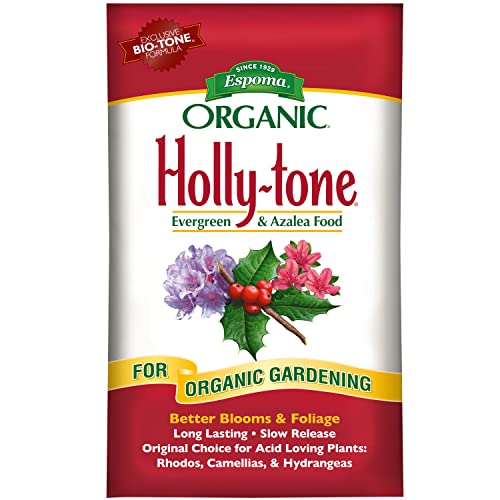
Espoma Organic Holly-Tone 4-3-4 Plant Food 36 lb. Bag

Espoma Organic Bio-Tone Starter Plus 4-3-3 with Mycorrhizae 4 lb.
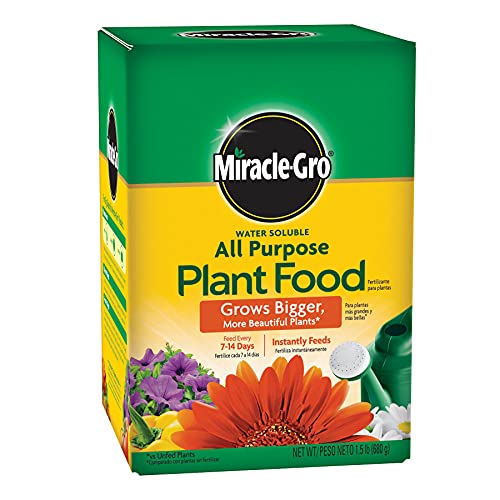
Miracle-Gro Water Soluble All Purpose Plant Food, 1.5 lb.

Happy Frog Jump Start Fertilizer 3-4-3 Blend 4 lb
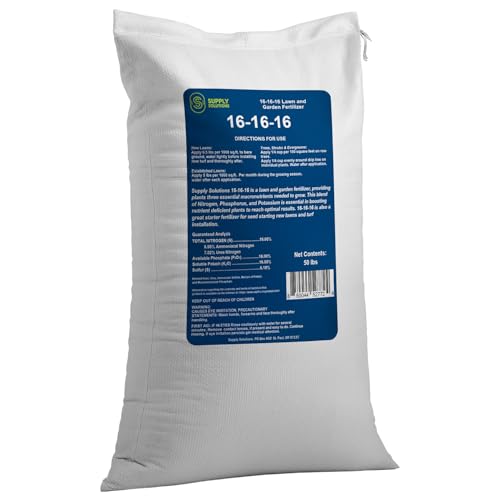
Supply Solutions 16-16-16 Granular Fertilizer 50 lbs

Supply Solutions 10-10-10 Granular Fertilizer with Micronutrients 50 lbs

Supply Solutions Urea 46-0-0 Nitrogen Fertilizer 40 lbs

The Andersons Ecofusion Starter 16-21-4 Biosolid Fertilizer 18 lb.
More Details On Our Top Picks
Worm castings are a quiet workhorse for anyone who thinks long-term about soil. The Wiggle Worm bag is a tidy 4.5 pounds of pure castings, the kind of amendment that feeds the soil biology first and the grass second.
You can broadcast it lightly over new seed, blend it into a seedbed, or work a handful into transplant holes. Because it is organic and gentle, it plays nicely with whatever else you apply, and the particle shape helps loosen tight soils while holding moisture in sandy ones.
Strengths Worth Knowing
- Pure castings with no fillers or bedding mixed in, giving you concentrated organic matter.
- Improves aeration and water retention across both loose and dense soils.
- Small football-shaped particles spread easily by hand for small patches.
- Safe to apply directly into seed rows or transplant holes without burn risk.
- Boosts microbial activity that helps roots develop over the full season.
Things To Consider
- A 4.5-pound bag covers a limited area, so larger yards may need multiple bags.
- Nutrient analysis is lower than synthetic starters, so results build gradually.
- Castings can dry out in storage, so keep the bag sealed between uses.
At A Glance
Made For
Organic-leaning homeowners seeding small patches or rebuilding tired soil over multiple seasons.
Consider Something Else When
You are establishing a full new lawn and want a higher-phosphorus synthetic push, where The Andersons Ecofusion Starter fits better.
Holley-Tone lives in a different lane from a turf starter, but it earns a spot when your lawn borders acid-loving shrubs or your whole yard leans acidic. The 4-3-4 ratio and Bio-tone microbe package feed slowly while conditioning the soil around blueberries, azaleas, and rhododendrons.
You sprinkle it along drip lines, scratch it into the top inch, and let microbes do the rest. For most lawns it stays in the toolkit rather than the main spreader, but for the right bed it is genuinely hard to replace.
Practical Advantages
- Bio-tone microbes support long-term root health in acidic beds.
- Generous 36-pound bag covers many shrubs or a long hedge row.
- All-natural formula suits organic-focused gardens.
Honest Caveats
- Not formulated as a grass starter, so pairing it with a turf-specific product makes sense for the lawn itself.
- Slow-release timing means spring and fall feedings work better than a single quick boost.
Right Fit For
Gardeners balancing a lawn with azaleas, camellias, blueberries, or hydrangeas that crave acidic soil.
Look Elsewhere When
You are seeding a fresh cool-season lawn, where Espoma Bio-Tone Starter Plus targets grass root zones more directly.
Bio-Tone Starter Plus is the cleanest introduction to mycorrhizal products on this list. Mycorrhizae are beneficial fungi that attach to roots and dramatically expand their reach for water and nutrients, and this bag carries both endo and ecto strains.
You mix it into the backfill at planting time, water in, and the microbes colonize the root zone as new grass establishes. For most first-time sod or seed projects, that invisible boost is exactly the head start seedlings need.
Advantages To Know
- 4-3-3 ratio with 5% calcium supports both roots and shoots.
- Contains both endo and ecto mycorrhizae for broad root compatibility.
- No sludges or synthetic fillers, keeping the formula organic.
- Ready to use straight from the bag with no mixing required.
Points To Note
- A 4-pound pack is sized for small garden beds, so a full lawn may need multiple units.
- You may find the 4-3-3 ratio modest compared to high-phosphorus synthetics like The Andersons 16-21-4.
At A Glance
Built With In Mind
First-time planters laying sod, starting a small lawn patch, or transplanting shrubs who want a forgiving organic starter.
Skip It When
You want maximum phosphorus push for a large seeding project, where The Andersons Ecofusion Starter 16-21-4 suits bigger jobs better.
Miracle-Gro’s water-soluble powder is a familiar sight on garage shelves for good reason. You scoop it, mix it with water, and feed plants through a watering can or hose-end sprayer. It is one of the most approachable feeding routines out there.
For an established lawn it works as a maintenance pick-me-up, but for fresh seed or fragile new seedlings the synthetic concentration can scorch tender roots. Use it after grass is established, and you will see fast green-up within days.
What Works In Its Favor
- Dissolves completely for fast plant uptake through leaves and roots.
- Compact 1.5-pound jar stores easily in a garden shed.
- Works with a standard watering can or any hose-end feeder.
Possible Compromises
- Not a true starter fertilizer, so use it after grass establishes rather than at seeding.
- Needs reapplication every 1 to 2 weeks, which adds up over a season.
Who It Suits Best
Houseplant growers and established-bed gardeners who want a quick, no-fuss feeding routine.
Another Choice May Suit
You are seeding a brand new lawn, where Supply Solutions 16-16-16 or The Andersons Ecofusion Starter brings actual phosphorus for roots.
Happy Frog Jump Start is tuned for the awkward first days after transplant, when roots are slow and stress is high. The 3-4-3 blend leans on phosphorus, the middle number, which fuels early root development, and adds calcium for cell structure.
You sprinkle it into the planting hole or work it into potting mix for re-potted plants. For gardeners moving seedlings or repairing small lawn patches, the gentle feed rate keeps tender roots safe.
Useful Strengths
- Mycorrhizal fungi included for stronger early root colonization.
- Calcium supports cell walls during the most vulnerable stretch.
- Works for both seedlings and re-potted container plants.
A Few Limitations
- Smaller 4-pound bag fits garden projects better than full-lawn applications.
- Higher cost per pound than bulk synthetic starters.
Best Suited To
Container gardeners and anyone repotting houseplants or transplanting small lawn plugs through the season.
Not Your Match When
You are seeding a wide expanse of cool-season turf, where The Andersons Ecofusion Starter covers more ground per pass.
The triple-16 formula is the workhorse profile for big yards. Sixteen percent each of nitrogen, phosphorus, and potassium gives every nutrient an equal seat at the table, so you do not have to think about which macro your lawn needs most.
Granular form means you broadcast with a spreader, water in, and let it release over weeks. For vegetable plots, berry patches, and broad lawn feeding, the 50-pound bag carries most homeowner projects through a full season.
Everyday Perks
- Equal NPK balance suits mixed plantings of turf, flowers, and edibles.
- 50-pound bag covers large areas without constant refills.
- Granular texture flows smoothly through most broadcast spreaders.
Practical Considerations
- Higher nutrient strength means careful calibration matters around new seedlings.
- Bags are heavy, so plan for a dry storage spot off the ground.
Feature Snapshot
Who Should Grab It
Property owners with a big yard or a mix of lawn and vegetable beds who want one bag that does both jobs.
A Better Fit Elsewhere
You want a true starter blend with extra phosphorus for new seed, where The Andersons Ecofusion Starter 16-21-4 is purpose-built.
The 10-10-10 from Supply Solutions is a slightly gentler take on the all-purpose granular idea. Each macro sits at 10 percent, which lowers the risk of overfeeding when you are working across lawns, gardens, and food crops in the same afternoon.
The added boron, manganese, copper, iron, and zinc helps correct common soil deficiencies, particularly in sandy or heavily irrigated yards. Low-dust granules flow evenly through most spreaders.
The Helpful Details
- 10-10-10 balance keeps feeding gentle enough for year-round use.
- Five trace minerals fill common gaps in poor or sandy soils.
- Low-dust granules reduce waste and clumping in the spreader.
- Compatible with compost and other NPK blends for customized programs.
Where It Is Less Suited
- Application rates assume soil tests, so a quick home spreader setting may not match your lawn exactly.
- Bulk 50-pound format requires a dry storage area to prevent caking.
Whose Shelf It Belongs On
Year-round lawn feeders and growers managing mixed plots who want a balanced, micro-fortified base fertilizer.
Reach For A Different Pick When
You are prepping a brand new seedbed and need stronger phosphorus, where The Andersons Ecofusion Starter gives a more targeted push.
Urea at 46-0-0 is pure nitrogen fuel, the strongest concentration you will find in a typical home lawn bag. Once it breaks down in the soil, that nitrogen drives the deep green color and thick blade growth that turns a tired yard into a showcase.
Use it sparingly on established turf as a seasonal green-up, and avoid it on fresh seed, where the concentration can burn tender seedlings. A small amount goes a long way.
What Earns Its Place
- 46% nitrogen delivers fast visible greening within a week of watering in.
- 40-pound bag covers broad turf areas economically.
- Granular form spreads evenly through a broadcast or drop spreader.
Trade-Offs To Consider
- Zero phosphorus means it is not a starter fertilizer and should not be used at seeding.
- High concentration can scorch grass if spreader settings are off, so calibration matters.
- Needs steady moisture to convert into a usable form, so dry stretches limit effectiveness.
Perfect Match For
Homeowners with established warm-season turf who want a strong green-up during the active growing months.
Swap It Out When
You are laying sod or seeding bare soil, where a balanced starter like Supply Solutions 10-10-10 protects new roots better.
The Andersons Ecofusion Starter is the closest thing on this list to a professional turf starter. A 16-21-4 ratio leans hard on phosphorus, the nutrient new grass roots crave most, and biosolids deliver it in a slow, soil-building form.
Quick and slow-release nitrogen feed seedlings immediately while carrying growth forward for weeks, and the 5% iron pushes that deep green color without extra steps. For a fresh lawn, the math here is hard to beat.
Key Advantages
- High phosphorus ratio supports aggressive root development in new seed.
- 5% iron deepens color without a separate iron application.
- Biosolid base feeds soil biology alongside the grass itself.
- Covers up to 5,000 square feet from a single 18-pound bag.
- Safe for all turf types, including sensitive warm-season grasses.
Things To Weigh Up
- Availability is limited in some regions, so check local shipping before committing.
- Granular size favors mechanical spreaders over hand application.
Feature Snapshot
Who Will Love This
Homeowners establishing a brand new cool-season lawn who want a professional-grade starter with iron included.
Where A Sibling Pick Shines
You want a fully organic feeding plan, where Wiggle Worm worm castings build soil without synthetic nutrients.
What Matters Most Before Choosing Starter Fertilizers For Grass
A starter fertilizer is built around phosphorus, the middle number on the bag, because new grass seedlings need it most to push out roots. Look for a ratio where phosphorus matches or exceeds the nitrogen number, with anything from 4-3-3 up to 16-21-4 depending on how aggressive you want the push.
Form matters too. Granular starters spread easily with a broadcast spreader and release slowly, which fits larger lawns. Water-soluble feeds work fast but require repeat applications. Organic options like worm castings build soil biology over seasons rather than forcing fast top growth.
Check the extras. Mycorrhizae, calcium, iron, and trace minerals all add real value, particularly in poor or sandy soils. A soil test before buying saves money and prevents over-application of nutrients you already have plenty of.
Smart Spending And Smart Avoidance
Pitfalls Shoppers Hit
The most common mistake is treating any all-purpose fertilizer as a starter. Balanced products like 10-10-10 or 16-16-16 keep an established lawn green but lack the phosphorus push new seedlings need. Skip the urge to grab whatever is on the shelf and look for the middle number first.
Another trap is overapplying “just to be safe.” Starter fertilizers touch tender roots, and excess nitrogen or salts can scorch seedlings before they establish. Always calibrate your spreader and follow the label rate, especially with high-analysis synthetics.
Where The Extra Money Goes
Premium starters like The Andersons Ecofusion earn their higher price with biosolid bases, iron, balanced quick and slow nitrogen, and added micronutrients. You pay for a complete feeding package rather than just NPK, which reduces the need for follow-up applications.
For organic options, the premium covers processing and certification. Wiggle Worm and Espoma products cost more per pound than bulk synthetics because the manufacturing and microbial content are more involved. Whether that premium pays off depends on how much you value soil-building over fast results.
Frequently Asked Questions
When should a starter fertilizer be applied to new grass seed? Apply it just before or at seeding time, then water thoroughly so nutrients reach the root zone. For sod, work it into the topsoil before laying the pieces.
Can starter fertilizer be used on an established lawn? Yes, but only at lower rates. Established turf needs less phosphorus than seedlings, so a half-rate application works as a seasonal boost without overloading the soil.
How long does it take to see results? Granular starters typically show visible greening within two to four weeks. Water-soluble feeds act faster, within a week, but require more frequent reapplications.
Is organic or synthetic starter fertilizer better? Organic options build long-term soil health and carry lower burn risk. Synthetic starters deliver faster, more concentrated results for new seed. Many homeowners blend approaches by season.
Do I need to water after applying starter fertilizer? Yes. Watering moves nutrients into the root zone and prevents granules from sitting on tender blades. Light, frequent watering for the first two weeks helps seedlings absorb the feed.
Final Verdict
The right starter fertilizer depends on what your lawn actually needs. New seed and fresh sod benefit from phosphorus-forward blends like The Andersons Ecofusion Starter, while tired soil responds best to organic rebuilders like Wiggle Worm castings. Match the bag to your yard’s stage, water consistently, and the grass will follow.
