

A good seed-starting medium is the single biggest lever you pull during germination. Indoor growers working through winter, balcony gardeners stretching a short season, and classroom projects all benefit from a sterile, light, moisture-balanced medium. The picks below cover coco coir bricks, worm castings, perlite, and compressed starter pods, so you can match a product to your watering style and tray setup.
The Main Contenders

MODELLOR Coco Coir Bricks 4-Pack 5 lb
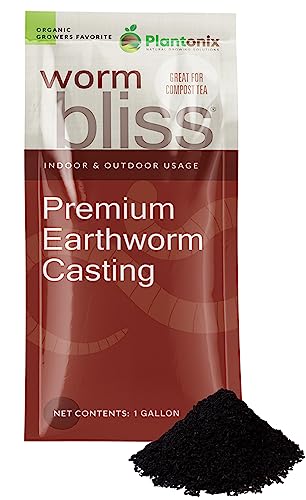
Worm Bliss 4 Qt Organic Worm Castings

JayJayup Horticultural Perlite 4 Quarts

Plantonix Coco Coir 650gm Bricks 5-Pack

ZeeDix 100 Pack 30mm Coco Coir Pellets

ZeeDix 50 Pack 50mm Coco Coir Pellets

ZeeDix Peat Pellets 100 Pack 30mm

ZeeDix Peat Pellets 55 Pack 30mm
Inside Each Recommended Option
Compressed coco coir solves a real storage headache for indoor growers. Four small bricks weighing 5 lb total tuck into a closet shelf and expand to roughly 9 gallons of fluffy medium once water hits them, which is enough loose fill for several standard 1020 trays. Compared with the Plantonix 5-pack below, this set is shorter, so you measure out a single brick per session without breaking the seal on a second block.
The triple-washed, pH-balanced profile means you skip the buffering step most gardeners know from cheaper coir. For most home setups that translates into faster seed sowing and less risk of salt burn on tender roots.
What Works In Its Favor
- Compact bricks store neatly in a pantry or garage until you need them
- Expands to about 9 gallons of medium, covering multiple seed trays in one go
- Triple-washed and pH-balanced, so seeds go straight in without pre-rinsing
- Light texture helps small root systems push through without resistance
Things To Consider
- Hydration takes a few minutes and a bucket large enough for full expansion
- Plain coir carries no real nutrition, so a light feed after true leaves appear is wise
- Dry bricks shed dust during handling, so a quick wipe-down of the work area helps
Who It Suits Best
Beginner and intermediate seed starters who want a tidy brick format over loose bags and plan to start herbs, tomatoes, or flowers indoors each spring.
Where Another Pick Suits Better
ZeeDix 100 Pack 30mm Coco Coir Pellets work better for anyone who prefers drop-in pods over loose medium, since the pellets expand inside the tray cell with no measuring.
Worm castings do something coco coir alone cannot: they feed the seedling. Earthworm castings bring nitrogen, phosphorus, potassium, and trace minerals into the mix, and OMRI listing (Organic Materials Review Institute, a third-party registry for inputs approved in organic growing) gives certified-organic gardeners a clean answer. This bag is really a supplement, used at roughly a 1:4 ratio with a base medium like coir or peat.
Vermicompost also improves moisture retention around tender roots, so you water less often during the first critical weeks. The honest read is that this product shines when blended, not when used straight.
Points In Its Favor
- Adds slow-release nutrients that support seedlings past the cotyledon stage
- Improves water retention in light, fast-draining media like coir and perlite
- OMRI-listed, which fits certified-organic home gardens
- Vegan and manure-free, useful for indoor growers wary of strong odors
Worth Noting
- Best used as an amendment, not a standalone medium for direct sowing
- 4-quart bag covers only a few trays when mixed at meaningful ratios
- Moisture content can clump in the bag over time, so crumbling before measuring helps
Made For
Organic-focused gardeners who already use coir or peat and want a clean nutrient boost blended into their seed-starting mix.
A Better Fit Elsewhere
MODELLOR Coco Coir Bricks 4-Pack 5 lb works better for someone starting from scratch who needs bulk volume before thinking about amendments.
Perlite is a heated volcanic mineral that opens up dense soil, and the 3 to 6 mm grade in this bag is the right size for seed trays. Pure white granules, no fillers, mix easily into peat or coir to keep roots from sitting in waterlogged mix. Compared with the bulk coco bricks above, perlite addresses a different problem: airflow rather than moisture holding.
The honest read is that perlite never works alone for seed-starting, but every serious mix benefits from a 1:4 perlite ratio. The bag is light and easy to handle indoors.
Everyday Wins
- Prevents compaction in seed trays so young roots push through easily
- Neutral pH that does not interfere with germination
- Improves drainage in heavy or peat-based mixes
Trade Offs
- Dust when pouring, so a damp mixing station keeps particles down
- Has no nutritional value on its own and needs pairing with coir, peat, or worm castings
- Granules float to the surface during heavy watering, so a top dressing of coir helps anchor them
Right Fit For
Gardeners blending their own seed-starting mix who already use peat or coir and need better drainage and aeration.
Skip It When
ZeeDix Peat Pellets 100 Pack 30mm suits anyone who wants an all-in-one pod with no measuring or separate perlite blending.
The Plantonix 5-pack brings more bricks into play, so multi-tray gardeners can stagger hydration across several weeks. Each 650 g brick is screened through a fine mesh to filter out fiber chunks, sand, and rocks, which is the sort of detail that separates a clean coir from one that leaves debris in the tray. The OMRI listing matches Worm Bliss above for organic-credentialed gardeners.
You get five smaller blocks instead of the MODELLOR set’s four, so the per-block math favors anyone starting large batches.
Useful Touches
- Multi-stage screening removes fiber and grit that clog fine seed drills
- Five-brick format staggers hydration so you only expand what you need
- OMRI-listed for organic growing setups
- Works as seed starter, soil amendment, or mulch from one bag
Honest Caveats
- Bricks require planning ahead since each takes time and water to fully expand
- Bare coir still needs a nutrient source added once true leaves form
- Smaller blocks mean more individual wrappings to discard after use
Quick Facts
Best Suited To
Multi-tray gardeners and organic-focused growers starting several flats a season who want clean, screened coir with a recognized organic listing.
Look Elsewhere When
ZeeDix 50 Pack 50mm Coco Coir Pellets suit anyone starting larger seeds like squash or sunflowers, since the bigger pellet fits the seed more comfortably.
Compressed pellets collapse the messy parts of seed-starting. Each disc starts flat, swells to a small pod once watered, and accepts a single seed in the dimple on top. The 30 mm size fits standard 1020 tray cells, and 100 discs give hobby gardeners enough for a full spring run. Compared with the loose coir bricks above, this format trades bulk flexibility for tidy, no-mess handling.
Low EC (electrical conductivity, a measure of soluble salt content) and balanced pH keep conditions gentle for germination. The honest read is that pellets shine for clean indoor setups and classroom projects.
What Pays Off
- Pre-measured pods eliminate scooping and reduce spilled medium
- 100-count pack covers a full tray plus backup refills
- Compresses flat for off-season storage in a small drawer
- Whole-pod transplant moves seedlings with no root disturbance
Softer Spots
- Small 30 mm size crowds larger seeds like peas or beans
- Net wrap on some pellets may fray when handled roughly
- Dries out faster than loose coir, so daily misting helps in dry homes
Feature Card
Who Will Love This
Beginners and classroom growers who want drop-in pods with no measuring, no mixing, and easy cleanup.
Another Choice May Suit
ZeeDix 50 Pack 50mm Coco Coir Pellets work better when you start larger seeds that need more root room than the 30 mm size offers.
Stepping up to 50 mm pellets changes the calculus for anyone starting bigger seeds. Squash, cucumbers, sunflowers, and pole beans need more root volume than a 30 mm pod offers, and this size gives seedlings room to push deeper before transplant. The 50-count pack suits a smaller planting plan than the 100-pack above, which keeps budget tighter for targeted crops.
The trade-off shows up in tray fit: 50 mm pellets need wider cell spacing or individual cups rather than a tight 1020 tray.
Reasons It Performs
- Larger pod supports fast-growing crops that outgrow small cells quickly
- Compresses flat for easy storage between seasons
- Whole-pod transplant protects sensitive roots from tearing
- Same low-EC, pH-balanced coco as the 30 mm sibling
A Few Limitations
- Fewer pods per pack, so running multiple crops at once gets expensive
- Larger footprint needs bigger cups or spaced tray layouts
- Dries out faster than smaller pellets, so monitor moisture in warm rooms
At A Glance
Whose Shelf It Belongs On
Vegetable gardeners starting cucurbits, beans, or sunflowers indoors who want pod convenience with room for bigger root systems.
Reach For A Different Pick When
ZeeDix 100 Pack 30mm Coco Coir Pellets make more sense for small-seed crops like lettuce or herbs where high counts and tight cells matter more than size.
Sphagnum peat pellets swap coir for peat, and that shift changes water behavior. Peat holds moisture longer than coir, so gardeners in dry homes or those who forget daily misting get a buffer against drying out. The mesh netting wraps each pod, which keeps the pellet intact during transplant. Compared with the coco pellets above, the appeal here is gentler moisture plus the same drop-in format.
The honest read is that peat pellets suit forgetful waterers more than they suit gardeners who already prefer renewable coir.
Why It Works Well
- Peat core holds water longer, reducing how often you mist
- Mesh wrap keeps the pellet shape during handling and transplant
- 100 pods cover a full tray plus backup starts
- Organic sphagnum peat supports strong germination rates
Points To Keep In Mind
- Peat is less sustainable than coco coir over the long run
- 30 mm size still crowds large seeds like squash or beans
- Fine mesh can catch on rough fingers when tearing open the wrapper
Feature Snapshot
Perfect Match For
Gardeners in dry indoor conditions who water less often and want longer-lasting moisture in each starter pod.
Swap It Out When
MODELLOR Coco Coir Bricks 4-Pack 5 lb works better for gardeners who prefer a renewable medium and want bulk volume rather than single pods.
The smaller 55-pack peat pellet set fits windowsill gardeners and tight schedules. Same 30 mm peat pod, same mesh wrap as the 100-pack above, just fewer of them. Useful for someone testing out a new herb or two without committing to a full tray.
For most apartments and kitchen-counter growers, the smaller count keeps things manageable and avoids wasted pods drying out in storage.
A Few Highlights
- Smaller pack avoids stale pods from half-used larger bags
- Peat core keeps moisture steady between waterings
- Mesh netting supports clean transplant with intact root balls
Small Caveats
- Per-pellet cost runs higher than the 100-pack sibling
- Limited count restricts how many varieties you can start at once
- Same sustainability concerns as any peat-based growing medium
Quick Facts
Who Should Grab It
Apartment growers and windowsill herb starters who only need a handful of pods and value freshness over volume.
Consider Something Else When
ZeeDix Peat Pellets 100 Pack 30mm fits anyone running a full tray of starts who wants the lower per-pellet cost of a larger pack.
Matching the Medium to Your Seeds
Seed-starting mixes work hardest in the first two to three weeks of a plant’s life, so choosing the right one shapes germination rates more than any later fertilizer. Start by thinking about format, since a brick, a loose amendment, and a pre-formed pellet lead to very different watering routines. Brick and loose formats give you full control over the blend but require hydration time and a clean workspace. Pellets trade some flexibility for tidy, drop-in handling that suits indoor setups and classrooms.
Next, weigh moisture behavior. Coir drains quickly and resists compaction, which helps seedlings prone to damping off, a fungal problem that kills young stems in wet, airless soil. Peat holds water longer, so gardeners in dry homes or anyone who forgets to mist get more cushion. Perlite does not hold water at all on its own but opens up either of those bases for healthier root growth.
Nutrition is the third axis. Straight coir or peat carries almost no food, so plan on a light feed once true leaves appear, or blend in worm castings at sowing. Castings also add beneficial microbes, which improves root environment over plain sterile media.
Finally, match pellet size to seed size. Tiny herb or lettuce seeds thrive in 30 mm pods, while squash, beans, and sunflowers need the wider 50 mm format for their root systems to develop before transplant.
Key Considerations Across These Picks
Pitfalls Shoppers Hit
Many beginners pick a seed-starting mix based on price alone and end up with a low-grade coir loaded with salts, which burns young roots and slows germination. Look for triple-washed, low-EC coir or screened bricks that filter out fiber and grit. Another common slip is treating worm castings as a standalone medium when they really belong as a 1:4 amendment mixed into coir or peat. Finally, gardeners often overlook pellet size: planting a squash seed in a 30 mm pod forces early transplant stress.
Where The Extra Money Goes
Higher-tier seed-starting products usually invest in screening and buffering, which removes salts and debris that cheaper coir leaves in the tray. Premium worm castings carry third-party organic certification and consistent nutrient content rather than variable batches. Larger pellet counts and thicker mesh wraps also push prices up because they cut down on handling losses and transplant shock.
Frequently Asked Questions
What is the best medium for starting seeds?
A light, sterile, pH-balanced medium that holds moisture without compacting works best. Coco coir, peat, or a blend with perlite all qualify, and the right choice depends on your watering style.
Can I use regular potting soil to start seeds?
Regular potting soil is too dense and often too rich for tiny seedlings. It compacts around young roots and may carry pathogens that cause damping off in indoor trays.
Do I need to add perlite to seed-starting mix?
Perlite helps if your base mix compacts or stays soggy. For most coir-based blends, a 1:4 perlite ratio improves airflow, but pure coir already drains well enough for many growers.
How long do compressed coir pellets last?
Unused pellets keep for years in a dry drawer. Once expanded, they have the same lifespan as any loose medium, so plan to use them within a few weeks for best results.
Is peat better than coco coir for seed-starting?
Peat holds water longer, while coco coir drains faster and rehydrates more easily. Dry homes favor peat, while gardeners who water often or worry about overwatering usually prefer coir.
Closing Remarks
Pick a medium that matches how often you actually water, the size of seed you are starting, and the workspace you have. Coir bricks give bulk and control, pellets give tidiness, and castings give an organic nutrient boost. Once those three align with your routine, germination tends to take care of itself, and the rest of the season feels easier from there.
