

A stirrup hoe earns its keep by slicing weed roots just below the soil surface with a push-pull motion, so you stay upright and finish rows faster than you would with a traditional draw hoe. The right pick depends on your bed height, soil type, and how much square footage you tend each week. Whether you tend a few raised beds or manage a market-garden plot, this roundup pairs short-handle precision tools with long-handle workhorses, plus a couple of 2-in-1 heads that flip between weeding and cultivating. The goal is simple: less back strain, cleaner beds, and tools that hold up to years of weekly use.
A Side-By-Side Look

Walensee Stirrup Hoe Garden Hand Scuffle Hoe

Gardena 3193 Combisystem 6.4-Inch Draw Hoe Head
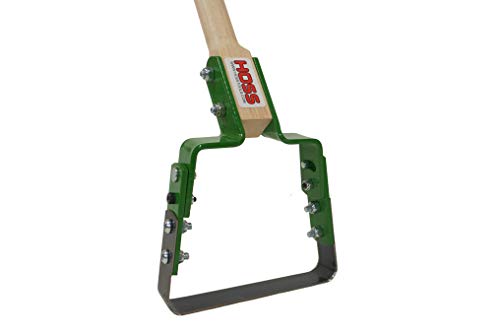
Hoss Stirrup Hoe Made in USA 60″ Ash Handle

Haliaeetus Scuffle Hoe 16.8″ Raised Bed

2 Pcs Mini Garden Hoes with Wood Handle

Haliaeetus Hula Hoe 58″ Wood Long Handle

Stirrup Hula Hoe Replacement Head with Fixing Nuts

Zenport Scuffle Stirrup Action Hoe Head

2-in-1 Stirrup Hoe and Cultivator Rake 60″ Handle

Lilyvane 2-in-1 Stirrup Hoe and Cultivator 62″ Handle
A Deeper Look At The Lineup
The Walensee hand scuffle hoe fills a specific niche that the long-handle picks cannot. Its short shaft and trapezoid-shaped hollow head let you crouch at a raised bed and thread the blade between vegetable starts without stepping into the soil, which matters when the bed is freshly planted and you would rather not compact the worked earth.
You get a rubber-grip handle that stays planted in a wet palm, and the open-loop head doubles as a light rake when you flip it. For most home gardeners with a couple of 4×8 beds, that dual function is the appeal: one tool to skim weeds, another motion to rough up the top inch of soil before a seeding pass.
What Earns Its Place
- Short reach keeps you close to the action in narrow beds
- Hollow head slices roots and light debris in one pass
- Non-slip rubber grip holds up during long weeding sessions
- Multi-purpose head handles raking and grass scraping too
Things To Consider
- Short handle means crouching or kneeling in larger plots
- Smaller blade width slows work in open field-style gardens
Made For
Backyard growers working waist-high raised beds and tight vegetable rows who prefer precision over speed.
Consider Something Else When
Walk-away weeding across a half-acre calls for the Hoss Stirrup Hoe, which trades this pick’s detail for a long, stand-up reach.
This is not a complete hoe, which is the whole point. The Gardena 3193 ships as a head only, sized to drop onto any handle in the Gardena Combisystem line. A “draw hoe” is the classic chopping style: you pull it toward you to sever weed roots and break crusted soil.
For shoppers who already own a Gardena handle, this head slots in without buying a second tool. The 6.4-inch working width is a touch narrower than the Hoss blade, so it threads more carefully between ornamental perennials. Stainless steel construction helps with rust if you forget it outside after a rain shower.
Useful Strengths
- Swaps onto existing Gardena handles to save money
- Stainless blade resists rust in damp storage sheds
- D-shaped support bracket handles heavier soil
Worth Noting
- Head only: requires a separate compatible handle purchase
- Draw-hoe style means more wrist action than oscillating designs
- International stock may differ from domestic versions
Key Specs
Best Suited To
Gardeners already invested in the Gardena Combisystem who want a rugged draw-hoe head without buying a second full-length tool.
Swap It Out When
The Hoss Stirrup Hoe is a better fit for anyone who wants a complete tool with a long handle included and an oscillating blade.
Where the first two picks either cut close or swap heads, the Hoss Stirrup Hoe goes long. A 60-inch ash handle and a 6-inch spring-steel blade sharpened on both sides make it a real workhorse for weekly weeding across larger plots.
The blade oscillates roughly 20 degrees in either direction, so each stroke cuts whether you push or pull. The handle arrives waxed rather than varnished, which means it tolerates weather without flaking. Powder-coated steel on the frame keeps rust at bay in a damp shed.
Standout Benefits
- 60-inch ash handle suits most heights without stooping
- Double-edged blade cuts on forward and back strokes
- Waxed handle resists peeling over years of outdoor storage
- Powder-coated frame holds up to repeated wet-soil contact
Honest Caveats
- Long handle feels unwieldy in tight raised-bed corners
- Single blade width covers less ground than wider heads
Who Should Grab It
Homeowners and small-scale growers managing 200+ square feet of bed space who want a single tool to handle most weeding sessions upright.
Reach For A Different Pick When
The Haliaeetus Hula Hoe offers a similar long reach at a friendlier entry cost for shoppers who do not need the Hoss build.
Mid-length hoes solve a real problem the rest of this list sometimes misses. A 60-inch handle on a 12-inch-tall raised bed feels like threading a pool cue through a keyhole, while a 10-inch hand hoe forces you to kneel. The Haliaeetus Scuffle Hoe lands in the middle with a 16.8-inch overall length.
The short-handled oscillating head uses the same push-pull motion as full-length hoes but at a scale that suits knee-high beds. For shoppers who crouch at the edge of a 4×8 cedar box, the angle keeps your wrists neutral instead of bending them up at the soil.
Where It Delivers
- Mid-length shaft clears weeds without bending into beds
- Oscillating head cuts on push and pull strokes
- Compact size stores easily against a shed wall
Soft Spots
- Smaller handle means you still bend somewhat for taller users
- Less reach across wide rows than full-length picks
Perfect Match For
Raised-bed gardeners who want stand-up comfort without committing to a 60-inch handle.
A Better Fit Elsewhere
The Walensee Stirrup Hoe is a smarter grab for gardeners who kneel at the bed and want maximum precision per stroke.
Leriton ships this as a pair of mini hoes, which addresses the most common household complaint about garden tools: you can never find the second one when you need it. Each tool measures roughly 17 inches long with a 3.5-inch head.
The wood handle is the giveaway that this is a budget-tier pair rather than a professional set. You get two functional hoes for the price of one premium single tool, which makes sense for couples sharing a yard or anyone who wants a backup in the garage.
Useful Touches
- Two-tool pack covers shared households and yard crews
- Compact 17-inch length works under shrubs and ornamentals
- Wood handle offers familiar grip feel for casual gardeners
Points To Note
- Wood handles benefit from an annual oil to resist splitting
- Heads are smaller than full-size picks, so rows take longer
Feature Snapshot
Whose Shelf It Belongs On
Couples or households sharing yard work who want a dedicated hoe each without paying for two premium picks.
Look Elsewhere When
Stand-up weeders managing long rows will prefer the Haliaeetus Hula Hoe and its 58-inch reach.
Think of the Haliaeetus Hula Hoe as the Hoss’s more accessible sibling. You get the same general shape: a looped blade on a long wooden shaft, sized so you never have to kneel. The 58-inch handle is two inches shorter than the Hoss, which matters for gardeners closer to 5’4″ who find 60-inch tools awkward.
You push and pull the blade just below the soil surface, severing weed roots without flipping the bed over. For shoppers who want a stand-up tool without paying heirloom-tier pricing, this lands in a practical everyday zone.
Well-Handled Touches
- 58-inch shaft suits average and slightly shorter gardeners
- Push-pull motion halves typical weeding time
- Wood handle offers a warmer grip than bare metal
Practical Considerations
- Wood handle needs occasional oiling to prevent drying
- Blade may need touch-up sharpening after heavy season use
Right Fit For
Mid-sized yard owners who want stand-up weeding without committing to a heavy-duty heirloom tool.
Not Your Match When
Shoppers who already own a quality ash-handle hoe should consider the Ledombon replacement head instead.
The Ledombon replacement head arrives as a stirrup loop, two reinforced fixing nuts, and nothing else. The hook is that you bring your own handle: any broomstick, dowel, or salvaged tool shaft in your garage works, so you set the final length to match your height and your beds.
For shoppers with a broken wooden handle on an old hoe or anyone who wants to upcycle a closet rod into a garden tool, this head attaches with basic hardware. The DIY element means you can build two hoes from one head purchase if you have spare handles lying around.
Key Advantages
- Custom handle length matches your height and bed setup
- Reinforced fixing nuts grip tighter than basic bolts
- Upcycles old handles instead of sending them to landfill
Trade Offs
- Requires handle sourcing and basic tool work to assemble
- Missing hardware stores mean a trip before first use
Built With In Mind
Tinkerers and budget gardeners who already own a suitable handle and want to assemble a custom-fit stirrup hoe.
Where A Sibling Pick Shines
The Zenport Scuffle Stirrup Action Hoe Head is a similar replacement option with a double-edged blade for shoppers who want a ready-made head from a recognized tool brand.
Like the Gardena 3193, the Zenport head only ships the working end. What sets it apart is the double-edged blade, sharpened on both the leading and trailing edges, so you cut weeds whether you push or pull without flipping the tool.
For gardeners upgrading an existing long-handled tool or replacing a worn head on an heirloom shaft, this slots in with standard hardware. It works with most handle diameters, and Zenport has a reputation in the small-scale farming community for replacement parts.
The Helpful Details
- Double-edged blade doubles effective cutting per stroke
- Push-pull action minimizes soil disturbance in planted rows
- Brand known in the market-garden community for spares
Less Ideal Details
- Head only: requires a separate handle purchase
- Fit may need shimming for non-standard handle diameters
At A Glance
Who Will Love This
Small-farm growers and serious gardeners replacing a worn stirrup head or upgrading an existing handle to a higher-performance blade.
Skip It When
The 2-in-1 Cogardenshower Stirrup Hoe is the better call for shoppers who want a full tool with a cultivator side included.
Most hoes do one thing: slice. This Cogardenshower model bolts a four-tine cultivator rake to the opposite side of the stirrup head, so you flip mid-row from weeding to soil work without a tool change.
A 60-inch adjustable handle lets you tune the length to your height, and the rust-resistant stainless steel blade holds an edge across a full growing season. Gardeners mixing compost into the top inch after weeding appreciate not having to put down the tool and grab a second one.
A Few Strong Suits
- Two tools in one head, no mid-task switching
- Adjustable handle tunes to your exact height
- Pointed tines aerate and lift small roots between rows
Where It May Fall Short
- Heavier dual head can tire wrists during long sessions
- More moving parts mean more places to check for loose hardware
Feature Rundown
The Right Fit
Vegetable gardeners who cultivate and weed in the same pass and want to cut tool changes from their routine.
Another Choice May Suit
The Lilyvane 2-in-1 set is a smarter pickup if you want a similar dual-head tool at a slightly longer 62-inch reach.
Lilyvane’s 2-in-1 lands at the same dual-head idea as the Cogardenshower but stretches the handle to 62 inches and pitches itself as a lightweight daily-driver. The four-tine cultivator pairs with a sharp stirrup blade for routine weed-and-loosen work in flower beds, veggie rows, and gravel landscaping.
The sharp tines are pointed enough to grab deep-rooted weeds and slice into compacted soil, which helps when you are working ground that has not been turned in a season. For shoppers managing a full-yard maintenance routine, that dual capability removes a step.
Strong Points
- 62-inch handle gives taller gardeners extra reach
- Sharpened tines dig into compacted or root-heavy soil
- Lightweight build suits longer weeding sessions
Potential Compromises
- Long handle complicates transport in smaller vehicles
- Combo head adds weight over single-purpose picks
Perfect Match For
Homeowners handling mixed weeding and cultivating tasks across flower beds, vegetable plots, and gravel paths in a single session.
Where Another Pick Suits Better
The Hoss Stirrup Hoe is the stronger choice for shoppers who want a single-purpose weeder with a heritage-grade ash handle.
What To Weigh Before Choosing Stirrup Hoes
Handle Length Drives Comfort
The biggest comfort variable is handle length, which ties directly to your height and bed style. Long handles in the 58 to 62-inch range let you stand upright while working, which matters for anyone with back or knee concerns. Short handles in the 10 to 17-inch range keep you close to the action in raised beds but force crouching or kneeling. A mid-length option around 16 inches splits the difference for gardeners who split their time between bed styles.
Blade Width And Soil Type
Blade width sets the pace of weeding. Narrower heads (3 to 6 inches) thread carefully between plants but cover less ground per stroke. Wider heads speed through open rows but can damage root systems if your spacing is tight. Match the blade to your bed density rather than chasing the widest option available.
Single Purpose Vs 2-In-1 Heads
Single-purpose stirrup hoes tend to be lighter and faster per stroke, ideal for large plots where weeding is the only task. 2-in-1 heads that pair a stirrup blade with a cultivator rake add versatility for gardeners who loosen soil, mix compost, and weed in the same pass. The trade-off is weight: dual heads tire wrists faster during long sessions.
Build Materials And Longevity
Spring steel blades sharpen cleanly and resist deformation when you hit a rock. Stainless steel resists rust in damp sheds but may not hold an edge as long as high-carbon steel. Wood handles feel familiar and absorb vibration, though they benefit from a yearly oil rub. Powder-coated steel frames shrug off rain but can chip at weld points if dropped.
Smart Choices Across This Lineup
Pitfalls Shoppers Hit
The most common mistake is buying a long-handle hoe for tight raised beds, where the extra length works against you and forces awkward wrist angles. The opposite error is grabbing a short-handle pick for a half-acre plot, which turns weekly weeding into a back-breaking chore. Match handle length to bed height first, then weigh blade width and accessories.
Where The Extra Money Goes
Premium pricing in this category tends to pay for blade steel, handle material, and frame finish. Spring steel that sharpens on both edges, ash handles that resist peeling, and powder-coated frames all add years to a tool’s working life. For gardeners who weed weekly through a full growing season, those upgrades earn their keep. For occasional weekend use, a mid-tier pick handles the workload without the heirloom price tag.
Frequently Asked Questions
What Is A Stirrup Hoe Used For?
A stirrup hoe cuts weed roots just below the soil surface with a back-and-forth push-pull motion. The looped blade skims the top inch of soil, severing small weeds before they establish, while leaving deeper root zones of your crops undisturbed.
How Does A Stirrup Hoe Differ From A Regular Garden Hoe?
A traditional draw hoe chops down into the soil and pulls toward you, which moves more dirt and demands more wrist effort. A stirrup hoe oscillates back and forth just under the surface, slicing roots with less soil disruption and less fatigue.
What Handle Length Works Best For Raised Beds?
Raised beds between 12 and 24 inches tall pair well with mid-length handles around 16 to 18 inches, which keep your wrists neutral without forcing you to crouch. Taller beds above 30 inches work fine with full-length 58 to 62-inch handles for stand-up comfort.
Can Stirrup Hoe Blades Be Sharpened?
Yes, most stirrup blades can be touched up with a flat file or bench grinder along the leading edge. Double-edged blades like the Hoss and Haliaeetus sharpen on both sides, extending the interval between major sessions.
How Do I Maintain A Wood-Handled Hoe?
Wipe the handle clean after each use and rub it down with linseed oil once a year to prevent drying and cracking. Store the tool out of direct rain to extend the wood’s life, and check the head-to-handle connection each spring for any loosening.
Wrap Up
Stirrup hoes earn their place in any shed because they cut weeding time roughly in half without requiring you to flip a foot of soil. The right pick comes down to your bed height, plot size, and how often you tend the garden. Long-handle options like the Hoss and Haliaeetus 58-inch handle full plots with stand-up comfort, while compact picks like the Walensee fit waist-high beds where precision matters. Match the tool to your space, and weekly weeding becomes a quick pass instead of a back-breaking chore.
