

Pothos earns its reputation as a forgiving houseplant, but the mix you choose still shapes how those trailing vines behave long term. Aeration, drainage, and moisture control decide whether roots stay white and firm or slowly suffocate in a soggy pot. The right substrate also matters if you propagate cuttings in glass jars or set up a semi-hydro conversion, since water-holding capacity and pH shift differently across materials.
This roundup walks through ten substrate options that translate well into pothos care, from LECA clay pebbles to ABG blends and compressed coconut chips. Each entry covers what it brings to your setup, where it makes sense, and what trade-offs to plan around so you can match the medium to your watering style and pot choice.
A Fast Comparison Of The Options
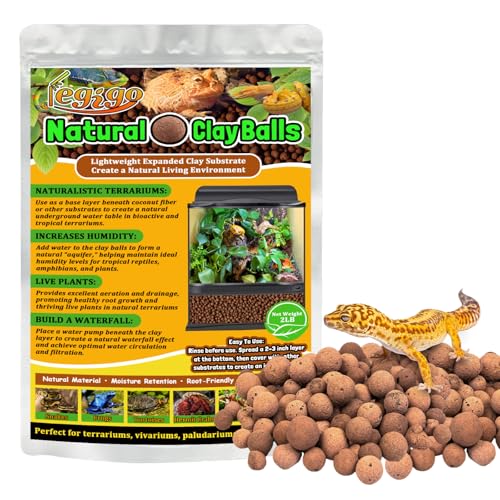
Legigo 2 LB Organic Expanded Clay Balls

Josh’s Frogs ABG Mix Bioactive Substrate (4 Quart)

Josh’s Frogs False Bottom LECA Clay Pebbles (4 Quarts)

Halatool 6 Pcs Coco Husk Chips (6.6 LB)

Halatool 10 LBS Coco Husk Chips Brick

Halatool 2 Pcs Coco Husk Chips (2.2 LB)

Halatool 4 Pcs Coco Husk Chips (4.4 LB)

Halatool 8 Pcs Coco Husk Chips (8.8 LB)

Halatool 10 Pcs Coco Husk Chips (11 LB)

Zoo Med Creatures Creature Soil (1 Quart)
Taking A Closer Look At The Options
LECA (lightweight expanded clay aggregate) earned its reputation as a semi-hydro medium because the baked clay pebbles hold air pockets around roots while letting gravity pull excess water downward. Pothos in particular adapts to a constant-wick setup faster than most tropicals, and a layer of these spheres at the base of a glass or net pot gives you a clear reservoir without turning the root zone soggy.
You’ll notice the 4-16mm size range covers everything from smaller propagation stations to chunky drainage layers in larger planters. Pre-rinse before you pot to clear the dust that commonly rides on new clay, and you’ll get clearer water in semi-hydro conversions.
Notable Upsides
- Reusable medium that holds structure across many repotting cycles, lowering long-term replacement frequency
- Open pore structure supports oxygen flow around fine pothos roots, lowering the chance of rot in heavy-water setups
- Rinses clean and refills without breaking down, simplifying maintenance between water changes
Things To Consider
- Dry pebbles offer zero nutrient load, so a diluted fertilizer routine becomes part of your care schedule
- Transplant shock is common when shifting from soil to pure LECA without a transition period
Who It Suits Best
Anyone converting a pothos to semi-hydro or building a self-watering planter will appreciate this medium’s predictability and reusability.
Look Elsewhere When
Soil-loving growers who want moisture retention will find Josh’s Frogs ABG Mix Bioactive Substrate (4 Quart) a more familiar, nutrient-rich choice.
The ABG mix draws on a botanical-garden formulation that combines tree fern fiber, sphagnum, peat, charcoal, and bark into one balanced tropical substrate. For pothos, that means a soil that drains well, holds humidity around the root zone, and resists compacting the way plain peat-based mixes tend to after a few waterings.
You’ll appreciate that it works equally well in standard nursery pots and in bioactive setups with springtails or isopods. It’s also forgiving if you occasionally overwater, since the chunky texture gives roots somewhere to breathe while the finer particles retain the moisture pothos prefers.
Strengths Worth Knowing
- Proven tropical formula trusted across the vivarium community for decades of plant care
- Slow breakdown rate keeps structure intact longer than basic peat mixes, reducing how often you need to repot
- Charcoal component helps freshen the substrate and reduce sour smells in enclosed terrariums
- Balanced moisture retention fits pothos without forcing a strict wet-dry cycle
Honest Caveats
- Lightweight blend can float during heavy watering, so a top dressing helps keep the surface tidy
- Dries out faster than pure peat in warm, low-humidity homes, depending on your indoor conditions
Key Specs
Made For
Tropical plant keepers who want a ready-made mix that mimics rainforest floor conditions without blending their own components.
Skip It When
Semi-hydro enthusiasts running reservoir planters will get more mileage from Legigo 2 LB Organic Expanded Clay Balls.
A false bottom is a layer of larger aggregate sitting below the substrate to create a water reservoir, and LECA pebbles are the classic pick for the role. In pothos planters, that means the soil above stays evenly moist without sitting in standing water, since the pebbles give excess liquid a place to drain and slowly evaporate back up.
You’ll want to separate the pebble layer from the soil above with mesh or landscape fabric so fines don’t migrate downward and clog the reservoir. The clay itself lasts indefinitely, so you’re not replacing the base layer with every repotting.
What Pays Off
- Long-lasting clay that can be rinsed and reused across many terrarium cycles
- Increases ambient humidity by holding water in the bottom layer, ideal for tropical setups
- Prevents soil from staying soggy, which protects fine pothos roots from rot
- Eco-friendly base material that’s abundant and breaks down slowly
Points To Note
- Adds noticeable weight to glass containers, so factor that into your planter choice
- Requires a barrier layer between pebbles and soil to stay functional long term
Right Fit For
Builders of automated misted terrariums or planters where you want the substrate to stay evenly hydrated without daily attention.
Not Your Match When
Casual soil growers in standard nursery pots will find Halatool 6 Pcs Coco Husk Chips (6.6 LB) a more direct drop-in medium.
Coco husk chips sit between bark and coir in texture, chunkier than peat and far more aerated than standard potting soil. For pothos, that means the chunky structure holds air pockets around the roots while still pulling moisture into the chips themselves, mimicking the loose, organic-rich forest floor where these vines naturally grow.
The compressed bricks arrive dense and light at once, expanding once you add water. Six bricks at roughly 1.1 lb each give you enough expanded medium to refresh several mid-size pots or build one large planter.
Practical Pluses
- Low electrical conductivity (EC) and pH balanced, so seedlings and transplants face a friendly rooting environment
- Compresses for shipping, opening up storage space in a small apartment or plant room
- Holds structure longer than fine coir, reducing compaction through repeated waterings
- Drains well while still holding moisture, fitting pothos’s preference for even hydration
Worth Bearing In Mind
- Chips dry out at the surface faster than peat, so top watering and humidity matter in dry homes
- Rinsing recommended before potting, since compressed coco can shed salts and dust during rehydration
Feature Snapshot
Best Suited To
Aroid mixers who blend their own chunky tropical medium and want a coco component that won’t break down as fast as finer coir.
Reach For A Different Pick When
If you’d rather skip the rehydration step, Josh’s Frogs ABG Mix Bioactive Substrate (4 Quart) comes ready to use.
One large compressed brick simplifies the kind of repotting session that comes with growing pothos across multiple pots. The single-block format means less packaging, fewer bricks to hydrate separately, and a tidy workspace as you break the medium apart and mix it into your aroid blend.
Expanded volume lands around 72 quarts per brick once soaked, which covers a generous collection. Expect to spend a few minutes rehydrating it in a bucket before use, and you’ll end up with the same chunky, airy texture as the smaller bricks.
Why It Works Well
- One-brick format reduces repeated soaking sessions during big repotting days
- Same coco composition as smaller packs, so watering behavior stays consistent across pots
- Useful as both a soil amendment and a stand-alone substrate depending on your blend recipe
- Organic coconut material without synthetic additives, fitting a low-input houseplant routine
Trade-Offs To Consider
- Large block requires a deep bucket or tub for rehydration, which can be a hurdle in small kitchens
- You may end up with more expanded medium than needed for a single sitting, depending on your collection size
Whose Shelf It Belongs On
Collectors refreshing medium for half a dozen or more pots will appreciate the volume efficiency over multiple small bricks.
Consider Something Else When
Plant keepers with just a couple of small pots will find Halatool 2 Pcs Coco Husk Chips (2.2 LB) a more proportionate match.
Two small bricks give you roughly 14 quarts of expanded medium once rehydrated, which fits a single pothos repot or a couple of propagation jars without leftover waste. The smaller format also makes it easier to test coco chips for the first time without committing to a larger brick.
You’ll find the same low-EC, pH-balanced composition as the larger packs, so the watering rhythm you dial in will translate if you scale up later. Plan on a quick rinse during rehydration and you’ll have a clean medium ready to pot.
Good Reasons To Consider
- Approachable volume for first-time coco chip users who want to test before buying in bulk
- Compact bricks store easily on a closet shelf, fitting small-space growers
- Compresses for shipping, so the package is light to carry home
Small Limitations
- Limited expanded volume means you’ll need a second pack for larger planters or collection-wide refreshes
- You may find yourself hydrating multiple small bricks if your pothos collection grows
Who Should Grab It
Beginners testing coco chips in a single pot, or anyone refreshing one medium-sized pothos planter without surplus.
A Better Fit Elsewhere
Collectors running several pots will save rehydration time by stepping up to Halatool 10 LBS Coco Husk Chips Brick.
Four bricks expand into roughly 28 quarts, which fits comfortably between the small starter pack and the large single-brick option. For pothos keepers refreshing two or three pots at once, this middle tier avoids the leftover waste of bigger orders without forcing repeat purchases.
The familiar coco chip format hydrates the same way as the smaller packs, so you’re not learning a new technique when you size up. Expect a bit more hands-on soaking time than a single large brick, but manageable.
Where It Helps
- Volume that fits a small-to-medium collection without leftovers or shortage
- Multiple bricks let you hydrate only what you need for a given session
- Same low-EC, pH-balanced composition as the rest of the Halatool line
Points To Keep In Mind
- Still requires multiple soaking sessions if you use all four bricks at once
- Some pots may end up with mixed batches if you soak bricks on different days
Feature Rundown
Perfect Match For
Plant keepers with a handful of pothos who want a sensible middle-ground volume for seasonal refreshes.
Swap It Out When
Anyone refreshing a single pot should look at the smaller Halatool 2 Pcs Coco Husk Chips (2.2 LB) for less waste.
Eight bricks push you into serious volume territory, expanding to roughly 56 quarts of coco chip once rehydrated. For pothos collections that span multiple shelves, large floor planters, or propagation stations, that quantity covers seasonal refreshes without restocking pressure.
You’ll want a wide tub or wheelbarrow-style container for the soaking step, depending on how many bricks you hydrate at once. The compressed format still ships light relative to its expanded size, which simplifies transport.
Real-World Strengths
- Suited to multi-pot refreshes, propagation rounds, and topping off several planters at once
- Compressed format saves shelf space until you need it
- Same balanced EC and pH profile as the rest of the Halatool line, so behavior stays predictable
Where It May Fall Short
- Overkill for a one- or two-pot collection, depending on your setup
- Hydration step requires planning and a sizeable container, so it’s less spontaneous than smaller packs
Built With In Mind
Pothos enthusiasts with sizable collections or those running propagation shelves need bulk medium on hand.
Where Another Pick Suits Better
Single-plant owners will save money and effort by choosing Halatool 2 Pcs Coco Husk Chips (2.2 LB) for modest needs.
Ten bricks at roughly 11 pounds of compressed coco give you the largest expanded yield in this lineup, around 70 quarts once soaked. For deep pothos planters and large mixed tropical collections, that volume sets you up for several full refreshes without reordering.
The trade-off, of course, is soaking logistics. Plan a workspace that can handle a deep basin or large bucket, and you’ll move through the hydration step without flooding your plant corner.
What Helps Most
- Top-volume option for committed collectors running many pots or large floor planters
- Long shelf life in compressed form, so you can buy ahead and hydrate as needed
- Consistent low-EC and balanced pH across the whole batch
- Useful as both a soil amendment and a chunky top-dressing
Potential Compromises
- Storage space for ten compressed bricks is non-trivial, depending on your closet situation
- Hydration in batches may require patience if you don’t have a single large container
Who Will Love This
Tropical plant enthusiasts who treat pothos as one of many species and rotate medium refreshes across a broad collection will value the bulk format.
A Better Fit Elsewhere
Anyone with a small pothos setup will find the Halatool 4 Pcs Coco Husk Chips (4.4 LB) easier to manage.
Creature Soil blends peat moss, soil, sand, and carbon into a moisture-retentive mix aimed at invertebrates and tropical setups. For pothos, that translates into a traditional soil-leaning medium that holds humidity around roots while the sand component keeps texture from going muddy.
You’ll notice it’s a smaller 1-quart bag, which fits one small pothos repot or a single propagation jar. The carbon content helps keep the substrate fresh, which is a nice touch for enclosed planters.
Real Benefits
- Ready-to-use traditional soil blend, no rehydration or mixing required
- Holds humidity around roots, supporting pothos in drier indoor environments
- Carbon component helps reduce odors in enclosed planters
- Compact bag for one-off repots without buying more medium than you need
Where It Is Less Suited
- Limited volume means repurchasing for larger planters or collection-wide refreshes
- Denser than chunky tropical mixes, which can compact over time in tightly packed pots
Product Snapshot
The Right Fit
Traditional soil growers who want a pre-mixed tropical medium without the chunky aroid texture.
Not Your Match When
Anyone wanting chunky, airy texture for pothos roots will prefer Halatool 6 Pcs Coco Husk Chips (6.6 LB) mixed into their blend.
What To Weigh Before Picking A Pothos Substrate
Pothos grows fast and tolerates a wide substrate range, but a few attributes shape how your watering rhythm feels day to day. Drainage sits at the top, since soggy roots are the most common reason these otherwise forgiving vines start dropping leaves. Aeration comes next, because compacted soil suffocates fine root hairs even when the surface looks dry. Moisture retention follows, since fast-draining mixes dry out faster than you expect in winter-heated rooms.
Texture also influences root health more than most new growers realize. Chunkier mixes like coco chips or bark-heavy blends keep air gaps open, while fine peat-based soils hold water longer but compact over time. For semi-hydro setups, the inert qualities of LECA clay pebbles take over entirely, giving you precise control over reservoir depth and watering cycles.
Drainage And Aeration
Drainage describes how quickly water leaves the pot, while aeration describes how much air stays in the substrate between waterings. Pothos thrives when both are generous, which is why most aroid-leaning mixes lean chunky rather than fine. A pot with drainage holes plus an airy substrate gives you the widest margin for occasional overwatering.
Water Retention Profile
Different materials hold water at different rates. Coco chips and peat-based mixes buffer against missed waterings, while LECA reservoirs hold water below the root zone for wick-style setups. Match the retention profile to your watering habits rather than fighting the medium every week.
Format And Reuse
Compressed bricks save shelf space and ship light, but require rehydration time. Pre-mixed soils are ready to use but heavier to store. LECA pebbles cost more upfront yet rinse and reuse across many cycles, lowering replacement frequency over years of use.
Key Considerations Across These Picks
Where Shoppers Go Wrong
Choosing a fine, peat-heavy mix for pothos is one of the most common mistakes, since the dense texture holds water longer than the plant prefers. Another slip is buying the smallest bag to save money, only to find you run out mid-repot and end up ordering twice. Skipping the rinse step with LECA or compressed coco also clouds the water and clogs pots unnecessarily.
When Paying More Pays Off
Higher-tier picks earn their cost when reusability and long-term structure matter. LECA pebbles rinse and last across many repotting cycles, while premium ABG blends hold their chunky texture longer than budget peat mixes. For semi-hydro conversions or bioactive vivariums, the upgrade usually means fewer root issues and less frequent medium replacement.
