

There’s nothing quite like picking a sun-warmed mulberry straight off the branch, and the right tree can put that experience within reach even on a small patio. The challenge is sorting through seedlings, dwarfs, and tropical varieties to find the one that actually thrives where you live and fits the space you have. This roundup breaks down six live mulberry trees that suit different climates, container setups, and flavor preferences, so you can match a tree to your yard instead of guessing.
A Fast Comparison Of The Options

Dwarf Everbearing Mulberry – Two 4 Inch Pots
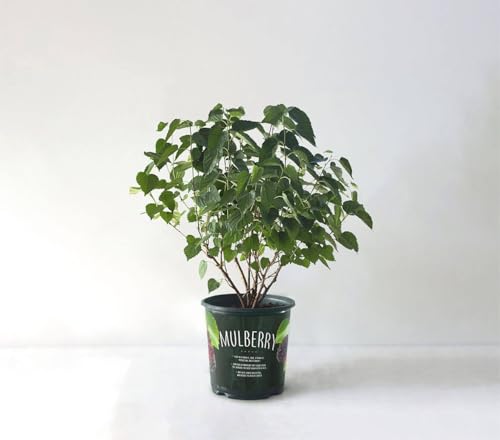
Live Mulberry Tree 1 Gallon Pot Dwarf Fruit Tree

Everbearing Mulberry Tree – Live Plant in a 4 Inch Pot

Dwarf Everbearing Black Mulberry Tree by Wellspring Gardens

Pakistan Mulberry Fruit Tree – 1 to 2 Feet Tall

Pakistan Mulberry Fruit Tree – 8″ to 1 Feet Tall
What Each Pick Brings To The Table
If you want two trees on the same order without paying for premium starter sizes, this Daylily Nursery pairing covers the basics nicely. Each 4-inch pot ships from Tennessee with a young Morus starter, meaning you get a small plant that can establish itself in a container or a garden bed within a single growing season.
The package is aimed at fall planting, which lets the root system settle through cooler months and push vigorous top growth come spring. For most home growers, that timing aligns well with the natural rest cycle of mulberries. Compared to the single-pot offerings later in this list, the value here comes from getting two plants for roughly the cost of one larger specimen.
The Good Stuff
- Two starter plants ship together, doubling your options for the same spend
- Dwarf habit keeps the tree compact, so a patio container or small bed works fine
- Self-fertile, so you don’t need to worry about pairing it with a second tree for pollination
- Hardy across zones 5 through 11, giving you a wide planting window in most U.S. climates
- Fall-planted trees tend to jump ahead of spring-planted ones in their first full year
Things To Consider
- 4-inch pots mean smaller starter roots than the 1-gallon options, so early growth can feel slow
- You’ll likely need to repot or upsize containers within the first year as the trees establish
Who It Suits Best
Patio gardeners who want a pair of low-cost starters and don’t mind a patient first season of root establishment.
Consider Something Else When
The Wellspring Gardens Dwarf Everbearing Black Mulberry Tree suits you better if you’d rather start with a slightly more developed plant in a 3-inch-deep pot.
For a first-time fruit tree grower, this 1-gallon dwarf mulberry removes most of the guesswork. The plant arrives already established in a larger pot than the 4-inch starters, meaning you skip the fragile seedling stage entirely and move straight into a comfortable establishment phase.
Its dwarf habit tops out around 8 to 10 feet, which is tall enough to produce a meaningful harvest but short enough to keep manageable with light seasonal pruning. You don’t need a second tree for pollination, since the variety is self-fertile, and the tree adapts to either a container on a patio or a spot in the backyard. For most beginners, that’s a friendly combination of traits.
Features That Help
- Larger 1-gallon root ball gets a head start over smaller starter pots
- Compact 8 to 10-foot mature height fits comfortably in a container or small yard
- Self-fertile flowering means reliable fruit set without a pollination partner
- Adapted for zones 7 through 10, covering much of the southern and coastal U.S.
- Low-maintenance care requirements suit a gardener still learning the basics
Trade Offs
- Zone 7 minimum rules out colder northern climates where the Wekiva Foliage Everbearing Mulberry would survive
- Young trees in 1-gallon pots can dry out faster in summer, so consistent watering matters
- Generic branding means less variety-specific guidance than named cultivars
Quick Facts
Made For
First-time fruit tree growers in zones 7 through 10 who want a forgiving dwarf that doesn’t demand expert care.
Skip It When
The Wekiva Foliage Everbearing Mulberry Tree fits your situation better if your winters dip below zone 7 and you need hardier cold tolerance.
Wekiva Foliage’s take on the everbearer targets a different climate problem than the warmer-zone picks earlier in this list. Where some mulberries surrender after a hard frost, this one shrugs off temperatures down to minus 25 degrees, which opens up planting for growers in zones 4 through 8.
The 4-inch pot ships a young plant, so you’ll want to budget time for the establishment phase, but the flavor payoff over time is a fruit that leans toward the sweet, blackberry-like end of the mulberry spectrum. For northern gardeners, that’s a meaningful trade: a slower start for a tree that actually survives the winter. Where the generic 1-gallon dwarf above thrives in heat, this one earns its keep by tolerating cold.
Everyday Advantages
- Hardy down to minus 25 degrees, so zone 4 and 5 winters are realistic
- Everbearing habit extends the harvest window across multiple months
- Tolerates full sun or partial shade, which helps in less-than-ideal garden layouts
- Drought-tolerant once established, reducing watering demands in dry summers
- Adaptable to containers, raised beds, or in-ground planting
Worth Noting
- First-year watering schedule is more demanding than drought-tolerant mature trees
- Smaller starter pot size means slower visible growth in year one
Right Fit For
Northern climate gardeners in zones 4 through 8 who need cold hardiness more than they need a large starter plant.
A Better Fit Elsewhere
The Live Mulberry Tree 1 Gallon Pot Dwarf Fruit Tree works better for you if you’re in zones 7 through 10 and prefer a larger initial root ball over cold tolerance.
Wellspring Gardens targets the apartment dweller and balcony gardener with this Morus Nigra dwarf. The mature size stays between 2 and 6 feet, which is small enough to live in a tight container without crowding your outdoor furniture or railing.
You can grow it outdoors in zones 5 through 11 or bring it inside as a houseplant in colder regions, and the self-fertile flowering means fruit production doesn’t require a partner tree. For most urban gardeners, the appeal is that you get a real fruiting mulberry without surrendering half your balcony. Compared to the larger 1-gallon options, this one trades size for portability.
What Makes Sense
- Tiny 2 to 6-foot mature height fits on a balcony or small patio
- Grows indoors or outdoors depending on your climate and space
- Self-fertile flowering removes the need for a pollination partner
- Tolerates drought once established, easing summer watering demands
- Plays well with blueberries and other compact fruit plants in mixed beds
Room For Improvement
- Arrives as a small 3 to 8-inch starter, so visible growth takes patience
- Lower mature height also means smaller overall harvest per tree
- Container-grown trees need more frequent watering than in-ground plantings
Feature Snapshot
Whose Shelf It Belongs On
Balcony and apartment gardeners who want a true dwarf mulberry they can keep in a small container indoors or out.
Look Elsewhere When
The Daylily Nursery Dwarf Everbearing Mulberry suits you better if you want two starter plants to spread around a larger garden.
9EzTropical brings something different to the lineup with the Pakistan mulberry, a heat-loving variety known for elongated, deeply colored berries. The 1 to 2-foot starter arrives in a 1-gallon pot, which gives you a meaningfully larger plant than the 4-inch options earlier in this roundup.
This variety has historical roots in parts of Asia where summers run hot and soils lean dry, so it tends to thrive in similar U.S. climates like the Southwest, southern California, and Florida. The tree takes longer to reach fruiting maturity than the dwarfs above, but the berries are larger and longer, which appeals to anyone who wants a distinctive fruit rather than the standard black mulberry. If your yard has the heat to spare, this one’s worth considering.
Why It Works Well
- 1 to 2-foot starter size gives you a head start over smaller potted plants
- Heat-loving variety thrives in warm southern climates
- Produces unusually long berries compared to standard mulberry varieties
- 1-gallon pot ships a well-developed root system ready for transplanting
- Adapts to poor soils where other fruit trees might struggle
Points To Note
- Not suited for cold northern climates, so zone placement matters significantly
- Takes longer to reach fruiting age than the dwarf everbearing varieties
Best Suited To
Backyard orchard builders in warm U.S. climates who want a distinctive Pakistan variety rather than a standard mulberry.
Another Choice May Suit
The Wekiva Foliage Everbearing Mulberry Tree fits better if you need cold hardiness rather than heat-loving fruit production.
If the 1 to 2-foot Pakistan mulberry appeals but the price feels high, this slightly smaller 9EzTropical starter offers the same variety at a more accessible entry point. The plant ships at 8 inches to 1 foot tall, still in a 1-gallon pot, so the root mass stays comparable even if the top growth is shorter.
The flavor profile matches its larger sibling: long, dark, sweet berries with the heat-loving habits of traditional Pakistan stock. For most growers, the difference comes down to how much initial top growth you want versus how much you’re willing to invest up front. It pairs naturally with the previous pick if you want a small orchard of the same cultivar.
The Case For It
- Lower entry point to the Pakistan mulberry cultivar than the larger sibling
- Same 1-gallon root system as the taller 9EzTropical starter
- Heat-tolerant variety fits Southwest and southern U.S. growing conditions
- Produces the elongated berry shape distinctive to Pakistan stock
- Adapts to dry, less fertile soils once established
Factors To Consider
- Shorter starter height means a longer wait before meaningful top growth
- Same cold-sensitivity as the larger Pakistan starter, ruling out northern zones
- Full-size harvest takes longer to achieve than dwarf everbearing varieties
Who Should Grab It
Heat-loving growers in southern climates who want a budget-friendly entry into the Pakistan mulberry cultivar.
Swap It Out When
The 9EzTropical Pakistan Mulberry at 1 to 2 feet tall makes more sense if you’d rather pay more for a taller starter with more initial top growth.
What To Weigh Before Choosing A Mulberry Tree
Match The Tree To Your Zone
The single biggest filter when picking a mulberry is your USDA hardiness zone, which is the geographic region defined by average annual minimum winter temperature. A tree that thrives in zone 9 may not survive a zone 5 winter, so check the zone range before anything else. The Wekiva Foliage Everbearing handles the coldest range in this list at zone 4, while the 9EzTropical Pakistan varieties prefer the warmer end.
Consider Your Space Realistically
Dwarf mulberries topping out at 2 to 10 feet serve container and small-yard gardeners, while standard varieties like the Pakistan types can stretch taller and want in-ground room. A balcony grower gets more from the Wellspring Gardens dwarf, while a backyard orchard builder benefits from a larger starter like the 9EzTropical options.
Plan Around Pollination And Patience
Most mulberries are self-fertile, meaning a single tree produces fruit without a pollination partner, but that doesn’t mean instant harvests. Smaller starter pots take a year or two longer to produce meaningfully, while 1-gallon starters tend to establish faster. For most beginners, the trade-off is patience versus up-front size.
Pitfalls Worth Dodging And Where The Extra Money Goes
Wrong Turns To Avoid
A common mistake is buying a tropical mulberry like the Pakistan varieties for a northern yard, only to lose it to the first hard frost. Another trap is assuming a 4-inch starter will fruit heavily in year one, when most small mulberries need a full establishment season before meaningful production. Always cross-check the zone range and starter size before ordering, and resist the urge to oversize your container too quickly.
When Paying More Pays Off
The price gap between a 4-inch starter and a 1-gallon plant reflects root mass, not just top growth. For most home growers, that larger root system means a year shaved off the wait to first harvest and a higher survival rate through transplant shock. Spending up makes sense if you’re impatient to fruit, while saving on smaller starters fits a gardener who’s happy to wait and wants multiple trees for the same budget.
Frequently Asked Questions
How long until a mulberry tree produces fruit?
Most dwarf mulberries start fruiting within 1 to 3 years of planting, while standard varieties can take 3 to 5 years. Smaller starters like 4-inch pots typically need the longer end of that range.
Can mulberry trees grow in containers?
Yes, dwarf varieties like the Wellspring Gardens and Daylily Nursery options are well-suited to container growing. Choose a pot at least 12 inches deep and plan to upsize as the tree matures.
Do mulberry trees need full sun?
Most mulberries prefer full sun for the heaviest fruit production, but the Wekiva Foliage Everbearing tolerates partial shade. Six hours of direct light is a reasonable target.
Are mulberries self-fertile?
Most varieties in this roundup are self-fertile, meaning a single tree can produce fruit without a pollination partner. You don’t need to plant two trees unless you want a heavier harvest.
What’s the difference between black and Pakistan mulberries?
Black mulberries tend to have shorter, intensely sweet berries, while Pakistan mulberries produce elongated fruits that can reach several inches long. Pakistan varieties also prefer hotter climates than most black types.
Bottom Line
The right mulberry tree comes down to your zone, your space, and how patient you’re willing to be. For most beginners, a self-fertile dwarf like the Wellspring Gardens or the generic 1-gallon fits a small yard without demanding expert care. If cold winters rule your climate, the Wekiva Foliage Everbearing is the safer bet. For warm-region growers chasing a distinctive berry, the 9EzTropical Pakistan options bring something different to the table. Match the tree to your conditions, and the harvests will follow.
