

A backyard plum tree rewards patience with fruit you simply can’t buy at the store. The catch is sorting through dozens of live plants, fertilizers, and tropical options to find varieties that actually taste great and survive your climate. Whether you want a hardy native tree, a classic self-fertile cultivar, or something tropical, the right starting material makes all the difference. This guide covers six solid options across price points and growing zones.
A Quick View Of The Lineup

UIOTER Green June Plum Live Plants 2-3ft
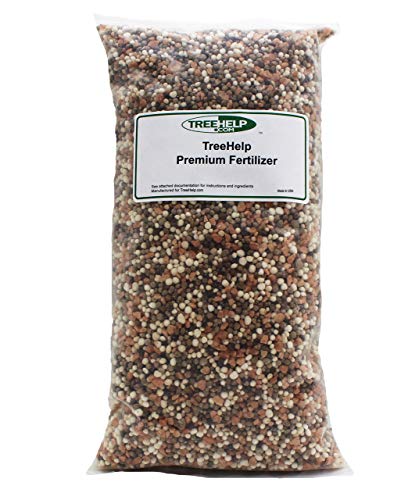
TreeHelp Premium Fertilizer for Plum Trees

9EzTropical June Plum 2ft in 1 Gal Pot

2 Chickasaw Plum Trees 10-16in Live Plants

9EzTropical June Plum 1-2ft in 6in Pot
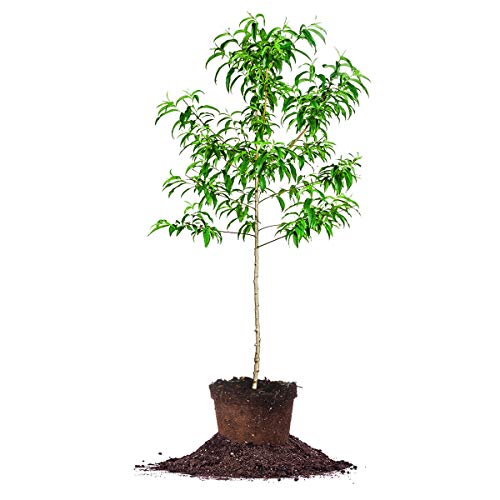
Perfect Plants Santa Rosa Plum Tree 4-5ft
The Details Behind The Selections
Tropical fruit enthusiasts chasing something beyond grocery-store fare should look closely at the green June plum, a species (*Spondias dulcis*) that carries mango-pineapple notes under a crisp plum exterior. UIOTER ships these live plants at roughly two to three feet tall, giving you a meaningful head start over seedling-only options. The trees thrive in full sun with well-drained soil and reward patient growers with heavy crops once mature.
For anyone gardening in USDA hardiness zones 10 through 11, this starter size lets you skip the fragile seedling phase entirely. You receive a single live plant ready for transplanting, and the established height means fruit production arrives a season or two sooner than bareroot alternatives.
Strengths Worth Knowing
- Two-to-three-foot starter height reduces the fragile seedling window and speeds first harvests.
- Produces a distinctive tropical flavor profile (mango-pineapple notes layered over crisp plum flesh) that domestic varieties cannot replicate.
- Full-sun and well-drained soil requirements match typical backyard orchard setups in warm regions.
- Mature trees crop generously, so a single planting can supply a household through summer.
- Live plant delivery means no stratification or seed-starting equipment is required.
Things To Consider
- Cannot be shipped to California, which eliminates a large swath of warm-climate gardeners.
- Tropical hardiness range restricts outdoor success outside zones 10 to 11 in most of the country.
- Like most shipped live plants, transplant shock is a real risk in the first weeks; consistent watering matters.
Who It Suits Best
Warm-climate gardeners in zones 10 to 11 who want a tropical fruit tree and have full sun and well-drained soil.
Look Elsewhere When
Cold-winter gardeners should consider the Chickasaw plum trees from this list instead, which handle zones 5 through 9.
A plum tree is only as productive as its root system, and TreeHelp’s formula is built specifically for the nutritional profile plums need. Unlike generic all-purpose fertilizers, this blend targets robust root development, the foundation that determines whether your tree handles drought, supports a heavy crop, or struggles through its first winter. At roughly three pounds, the package treats one large tree or two to three smaller or newly planted specimens.
Slow-release nitrogen (a formulation that feeds the tree gradually across months rather than dumping nutrients all at once) continues working through the active growing season, which reduces the risk of leaf burn and nutrient waste. For established backyard orchards or new transplants alike, the included instructions walk you through correct timing and dosage.
Well-Handled Touches
- Plum-specific nutrient ratio outperforms generic fertilizers for stone fruit (fruits with a single large pit, like plums, peaches, and cherries).
- Slow-release nitrogen delivers steady feeding without the burn risk of quick-release products.
- One three-pound bag covers one large tree or two to three young plantings.
- Complete instructions included, helpful for first-time plum growers.
Trade Offs
- Specialized formula means you cannot repurpose leftovers for non-plum species.
- Single-bag quantity requires reordering for anyone managing more than a few mature trees.
- Slow-release format means visible results take longer than water-soluble feeds, so patience matters.
Quick Facts
Made For
Home orchardists with established plum trees or new transplants who want a targeted nutrient program without guesswork.
Swap It Out When
Gardeners without any plum trees yet should skip this and start with a live plant like the UIOTER green June plum instead.
When you’re ready to invest in a tropical fruit tree that arrives ready to grow, the one-gallon pot option from 9EzTropical stands out. Shipped at two feet tall with a developed root ball (the mass of roots and surrounding soil that anchors the plant), this June plum transplant settles into its new home faster than smaller starter plants. The species itself produces fruit with a layered tropical flavor that combines plum tartness with mango and pineapple sweetness, hard to find in any grocery store.
Compared to the UIOTER starter above, this one trades a slightly shorter height for a more developed container root system. You may find the extra root mass translates to stronger first-year growth in zones 10 to 11, though both ultimately reach similar mature sizes.
Strong Points
- One-gallon container means established roots that transplant with less shock than bare-root or small-potted alternatives.
- Two-foot height gives a workable balance: large enough to establish quickly, small enough to ship safely.
- Same tropical flavor profile as smaller June plum offerings, with a head start on fruit production.
Honest Caveats
- Shipping weight and one-gallon pot size increase delivery cost compared to smaller starter plants.
- Still restricted to warm climates (zones 10 to 11), so most continental US gardeners cannot grow it outdoors.
- Container-grown tropical trees need careful watering the first month to prevent the root ball from drying out.
Right Fit For
Tropical fruit collectors in zones 10 to 11 who want a more established plant than seedling-stage alternatives.
Consider Something Else When
Budget-focused shoppers should consider the 9EzTropical June Plum in the 6-inch pot from this list, which costs less to ship.
Not every backyard can host a tropical tree, and that’s where the Chickasaw plum (*Prunus angustifolia*) earns its spot. This native North American species thrives across USDA zones 5 through 9, handles drought once established, and tolerates a wide range of soils. The two-plant pack ships at 10 to 16 inches in four-inch pots, giving you a pollinating pair, important since plums fruit best with cross-pollination (a nearby second tree helping both produce fruit).
Spring brings a showy display of fragrant white blossoms before the leaves emerge, and the small red-to-yellow plums that follow are perfect for fresh eating, jams, and jellies. Mature trees reach 12 to 15 feet and require minimal upkeep.
A Few Highlights
- Cold tolerance down to zone 5 makes this one of the most climate-flexible plums on the market.
- Two-plant pack ensures cross-pollination and a fuller harvest than single-tree plantings.
- Native species status means established plants support local pollinator populations.
- Showy white spring blossoms add landscape value before fruit even appears.
- Drought tolerance kicks in once roots establish, reducing long-term watering needs.
Things To Consider
- Small 10-to-16-inch starter size means a longer wait for substantial harvests than larger nursery stock.
- Plums run smaller than commercial varieties, so volume processing for preserves takes more fruit per batch.
- Fast growth to 12 to 15 feet requires eventual pruning to keep manageable in smaller yards.
Feature Snapshot
Who Will Love This
Northern climate gardeners in zones 5 through 9 who want low-maintenance native fruit trees with strong ornamental value.
A Better Fit Elsewhere
Anyone in zones 10 to 11 chasing tropical fruit should pick the UIOTER green June plum from this list for its tropical flavor profile.
The most affordable entry point into tropical plum growing, this single June plum arrives in a six-inch pot at one to two feet tall. Smaller than the one-gallon option reviewed above, the tradeoff is lower shipping weight and a friendlier price, at the cost of a less developed root system. For patient gardeners in zones 10 to 11, this remains a perfectly viable starting point.
The trade-off shows up in establishment time: a six-inch pot plant needs more attentive watering through the first growing season compared to its one-gallon sibling. If you’re willing to put in that first-year care, the mature tree you end up with is identical.
Notable Upsides
- Six-inch pot keeps shipping weight and cost lower than larger container alternatives.
- Same species and flavor profile as the one-gallon 9EzTropical option reviewed above.
- Compact starter size fits easily through standard doorways and into smaller vehicles.
Softer Spots
- Smaller root system means the first growing season demands closer watering attention.
- One-to-two-foot height extends the timeline to meaningful fruit production.
- Like all June plums here, restricted to zones 10 to 11 for outdoor cultivation.
Perfect Match For
Patient tropical gardeners on a budget who don’t mind extra first-year care for long-term savings.
Where Another Pick Suits Better
Gardeners wanting faster establishment should pick the 9EzTropical one-gallon June Plum from this list for its more developed roots.
Among domestic plums, the Santa Rosa cultivar (a plant variety produced by selective breeding) holds a special place: developed in 1885, it’s been a backyard orchard staple for over a century. Perfect Plants ships these trees at four to five feet tall, substantially larger than the other live plants in this roundup, which means a shorter path to first harvests. The variety is self-fertile (capable of producing fruit without a second pollinating tree), so a single planting yields a full crop.
Rich purple fruit with juicy sweet-tart flesh ripens in mid-summer, and the spring-through-summer white flowers add ornamental value. Hardiness spans zones 6 to 10 with notable heat tolerance and reasonable cold hardiness, a wider range than most plum varieties.
A Favorable Mix
- Four-to-five-foot shipping height is the tallest starter in this roundup, shortening time to first fruit.
- Self-fertile means you don’t need a second tree for pollination, ideal for smaller yards.
- Wide zone 6 to 10 hardiness covers most temperate US climates.
- Notable heat tolerance helps in southern summers where other plum varieties struggle.
- Extended white flower display from early spring through summer boosts landscape interest.
- Heritage variety with a century-plus track record in home orchards.
Points To Note
- Cannot ship to California, Arizona, or Hawaii, ruling out gardeners in those states.
- Mid-summer ripening concentrates harvest into a tighter window than everbearing varieties.
- Larger starter tree commands a higher shipping weight and price than smaller live plants.
Feature Rundown
Best Suited To
Beginner and intermediate home growers in zones 6 to 10 who want a heritage self-fertile plum with minimal fuss.
Reach For A Different Pick When
Gardeners in zones 5 or colder should pick the Chickasaw plum trees from this list for their superior cold tolerance.
What Matters Most Before Choosing Tasting Plum Trees
Climate Compatibility Comes First
Before you fall in love with a flavor profile, check whether the tree survives your winters. USDA hardiness zones (a geographic classification system indicating the average lowest winter temperature for a region) are the simplest filter: tropical June plums need zones 10 to 11, while Chickasaw plums handle zones 5 to 9 and Santa Rosa spans 6 to 10. Microclimates matter too, so a sheltered south-facing wall can stretch your effective zone by half a step in either direction.
Size at Shipping vs. Size at Maturity
Starter height tells you how soon you’ll see fruit, but mature size tells you whether the tree fits your yard. The four-to-five-foot Santa Rosa arrives large but tops out around 15 to 20 feet. The 10-to-16-inch Chickasaw trees eventually reach 12 to 15 feet, while tropical June plums can grow 30 to 40 feet in ideal conditions. Plan pruning and spacing before you plant.
Pollination Requirements
Self-fertile varieties like Santa Rosa fruit alone, a major convenience for small yards. Most other plums, including Chickasaw, benefit from a second tree nearby for cross-pollination. The two-plant Chickasaw pack solves this by including a matched pair, while single-plant tropical orders leave you sourcing a pollinator separately.
Flavor Profile and End Use
“Tasting” plum trees split into two flavor camps: tropical mango-pineapple notes in June plums, and classic sweet-tart domestic profiles in Santa Rosa and Chickasaw. Jams and jellies work beautifully with both, but fresh eating favors the richer sweetness of Santa Rosa. Choose based on how you’ll actually use the harvest.
Key Considerations Across These Picks
Pitfalls Shoppers Hit
Overlooking shipping restrictions is the most common mistake: the tropical June plums and Santa Rosa tree here exclude California, and the tropical options also exclude Arizona and Hawaii. Ordering without checking means wasted time and a cancelled order. Another trap is underestimating mature size: a 1-foot starter eventually becomes a 15-foot tree, so planting too close to structures or property lines creates years of pruning headaches. Finally, ignoring pollination needs leaves single-tree Chickasaw plantings with sparse harvests, a frustrating outcome easily avoided with a two-plant pack.
When Paying More Pays Off
The price gap between a 6-inch pot June plum and the one-gallon version comes down to root development. Spending up for the larger container delivers a stronger first-year establishment and earlier fruit production. For the Santa Rosa tree, the higher price reflects the four-to-five-foot shipping height, the tallest in this roundup, which compresses your wait for meaningful harvests by a full season or two. For gardeners who measure value in time saved rather than dollars spent, the upgrade is worth it.
Frequently Asked Questions
Which tasting plum tree grows in the coldest climates?
The Chickasaw plum handles the widest cold-weather range, thriving in USDA zones 5 through 9. It’s a native North American species built for harsh winters and short growing seasons.
Do I need two plum trees for fruit?
Not always. Self-fertile varieties like the Santa Rosa fruit alone, but most plums, including Chickasaw, produce heavier crops with a cross-pollinating partner nearby. The two-plant Chickasaw pack solves this in one purchase.
How long until a new plum tree produces fruit?
Expect three to five years for meaningful harvests from small starters, though the four-to-five-foot Santa Rosa can fruit sooner. Grafted trees (trees created by joining a fruiting variety onto a sturdy root system) fruit faster than seed-grown alternatives in most cases.
Can I grow tropical June plums outside zones 10 to 11?
Outdoor cultivation is unreliable outside that range. Greenhouse growing or large container culture in warmer zones 9b might work for short periods, but expect reduced vigor and minimal fruiting.
What’s the difference between June plum and regular plum?
June plums (Spondias dulcis) are a tropical species with mango-pineapple flavor notes layered over plum-like tartness. Regular plums (Prunus species) like Santa Rosa and Chickasaw are temperate stone fruits with classic sweet-tart profiles and much wider cold tolerance.
Closing Remarks
Choosing a tasting plum tree comes down to matching your climate, space, and flavor preferences to the right species. Cold-winter gardeners will find the Chickasaw and Santa Rosa options far more forgiving, while tropical-zone growers can chase the unique mango-pineapple notes of June plums. Start with a healthy live plant, pair it with proper feeding using a plum-specific fertilizer, and your backyard orchard will reward you with harvests worth the patience.
