

A great pot quietly does its job for years, while a bad one cracks after one winter and stains your deck. The hardest part isn’t finding something shaped like a pot; it’s finding one that fits your plant, your space, and your watering habits. This list pulls together classic clay planters, wheeled workhorses for trees, and a few ceramic pieces worth a second look, so you can match the container to the corner instead of the other way around.
A Snapshot Of The Selections

Vego Garden Rolling Metal Citrus Tree Planter Pot 21″ 20-Gallon 2 Pack
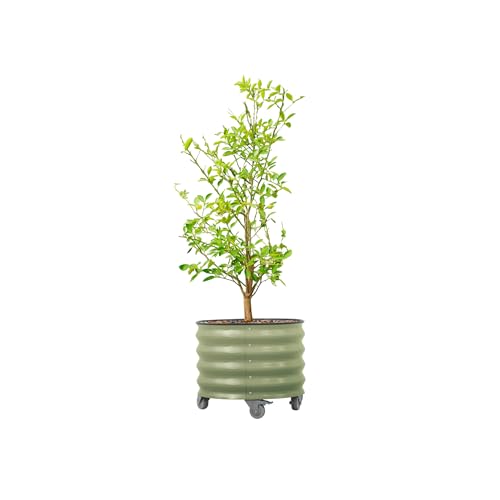
Vego Garden Rolling Metal Citrus Tree Planter 20-Gallon Olive Green

Vego Garden Rolling Citrus Tree Planter Gen 3 Self-Watering 30-Gallon

vensovo 4 Inch Terracotta Plant Pots with Saucer 6 Pack

Xiaan Jiaju Country Farmhouse Vintage Ceramic Planter

vensovo 6 Inch Terracotta & Clay Pots with Saucer 4 Pack

vensovo 3 Inch Terracotta Clay Pots with Drainage 20 Pack

D’vine Dev Beaded Terracotta Pot with Saucer 4 Inch

vensovo Terra Cotta Pots with Saucer 6 Pack 5 Inch Clay

vensovo 8 Inch Clay Pot with Saucer 2 Pack Large Terra Cotta
More Details On Our Top Picks
If you’re growing a Meyer lemon and a Kalamata olive side by side, this two-pack gets you out of one-trip, two-planter math. Each pot measures roughly 21 by 17.5 inches and holds around 20 gallons, which leaves room for a young tree’s roots to settle in without constant repotting.
The rolling bases are the real reason to look at this set. Locking caster wheels let you shuffle a 50-pound container across concrete when the seasons shift, then park it solidly once you’ve found the sunny corner. Drainage holes are built in, so soggy roots after a thunderstorm aren’t a worry.
A Few Highlights
- Pair of matching 20-gallon planters suits symmetrical porch layouts
- Locking wheels roll on patio surfaces without scratching most finishes
- Steel construction handles weather better than thin resin alternatives
- Generous depth accommodates citrus, fig, or dwarf fruit trees
Trade Offs
- Two planters demand more soil and more corner space than a single pot
- Olive green paint can show scuffs if you drag them across rough concrete
Key Specs
Best Suited To
Patio gardeners growing a matched pair of citrus or olive trees and willing to fill two planters at once.
Where Another Pick Suits Better
Solo container gardeners who only want one feature tree will find the single Vego Garden Rolling Metal Citrus Tree Planter a more proportionate fit.
One tree, one pot, one corner. The single olive-green Vego Garden planter keeps things focused for shoppers who don’t want a matched pair but still want that rolling-cart convenience for a single feature tree.
The 21-inch rounded-square footprint slots onto a balcony or stoop where two planters would be a squeeze, and the heavy-duty locking wheels let you chase the sun across the deck without asking for help.
Useful Touches
- Single 20-gallon size avoids overcommitting on soil and space
- Olive green finish hides minor dust between cleanings
- Built-in drainage prevents waterlogging after summer storms
Worth Noting
- Soil dries faster in metal than in clay, so plan on more frequent watering
- Olive green may not blend with warmer brick or terracotta-toned patios
Right Fit For
Balcony and small-patio gardeners growing one statement tree that needs to move with the sun.
Consider Something Else When
You’d rather keep your planter stationary and want the self-watering reservoir inside the Vego Garden Gen 3 Rolling Citrus Tree Planter instead.
This is the Gen 3 update, and the headline change is the built-in reservoir with a wicking system that pulls water up to the roots from below. For anyone who travels or simply forgets a Tuesday watering, that reservoir does the slow-release work for you.
The 30-gallon volume leaves plenty of room for deep roots, which matters for lemon and fig trees that sulk when their taproots hit a hard wall. The water-level gauge on the side is a small but useful addition that takes the guesswork out of refills.
Real Benefits
- Self-watering reservoir cuts daily watering in hot weather
- 30-gallon capacity suits long-term citrus and fig plantings
- Locking casters still let you reposition for sun or frost
- Stainless hardware resists corrosion over multiple seasons
Points To Keep In Mind
- Reservoir needs periodic flushing to prevent algae buildup
- Larger size means a heavier total weight once planted
Made For
Travelers, vacation-home owners, and forgetful waterers who want a tree planter that holds moisture for them.
Look Elsewhere When
You’re working with a tight balcony footprint and want a slimmer profile; the vensovo 8 Inch Clay Pot 2 Pack is the better call for indoor scale.
These are the pots that quietly anchor most windowsill collections. A six-pack of 4-inch terracotta with saucers, fired at high temperature, means each one holds up against the kind of overwatering that ends most beginners’ succulent dreams.
The clay is porous, which sounds like a drawback but actually helps roots breathe, and the drainage hole at the base pairs with the included saucer to keep your shelf dry. They also paint and decorate well if you’re making wedding favors or party place cards.
The Value In It
- Six matching pots let you start a herb row at once
- High-fired clay resists cracking through freeze-thaw cycles
- Porous walls help prevent root rot in moisture-sensitive plants
Trade Offs
- Terracotta dries out faster than glazed ceramic in dry rooms
- Unglazed clay can leave mineral rings on light-colored surfaces
Who Will Love This
Crafters, succulent collectors, and anyone staging multiple small plants along a single sunny shelf.
A Better Fit Elsewhere
Shelf decorators who want a textured, decorative finish will prefer the D’vine Dev Beaded Terracotta Pot for its handcrafted detailing.
Not every planter needs to look like it came straight from the garden center. This ceramic pot leans into a distressed, farmhouse-style finish that feels lived-in rather than new, which suits a styled bookshelf or fall mantel.
Even with the weathered aesthetic, the build still includes a drainage hole, so you can drop a real plant inside rather than treating it as a faux-flower prop.
What Earns Its Place
- Vintage distressed pattern adds character to neutral rooms
- Ceramic body holds moisture longer than bare terracotta
- Drainage hole lets you use it as a real planter, not just decor
Honest Caveats
- Rustic finish doesn’t suit minimalist or modern interiors
- Ceramic is heavier to move once planted
Perfect Match For
Indoor decorators styling a farmhouse, cottagecore, or seasonal vignette who still want a working planter underneath.
Skip It When
You need a heavy-duty outdoor planter; the Vego Garden Rolling Metal Citrus Tree Planter handles weather and weight far better.
The 6-inch terracotta hits a sweet spot for mid-size indoor greenery: large enough for a peace lily or small fern, small enough to live on a console table without dominating it. The pink-tinted clay softens the traditional orange tone.
High-fired clay and matched saucers keep the basics covered. You get a real, breathable pot instead of a thin resin look-alike, which is the part that matters most for root health over time.
Good Reasons To Consider
- Pink-tinted clay breaks up monotony on a shelf of orange pots
- 6-inch size handles a wide range of common houseplants
- Matched saucers keep water off wood and painted surfaces
Small Caveats
- Pink wash is decorative, so it may wear with heavy scrubbing
- Four-pack assumes you’re styling more than one plant
Whose Shelf It Belongs On
Apartment dwellers curating a small cluster of mid-tier houseplants who want a softer color palette.
Another Choice May Suit
If you want a similar pink-leaning look but in ceramic, the Xiaan Jiaju Country Farmhouse Vintage Ceramic Planter offers a more decorative alternative.
Twenty tiny pots. That’s the pitch, and it’s the right one for propagation stations, party favors, or a single tray of starter succulents. Each one is 3 inches, which is the classic “small enough to ship in a flat rate box” footprint.
The high-fired clay survives the drop-test in shipping, and the drainage hole at the base keeps soil from souring if you overwater a flat of cuttings. It’s less a display pot and more a working supply for any indoor gardener.
The Upside
- Bulk count supports propagation and craft projects at once
- Drainage holes prevent soggy starts during overwatering
- Compact 3-inch size fits standard nursery trays
A Few Limitations
- Small scale means more frequent watering as plants grow
- Twenty pots may be overkill for a single windowsill gardener
Who Should Grab It
Propagators, party hosts, and crafters stocking up for a season of small-batch planting.
Not Your Match When
You’d rather grow a single mature houseplant; the vensovo 8 Inch Clay Pot 2 Pack is the better match for one larger plant.
Where most terracotta pots play it safe with smooth walls, this one dresses up with a handcrafted beaded detail around the rim. The look reads more boutique than bulk-bin, which is the point if you’re styling a coffee table or entryway.
The build is honest terracotta at high temperature, and the matching ceramic saucer catches runoff cleanly. A drainage mesh pad is included too, which keeps soil from washing out of the hole when you water.
Where It Delivers
- Beaded detailing adds visual texture to plain shelves
- Drainage mesh pad prevents soil loss during watering
- Fitted ceramic saucer catches drips on wood surfaces
Where It May Fall Short
- Decorative beading means rougher surface to dust
- 4-inch size caps the plant selection to small species
Built With In Mind
Indoor decorators who want a pot that earns its keep on a styled surface rather than hiding behind foliage.
Reach For A Different Pick When
You need a matching set of six for a long windowsill run; the vensovo 4 Inch Terracotta Plant Pots 6 Pack is the more practical call.
For first-time plant owners, a 5-inch terracotta is the easiest size to learn on: big enough to forgive a missed watering, small enough to move with one hand. Six of them cover a starter herb garden or a cactus collection without overwhelming the kitchen window.
The high-fired clay and built-in drainage hole do the quiet work that keeps beginner plants alive, and the included saucers protect the surface underneath.
Key Advantages
- 5-inch size balances water retention and easy handling
- Six-pack covers a multi-plant starter setup
- Drainage and saucer pairing simplifies care for new owners
Trade Offs
- Six pots may be more than a single-plant household wants
- Unglazed clay needs occasional wiping to remove mineral bloom
The Right Fit
New plant parents setting up their first herb garden or windowsill cactus row.
Swap It Out When
You’d rather start with one statement plant; the vensovo 8 Inch Clay Pot 2 Pack gives you room for a larger floor plant instead.
An 8-inch terracotta is the size most people skip straight to once they realize small pots dry out too quickly. This two-pack handles a pair of floor plants like a Boston fern and a rubber plant, both of which appreciate the clay’s breathable walls.
High-fired clay and a real drainage hole are non-negotiable for plants this size, and the matching saucers are sized properly to catch the heavier water flow these pots demand.
Where It Excels
- 8-inch diameter suits medium floor plants like ferns
- Two-pack creates symmetrical flanking on either side of a couch
- High-fired clay withstands seasonal moisture shifts
Worth Bearing In Mind
- Large pots are heavy once filled, so plan the spot before planting
- Terracotta may develop white mineral deposits in hard-water areas
Made For
Indoor gardeners upgrading from starter pots to larger statement plants that frame a living space.
Consider Something Else When
You want to grow a small tree and move it seasonally; the Vego Garden Rolling Metal Citrus Tree Planter is built for that job.
What To Weigh Before Choosing Terracotta Pots
A terracotta pot is only as good as the plant you put in it. Start with the plant’s mature size, not its current size, and work backward to a pot that gives roots roughly an inch of new soil on every side. For citrus, figs, and small trees, that translates to 20 gallons or more; for herbs and succulents, 4 to 6 inches is plenty.
Material matters more than most shoppers realize. Unglazed terracotta is porous, which helps roots breathe and prevents waterlogging, but it dries faster than glazed ceramic or steel. Metal planters hold moisture longer and resist cracking, but they heat up in direct sun and need drainage holes that some resin alternatives skip.
Drainage is non-negotiable. Any pot you choose should have at least one drainage hole at the base, paired with a saucer to catch runoff on indoor surfaces. Without that pairing, even the best clay pot turns into a small swamp.
Mobility is worth thinking about early. Once a 30-gallon planter is full of soil and a young tree, it’s not going anywhere. Wheeled bases like the Vego Garden Rolling series solve that, while stationary clay pots work best when their final spot is decided before planting day.
Key Considerations Across These Picks
Mistakes Worth Dodging
The most common buying error is sizing down. A pot that’s perfect for the plant today will be too small within a season, and constant repotting stresses roots more than a too-large pot ever will. Another trap is picking a beautiful glazed pot with no drainage hole; that’s decor, not a planter.
When Paying More Pays Off
Higher-tier terracotta pots typically cost more because of firing temperature, wall thickness, and finish quality. Better-fired clay resists cracking through freeze-thaw cycles, which matters for outdoor use. For wheeled tree planters, the upgrade buys you stainless hardware and sealed casters that won’t seize after one rainy season. For indoor decoration, the upgrade usually buys hand-applied details like the beaded rim on the D’vine Dev pot. Whether the upgrade is worth it depends on how much weather and time the pot needs to survive.
Frequently Asked Questions
How often should you water plants in terracotta pots?
Water when the top inch of soil feels dry, which usually means once or twice a week for most houseplants in standard conditions.
Can terracotta pots stay outside in winter?
High-fired terracotta handles cold better than low-fired clay, but any unglazed pot can crack during repeated freeze-thaw cycles, so bring them inside where winters dip below freezing.
Do you need a saucer under every terracotta pot?
A saucer protects indoor surfaces from runoff and lets you water thoroughly without a mess, so yes, especially on wood or painted furniture.
What’s the difference between terracotta and ceramic pots?
Terracotta is unglazed, porous clay that breathes; ceramic pots are usually glazed and hold moisture longer, which suits thirsty plants but risks root rot in dry-loving species.
How big should a terracotta pot be for a small tree?
Plan on at least 15 to 20 gallons for a young citrus, fig, or olive tree, with extra room for the roots to expand over several seasons.
Bottom Line
The right terracotta pot is the one that fits your plant, your watering style, and the spot it will live. Start with the plant, match the material to your climate, and don’t skip the drainage hole. Everything else is just decoration.
