

Texas lawns don’t get a vacation from heat, and most grass seed catalogs don’t seem to notice. Finding the right seed means matching your yard to a plant that handles dry summers, surprise cold snaps, and the occasional clay soil that refuses to drain. After sorting through options that claim to be heat-loving, drought-friendly, or sun-tolerant, this list focuses on what actually fits real Texas conditions, from sun-baked St. Augustine country in the south to transition-zone suburbs where Bermuda goes dormant. The picks below span kitchen-counter wheatgrass, classic turf blends, livestock pasture seed, and a Texas-native hybrid that earned a spot on the shortlist for a reason.
The Lineup, Simplified

Easy Peasy Wheatgrass Seeds 2 Pound

MAGIC GROW Wheat Grass Seed 1lb

Twin City Seed Co. Sun & Shade Lawn Mix 3 lb

Pennington Annual Ryegrass Seed 25 Lb

Outsidepride Supreme Kentucky Bluegrass Seed Mix 5 lbs

Jonathan Green Black Beauty Fall Magic Grass Seed 7 lb

Grass Seed Premium RYE Gulf Annual 50 LBS

X-Seed Land Over-Seeder Pasture Forage Seed Mix 25 lb
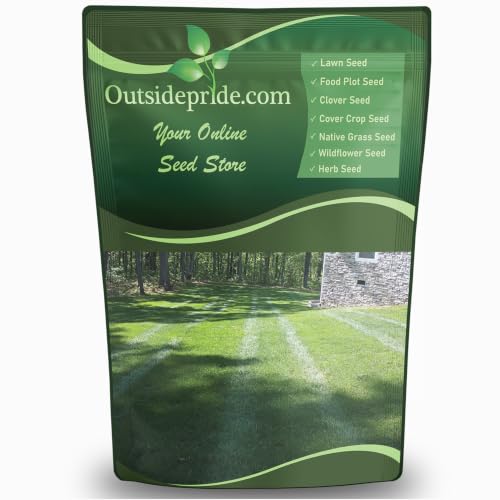
Outsidepride SPF-30 Hybrid Bluegrass Seeds 5 lbs
More On The Choices That Made The List
Not every bag of seed in this lineup exists to feed a lawn, and that’s worth saying out loud. Easy Peasy Wheatgrass is grown for the kitchen counter, where a shallow tray and a sunny windowsill are the whole setup. You’ll grow it for fresh juice shots, smoothies, or the small satisfaction of clipping your own microgreens at home.
For most households new to growing wheatgrass, the two-pound bag offers enough seed for many repeated trays without taking over the pantry. As a Texas grass seed, it doesn’t compete with the others on this list, but it earns a spot for anyone who wants a healthy kitchen project alongside their lawn work.
Real Benefits
- Non-GMO seed grown domestically, so you’re sourcing closer to home rather than importing an unknown blend
- Sprouts reliably indoors on a basic tray, even without a dedicated grow light setup
- Two-pound capacity gives you room to experiment with multiple tray sizes and regrowth cycles
- Produces fresh wheatgrass for juicing, smoothies, or pet supplementation without leaving the house
Things To Consider
- This is a culinary seed, so it won’t help you fill bare spots in your Bermuda or St. Augustine lawn
- Seeds need rinsing and pre-soaking before planting, which adds a small prep step compared to direct-sow lawn seed
Best Suited To
Home juicers, smoothie drinkers, and anyone curious about indoor kitchen gardening who wants a low-commitment starting point.
Look Elsewhere When
If you need actual turf coverage, the Outsidepride SPF-30 Hybrid Bluegrass is a far better fit for a hot Texas lawn than wheatgrass trays.
Hard Red Winter wheatgrass isn’t a lawn turf, but it’s a familiar name for first-time growers who want to start with something forgiving. MAGIC GROW ships a one-pound bag aimed at the indoor crowd, which keeps the cost low enough that a failed tray doesn’t sting.
Compared to the Easy Peasy bag above, this one is a smaller, single-pound commitment that’s easier to finish before freshness becomes a question. Hard Red Winter wheatgrass is the same species used by many commercial juicing brands, so it’s a solid middle ground between the kitchen-curious and the small-batch home grower.
Why It Works Well
- Smaller bag size is approachable for first-timers who aren’t sure how much they’ll use
- Hard Red Winter variety is the standard wheatgrass type used by juicing enthusiasts
- Stores easily in a pantry between planting sessions
Points To Note
- Won’t establish itself in a Texas lawn, so this is firmly an indoor seed
- Smaller bag means more frequent reorders if you juice daily
- You may need to source your own trays and growing medium separately
Key Specs
Who Should Grab It
Beginners testing the wheatgrass waters and casual juicers who want a manageable starter bag.
Reach For A Different Pick When
Heavier daily juicers should consider the larger Easy Peasy Wheatgrass Seeds instead for better value over time.
Most Texas yards don’t sit in full sun all day. Fences, trees, and the neighbor’s two-story house carve shade across the lawn by mid-afternoon, and that’s where flexible blends earn their keep. Twin City Seed Co.’s Sun & Shade mix is built for yards that swing between the two.
This 3-pound bag covers smaller repair projects rather than full lawns, which keeps the price approachable for spot work. The blend aims for a normal-to-low maintenance turf, meaning you’re not signing up for a fertilization schedule that demands calendar reminders.
What It Does Well
- Handles both sun and shade, useful for yards with mixed exposure
- Built for normal-to-low maintenance, so weekly fertilization isn’t a hard requirement
- Drought-tolerant background makes it a sensible pick for dry stretches
Honest Caveats
- Three pounds covers patch repairs rather than full-lawn reseeding on larger properties
- Performance depends heavily on soil prep and consistent watering during establishment
- May not match the heat tolerance of dedicated Texas-native blends like the SPF-30 hybrid
The Right Fit
Homeowners with smaller lawns that get uneven sunlight and want one bag that doesn’t force them to map every square foot.
Swap It Out When
If your lawn is fully sun-exposed in deep South Texas, the Outsidepride SPF-30 Hybrid Bluegrass is built for harsher heat.
Annual ryegrass is the lawn trick every Southern homeowner eventually hears about. When Bermuda or Zoysia goes dormant and brown in October, you spread ryegrass over the top to keep a green carpet through winter. Pennington’s 25-pound bag is sized for that exact project.
Annual ryegrass is a cool-season grass, meaning it thrives in the chillier months that push warm-season lawns into dormancy. You seed it in fall, enjoy the green color all winter, and let it fade back as the Bermuda wakes up in spring. It’s a seasonal tool, not a permanent lawn.
What Makes Sense
- Sprouts fast, often within a week, so the lawn greens up quickly after seeding
- Plays well with warm-season grasses like Bermuda and Zoysia without competing aggressively
- 25-pound bag covers substantial overseeding projects without running dry mid-spread
- Performs well in yards that get six to eight hours of full sun during winter
Practical Considerations
- Annual ryegrass dies off in summer heat, so you’ll reseed it yearly rather than establishing it once
- Heavier bag means more storage space and a larger upfront investment than smaller patch mixes
Feature Snapshot
Made For
Texas homeowners with Bermuda or Zoysia lawns who want winter color and don’t mind reseeding each fall.
Not Your Match When
If you want a permanent cool-season lawn in North Texas, the Outsidepride Supreme Kentucky Bluegrass is a longer-term cool-season option.
Kentucky bluegrass is the lawn people picture when they imagine a thick, dark-green carpet, and Outsidepride’s Supreme mix aims for exactly that look. It’s a cool-season grass, so it’s at home in North Texas and the Panhandle, where summers are hot but not the punishing Gulf Coast kind.
The OptiGrowth coating on these seeds is the standout feature. It refers to a treatment that helps the seed hold moisture and germinate more uniformly, which matters because Kentucky bluegrass can be finicky about starting. The coating also adds weight, helping seeds fall into soil contact rather than washing away in a hard rain.
Benefits That Matter
- Fine-bladed turf produces the dense, dark-green look associated with premium lawns
- OptiGrowth coating improves moisture retention during the critical germination window
- Self-repairing through rhizomes, meaning small damage fills back in without reseeding
- Cold-tolerant for North Texas winters and the occasional hard freeze
Where It Is Less Suited
- Struggles in deep South Texas where summer heat exceeds its tolerance range
- Heavier coating means each bag covers less square footage than uncoated seed
- Needs more attentive watering during establishment than warm-season options
Whose Shelf It Belongs On
North Texas and Panhandle homeowners who want a refined cool-season lawn and don’t mind extra establishment effort.
A Better Fit Elsewhere
South Texas residents should skip this for the Outsidepride SPF-30 Hybrid Bluegrass, which is built for hotter regions.
Fall seeding has a quiet advantage over spring seeding: weeds are winding down, soil stays warm, and cool-season grass gets a long head start before summer. Jonathan Green’s Black Beauty Fall Magic is built around that window.
The mix is designed for the mid-August through mid-October planting window that suits much of Texas. For North and Central Texas homeowners planning a fall renovation, this is one of the more established names in the cool-season category.
Where It Excels
- Formulated specifically for the fall planting window when cool-season grasses establish best
- Produces a dark green color that holds attention against the brown tones of fall
- Seven-pound bag covers a meaningful area for full-lawn renovation projects
- Cool-season varieties that handle mild Texas winters reliably
Things To Weigh
- Outside its fall window, this seed underperforms compared to spring-adapted mixes
- Cool-season grass means summer dormancy and browning in hotter regions
- Requires consistent irrigation during the establishment phase, which dry Texas falls can complicate
Who Will Love This
Homeowners in North and Central Texas planning a fall lawn renovation who want a proven cool-season mix.
Skip It When
If you’re seeding in late spring or summer, the Pennington Annual Ryegrass handles warm-season overseeding better.
Fifty pounds of seed sounds like a lot until you’re staring at a half-acre of bare ground. Gulf Annual ryegrass is the same fast-growing species that the Pennington bag above uses, but in a much larger package aimed at serious overseeding or patch repair.
The hardiness zone rating here stretches from zone 1 through zone 7, which is broader than most cool-season grasses. For Texas landowners with big pastures or problem areas that need quick cover, the 10,000-square-foot coverage makes this a working tool rather than a small-bag hobby.
What Pays Off
- Covers up to 10,000 square feet, enough for substantial property repairs
- Fast growth helps fix erosion or problem areas quickly
- Wide hardiness zone compatibility from very cold regions into warmer southern climates
Less Ideal Details
- Annual ryegrass dies off in summer heat, so this is a temporary cover at best
- Fifty-pound bag is heavy to ship and store, which matters if space is limited
- Coarse texture looks different from the finer turf grasses on most of this list
Technical Sheet
Right Fit For
Landowners with acreage, large patch projects, or erosion repair needs who want a single heavy bag to cover the work.
Consider Something Else When
Suburban homeowners with small yards should choose the 25-pound Pennington Annual Ryegrass for more manageable sizing.
Pasture seed isn’t lawn seed, and the X-Seed Land Over-Seeder mix doesn’t pretend otherwise. This is a blend aimed at livestock owners who need to thicken worn-out pastures or establish new forage ground.
The blend includes intermediate ryegrass, orchardgrass, annual ryegrass, and clover, which is the kind of multi-species mix that gives livestock a varied diet. The Micro-Boost nutrient coating helps establish seedlings faster, which matters when you’re seeding a large pasture and need quick cover to prevent weeds from filling in first.
Useful Strengths
- Endophyte-free formula is gentler on grazing animals than standard pasture mixes
- Multi-species blend including clover adds nutritional variety for livestock
- Micro-Boost coating promotes faster root development for quicker establishment
- Suited for reviving old permanent pastures rather than starting from bare dirt
Practical Considerations
- Not a lawn grass, so this won’t produce the kind of turf you want around the house
- Twenty-five pound bag covers a meaningful pasture area but won’t handle acreage without multiple bags
- Includes species some lawn-focused homeowners may find too coarse for yard use
Best Suited To
Rural Texas property owners with horses, cattle, goats, or other livestock who want to thicken existing pastures.
Where Another Pick Suits Better
For lawn-only projects, the Jonathan Green Black Beauty Fall Magic Grass Seed delivers a finer residential turf.
Here’s the seed that earned its place at the top of the list for Texas conditions. Outsidepride’s SPF-30 hybrid is a cross between Texas bluegrass and Kentucky bluegrass, which means it inherits heat tolerance from one parent and the dense, dark-green look from the other.
SPF-30 is built for the long, hot summer that takes out standard Kentucky bluegrass. Where the Outsidepride Supreme Kentucky Bluegrass above is a North Texas play, this hybrid pushes further south into San Antonio, Houston, and the Gulf Coast with a fighting chance.
Practical Pluses
- Texas bluegrass parentage brings genuine heat and drought tolerance to a normally cool-season species
- OptiGrowth coating improves establishment in tough soil conditions
- Lower mowing and watering needs than many other bluegrass varieties
- Holds green color through summer in regions where Kentucky bluegrass typically goes dormant
Some Limits To Know
- Hybrid seed costs more per pound than single-variety grass seed
- Five-pound bag suits smaller lawns, so larger properties need multiple bags
- Still benefits from supplemental watering during prolonged drought, despite improved tolerance
Feature Rundown
Perfect Match For
South and Central Texas homeowners who want a bluegrass look without giving up the lawn to August heat.
Not Your Match When
If you need pure Kentucky bluegrass for cooler North Texas conditions, the Outsidepride Supreme Kentucky Bluegrass is the more traditional choice.
What Matters Most Before Choosing Texas Grass Seeds
Climate Zone and Grass Type
Texas spans roughly three climate zones, and the seed that thrives in Amarillo often struggles in Houston. Cool-season grasses like Kentucky bluegrass and tall fescue handle North Texas winters but go dormant in southern summers. Warm-season grasses like Bermuda, Zoysia, and St. Augustine handle heat but brown out in cold snaps. Transition Zone lawns in places like Dallas-Fort Worth get both, which is why hybrid options like the SPF-30 exist.
Sun Exposure and Soil
A lawn that gets full, unshaded sun all day is a different project than one with oak trees casting afternoon shade. Soil type matters too, since clay-heavy North Texas soils drain slowly while sandy East Texas soils drain fast. Most seed bags list sun requirements, and matching those to your yard’s reality saves a season of frustration.
Intended Use
A lawn that hosts soccer practice needs durable, traffic-tolerant turf. A decorative front yard can prioritize appearance. Pasture seed for livestock is its own category entirely, as the X-Seed blend shows. Pick the seed that matches the actual use case rather than the prettiest catalog photo.
Common Slip-Ups and Upgrade Trade-Offs
Where Shoppers Go Wrong
The biggest mistake is buying a cool-season grass for a hot southern lawn, or a heat-loving Bermuda for a shaded yard. Both end with patchy results by midsummer. Skipping soil prep is another frequent trap, because seed-to-soil contact drives germination more than any brand name. Overwatering shallow-rooted seedlings also backfires, since it keeps roots near the surface and leaves grass vulnerable when conditions turn dry.
When Paying More Pays Off
Higher-tier grass seed typically costs more per pound for a reason. Coatings like OptiGrowth improve germination rates in tough conditions. Hybrid varieties like SPF-30 blend traits from multiple species to handle environments where single-variety seed struggles. The extra cost shows up as fewer reseeding seasons and better long-term coverage, which matters most in transition-zone climates where grass faces the widest range of conditions.
Frequently Asked Questions
When should you plant grass seed in Texas?
Fall is the most reliable window for cool-season grasses, usually mid-August through mid-October. Warm-season grasses establish best when seeded in late spring through early summer once soil temperatures consistently reach the mid-60s. Timing matters more than seed brand, since seed sitting in cold or hot soil won’t germinate reliably regardless of quality.
Can Kentucky bluegrass survive Texas summers?
Standard Kentucky bluegrass struggles through Texas summers, especially in the southern half of the state. The SPF-30 hybrid on this list was developed specifically to address that issue by crossing Texas bluegrass with Kentucky bluegrass for better heat tolerance. North Texas can grow Kentucky bluegrass with irrigation and summer care, but the further south you go, the harder it becomes.
How much seed do you need for a typical Texas lawn?
Coverage depends on the seed type and seeding rate. Ryegrass typically spreads at higher rates than bluegrass, and coated seed covers less ground per pound than uncoated. For spot repair, a 3 to 5 pound bag handles small projects. Full-lawn seeding usually requires 10 to 25 pounds depending on lawn size and grass type.
Do you need to water new grass seed every day?
Daily light watering helps keep the top inch of soil moist during germination, which typically lasts the first two to three weeks. After seedlings establish, deeper and less frequent watering encourages roots to grow downward. Stopping watering entirely too soon is a common reason new grass fails during Texas summers.
What is endophyte-free grass seed?
Endophytes are naturally occurring fungi that live inside some grass plants. They can cause health issues in livestock, especially cattle and horses, which is why pasture mixes like the X-Seed Land Over-Seeder are specifically labeled endophyte-free. Lawn grass doesn’t carry the same livestock concerns, so endophyte status matters more for pasture projects than residential lawns.
The Takeaway
Texas lawns ask more of grass seed than most regions, and the right pick depends heavily on where you live, how much sun your yard gets, and whether you’re seeding a lawn, a pasture, or a kitchen tray. Cool-season blends work in the north, warm-season overseeding handles the south, and hybrids like the SPF-30 cover the in-between. Match your seed to your climate, prep the soil, and seed at the right time of year. The grass will do the rest once it gets a fair start.
