

Healthy garden soil isn’t a mystery, but treating it well does take a small toolkit. The right scoop stops a repotting session from becoming a fistful of spilled compost. The right probe turns guesswork into a number you can actually act on. The right shovel keeps a stubborn root from winning the afternoon.
This roundup focuses on tools that earn their space in a garden shed or a kitchen-corner plant station. You’ll find hand tools for moving soil, probes for testing what’s underneath, a sifter for cleaning it up, and a mat that catches the mess indoors. Every pick has a clear job, and the writing tells you which scenarios favor which tool.
A Fast Comparison Of The Options

Haliaeetus Stainless Steel Potting Soil Scoop

Root Slayer RS220 Heavy Duty Garden Shovel

AUZEKER 40 Inch Soil Sampler Probe with T-Handle

AUZEKER 12 Inch Soil Sampler Probe + 50 Sample Bags

AUZEKER 36 Inch Soil Sampler Probe + 50 Sample Bags
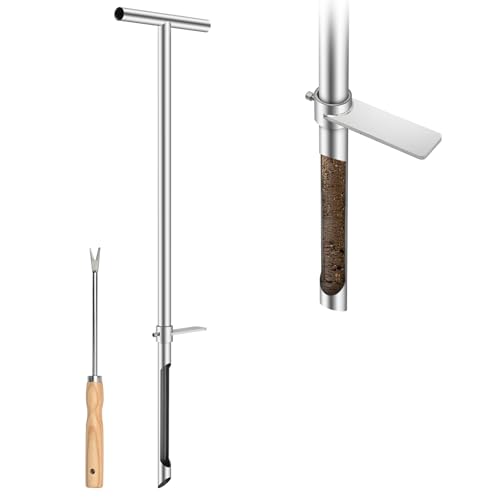
AUZEKER 36 Inch Stainless Steel Soil Sampler Probe
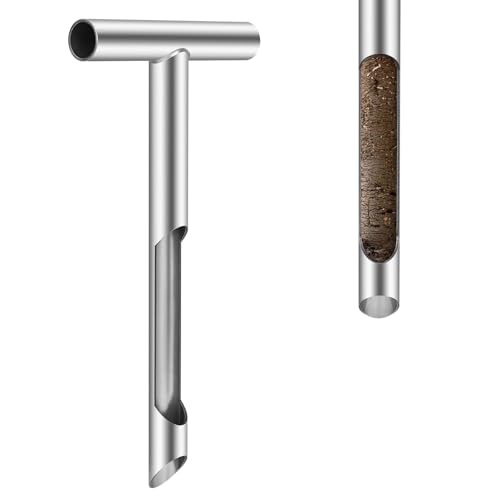
AUZEKER 12 Inch Stainless Steel Soil Sampler Probe

AUZEKER 40 Inch Soil Sampler Probe + 50 Sample Bags

AireKouzia Soil Sifter for Gardening

Fiskars 32.5″ x 17.5″ Large Repotting Mat
The Picks, Examined More Closely
Repotting a half-dozen houseplants usually ends with soil on the counter, the floor, and somewhere behind the fridge. The Haliaeetus scoop exists to shorten that mess. Its stainless body holds roughly one cup of material, which fills a standard one-liter nursery pot in about four scoops.
That capacity makes it feel less like a spoon and more like a small, controlled shovel. Compared with the Root Slayer RS220 later in this list, this tool is built for tabletop precision, not for breaking new ground. It’s the answer for indoor gardeners who want less spillage and faster pot turnover.
Useful Strengths
- Stainless steel construction resists bending and corrosion, even with regular contact with damp potting mix.
- One-cup capacity reduces the number of trips between the soil bag and the pot.
- Narrow profile reaches into vertical planter pockets and tight gaps between crowded pots.
- Wooden handle offers a warmer grip than bare metal during longer repotting sessions.
- Wide mouth delivers material where you want it, limiting spillover on the work surface.
Things To Consider
- The wooden handle benefits from occasional drying; storing it wet against the steel collar can shorten its life.
- Not suited for dense, rocky garden soil. It’s a potting tool, not a digging tool.
Right Fit For
Indoor gardeners who repot frequently and want a controlled, sturdy scoop for small containers.
Consider Something Else When
Heavy outdoor digging is on the agenda, in which case the Root Slayer RS220 Heavy Duty Garden Shovel is the better tool.
Digging in established beds usually means meeting roots halfway down. The Root Slayer RS220 is designed for that encounter. Its serrated edge and inverted V-shaped tip cut into compacted soil and slice through roots that would blunt a standard round-point shovel.
The head carries a powder-coated finish that helps fight rust in damp storage, and the steel shaft adds weight where you want leverage. This is a shovel for someone preparing a new bed, removing a shrub, or working around established plantings, not for someone filling a planter on a kitchen counter.
Practical Advantages
- Serrated blade cuts roots and dense ground rather than just displacing them.
- Inverted V tip drives into soil with less force, reducing the workout on tough jobs.
- Powder-coated head helps protect against rust over multiple seasons of outdoor use.
- Reinforced steel shaft gives a stable feel during heavy prying and lifting.
- Ergonomic handle supports better control during long digging sessions.
Worth Noting
- Heavier than a standard garden spade, which can tire out occasional users.
- Overkill for raised bed cultivation or container gardening.
- The serrated edge benefits from occasional cleaning to prevent caked-on soil from dulling the teeth.
Key Specs
Made For
Homeowners tackling tough digging, root removal, or new bed preparation in established yards.
Look Elsewhere When
Most of your work happens indoors at a repotting station, where the Fiskars 32.5″ x 17.5″ Large Repotting Mat makes more sense.
Surface soil tells one story, but root-zone soil tells the real one. The AUZEKER 40-inch probe reaches past the top layer to pull cores from where most feeder roots actually live. The T-handle gives two-handed leverage, which matters when pushing into clay or compacted ground.
This is a stepping-up option from the shorter probes below. The longer shaft means less bending and faster coverage of larger areas, though it can feel unwieldy in tight raised beds where the 12-inch sampler is friendlier.
The Value In It
- 40-inch length reaches deeper soil layers without bending or kneeling.
- Stainless steel resists corrosion across seasons of outdoor sampling.
- T-handle allows steady, controlled downward force.
- Useful for lawn, garden, and small farm soil testing scenarios.
Trade Offs
- Long shaft can be awkward in tight raised beds or densely planted areas.
- Requires more storage space than compact handheld models.
Who It Suits Best
Homeowners and small-acreage growers who want deeper core samples without digging holes.
Skip It When
Your beds are shallow and closely planted, in which case the AUZEKER 12 Inch Stainless Steel Soil Sampler Probe is easier to handle.
Starting a soil testing habit means collecting cores without contaminating them. This kit pairs a 12-inch probe with 50 sample bags, so the workflow from probe to lab-ready bag is already mapped out.
The shorter length keeps the work close to hand, useful in raised beds, container rows, and densely planted borders. For homeowners mapping a yard one square at a time, having bags included saves a separate purchase.
Useful Highlights
- Includes 50 bags, so you can collect multiple samples in one session.
- 12-inch depth suits raised beds and surface-level garden work.
- Stainless steel body handles repeat contact with damp soil.
- Compact size stores easily in a small gardening tote.
Points To Note
- Shorter reach won’t tell you much about deeper root-zone conditions.
- Bag count is fixed; high-volume users may outgrow the included supply.
Feature Snapshot
Best Suited To
Beginners running their first multi-zone soil test in a backyard or small garden.
Not Your Match When
You need deeper root-zone samples, where the AUZEKER 36 Inch Soil Sampler Probe + 50 Sample Bags is a better fit.
A 36-inch shaft sits in the middle of AUZEKER’s sampler range, and that’s actually the sweet spot for many home gardeners. Long enough to skip the kneeling, short enough to control around shrubs and bed edges.
It also ships with 50 bags and a small debris tool for clearing roots and stones from the core. That extra tool matters more than it sounds: it keeps soil off your hands and speeds up the loop between sample and bag.
Strong Points
- 36-inch length balances reach and maneuverability for mixed gardens.
- Included debris tool speeds up clearing and emptying of cores.
- 50 sample bags support organized multi-zone testing.
- Reduces bending during repeated sampling rounds.
Things To Consider
- Slightly heavier than the 12-inch model, so plan on using two hands.
- Storage requires a bit more wall or shed space than shorter samplers.
Whose Shelf It Belongs On
Gardeners managing a mix of lawn, flower beds, and small food plots who want one probe that handles most jobs.
Reach For A Different Pick When
You’re sampling from a deck, balcony, or very tight raised bed, in which case the AUZEKER 12 Inch Stainless Steel Soil Sampler Probe gives better control.
This 36-inch sampler skips the bag bundle and focuses purely on the probe. For gardeners who already have a workflow or simply want the tool itself, that stripped-down approach keeps things simple.
The stainless body and T-handle echo the design used across AUZEKER’s sampler line, so the feel will be familiar to anyone who has handled the 12 or 40-inch versions. It stands up well to repeated farm and lawn use.
What Works In Its Favor
- Stainless steel resists corrosion across seasons of outdoor use.
- T-handle provides two-handed control during deeper pushes.
- 36-inch length covers typical garden and lawn sampling depths.
- Useful as a standalone tool without bundling extras you may already own.
Areas To Watch
- Bags and debris tool sold separately, which adds to total cost for first-time samplers.
- Longer shaft can feel top-heavy in tight bed corners.
Who Will Love This
Repeat samplers who already keep bags and accessories on hand and just need a reliable probe.
A Better Fit Elsewhere
First-timers wanting everything in one box should look at the AUZEKER 40 Inch Soil Sampler Probe + 50 Sample Bags instead.
Sometimes the right tool is the smaller one. The 12-inch AUZEKER probe fits comfortably in one hand and slips between closely spaced plants without damaging roots.
It pulls cores from the topsoil layer, which is where most annual plantings and lawn roots actually feed. For raised beds, patio containers, and small vegetable plots, this is the sampler that’s least likely to intimidate a new gardener.
Why It Works Well
- Compact 12-inch length suits tight garden layouts.
- Stainless steel holds up to frequent, repeated use.
- T-handle keeps grip comfortable during quick sampling rounds.
- Easy to store in a kitchen drawer or small garden tote.
Honest Caveats
- Won’t reach deeper root zones for tree or shrub analysis.
- Bags and extras sold separately.
Quick Facts
Perfect Match For
New gardeners and apartment dwellers managing shallow beds and container plantings.
Swap It Out When
Sampling stretches across a full lawn or food plot, where the AUZEKER 36 Inch Stainless Steel Soil Sampler Probe saves time.
The 40-inch kit is the full-package option for serious sampling projects. The longer shaft reaches where lawn and garden roots actually drink, and the 50 bags mean you can walk a property, label each zone, and finish in one afternoon.
AUZEKER adds an anti-pinch T-handle guard here, which protects fingers during hard pushes into clay. That’s a small but meaningful upgrade for anyone who has bounced a probe off a rock before.
Points In Its Favor
- 40-inch reach covers deep root-zone analysis without digging.
- Anti-pinch guard improves safety during high-force pushes.
- 50 sample bags support property-wide testing in one session.
- Ergonomic T-handle reduces wrist strain on tougher soils.
Less Ideal Details
- Longer shaft is harder to control in tight, closely planted beds.
- Adds noticeable length to storage planning.
Built With In Mind
Serious home soil analysts, lawn-care enthusiasts, and small-acreage growers mapping large areas.
Another Choice May Suit
Smaller urban plots, where the AUZEKER 12 Inch Soil Sampler Probe + 50 Sample Bags is easier to maneuver.
Compost and bagged soil often hide rocks, twigs, and clumped clay. A sifter turns that mess into a uniform medium that drains well and roots easily. The AireKouzia sifter focuses on exactly that job.
It’s a simple addition to a soil-care routine, and it pairs naturally with the Haliaeetus scoop covered earlier: sift first, then scoop into pots.
Features That Help
- Filters rocks, roots, and debris from compost and garden soil.
- Improves soil texture for finer seed-starting and potting mixes.
- Useful when reclaiming soil from old beds or containers.
- Lightweight enough to move around the garden as needed.
Room For Improvement
- Mesh size isn’t adjustable for different screening needs.
- Best for small batches; large-volume screening will be slow.
The Right Fit
Gardeners refining homemade compost or cleaning up soil for seed-starting trays.
Where A Sibling Pick Shines
For moving already-sifted soil into containers, the Haliaeetus Stainless Steel Potting Soil Scoop is the natural partner.
Indoor transplanting creates a specific kind of mess: loose soil on a table, a trail across the floor, and somehow some in the sink. The Fiskars repotting mat catches all of it. The 32.5 by 17.5-inch work area unfolds into raised side walls that hold soil inside the mat.
Cleanup comes down to folding the mat and pouring the contents back into a bag. For renters and apartment gardeners, that convenience is the whole point.
Positive Points
- Generously sized work area fits multiple pots at once.
- Folds flat for compact storage in a closet or under a bed.
- Raised side walls keep loose soil contained during transplanting.
- Protects tables and counters from moisture and scratches.
Factors To Consider
- Adds a dedicated step to a transplanting routine you might otherwise skip.
- Best for flat surfaces; not a substitute for a full potting bench.
At A Glance
Who Should Grab It
Indoor gardeners who repot frequently and want to protect countertops from soil and water.
A Better Fit Elsewhere
For heavy outdoor bed work, the Root Slayer RS220 Heavy Duty Garden Shovel is the more appropriate tool.
What Matters Most Before Choosing Things For Garden Soil
The first decision is whether you need to move soil, test soil, refine soil, or contain soil. Each tool in this roundup does one of those jobs well, and overlap is rare. Pick a tool based on the actual problem in front of you, not a generic wishlist.
For moving and refining, the Haliaeetus scoop and AireKouzia sifter handle the indoor side of the equation, while the Root Slayer RS220 covers the digging and root-cutting side. If soil testing is the goal, AUZEKER’s sampler family covers every depth and budget, and the 40-inch kit with bags is the most complete option.
Indoor gardeners get the most mileage from a repotting mat and a stainless scoop. Outdoor growers usually start with a heavy-duty shovel and add a probe once they’re ready to treat their soil as data, not just dirt.
Key Considerations Across These Picks
Pitfalls Shoppers Hit
A common slip is buying a long sampler for tight raised beds and finding it impossible to control. The opposite mistake is picking a 12-inch probe for a half-acre lawn and spending an afternoon bent over. Match the tool’s length to your layout, not just your soil type. Another trap is overlooking rust resistance on outdoor tools, especially in humid climates where steel finishes can deteriorate quickly.
Where The Extra Money Goes
Higher-tier picks tend to add length, accessories, or upgraded safety features like anti-pinch guards. The Root Slayer’s powder-coated head and serrated edge explain its price difference from a basic spade. Sampler kits with included bags cost more upfront but save a separate purchase later. The honest read is that paying up usually buys durability and convenience, not magic performance.
Frequently Asked Questions
How often should garden soil be tested?
Most home gardeners benefit from a soil test every two to three years, or annually if you’re actively amending nutrients or troubleshooting growth issues.
What depth should a soil probe reach for a typical backyard?
For lawns and most vegetable beds, a 12-inch sample captures the active root zone. Deeper-rooted shrubs and small trees benefit from 36 to 40-inch samplers.
Can a regular shovel replace a heavy-duty root shovel?
For light cultivation, yes. For compacted ground, established roots, or shrub removal, a serrated root shovel like the Root Slayer RS220 saves significant time and effort.
Is a stainless steel scoop better than plastic for potting?
Stainless steel resists bending, holds more material, and lasts longer under repeated use. Plastic scoops work for occasional tasks but tend to flex or crack over time.
Do repotting mats actually help with cleanup?
For indoor transplanting, they make a noticeable difference by containing loose soil within raised side walls and folding away for easy disposal afterward.
Closing Remarks
The right tool turns soil work from a chore into a quick, repeatable routine. Start with the job you actually do most often, whether that’s scooping, digging, sampling, sifting, or containing. Build from there as your garden grows.
