

Dandelions start as a charming flash of yellow, then quietly colonize every crack and tuft of grass they can reach. Homeowners dealing with broadleaf weeds need a clear-eyed strategy, not another bottle of guesswork. This roundup walks through ten widely available options for tackling dandelions, from selective sprays that spare your turf to total vegetation killers built for paths and fence lines. Each pick is sized to a real situation so you can match the tool to the job instead of buying on hope.
The Picks In Brief
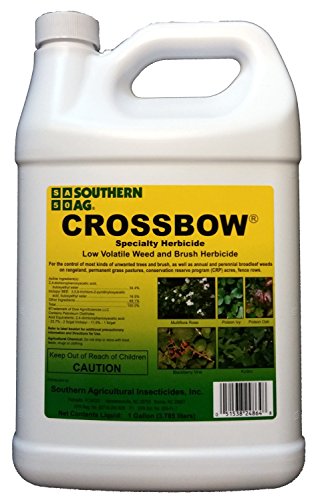
Southern Ag Crossbow Weed & Brush Herbicide 128oz

Roundup Ready-to-Use Weed & Grass Killer III Refill

Roundup Weed & Grass Killer4 Refill 1.25 gal.

Hi-Yield 35261 Triclopyr Ester 8 oz
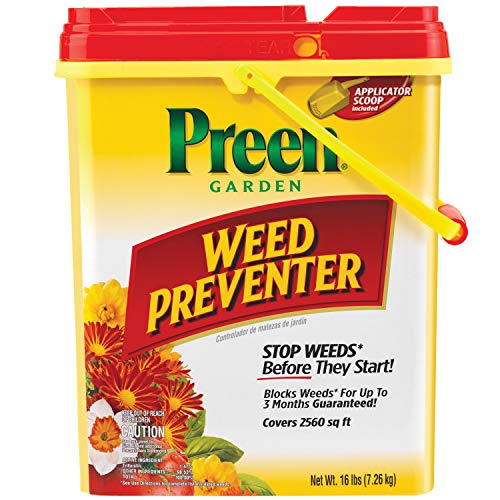
Preen Garden Weed Preventer 16 lb. Drum
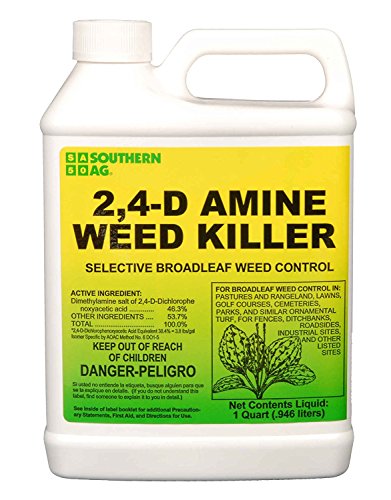
Southern Ag Amine 2,4-D Weed Killer 32oz

Ortho GroundClear Super Concentrate 32 fl. oz.

RM18 Fast-Acting Weed & Grass Killer 2.5-gallon

Ortho GroundClear Year Long Vegetation Killer 1 gal.

Scotts Turf Builder Halts Crabgrass Preventer 5,000 sq. ft.
More Details On Our Top Picks
Where Roundup-style sprays run out of muscle, Southern Ag Crossbow steps in. This one-gallon jug is built for acreage rather than a small city lawn, designed to bring down woody brush, saplings, and stubborn perennial broadleaf weeds that shrug off gentler herbicides.
For homeowners managing rural lots, pasture edges, or fence rows choked with multi-flora rose and tree seedlings, this is a credible workhorse. You will mix it with water and spray it on foliage, so a pump sprayer is part of the realistic tool kit. It is not a casual weekend option, and that intent shapes everything about how it performs.
Key Advantages
- Handles tough brush and saplings that defeat standard broadleaf sprays
- One gallon mixes up to a large spray volume, lowering per-acre cost
- Targets the root systems of perennial weeds for longer-lasting control
- Useful across pastures, ditch banks, and right-of-way edges
Things To Consider
- Not selective enough for use in a maintained lawn without damaging grass
- Requires mixing and a dedicated pump sprayer, which adds setup time
- Storage needs planning since the concentrate is potent and long-lived
Quick Facts
Built For Acreage Owners
Pasture managers, rural homeowners, and anyone clearing fence lines will find the formulation matches their scale and weed pressure.
Skip It When
You want spot dandelion control on a city lawn, in which case the Roundup Ready-to-Use Weed & Grass Killer III Refill is a friendlier entry point.
Few products lower the barrier to dandelion control like this refill jug. The formula arrives premixed, so you pour it into a compatible wand or spray bottle and start treating weeds without measuring, diluting, or worrying about whether the concentration is correct.
For a first-time user stepping into the lawn-care aisle, that simplicity is the entire value proposition. You walk out, hook up a wand, and treat the dandelions popping up between pavers or in the mulched ring around a tree. Where Item 1 demands planning and protective gear, this pick trades raw power for a near-zero learning curve.
Reasons It Performs
- No-mix formula removes the risk of mis-dilution
- Targets the root so treated weeds do not quickly bounce back
- Works in flower beds, driveways, and walkways alike
- Visible results arrive within hours for most broadleaf targets
Worth Noting
- You will need a separate wand or trigger sprayer to apply it
- Coverage per refill runs out faster than concentrate options on larger lawns
- Non-selective, so accidental overspray will damage nearby ornamentals
Feature Snapshot
Made For First-Timers
Anyone who has never sprayed a herbicide before will find the no-mix approach removes the most common reason for poor results.
Consider Something Else When
Your lawn is large and you want the lowest cost per acre, in which case Roundup Weed & Grass Killer4 Refill stretches your budget much further.
When dandelions have spread from a few yellow dots into a full infestation, a concentrate often beats repeated spot treatments. The 1.25-gallon Roundup Weed & Grass Killer4 refill gives homeowners a sizable volume of root-killing chemistry that can be diluted to match the job, from a single stubborn plant to a broad lawn overhaul.
The formula is designed for visible results within hours and tolerates light rain surprisingly quickly after application. Compared with Item 2’s no-mix approach, this jug rewards a little prep with far more reach per dollar. For mid-sized yards, the math usually works out in favor of mixing your own batches.
What Stands Out
- Root-kill action targets dandelions, clover, and crabgrass in one pass
- Concentration allows flexible dilution for spot or broadcast spraying
- Rain-resistant shortly after application, reducing weather anxiety
- Large 1.25-gallon volume suits mid-sized and larger lawns
Trade Offs
- Requires a pump or backpack sprayer to apply correctly
- Non-selective, so drift can damage flowers and vegetables nearby
- Mixing introduces a small learning curve for newer gardeners
Right Fit For Whole-Yard Owners
Homeowners clearing an overrun lawn ahead of reseeding will appreciate the volume and root-kill chemistry working in their favor.
A Better Fit Elsewhere
For spot-treating a handful of dandelions on a small lawn, the ready-to-use Roundup Ready-to-Use Weed & Grass Killer III Refill keeps things simple.
Triclopyr is the quiet specialist of broadleaf weed control, and this 8 oz concentrate puts the active ingredient into the hands of homeowners willing to read a label. Unlike the total-kill products above, this one targets broadleaf weeds specifically and is labeled for use on cool-season turfgrasses such as perennial bluegrass, ryegrass, and tall fescue.
For a homeowner with a fescue or bluegrass lawn dotted with dandelions, that selective profile is genuinely valuable. The trade-off, as with any selective herbicide, is that it requires accurate identification and disciplined application to avoid yellowing the turf you are trying to protect.
Everyday Perks
- Selective formula spares labeled cool-season turfgrasses
- Targets tough broadleaf weeds such as oxalis and wild violet
- Compact 8 oz bottle stores easily in a small garden shed
- Can double as a bluegrass suppressor in ornamental settings
Minor Gripes
- Must not be applied to warm-season grasses like St. Augustine or Bermuda
- Small bottle can run out fast on larger lawns
- Requires accurate weed ID and disciplined spraying technique
Best Suited To Cool-Season Lawns
Fescue, ryegrass, and bluegrass owners will get the most out of this selective chemistry without sacrificing their turf.
Look Elsewhere When
You grow warm-season grass or simply want a one-step kill-everything approach, in which case Ortho GroundClear Weed & Grass Killer Super Concentrate is the more flexible pick.
Preen plays a different game than the rest of this list. Where sprays knock down existing dandelions, this granular product prevents new weed seeds from germinating in the first place, which makes it a powerful ally for established flower beds, vegetable gardens, and shrub rings.
The 16 lb. drum covers a substantial area, and the built-in applicator scoop makes it easier to scatter the right amount without guesswork. Compared with the kill-focused entries above, Preen fits into a maintenance routine rather than a one-off rescue mission, and that distinction shapes who should consider it.
Where It Excels
- Pre-emergent action stops dandelion seedlings before they sprout
- Covers up to 2,560 sq. ft. in a single drum
- Lasting barrier reduces the season-long weed seeding cycle
- Designed for safe use around established ornamentals
Points To Note
- Does not kill dandelions that are already growing
- Needs reapplication to keep a continuous barrier through the season
- Granular format requires careful spreading to avoid bare patches
Perfect Match For Established Beds
Gardeners who already have mature flowers, shrubs, or vegetables and want to keep new dandelions from invading will appreciate the preventive angle.
Reach For A Different Pick When
You have a lawn full of existing yellow blooms, in which case a foliar spray like Roundup Weed & Grass Killer4 Refill gets faster visible results.
2,4-D is one of the oldest broadleaf herbicides still in widespread use, and the amine formulation in this quart bottle is the version homeowners reach for when treating turf, pastures, or fence lines on a tight budget. The low use rate means a small bottle goes further than you might expect.
Where the triclopyr pick above offers selectivity on cool-season turf, this amine 2,4-D concentrate leans into economy and broad utility. You will still want a pump sprayer and a careful read of the label, but the per-acre cost is hard to beat in this category.
Useful Highlights
- Economical use rate stretches the bottle across larger areas
- Targets a wide spectrum of broadleaf weeds including dandelions
- Suitable for turf, pastures, rangeland, and ditch banks
- Quart size is manageable for homeowners without a dedicated storage shelf
Honest Caveats
- Selective only against broadleaf weeds, not grasses
- Concentrate requires accurate mixing and calibration
- Cool or cloudy weather can slow visible results
Feature Card
Whose Shelf It Belongs On
Pasture owners and homeowners with large turf areas get the best value from the low use rate and broad labeling.
Swap It Out When
You want a tighter, more lawn-specific approach on cool-season turf, in which case the Hi-Yield 35261 Triclopyr Ester concentrate is a more selective option.
Ortho’s GroundClear concentrate earns its slot through speed. The formulation is designed to start working almost immediately on contact and lists dandelions alongside crabgrass, clover, chickweed, and oxalis on the target roster. For hardscapes and landscape edges, that quick knockdown can reshape how you plan a weekend.
Compared with the Southern Ag Crossbow jug in Item 1, this is a smaller, homeowner-friendly concentrate that requires no special licensing to buy. It still demands respect, but it fits comfortably in a suburban garage without dominating the storage shelf.
Real-World Strengths
- Visible results arrive quickly for impatient homeowners
- Targets dandelions along with several stubborn lawn weeds
- Rainfast within 15 minutes of application in most conditions
- 32 oz bottle is easier to handle than gallon concentrates
A Few Limitations
- Non-selective, so accidental spray damages any plant it touches
- Still requires mixing and a sprayer for proper application
- Coverage area shrinks fast on heavy weed infestations
Spec Overview
Who Should Grab It
Homeowners clearing weeds from patio cracks, walkways, and landscape edges will benefit most from the fast contact action.
Where Another Pick Suits Better
If you want longer-lasting regrowth suppression on gravel or driveway strips, the Ortho GroundClear Year Long Vegetation Killer is designed for that exact use case.
RM18 brings bulk to the table. The 2.5-gallon container dilutes into a substantial volume of ready-to-use spray, which makes it a natural fit for lawn replacement projects, fence-line clearing, or restoring a walkway that has gone fully wild. For one ambitious weekend of work, this single purchase can carry the whole job.
The visible-results window is short, which keeps planning predictable, and the product reportedly deactivates on contact with bare soil, leaving room for replanting. Compared with Item 1, RM18 is gentler on the surrounding soil profile, though it shares the same non-selective character.
What It Does Well
- Mixes into a large volume of ready-to-spray solution
- Covers expansive areas in a single purchase
- Fast visible results make scheduling weekend work easier
- Reported soil behavior allows quicker replanting
Where It May Fall Short
- Non-selective, so accidental overspray ruins ornamentals
- Bulk format is awkward for small spot jobs
- Requires careful calibration to hit the right mix rate per weed
Best Suited To Renovation Projects
Homeowners converting an overgrown patch back to lawn or garden will appreciate the volume and the relatively short replanting window.
Not Your Match When
You only need to spot-treat a handful of dandelions, in which case the Southern Ag Amine 2,4-D Weed Killer quart is a more proportionate buy.
Where most of this list fights dandelions for a season, this gallon jug aims to keep ground bare for up to a year. The Year Long formulation is built for areas where you genuinely do not want anything growing, such as driveway edges, gravel paths, and the strips along fencing.
The included comfort wand is a thoughtful touch, sparing your hand during extended spraying sessions. Compared with Item 7’s super concentrate, this is a ready-to-use product aimed at longer-term suppression rather than quick knockdown, which changes how you plan around it.
Noteworthy Benefits
- Suppresses regrowth for an extended period after application
- Ready-to-use formula removes mixing from the workflow
- Comfort wand included for less fatiguing spraying
- Well-suited to driveways, gravel, and hardscape borders
Possible Compromises
- Overkill for lawns where you actually want grass to grow back
- One-gallon ready-to-use format is heavier to carry than concentrates
- Results depend on weather and soil contact conditions
Key Product Details
Who Will Love This
Homeowners tired of weeding the same gravel strip every month will appreciate the extended suppression window.
Where A Sibling Pick Shines
For a lawn-friendly dandelion program, Roundup Weed & Grass Killer4 Refill keeps your grass in the picture instead of stripping the area bare.
The Scotts Turf Builder closes this list by doing two jobs at once. It feeds the lawn while preventing crabgrass from invading, which makes it the kind of spring application that pays dividends all season. For dandelions specifically, the fertilizer component thickens the turf, leaving less room for broadleaf weeds to establish.
The crabgrass-preventer angle does not directly target existing dandelions, which is the honest trade-off. Pair it with a selective broadleaf spray like the Hi-Yield Triclopyr Ester, and you have a credible one-two punch for the growing season.
Everyday Advantages
- Combines fertilizer and pre-emergent in a single application
- Covers a generous 5,000 sq. ft. in one pass
- Stronger turf crowds out future weed establishment
- Early-season timing aligns with typical dandelion germination
Details To Watch
- Does not kill dandelions that are already up and growing
- Best applied in early spring before weed seeds germinate
- Spreader calibration affects how evenly it lands
Built With In Mind
Homeowners planning a spring lawn recovery program will appreciate the feed-plus-prevent approach that strengthens turf while keeping new weeds at bay.
Consider Something Else When
You have visible dandelions that need killing now, in which case the Roundup Ready-to-Use Weed & Grass Killer III Refill handles the immediate problem.
What To Weigh Before Choosing A Dandelion Killer
Selective vs. Total Kill
Selective herbicides target broadleaf weeds while leaving labeled turfgrass species intact, which is critical for homeowners who want a healthy lawn. Total-kill products remove everything green, including the grass itself, making them better suited to driveways, fence rows, and lawn renovation. For a maintained lawn, a selective approach usually protects the turf you have invested in.
Concentrate vs. Ready-to-Use
Concentrates offer a lower cost per treated area and let you adjust the dilution for spot or broadcast spraying, but they require a pump sprayer, accurate measurement, and a bit of confidence. Ready-to-use formats trade economy for convenience, pouring straight into a wand or trigger sprayer with no mixing required.
Timing And Weather Window
Dandelions are most vulnerable when actively growing in spring and fall, and most herbicides need several hours of dry weather after application. Products that are rainfast within 15 to 30 minutes reduce the chance of an unexpected shower washing away your work.
Coverage Area And Storage
A 5,000 sq. ft. lawn is a different scale from a half-acre pasture, and the container size should match the scope of the work. Heavy one-gallon ready-to-use jugs are less convenient to haul around than a small concentrate bottle and a pump sprayer.
Smart Habits For Better Results
Pitfalls Shoppers Hit
The most common mistake is grabbing a total-kill product for a maintained lawn, then watching the grass yellow along with the weeds. Read the label for turfgrass safety before spraying, and check whether the product is selective or non-selective.
When Paying More Pays Off
Higher-tier products tend to buy you either longer regrowth suppression, faster visible results, or built-in comfort features like a wand. For one-off small jobs, the savings on a budget concentrate often outweigh those perks, but for ongoing maintenance or larger properties, the upgrade compounds into real time savings over a season.
Frequently Asked Questions
What kills dandelions permanently?
A selective broadleaf herbicide applied while dandelions are actively growing will kill the plant down to the root, which prevents the same taproot from resprouting the following week. A pre-emergent like Preen then keeps new seeds from germinating for several months.
When is the best time to spray dandelions?
Spring and fall are the strongest windows, when dandelions are pushing energy into their taproots. Spraying during drought stress or extreme heat reduces effectiveness and risks turf damage.
Are these products safe for pets and kids?
Every herbicide label carries specific guidance about re-entry intervals, drying time, and application around children or animals. Always read and follow the manufacturer’s instructions before allowing access to a treated area.
Can I use a weed killer on my vegetable garden?
Some products are labeled for use around vegetable beds when applied carefully, while others are not. Targeted spot treatments with shields and lower-pressure sprayers reduce drift onto desirable plants.
How long does it take to see results?
Fast-acting concentrates can show visible yellowing and wilting within hours, while selective broadleaf sprays often take a week or more for the full effect. Weather, weed maturity, and application rate all influence the timeline.
The Takeaway
The right dandelion killer depends on whether you are protecting a lawn, clearing a path, or preventing next year’s crop. Match the product to the site, respect the label, and you will spend far less time pulling yellow blooms by hand. Start with one clear goal this season, then layer in a preventive or fertilizing strategy once the immediate problem is under control.
