

Ticks and fleas don’t respect property lines. If your dog comes in scratching, your lawn is likely part of the problem: tall grass, leaf litter, and shaded borders make perfect habitat for nymph-stage ticks waiting for a host. The right yard spray breaks that cycle before pests ever reach your pet or your family.
Concentrates deliver the strongest residual control for big properties, while ready-to-use bottles make sense for spot treatment and small lawns. Some formulas double as pet sprays, so you can treat the dog and the deck with one bottle. Match the format to your yard size, your pets, and how often you want to reapply, and you’ll spend far less time worrying about bites.
An Overview Of The Picks

ENVU Tempo SC Ultra Insecticide 240ml

Trifecta Flea and Tick Yard Spray Concentrate 16 oz
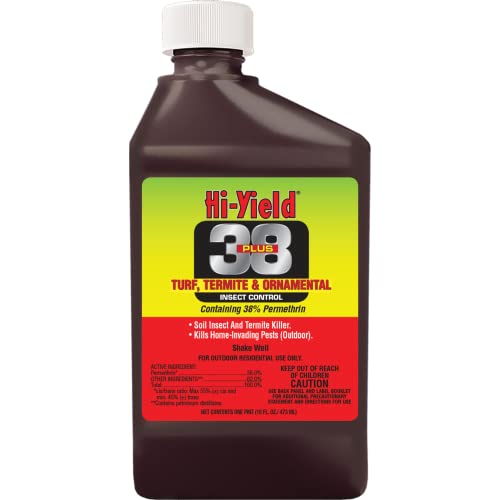
Hi-Yield 38 Plus Permethrin Turf Insect Control 16 oz

OFF Family Care Insect Repellent 4 oz 2-Pack

MGK OneGuard Multi MoA Concentrate Quart

Trifecta Ready-to-Use Flea and Tick Yard Spray 32 oz
Trifecta Flea and Tick Yard Spray 64 oz 2-Pack

Wondercide Flea Tick and Mosquito Spray Cedarwood 16 oz

Wondercide Flea Tick and Mosquito Spray Rosemary 16 oz
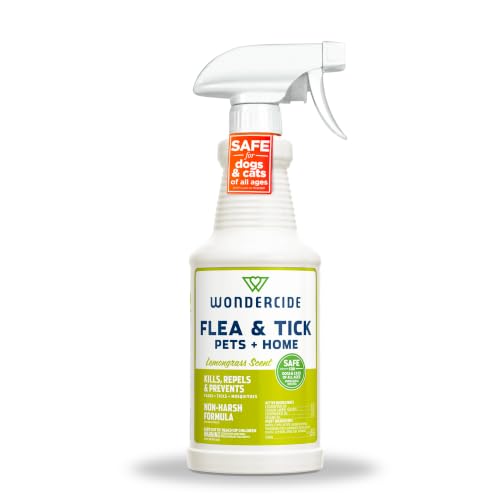
Wondercide Flea Tick Mosquito Spray Lemongrass 16 oz
Why These Options Stand Out
For homeowners dealing with more than just ticks, ENVU Tempo SC Ultra packs pro-level flexibility into a 240ml bottle. Beta-cyfluthrin, the active ingredient, is a synthetic pyrethroid (a class of insecticides modeled on natural chrysanthemum compounds) that knocks down more than 100 nuisance pests on contact and keeps working for weeks. You dilute it with water and broadcast it across lawn, foliage, and foundation perimeters, which makes it useful when mosquitoes and ants are crowding the same yard.
For most suburban lots, one bottle covers multiple applications if you store the concentrate in a cool, dark spot. The trade-off is real: pyrethroids are not a fit for households where pets roam the lawn right after treatment, so read the reentry interval (the wait time before people or pets can safely re-enter a treated area) on the label and plan around it.
Well-Handled Touches
- Broad-spectrum control handles ticks, mosquitoes, ants, and spiders in a single pass
- Liquid concentrate disperses evenly through pump sprayers without constant shaking
- Low use rate means one 240ml bottle stretches across several treatments
- Long residual window reduces how often you need to reapply during peak season
Practical Considerations
- Synthetic pyrethroid formula is not suitable for households wanting a botanical option
- Pets and kids must stay off treated grass until the surface dries fully
- Requires accurate dilution, so a dedicated sprayer pays off
Who It Suits Best
Homeowners managing large yards with multiple pest species and comfort handling a pump sprayer.
A Better Fit Elsewhere
The Trifecta Flea and Tick Yard Spray Concentrate suits households with pets that play on the lawn the same day you treat.
Trifecta’s 16 oz concentrate takes a different route, leaning on essential oils rather than synthetic pyrethroids to repel fleas and ticks. You mix it into a pump sprayer and broadcast across lawn, patio edges, and any shady border where ticks stage. For pet households, that plant-based profile is the headline feature: dogs and cats can return to treated turf sooner, which matters during peak summer when the lawn doubles as their hangout.
The honest read is that essential oil concentrates typically need more frequent reapplication than synthetics, so plan a tighter schedule in humid weather. Compared to the Hi-Yield permethrin option, the trade is strength versus pet-friendliness, and Trifecta is firmly on the gentler side.
Everyday Wins
- Essential oil formula keeps treated lawns accessible to pets sooner
- Designed for broad coverage across lawn, patio, and backyard borders
- Concentrate format stretches a small bottle across a sizable yard
- Repels pests rather than relying solely on contact knockdown
Honest Caveats
- Reapplication cadence is shorter than synthetic options in heavy tick pressure
- Essential oil scent lingers longer than many shoppers expect
- Requires consistent mixing and a clean sprayer to avoid clogging
Made For
Pet households that prefer plant-based formulas and treat the yard on a steady routine.
Look Elsewhere When
Severe tick infestations across multiple acres push you toward the MGK OneGuard Multi MoA Concentrate for stronger residual control.
Hi-Yield 38 Plus is the older-school option, built around permethrin (a long-standing synthetic pyrethroid) and aimed squarely at turf, ornamentals, and perimeter work. The label lists borers, bark beetles, aphids, bagworms, mosquitoes, ants, cockroaches, earwigs, mole crickets, spiders, and ticks, so you can treat the lawn and the shrubs in one pass. It’s especially handy when ticks and termites share a fence line.
You may find the concentrate format intimidating if you’ve never calibrated a sprayer, but the payoff is coverage. Where the Trifecta concentrate wins on pet comfort, this one wins on the sheer breadth of pests and the residual staying power in shaded, humid microclimates.
Standout Benefits
- Broad label covers turf insects plus ornamental and termite-adjacent pests
- Permethrin base delivers long residual control on shaded borders
- Doubles as a perimeter spray around foundations and fence posts
- Compact 16 oz bottle stores easily in a garage or shed
Trade Offs
- Synthetic chemistry requires strict adherence to the reentry interval
- Cats are particularly sensitive to permethrin, so plan dosing carefully
- Not the right pick for households wanting a botanical alternative
Best Suited To
Suburban homeowners managing lawns bordered by trees, shrubs, and fence lines with mixed pest pressure.
Skip It When
Cats share the household. The Wondercide Rosemary 16 oz offers a safer botanical path for feline homes.
Stepping away from yard sprays for a moment, OFF! Family Care is the personal repellent that complements every other pick on this list. The 15% DEET (a widely tested synthetic insect repellent developed for military use) formula goes on dry rather than greasy and covers mosquitoes, ticks, chiggers, gnats, and biting flies. Each 4 oz aerosol sprays in a continuous sweep, which is genuinely useful on a long hike or a backyard cookout.
The two-pack format is the quiet win: toss one bottle in the daypack, keep the other in the kitchen drawer. It’s not a yard treatment, but pairing it with any of the concentrates above closes the loop between treating the lawn and protecting the people on it.
The Helpful Details
- 15% DEET concentration handles ticks and mosquitoes on skin and clothing
- Dry, non-greasy finish keeps it comfortable on hot days
- Continuous aerosol pattern covers exposed skin quickly
- Compact 4 oz size fits a backpack, glove box, or bug-out bag
Things To Consider
- Personal repellent only, with no effect on ticks breeding in the lawn
- Aerosol cans need to be stored away from heat sources in a garage
- Reapplication every few hours is standard for sustained outdoor exposure
Who Should Grab It
Hikers, runners, and anyone spending regular time outdoors in tick-heavy regions.
Consider Something Else When
You need actual lawn coverage. The ENVU Tempo SC Ultra Insecticide handles the yard itself.
MGK OneGuard is the only pick here marketed squarely at the professional tier, and it shows. The quart bottle covers broadcast spray, foliar spray, surface spray, crack and crevice, spot treatment, and structural perimeter applications. Multiple active ingredients hit different biological targets, and an insect growth regulator (a compound that disrupts pest reproduction rather than killing adults) helps break flea reproduction cycles over the longer term.
That breadth is genuinely useful if you want one concentrate for the yard, the porch, and the garage. The flip side is a learning curve: you’ll want to read the label carefully and tailor dilution per application. Compared to the Hi-Yield permethrin pick, OneGuard offers more application modes but asks more of the operator.
Notable Gains
- Six application modes cover nearly every outdoor and structural surface
- Multiple active ingredients reduce resistance buildup over time
- Insect growth regulator targets flea reproduction, not just adults
- Quart size suits ongoing maintenance across large properties
Worth Noting
- Label complexity rewards experience, so first-timers may want a simpler concentrate
- Reentry intervals vary by application method, which takes planning
- Higher cost per quart reflects the professional positioning
Right Fit For
Pest control operators and confident DIYers who treat multiple zones across the property.
Swap It Out When
You just want a single lawn pass. The Hi-Yield 38 Plus Permethrin Turf Insect Control keeps things simpler.
If mixing concentrates feels like one step too many, the Trifecta Ready-to-Use bottle skips that step entirely. The 32 oz trigger-spray format is pre-diluted with the same essential oil blend found in the Trifecta concentrate, so you point and spray along patio edges, fence lines, and the shaded corners where ticks hang out.
It’s the right call for small yards, townhouse patios, or quick touch-ups between full treatments. Compared to the 16 oz concentrate, you’re paying for convenience rather than coverage, so a half-acre lot will drain the bottle faster than you’d like. For most backyards, though, the trigger format is genuinely easier to live with.
Where It Excels
- Pre-mixed formula removes the calibration step entirely
- Trigger sprayer handles spot treatments along borders and patio edges
- Same essential oil profile as the Trifecta concentrate
- Compact bottle stores on a porch shelf between uses
Factors To Consider
- Higher cost per ounce than the concentrate version
- Limited coverage makes it less practical for full lawn broadcasts
- Trigger sprayers tire the hand during large jobs
Whose Shelf It Belongs On
Owners of small yards or patios who want a no-mix option ready to grab.
Where A Sibling Pick Shines
For larger coverage, the Trifecta Flea and Tick Yard Spray Concentrate 16 oz stretches further per dollar.
The 2-Pack format pairs two 64 oz bottles of Trifecta’s essential oil formula, giving you 128 oz total for larger pet-friendly lots. Most shoppers reach for this when their single 16 oz concentrate runs dry mid-season, and the math typically works out cheaper per ounce than buying two singles.
For most multi-acre properties, the bulk format means fewer reorder moments during peak tick months. The catch is storage: two full bottles take up real shelf space in a garage or shed, and essential oil blends stay stable longer when kept out of direct sunlight.
The Good Stuff
- Two 64 oz bottles cover multiple full-property treatments
- Bulk format lowers the per-ounce cost versus singles
- Essential oil formula stays in the pet-friendly lane
- Useful when coordinating yard and kennel-area spraying
Some Limits To Know
- Bulk volume demands dedicated storage space in a cool, shaded area
- Heavier to lift and pour into a pump sprayer than smaller bottles
- Essential oil scent may bother scent-sensitive neighbors during application
Who Will Love This
Owners of larger pet-friendly lots who want to minimize reordering during peak tick season.
Not Your Match When
You only have a small patio. The Trifecta Ready-to-Use Flea and Tick Yard Spray 32 oz is easier to handle.
Wondercide’s cedarwood spray lives in the overlap between pet product and yard product, which is exactly why it earns a place on this list. The label covers direct application on dogs and cats alongside use on bedding, carpets, and outdoor surfaces. The cedarwood scent reads warmer and woodier than the rosemary or lemongrass versions, which some households prefer and others find too strong.
For most dog owners, the appeal is convenience: one bottle handles the dog’s coat, the dog bed, and the back porch. Coverage per 16 oz is modest, so plan on multiple bottles across a full season for active yards.
Features That Help
- Doubles as a topical spray for dogs and a surface spray for the home
- Cedarwood essential oil base appeals to shoppers avoiding synthetic actives
- Sprays directly onto pet bedding and upholstered furniture
- Useful for spot-treating shaded yard corners between full treatments
Points To Keep In Mind
- 16 oz size runs out quickly when used across a whole yard
- Cedarwood note lingers longer than the lemongrass version
- Essential oil formulas need more frequent reapplication on grass
Perfect Match For
Multi-pet households that want one bottle for the dog, the home, and small yard zones.
Another Choice May Suit
Larger yards call for the Trifecta Flea and Tick Yard Spray 64 oz 2-Pack for better coverage.
The rosemary version is the gentlest scent profile in the Wondercide lineup, which makes it the natural choice when someone in the household reacts strongly to fragrance. Like the cedarwood and lemongrass siblings, the rosemary blend treats pets, home surfaces, and yard edges with the same essential oil formula.
You may find the herbal note pleasant or simply less obtrusive during repeated indoor use. Compared to the cedarwood option, the scent difference is the deciding factor for many shoppers, while performance against fleas and ticks stays consistent across the trio.
Points In Its Favor
- Rosemary scent reads lighter than cedarwood for indoor use
- Same multi-surface formula covers pets, bedding, and yard edges
- Plant-based profile works for households avoiding synthetic actives
- Useful for households where one member is scent-sensitive
Possible Compromises
- Coverage per bottle is still modest for full-yard broadcast
- Botanical actives require consistent reapplication in humid weather
- Not a substitute for synthetic concentrates during severe infestations
Built With In Mind
Scent-sensitive households that want botanical flea and tick control across pet and home.
Reach For A Different Pick When
The yard is the priority. The Hi-Yield 38 Plus Permethrin Turf Insect Control handles broad turf coverage more efficiently.
The lemongrass edition rounds out the Wondercide trio with the brightest, most citrus-leaning scent of the three. Functionally, it matches the cedarwood and rosemary versions on the core formula: essential oils targeting fleas, ticks, and mosquitoes across pet coats, household fabrics, and outdoor surfaces.
For most shoppers choosing between Wondercide scents, lemongrass is the freshest-smelling and the easiest to use indoors without dominating a room. Where the rosemary option wins on subtlety, lemongrass wins on a clean citrus impression that masks the herbal base note.
The Value In It
- Lemongrass scent reads brighter and more citrus-forward than the siblings
- Same multi-surface formula across pets, home, and yard edges
- Plant-based profile fits households avoiding synthetic insecticides
- Compact 16 oz bottle is easy to store between treatments
Less-Strong Areas
- Small bottle size limits full-yard broadcast applications
- Citrus scent can bother people sensitive to sharp fragrances
- Botanical active requires disciplined reapplication for tick control
Who Should Grab It
Households that prefer a citrus-leaning scent and want one bottle across pet, home, and small yard zones.
A Better Fit Elsewhere
For serious yard coverage, the Trifecta Ready-to-Use Flea and Tick Yard Spray 32 oz handles patio edges more efficiently.
What Matters Most Before Choosing Tick And Flea Sprays For Yard
Match The Format To Your Yard Size
Concentrates win on cost per square foot, but they demand a pump sprayer, accurate dilution, and a comfort level with chemical handling. Ready-to-use bottles trade that efficiency for convenience, which is the right call on small patios and townhouse lots. A practical rule: under a quarter acre, start with an RTU trigger bottle; over a quarter acre, a concentrate stretches further per dollar.
Decide Between Botanical And Synthetic Profiles
Essential oil formulas (cedarwood, rosemary, lemongrass, and the Trifecta line) let pets return to treated grass sooner and appeal to households avoiding synthetic actives. Synthetic pyrethroids (a class of lab-made insecticides engineered to mimic natural pyrethrins from chrysanthemums) like beta-cyfluthrin and permethrin last longer and cover more pest species, but require stricter reentry intervals and are sensitive around cats in particular. Choose the profile first, then narrow by yard size.
Read The Reentry Interval Closely
The label’s reentry interval is the time before people or pets can safely walk on treated grass, and it varies widely across products. Botanical formulas often allow same-day reentry; pyrethroid concentrates commonly require the surface to dry plus additional buffer time. Plan applications around when kids and pets actually use the lawn.
Treat The Border, Not Just The Middle
Ticks stage at the edges where lawn meets woods, fence lines, and stone walls. A perimeter spray along these zones, where your lawn meets unmanaged habitat, often outperforms broadcasting across the full grass area. Most concentrates on this list work well in a perimeter pass when diluted accordingly.
Key Considerations Across These Picks
Where Shoppers Go Wrong
A common slip-up is treating only the lawn and ignoring the shaded border where ticks actually live. Equally common: applying a concentrate at the wrong dilution, which either wastes product or fails to control pests effectively. Read the label carefully, calibrate the sprayer before the first pass, and focus effort on perimeter zones rather than open grass.
When Paying More Pays Off
Higher-priced quart concentrates and multi-active formulas earn their keep when the property is large or pest pressure is severe. The MGK OneGuard quart and Hi-Yield permethrin options cost more upfront but stretch across multiple treatments and broader pest lists. For smaller properties with light pressure, the RTU bottles and essential oil sprays keep things simpler and more affordable.
Frequently Asked Questions
How Often Should Tick And Flea Sprays For Yard Be Reapplied?
Most synthetic concentrates last four to six weeks under normal conditions. Essential oil formulas typically need reapplication every two to three weeks, especially after rain. Heavy rainfall shortens that window regardless of formula, so check the treated area after storms.
Are These Sprays Safe For Pets And Children?
Botanical and essential oil formulas generally allow pets back on treated grass once the surface dries. Synthetic pyrethroid and permethrin concentrates require longer reentry intervals and extra caution around cats. Always read the specific label for the product you choose.
Can One Spray Cover Both Fleas And Ticks?
Yes. Every concentrate and RTU bottle on this list targets both fleas and ticks, often alongside mosquitoes and other lawn pests. The differences come down to residual length, application method, and pet-friendliness rather than the pest coverage itself.
Do These Sprays Work In Shaded Or Wooded Areas?
Yes, though reapplication is usually needed more often in shaded, humid spots where ticks thrive. Perimeter sprays along the lawn-to-wood transition typically deliver the strongest results in those microclimates.
Is A Pump Sprayer Required?
Concentrates require a pump sprayer or similar applicator for accurate dilution. Ready-to-use bottles come with their own trigger sprayers, so no extra equipment is needed. For larger yards, a backpack or wheeled pump sprayer reduces fatigue across multi-hour applications.
Closing Remarks
The right tick and flea spray for your yard depends on property size, pet household, and how often you want to reapply. Pro-grade concentrates handle large lots with mixed pest pressure, while botanical formulas keep things gentler for households with dogs and cats that use the lawn daily. Treat the borders where ticks stage, follow the label on reentry intervals, and pair yard sprays with a personal repellent for full coverage outdoors.
