

Working a small garden often means wrestling compacted soil in raised beds, narrow side yards, or tucked-away plots where a full-size rototiller simply will not fit. The right tiller for that scale saves your back, respects the limited space, and turns hard ground into workable beds in a single afternoon. The picks below cover handheld classics, corded electric midweights, and cordless options sized for raised beds and tight corners.
A Side-By-Side Look

Garden Weasel Double-Sided Hand Cultivator/Tiller (91367)
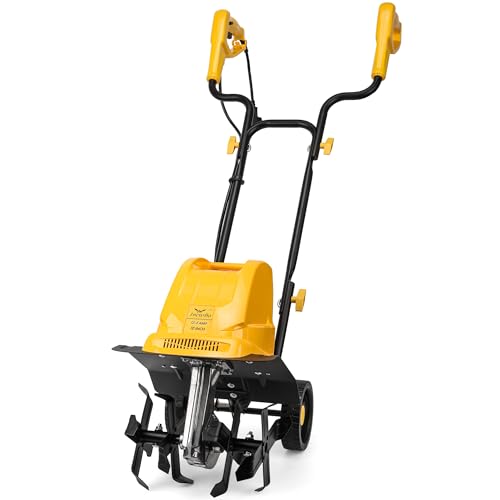
IncwBo 12-Inch 13.5-Amp Electric Roto Tiller Cultivator

Seesii 40V Cordless Tiller Cultivator, 12-Inch
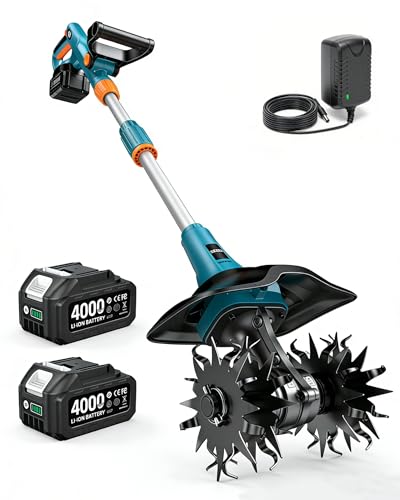
Seesii 20V Cordless Tiller Cultivator

IncwBo 12-Inch 8.5-Amp Corded Garden Tiller
IncwBo 12-Inch 10.5-Amp Electric Roto Tiller Cultivator

IncwBo 12-Inch 15-Amp Electric Roto Tiller Cultivator

Honda FG110 Mini Tiller Cultivator (FG110KiAT)

BILT HARD 14-Inch 10-Amp Electric Tiller Cultivator

Seesii 20V Mini Cordless Tiller Cultivator
The Strengths Of Each Pick
For gardeners who prefer silence and zero fuel over speed, the Garden Weasel Double-Sided Cultivator is a refreshing throwback. Three angled steel prongs bite into loose or recently worked soil, and a twist of the handle does the actual cultivating, no motor required.
You will not break ground with this tool, but for maintenance passes between plantings in raised beds it earns its place in the shed. Compared with the corded electrics on this list, you trade raw power for total control and zero noise.
A Few Highlights
- Hand-powered action means no cord, battery, or fuel to manage
- Double-sided head lets you push and pull through the same row
- Light enough for raised bed work without compacting soil further
- Steel tines resist bending in normal garden loam
Things To Consider
- Real effort goes into tougher patches, so it suits soft soil best
- Limited reach into compacted or clay-heavy ground without prep work
Best Suited To
Small-space gardeners maintaining already-loose soil who want a quiet, no-fuss tool.
Look Elsewhere When
You are breaking new beds for the first time and need the IncwBo 12-Inch 13.5-Amp Electric Roto Tiller Cultivator instead.
Step up to a 13.5-amp corded motor and the IncwBo punches well above the typical small-garden class. It cuts a 12-inch path and digs 8 inches deep, which is enough to turn a neglected strip of lawn into a workable bed in a single weekend.
Four steel tines take the brunt of the work, and a metal guard keeps flying debris away from your feet. The trade-off, of course, is the cord, so plan your outlet strategy before you start.
A Few Strong Suits
- High-amperage motor that handles compacted soil without bogging
- 12-inch swath covers a raised bed quickly
- Steel tines stay sharp through repeated rocky encounters
Trade Offs
- Corded design limits reach to wherever an extension cord allows
- Heavier than handheld or 20V options, so longer sessions tire the arms
Feature Snapshot
Made For
Gardeners converting lawn or compacted beds who need serious muscle in a manageable footprint.
Swap It Out When
You would rather skip the cord and reach for the Seesii 40V Cordless Tiller Cultivator, 12-Inch.
The 40V Seesii takes the cord-free convenience of a smaller cultivator and pairs it with the torque you would expect from a corded mid-size. Four steel tines and a 320W motor work through clay and stubborn roots that would stall lighter tools.
Maneuverability is the real win here: you can pivot around established plants and squeeze into corners that would tangle a cord. Battery life depends on how hard you push, so owning a spare helps for back-to-back beds.
Positive Points
- 40V platform delivers gas-like confidence without the noise
- Compact 12-inch frame pivots neatly in tight layouts
- Steel tines handle compacted and root-heavy ground
Points To Keep In Mind
- Battery runtime shrinks in dense or wet soil
- Bulkier than the 20V sibling, so storage needs planning
Who It Suits Best
Home growers with multiple beds who want cordless reach without giving up digging power.
Reach For A Different Pick When
You only need a quick touch-up between plantings and would prefer the lighter Seesii 20V Cordless Tiller Cultivator.
The 20V Seesii frames itself as a do-everything cultivator: till, mix, loosen, and aerate with the same head. It is small enough for one-handed steering between established plants, which is exactly what tight flower beds and herb patches call for.
Power is modest by design, so treat it as a refinement tool rather than a ground-breaker. Pair it with a hand fork for the first pass and it earns its keep across the whole growing season.
Where It Delivers
- Multi-purpose head handles tilling, mixing, and aerating
- Lightweight 20V platform keeps wrist and shoulder fatigue low
- Simple assembly gets you into the soil within minutes
Small Caveats
- Less torque than the 40V Seesii for tough soil
- Battery drain accelerates when breaking new ground
Right Fit For
First-time tiller owners with established beds who mainly need loosening and weeding between rows.
A Better Fit Elsewhere
You regularly open new beds and would benefit more from the IncwBo 12-Inch 10.5-Amp Electric Roto Tiller Cultivator.
The 8.5-amp IncwBo is the gentlest entry into corded tilling, sized for home plots that have been turned at least once. It shares the same 12-inch cutting width as its stronger siblings, but with a lighter motor that asks more of the gardener on hard ground.
For a small kitchen garden or herb bed, that compromise often feels like a feature rather than a flaw. You stay in control, hear the soil instead of the motor, and finish the job without exhausting yourself.
Points In Its Favor
- Manageable power for soft to medium soil types
- Same 12-inch coverage as bigger IncwBo models
- Light frame suits gardeners who prefer slower, deliberate passes
Honest Caveats
- Stalls in clay or root-bound ground without prep
- Still tethered to an extension cord for the full session
Spec Overview
Who Should Grab It
New gardeners with already-worked soil who want a tiller that stays easy to handle.
Consider Something Else When
You have heavy clay and would rather not babysit a smaller motor, in which case the IncwBo 12-Inch 15-Amp Electric Roto Tiller Cultivator fits better.
The 10.5-amp IncwBo sits right in the middle of this lineup, with enough muscle for spring bed prep without the bulk of the 15-amp model. You still get the 12-inch rotor width and 8-inch depth that define the family.
It is the kind of tool that disappears into the routine: walk it across the bed, let the tines do the work, then move on. For most small gardens that is exactly the right level of involvement.
Everyday Perks
- Middle-tier motor suits a wide range of soil conditions
- 12-inch width handles raised beds in two clean passes
- Compact frame stores in a small shed or garage corner
Room For Improvement
- Corded design means planning around the nearest outlet
- Not the strongest choice for first-time ground breaking
Built With In Mind
Gardeners maintaining a rotation of small beds who want one tiller that handles most tasks without strain.
Skip It When
You want to step away from extension cords entirely and the Seesii 40V Cordless Tiller Cultivator, 12-Inch makes more sense.
At the top of the corded IncwBo range, the 15-amp version exists for the parts of the garden other tillers simply will not touch. Hard-packed earth, neglected borders, clay that has not seen a fork in years: this is where it earns its keep.
The 12-inch rotor and 8-inch depth match the rest of the family, so handling stays familiar. You will still wrestle the cord, but the motor rarely gives up first.
Useful Highlights
- 15-amp motor drives through stubborn, compacted soil
- Four steel tines built for sustained heavy use
- Replaces a shovel on the worst patches of the yard
Less Ideal Details
- Heavier than the 8.5-amp and 10.5-amp siblings
- Overkill for soft, frequently tended beds
Perfect Match For
Home growers dealing with difficult soil who want the strongest corded option in a compact frame.
Where A Sibling Pick Shines
You mostly work loose soil and would be happier with the lighter IncwBo 12-Inch 8.5-Amp Corded Garden Tiller.
The Honda FG110 stands apart as the only gas-powered option in this roundup, and it earns that distinction with a Honda GX25 four-stroke engine. The hybrid tine design digs and cultivates in a single pass, so bed prep feels more like a walk than a workout.
There is no cord, no battery, and no hunting for an outlet mid-row. You trade quieter electrics for the kind of all-day range that suits larger small gardens and remote plots.
Everyday Advantages
- Honda GX25 engine known for reliable, easy starting
- Hybrid tines handle both digging and surface cultivation
- True off-grid use without cords or charged batteries
Points To Note
- Gas engine adds noise and routine maintenance
- Heavier than the electric and cordless options here
Whose Shelf It Belongs On
Gardeners with larger plots, no nearby outlet, or simply a preference for gas reliability in a small-footprint tiller.
Not Your Match When
You only need gentle bed maintenance and would be happier with the Seesii 20V Mini Cordless Tiller Cultivator.
The BILT HARD leans into convenience: a 14-inch cutting width for fewer passes, four rust-resistant steel tines for clean slicing, and a foldable handle that collapses flat in seconds. At roughly 18 pounds, it is light enough to lift into a car for a community garden trip.
Two-position 6-inch wheels adjust for transport or working depth, which makes the gap between beds far less awkward. It is the most stow-friendly tiller in this lineup.
Useful Strengths
- Wider 14-inch swath finishes beds faster than 12-inch rivals
- Foldable handle saves wall space in small sheds
- Two-position wheels ease movement between beds
Some Limits To Know
- Corded power still limits reach to extension-cord length
- Wider frame is harder to pivot in narrow rows
Quick Technical Notes
Best Suited To
Gardeners with limited storage who still want a wide cutting path for fast bed prep.
Where Another Pick Suits Better
You prefer working without a cord and should consider the Seesii 40V Cordless Tiller Cultivator, 12-Inch.
The Seesii 20V Mini is built for one-handed use over long sessions. At roughly 2.6 pounds with a battery, it is the lightest cultivator on this list and the easiest one to recommend to anyone who has put down a heavier tool mid-row.
Two 2.0Ah batteries ship in the box, so a quick swap keeps you moving through multiple small beds. Think of it as a powered hand fork: not for breaking new ground, but ideal for weeding, aerating, and refreshing established soil.
Advantages To Know
- Featherlight body suits seniors and small-frame gardeners
- Two batteries included for back-to-back sessions
- One-hand control reduces fatigue on long weeding days
Practical Considerations
- Not designed to break new or compacted ground
- Smaller working width means more passes per bed
Who Will Love This
Gardeners with light maintenance work, limited strength, or a need for a portable tool they can carry anywhere.
Not Your Match When
You need real digging torque and would be better served by the IncwBo 12-Inch 15-Amp Electric Roto Tiller Cultivator.
Choosing The Right Sized Tiller For Tight Garden Spaces
Match The Tool To Your Soil, Not The Other Way Around
The honest first question is what kind of soil you actually have. Soft, frequently worked loam barely needs more than a hand cultivator like the Garden Weasel, while neglected clay will stall anything under 10 amps. Bed size matters just as much: a 12-inch rotor is plenty for most raised beds, but a 14-inch BILT HARD cuts those passes nearly in half. Choosing a tiller you can comfortably store and carry to the bed matters more than raw power on paper.
Corded, Cordless, Or Gas
Corded electrics deliver consistent power at a lower outlay, but every pass is anchored to an extension cord. Cordless platforms like the Seesii 40V buy real freedom and cost you in runtime and battery expense. Gas, in the form of the Honda FG110, removes every cord and runtime concern but adds noise, fuel, and engine care. For a small garden, the cordless 20V and 40V options hit the sweet spot for most people, with corded as a dependable fallback.
Tines, Weight, And Long-Term Care
Four steel tines are the standard, and rust-resistant coatings extend their life in damp climates. Lighter tillers are easier to lift into raised beds but bounce more in hard soil, so a slightly heavier unit often tills more smoothly. Wipe tines after each session, store indoors, and check for loose hardware every few months. Treat a small tiller well and it tends to outlast its warranty.
Key Considerations Across These Picks
Pitfalls Shoppers Hit
The most common mistake is buying a tiller that is either too small for clay soil or too wide for the bed you actually have. Measure your beds before you shop, and remember that a wider tiller is not always faster in tight layouts. Skipping the cordless battery cost is another trap: budget for a second battery if you choose a 20V or 40V platform, since runtime shrinks fast in heavy soil.
When Paying More Pays Off
Stepping up from a 10.5-amp corded model to a 15-amp or 40V cordless is worth it once your garden grows past a single small bed. You pay for less stall-out, fewer passes, and a tool that does not need babysitting. The Honda FG110 earns its premium if you want gas reliability and off-grid use, but for most home growers the mid-tier electric and cordless options deliver everything that matters.
Frequently Asked Questions
What size tiller do I need for a small raised bed?
A tiller with a 12-inch cutting width and 8-inch depth covers most standard raised beds in two passes. The Seesii 20V and IncwBo 8.5-amp models fit that profile well, and either can be lifted over bed walls without strain.
Are cordless tillers strong enough for a small garden?
Yes, on 40V platforms especially. The Seesii 40V Cordless Tiller Cultivator handles compacted and root-heavy ground that would stall smaller 20V tools, with the trade-off of heavier batteries and shorter runtime.
How deep do small garden tillers dig?
Most corded and cordless tillers in this size class dig 8 to 8.7 inches, which is enough for the root zone of common vegetables. The BILT HARD 14-Inch reaches the deepest at 8.7 inches for growers who want a little extra margin.
Can I use a tiller in already planted beds?
Handheld cultivators and small cordless models like the Seesii 20V Mini work well between established plants. Full-width electric tillers are better reserved for bare beds before planting.
How do I maintain a small electric tiller?
Wipe the tines after each session, store the tool indoors, and inspect bolts and guards every few months. Cordless models benefit from partial-charge storage during the off-season to extend battery life.
Wrap Up
A small garden rewards tools that respect the space, so the best tiller is the one that fits your soil, your bed layout, and how you like to work. Start with what you actually need to accomplish this season, lean toward a comfortable weight, and choose a power source you will not dread hauling out again.
