

Turning a patch of packed dirt into a workable bed takes the right tool matched to your soil, your plot, and your patience. Hand cultivators, corded rototillers, and battery-powered cultivators each carve out a different role in the lineup. This roundup sorts through ten options suited to raised beds, kitchen gardens, and small-acre plots, so you can match your ground to the machine that handles it best.
A Closer Look At The Lineup

Garden Weasel Double-Sided Garden Cultivator/Tiller
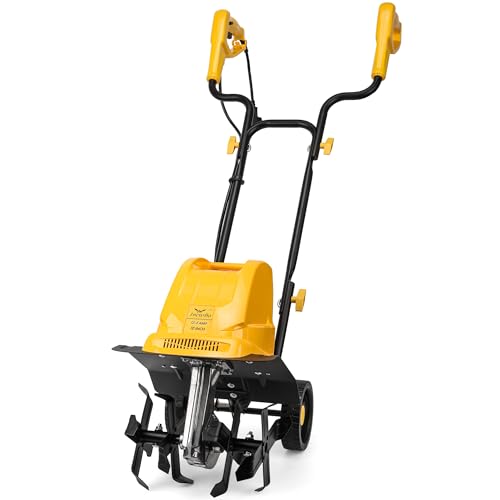
IncwBo 12” 13.5-AMP Electric Roto Tiller Cultivator

Seesii 40V Cordless Tiller, 12” Cultivator
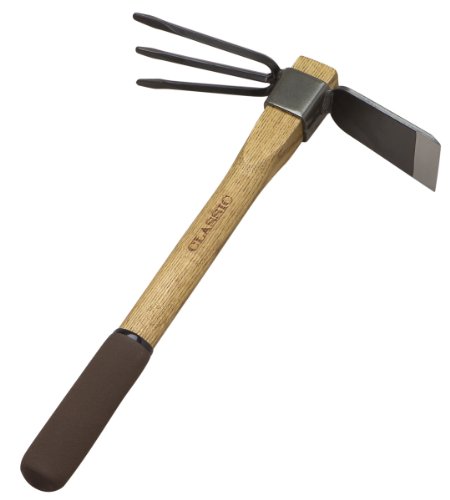
Flexrake CLA105 Classic Flower and Vegetable Tiller
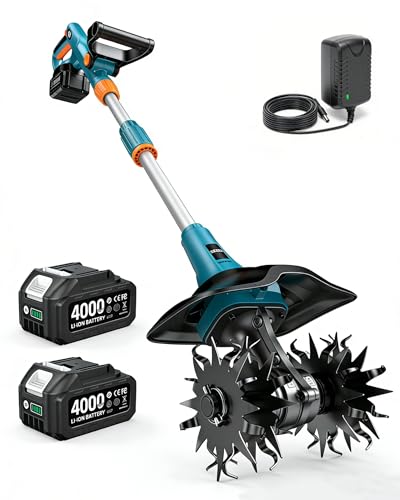
Seesii 20V Cordless Tiller Cultivator

IncwBo 12” 8.5-AMP Corded Garden Tiller
IncwBo 12” 10.5-AMP Electric Roto Tiller


Honda FG110 Mini Tiller Cultivator

Mini Cordless Tiller Cultivator, 20V
Before the batteries and the amps take over, this Garden Weasel cultivator anchors the list with nothing but elbow grease. The tool is a three-pronged hand cultivator that straddles the bed with a long handle, letting you rake, aerate, and break the top crust of soil without firing up a motor.
For tight plots where a plug or battery feels excessive, this design keeps things controlled. You get a feel for the soil texture and root depth that no machine offers, and the tool stores flat against a shed wall. It rewards slow, methodical garden work.
Well-Handled Touches
- Long handle reduces back strain during extended weeding sessions
- Three-pronged head tackles aeration, weeding, and shallow cultivation in one tool
- No fuel, cord, or charging time means you can step out and start working immediately
- Compact footprint suits narrow raised beds and container gardens
- Lifetime of use with only seasonal cleaning and a dry storage spot
Points To Keep In Mind
- Hard, dry, or rocky ground can wear down the prongs faster than expected
- Performance slows considerably on compacted clay where a powered tiller would be faster
- Manual work over a large vegetable patch demands real stamina
Who It Suits Best
Small-plot gardeners and raised bed growers who value quiet operation and full control over every stroke.
Where Another Pick Suits Better
The Honda FG110 Mini Tiller Cultivator covers ground much faster when a starter bed spans more than a few square meters.
Where the Garden Weasel stops, this IncwBo corded tiller picks up the job. The 13.5-amp motor pushes four steel tines into soil with steady force, and the 12-inch working width covers a meaningful strip on each pass.
Plug-in power suits gardeners who already have an outdoor outlet near the bed. You skip charging cycles and fuel mixing, and you trade that for a cord to manage. For new lawns-to-garden conversions or a one-time soil overhaul, the work goes quickly.
Strengths Worth Knowing
- Strong motor cuts deeper into packed ground than battery units of similar size
- Wide tilling swath finishes a starter bed in fewer passes
- Push-button start removes pull-cord frustration
- Stable housing holds up to repeated contact with stones and roots
Trade-Offs To Consider
- Power cord limits reach and requires careful routing around the work area
- Heavier build can wear out wrists during longer sessions
- Hard-packed or rocky soil may still cause the unit to bounce
Right Fit For
Mid-to-large vegetable plots with a nearby outlet and soil that needs real mechanical bite.
Skip It When
The Seesii 40V Cordless Tiller is a smarter pick for gardeners working far from any power source.
Stepping away from corded territory, the Seesii 40V brings battery flexibility to a familiar 12-inch tilling footprint. The cordless design frees you to work at the far end of a yard, behind a shed, or in any spot where running extension cable is a hassle.
You give up a little raw power compared to the IncwBo corded units, but the trade feels reasonable for everyday garden prep. The 40V platform handles clay and compacted beds in moderate runs, then docks for a recharge between sessions. For mixed yards with multiple beds, this tiller keeps the pace going.
The Value In It
- No cord means safer routing around established plants and pathways
- Battery platform often shares cells with other garden tools from the same brand
- Lower noise profile compared to gas alternatives keeps neighbors happy
- Compact form factor stores in a standard garden shed corner
- Reasonable runtime for medium beds on a single charge
Honest Caveats
- Battery runtime drops noticeably in dense or wet soil conditions
- Extra battery adds to the total ownership cost for uninterrupted sessions
Feature Snapshot
Made For
Gardeners tending multiple separated beds who want portable power without fuel mixing.
Not Your Match When
The IncwBo 12” 15-AMP Electric Roto Tiller suits you better for long unbroken stretches of heavy clay.
The Flexrake CLA105 steps back from modern power tools toward older gardening traditions. A carbon steel head sits on a wooden oak handle, the kind of construction that has not changed much across generations of gardeners.
Compared to the Garden Weasel earlier in the list, this Flexrake offers a longer reach and a stiffer blade profile. You trade the rotating claw action for a chopping, lever-style cultivation that breaks crusted soil in flower beds and small vegetable rows. It feels substantial in the hand and ages into a comfortable rhythm.
Where It Excels
- Heat-treated carbon steel head holds an edge through seasons of use
- Oak handle offers a warm grip that stays comfortable across cool mornings
- Heritage styling suits gardeners who prefer traditional tools over motorized options
- Durable construction tolerates rough storage in sheds and garages
Where It Is Less Suited
- Wooden handle benefits from occasional oiling to prevent drying and splitting
- Manual blade work is slower than the three-pronged Garden Weasel on loose soil
- Less effective on heavily compacted ground that resists penetration
Who Will Love This
Heritage-minded gardeners and cottage-style flower bed keepers who appreciate time-tested hand tools.
Look Elsewhere When
The Mini Cordless Tiller Cultivator, 20V Electric Rototiller saves serious time for anyone with joint concerns or larger beds.
The Seesii 20V sits a tier below the 40V model reviewed earlier, with a lighter battery and a more compact build. It targets gardeners who want a multi-task cultivator rather than a deep-digging workhorse.
Think of it as the in-between tool for breaking up existing beds, mixing compost into the top layer, and aerating around perennial plantings. Where the IncwBo corded models aim to break raw ground, this Seesii handles the repeat visits through a growing season. The 20V battery keeps the unit light enough for one-handed maneuvering in tight borders.
Positive Takeaways
- Lighter battery reduces arm fatigue during repeat cultivation sessions
- Compact size navigates tight rows between established plants
- Reasonable swap-in for mixing compost and amendments into topsoil
- Quieter operation suits early morning or evening garden visits
Possible Compromises
- Limited torque means slower progress on hard-packed soil
- Battery life constrains how much ground you can cover in one session
Best Suited To
Recreational gardeners maintaining established beds rather than breaking new ground from scratch.
Reach For A Different Pick When
The IncwBo 12” 13.5-AMP Electric Roto Tiller Cultivator handles tougher first-time soil work with more authority.
For gardeners dipping a toe into powered tillage, this 8.5-amp IncwBo offers a softer entry point than its higher-amp siblings. The motor handles the same 12-inch tilling width but with less aggressive bite, which translates into easier handling for first-timers.
You lose some of the deep-cutting force that the 13.5-amp and 15-amp models bring, but you gain a lighter, less intimidating tool. For a freshly turned bed or a modest kitchen garden, the work feels manageable without much prior experience. The corded design still means planning your reach around outdoor outlets.
What It Does Well
- Lighter chassis is approachable for gardeners new to powered cultivators
- Lower amp draw suits standard household outdoor circuits
- Compact build stores easily in small sheds and garage corners
- Push-button start avoids the learning curve of gas pull cords
Practical Considerations
- Lower motor output can stall in heavy or wet soil
- Power cord still demands careful routing to avoid tangling in tines
Quick Facts
Whose Shelf It Belongs On
First-time powered-tiller shoppers working on modest plots with reasonable soil conditions.
A Better Fit Elsewhere
Reaching for the IncwBo 12” 15-AMP Electric Roto Tiller Cultivator makes more sense for clay-heavy ground that stalls this gentler motor.
Sitting between the 8.5-amp entry model and the 13.5-amp workhorse, this 10.5-amp IncwBo covers the middle ground. The motor offers more bite than the beginner option without the heavier price tag of the top-tier corded unit.
For gardeners with a few seasons of soil work behind them, this tiller hits a comfortable stride. It handles previously worked ground with ease and pushes into moderately compacted beds with a steady, controlled pull. The corded design still keeps you tethered, but the extra muscle softens that limitation on most residential plots.
A Strong Showing
- Mid-tier motor handles most residential soil types with consistent performance
- Maintains the same 12-inch working width as other IncwBo corded models
- Reasonable weight balances power and maneuverability for average users
- Stable footprint during operation reduces operator fatigue
Things To Weigh Up
- Stalls in extremely rocky soil where higher-amp models keep turning
- Heavier than the 8.5-amp version, which may tire out smaller-framed users
Perfect Match For
Mid-size plot owners who want a confident performer without paying for the top corded spec sheet.
Another Choice May Suit
The Seesii 40V Cordless Tiller is a smarter match for gardeners who need freedom from extension cords.
At the top of the IncwBo corded lineup sits this 15-amp roto tiller, aimed at gardeners who push into harder soil. Compared to the 8.5-amp and 10.5-amp siblings earlier in the list, this unit holds its pace through clay, root-heavy ground, and compacted lawn conversions.
You trade lighter handling for raw digging force. The chassis carries extra weight that helps the tines dig in rather than skate across the surface, which feels like a real advantage on stubborn patches. Power supply still matters here, so a sturdy outdoor extension cord and a dedicated circuit keep the motor running at full strength.
Everyday Advantages
- Highest amp rating in the corded IncwBo range handles the toughest backyard soil
- Stable chassis weight keeps tines engaged without operator pressure
- Push-button start remains simple despite the muscle under the hood
- Suitable for breaking new ground from a former lawn or weedy patch
Worth Bearing In Mind
- Heavier build demands more strength to maneuver around the plot
- Corded operation still requires careful management on larger areas
Feature Card
Built With In Mind
Serious home gardeners converting lawn to bed, or anyone wrestling with clay-heavy, compacted soil.
Swap It Out When
The Honda FG110 Mini Tiller Cultivator suits those who want gas-engine reliability and cord-free reach at the cost of fuel mixing.
The Honda FG110 is the gas-engine option in this lineup, leaning on the Honda GX25 mini four-stroke motor. A four-stroke engine runs on straight gasoline, with no oil mixing, and it brings a different kind of torque profile than the corded and battery units reviewed so far.
Where corded tillers cap out at 15 amps and battery models trade runtime for portability, the FG110 keeps working through longer sessions without recharging. You get the noise, the pull-cord start, and the small-engine maintenance, in exchange for unrestricted reach and dependable digging force across larger home plots.
Notable Gains
- Four-stroke engine delivers steady torque without battery drain or cord limits
- Hybrid tine design handles both digging and cultivating in one pass
- Compact frame remains manageable despite the gas power plant
- Honda reputation for reliability among small-engine garden tools
Some Limits To Know
- Pull-cord starting can be a hurdle for gardeners used to push-button electrics
- Gasoline and engine maintenance add ownership steps beyond corded tools
Technical Highlights
Who Should Grab It
Home growers needing cord-free runtime and the digging force of a small gas engine.
Consider Something Else When
The IncwBo 12” 15-AMP Electric Roto Tiller is the quieter, lower-maintenance alternative for plots within cord reach.
Closing the list is the lightest entry, a 20V cordless mini cultivator that aims at gardeners who want nimble handling above raw digging force. The compact body suits one-handed use in shallow beds and container gardens.
Compared to the larger Seesii 20V model reviewed earlier, this unit trims size and weight to reach into spots the bigger tillers cannot. You sacrifice deep penetration for accessibility, which trades well for seniors, casual growers, and anyone tending small kitchen gardens with loose, well-tended soil.
A Favorable Mix
- Compact and lightweight design reduces strain during longer sessions
- Cordless design reaches balcony planters and indoor garden setups
- Quieter operation fits shared outdoor spaces and early-hour gardening
- 20V battery platform is widely supported by other garden tools in its lineup
Worth Noting
- Limited digging depth makes it less suited for breaking raw ground
- Smaller tine size means more passes for larger beds
The Right Fit
Casual gardeners, seniors, and balcony growers who want minimal-effort cultivation in confined spaces.
Not Your Match When
The Seesii 40V Cordless Tiller offers the extra digging force needed for fresh ground preparation.
Picking The Right Tiller For Your Ground
Soil type sets the first boundary when choosing a tiller. Sandy, previously worked beds yield to almost any tool, while clay-heavy or compacted plots demand higher amp ratings, gas-engine torque, or the leverage of a strong hand cultivator. Plot size follows close behind: a balcony garden and a quarter-acre conversion live in completely different tool worlds.
For power source, corded electric tillers deliver steady runtime within reach of an outlet. Battery models trade that for portability and quieter operation, though runtime becomes the limiting factor. Gas tillers, like the Honda FG110, remove both cord and battery limits at the cost of noise and routine engine care. Hand tools reward patience and small-scale work without any fuel or charging considerations at all.
Tilling width and depth matter more than motor wattage on paper. A 12-inch swath covers a raised bed in a few passes, while an 8-inch tool stretches the same job across many slow laps. Storage footprint and weight influence how often you actually pull the tool out of the shed, so consider your tolerance for lifting before locking in a heavier unit.
Key Considerations Across These Picks
Common Buying Traps
Buying a tiller with more raw power than your plot needs often creates more frustration than benefit. Heavier tillers bounce on loose soil rather than dig in, and oversized units are awkward to store in a small shed. Confirm the working width fits your narrowest pathway, since garden gates and shed doors often dictate tool size more than plot area does.
Where The Extra Money Goes
Higher-tier corded and gas tillers earn their place through stronger motors, longer-lasting tines, and sturdier chassis construction. The extra cost shows up in fewer stalls on rough ground and a longer service life under regular use. For occasional seasonal work, a mid-tier electric unit covers most needs without the heavier price tag.
Frequently Asked Questions
How deep do these tillers actually dig?
Most electric and battery tillers in this list reach around 8 inches into loose soil, with reduced depth in compacted clay. The Honda FG110 digs to a similar range with steady engine torque. Hand cultivators work the top 3 to 4 inches effectively.
Can I use a corded tiller in a large backyard?
Yes, as long as a heavy-duty outdoor extension cord reaches the work area. Many gardeners run a 50-foot or 100-foot cord from a garage outlet. For plots past typical cord range, a battery or gas tiller removes that constraint.
What is the difference between a tiller and a cultivator?
A tiller breaks and turns compacted ground, while a cultivator works already loose soil to mix amendments, aerate, and weed. Many tools in this list serve both roles depending on the tine configuration and soil condition.
Are battery tillers strong enough for clay soil?
Battery tillers with 40V platforms handle clay in short bursts, especially when soil moisture is moderate. Dense, dry clay pushes them toward stalling, where corded 13.5-amp or 15-amp units hold a steadier pace.
How do I maintain a tiller between seasons?
Clean soil and debris from tines after each use, dry metal parts before storage, and check fasteners for tightness. Gas models need fresh fuel, oil level checks, and occasional air filter cleaning. Corded models need only a careful cord inspection before the next season.
Closing Remarks
The right tiller matches your soil, your plot size, and your tolerance for cords, batteries, or engine care. Hand cultivators anchor small beds with quiet precision, while corded and battery units scale up for bigger garden prep. Match the tool to the ground in front of you, and the work goes faster with less frustration.
