

A flat patch of lawn looks fine until the season turns and you want a bed of tomatoes, a row of beans, or a fresh border of flowers. Then the ground underneath reveals what it’s really made of: compacted clay, hidden roots, and weeds that don’t want to leave. A good home garden tiller turns that mess into workable soil without wrecking your back or your weekend.
You don’t need a farm-grade machine for a few raised beds. You need the right size, the right power source, and the right tine setup for the soil you actually have. Cordless models trade raw grunt for freedom. Corded electric tillers deliver steady torque as long as you stay near an outlet. Hand tools ask for nothing but muscle and patience. The list below walks through ten options across all three categories, with honest notes on who each one genuinely suits.
The Leading Options At A Glance

Garden Weasel Double-Sided Garden Cultivator/Tiller
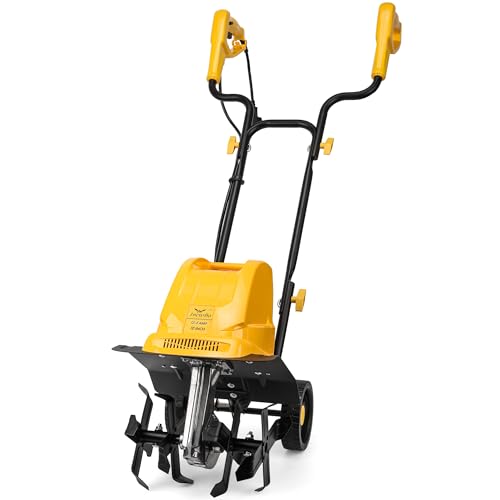
IncwBo 12” 13.5-AMP Electric Roto Tiller Cultivator

Seesii 40V Cordless Tiller for Gardening, 12″
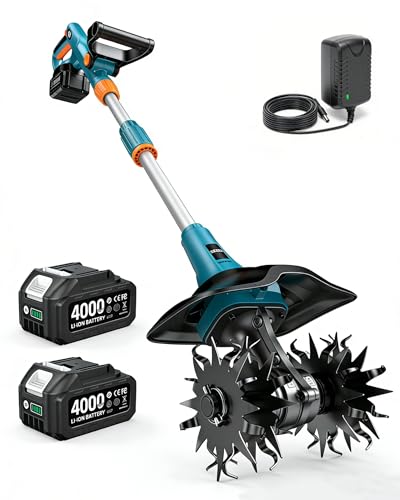
Seesii Cordless Tiller Cultivator, 20V

IncwBo 12” 8.5 AMP Small Electric Corded Garden Tiller
IncwBo 12” 10.5-AMP Electric Roto Tiller Cultivator

IncwBo 12” 15-AMP Electric Roto Tiller Cultivator

Honda FG110 Mini Tiller Cultivator (FG110KiAT)

BILT HARD Electric Tiller Cultivator 14 inch, 10 Amp

Mini Cordless Tiller Cultivator, 20V Electric Rototiller
The Details Behind The Selections
Sometimes the best tool is the one that needs no motor, no cord, and no battery. The Garden Weasel Double-Sided Garden Cultivator is a three-pronged hand tool designed to slice into loose soil, break up crusted patches, and pull weeds in a single motion. You twist it by hand, and the curved tines dig in and out as you roll it forward.
It shines in established beds where you mostly need to refresh the top inch or two of soil between plantings, not break new ground. For a small kitchen herb patch or a tidy row of annuals, the speed and quiet of a hand tool beats dragging out a power tiller. The double-sided design lets you flip the head to match the chore without swapping parts.
Useful Touches
- No fuel, no power cable, no charging wait, so you can use it the day it arrives
- Light enough for raised-bed work without compressing loose soil under your feet
- Compact size stores in a small shed or hangs on a wall hook
- Twin tine heads handle both shallow weeding and deeper aeration in one tool
Things To Consider
- Working a full backyard bed by hand takes real time and shoulder endurance
- Compacted or clay-heavy ground asks for more downward force than a powered tiller
- Steel tines can collect rust over time and benefit from a light oil wipe before winter storage
Whose Shelf It Belongs On
Small-space gardeners tending flower borders, herb patches, or a single raised bed who want a quiet, zero-maintenance tool.
Skip It When
You’d rather step up to the IncwBo 12” 8.5 AMP Small Electric Corded Garden Tiller, which handles a full rectangular bed in a fraction of the time.
The jump from a hand cultivator to a powered tiller is where garden prep changes from a chore into a quick Saturday job. The IncwBo 12” 13.5-AMP Electric Roto Tiller Cultivator pushes a 12-inch-wide rotor through soil up to 8 inches deep, with four steel tines doing the cutting work. It plugs into a standard outlet and starts with a button push, no choke, no fuel mixing.
For homeowners turning a section of lawn into a vegetable patch or refreshing a long border, the 13.5-amp motor sits in a comfortable middle ground. It pushes deeper than the entry-level IncwBo 8.5-amp model, but you stay within the corded-electric category where power delivery stays steady. You trade mobility for torque, which is the right call when you’re working close to a garage outlet.
Notable Upsides
- Eight-inch tilling depth reaches below the usual grass-root layer for cleaner bed conversion
- Push-button start removes the learning curve that gas engines bring
- Twelve-inch pass width strikes a workable balance between coverage and maneuverability
- Steel tines hold up to the occasional small rock without bending the rotor
Worth Noting
- Cord management matters with a corded unit, so a basic extension cord rated for outdoor use helps
- The metal baffle that controls soil throw does collect debris and needs a brush-down after each session
Feature Card
Best Suited To
Homeowners converting lawn to garden beds within reach of an outdoor outlet who want deeper tillage than entry-level corded units offer.
Look Elsewhere When
Your beds sit far from any outlet. The Seesii 40V Cordless Tiller for Gardening, 12″ frees you from the cord at the cost of total power.
Cordless garden tools earn their keep when your best soil sits at the far corner of the yard, away from any outlet. The Seesii 40V Cordless Tiller for Gardening, 12″ runs on a 40-volt battery platform that delivers more torque than the typical 18V or 20V garden tools. Four steel tines handle compacted ground, clay patches, and the occasional stubborn root without bogging down.
What sets it apart from the smaller Seesii 20V Cordless Tiller Cultivator below is the willingness to keep cutting when the soil fights back. Gardeners with raised beds scattered across a property, or anyone prepping a brand-new plot in the back forty, get genuine freedom from the cord. Maneuvering around tomato cages, fruit bushes, and fence lines becomes a one-person job without an extension cord trailing behind.
Everyday Perks
- 40V battery output handles soil the smaller 20V class struggles with
- Compact form factor reaches raised beds and narrow paths that bigger tillers can’t
- Zero runtime noise compared with gas, a real plus in close-neighbor yards
- Swappable battery platform pairs with other Seesii 40V tools you may already own
Trade Offs
- Battery runtime depends on soil density, so a spare pack is useful for bigger plots
- Steel tines and motor housing collect dried soil and benefit from a quick post-job brush
- Cost runs higher than a basic corded tiller because the battery platform carries a premium
Right Fit For
Off-grid gardeners with multiple beds spread across a property who want gas-like torque without the gas.
A Better Fit Elsewhere
For a tighter budget and a single small bed, the IncwBo 12” 8.5 AMP Small Electric Corded Garden Tiller covers the same tilling width for less money.
Home gardens rarely have just one job. The Seesii Cordless Tiller Cultivator, 20V markets itself as a four-in-one tool, breaking hard ground, mixing compost, loosening compacted soil, and aerating established beds. The 20V platform keeps weight and cost down compared with the larger 40V Seesii model above, while still freeing you from extension cords.
This is the “do a little of everything” pick. Gardeners who already own a 20V battery platform find the swap-and-go convenience hard to beat. For someone juggling a kitchen garden, a flower border, and a few containers in the same afternoon, a lighter tiller that handles all three is more useful than a heavier tool that only excels at one.
Advantages To Know
- Lower weight than 40V alternatives means longer sessions without arm fatigue
- Multi-purpose design reduces the need for separate cultivator and aerator tools
- Battery operation lets you reach a community garden plot with no infrastructure
- Quieter than gas neighbors can hear, even during evening sessions
Honest Caveats
- 20V output won’t push through truly compacted clay like the 40V Seesii 40V Cordless Tiller can
- Battery charge cycles vary with soil resistance, so deep tilling may need a backup pack
- Plastic housing components around the tine guard can wear faster than metal equivalents
Made For
Multi-bed gardeners with light-to-medium soil who want one cordless tool for tilling, mixing, and aerating throughout the season.
Reach For A Different Pick When
Your soil is heavy clay or your beds are large. The IncwBo 12” 15-AMP Electric Roto Tiller Cultivator brings corded power that doesn’t quit on tough ground.
New gardeners often over-buy. The IncwBo 12” 8.5 AMP Small Electric Corded Garden Tiller is the right place to start if you want a powered tiller without the price jump to a mid-range motor. It tills a 12-inch-wide path up to 8 inches deep, the same working dimensions as the bigger IncwBo 13.5-AMP model, but with a more modest motor that asks less of your home circuit.
The trade-off shows up in dense soil. The 8.5-amp motor handles previously worked garden beds and light lawn conversion just fine, but if you’re breaking ground that hasn’t been turned in years, expect to work in shorter passes. Beginners benefit from the lighter weight and gentler learning curve.
Positive Takeaways
- Same 12-inch width as higher-amp IncwBo models for familiar coverage
- Lower amp draw runs comfortably on a standard outdoor outlet
- Lighter frame suits gardeners who find heavier tillers tiring
- Press-button start skips the gas-engine learning curve entirely
Points To Keep In Mind
- Less torque than the 13.5-AMP IncwBo on the same soil, so passes may need to overlap
- Corded design requires an outdoor-rated extension cord for full yard reach
- Tine cleaning after each session prevents soil buildup from hardening on the rotor
Who It Suits Best
First-time tiller shoppers with light-to-medium soil and a small-to-medium bed who want power without paying for capacity they won’t use.
Swap It Out When
Your ground is hard-packed clay. The Honda FG110 Mini Tiller Cultivator (FG110KiAT) brings a gas engine that doesn’t slow down on tough soil.
Most home gardeners don’t need either end of the power spectrum. The IncwBo 12” 10.5-AMP Electric Roto Tiller Cultivator sits between the 8.5-AMP beginner model and the 13.5-AMP heavy hitter, with a motor rating that handles the soil most backyards actually have. Same 12-inch width, same 8-inch working depth, just more pull when the tines bite in.
For weekly tilling during the growing season, the extra amps translate to fewer stalls on damp spots. The rotor maintains momentum where the entry-level model would bog down. Pair it with an outdoor extension cord and you’re set for most backyard bed work without crossing into gas-tiller territory.
What Stands Out
- Middle-of-the-road amp rating covers the widest range of home soil types
- Twelve-inch pass width lines up with standard raised-bed footprints for tidy coverage
- Steel tines handle damp soil better than smaller-amp equivalents
- Corded power means no battery runtime anxiety during long sessions
Less Ideal Details
- Not the cheapest corded option in the IncwBo line
- Cord drag on longer reaches can pull at the tiller, so a cord guide helps
- Rotor and tine housing benefit from a post-use soil rinse to prevent caking
Feature Card
Perfect Match For
Home gardeners who till regularly through the season and want a balanced motor without committing to either beginner or heavy-duty tier.
Consider Something Else When
You need wider coverage per pass. The BILT HARD Electric Tiller Cultivator 14 inch, 10 Amp covers 14 inches in a single pass, cutting your total time.
Clay soil is the great equalizer. Gardeners who work heavy ground know that a weak motor bounces off the surface while the right motor sinks in. The IncwBo 12” 15-AMP Electric Roto Tiller Cultivator tops the corded IncwBo line with 15 amps and the same 12-inch width and 8-inch depth as its siblings, but with serious cutting muscle.
Replaceable steel tines and a metal baffle round out a tool built for the worst your backyard can throw at it. Compared with the lower-amp IncwBo models above, this one stays in the soil longer and finishes beds faster, which matters when you’re staring at a quarter-acre of unbroken ground.
A Favorable Mix
- Highest amp rating in the corded IncwBo line for tough-soil confidence
- Replaceable tines extend working life beyond what fixed-blade tillers offer
- Twelve-inch width stays maneuverable around established plantings
- Metal baffle controls soil throw for cleaner work in tight quarters
Practical Considerations
- Higher amp draw needs a properly rated extension cord and a clear circuit
- Heavier frame tires out smaller-framed gardeners over long sessions
- Replaceable tines still need a quick brush-down after use to prevent rust spots
Who Will Love This
Backyard growers tackling hard clay, long-undisturbed plots, or repeated seasonal tilling where weaker motors stall.
Where A Sibling Pick Shines
For wider passes on a flatter open lawn, the BILT HARD Electric Tiller Cultivator 14 inch, 10 Amp covers more ground per push.
Honda engines show up in equipment that lasts decades, and the Honda FG110 Mini Tiller Cultivator (FG110KiAT) carries that reputation into the home garden. The GX25 four-stroke engine (a small gasoline motor that runs on regular gas without mixing in oil) starts easily and runs quietly for a gas unit, with hybrid tines designed to dig and cultivate in alternating passes.
Compared with the corded and corded-electric picks above, the FG110 trades plug-and-play convenience for unlimited runtime and steady torque. There’s no battery to charge and no extension cord to manage. For gardeners with multiple large beds, or anyone who tills weekly through the season, a gas mini tiller pulls ahead on raw durability.
The Good Stuff
- Honda GX25 four-stroke engine brings proven reliability to home garden use
- Hybrid tine design handles both initial digging and follow-up cultivating
- Unlimited runtime from a tank of gas beats any battery platform for long sessions
- Compact mini-tiller form factor still fits between garden rows
Things To Weigh
- Gas engine needs occasional oil checks, fuel stabilizer, and off-season storage prep
- Heavier than corded electric tillers, so transport to the bed takes more effort
- Operating noise runs higher than battery or corded alternatives
Built With In Mind
Long-term gardeners with hard soil, large bed layouts, and the willingness to maintain a small engine in exchange for years of service.
Not Your Match When
You want quiet, instant-on operation. The Seesii Cordless Tiller Cultivator, 20V starts with the pull of a trigger and skips fuel entirely.
Coverage per pass matters when you’re working an open lawn conversion rather than a tight bed. The BILT HARD Electric Tiller Cultivator 14 inch, 10 Amp spans a 14-inch swath, two inches wider than most of the corded picks above, while still running on a manageable 10-amp motor. The four rust-resistant steel tines spin fast enough to slice through previously worked soil without dragging.
Foldable handles and a two-position wheel adjustment make this the easiest tiller in the lineup to store and transport. Gardeners with limited shed space or who need to load the tiller into a car for a community plot get a tool that actually fits in a trunk.
Why It Works Well
- 14-inch cutting width covers open ground faster than 12-inch alternatives
- Foldable handles reduce storage footprint in tight sheds
- Two-position wheels shift between tilling mode and rolling transport
- Lighter frame at under 18 lbs helps gardeners who struggle with heavier machines
Some Limits To Know
- Ten-amp motor has less torque than the 13.5-AMP or 15-AMP IncwBo corded models
- Corded operation requires an outdoor extension cord and outlet access
- Tines need a post-use brush to keep dried soil from caking on the rotor
Feature Card
Right Fit For
Homeowners converting a flat lawn patch into garden beds who want the widest pass in a corded electric package with easy storage.
A Better Fit Elsewhere
For tighter spaces and raised beds, the IncwBo 12” 10.5-AMP Electric Roto Tiller Cultivator offers similar amp power in a more compact 12-inch footprint.
Some gardeners don’t want muscle. They want a tool that won’t wear them out. The Mini Cordless Tiller Cultivator, 20V Electric Rototiller weighs around 2.6 lbs, lighter than a bag of flour, and runs on a 20V battery platform. The design targets seniors, gardeners with smaller frames, and anyone who has put a heavy tiller away because their arms hurt.
It slots into a different category than the full-size tillers above. The trade-off is depth and width. Where the Honda FG110 powers through clay, this little cultivator shines in container gardens, flower bed refreshes, and pre-planting soil loosening. Two included batteries keep sessions moving while one charges.
The Value In It
- Sub-3-lb weight makes one-handed operation realistic for extended sessions
- Dual 20V batteries extend working time across larger bed layouts
- Cordless freedom reaches balconies, porches, and remote plots
- Quieter than any gas or larger corded electric alternative
Points To Note
- Not designed to break new ground, only to refresh and loosen worked soil
- 20V platform undercuts the 40V Seesii model on tougher soil types
- Battery contacts and housing benefit from a dry-cloth wipe after outdoor storage
Feature Card
Best Suited To
Seniors, container gardeners, and anyone who wants a low-effort cultivator for refreshing existing beds without hauling out a full-size tiller.
Look Elsewhere When
You need to break new ground or till a full backyard plot. The IncwBo 12” 15-AMP Electric Roto Tiller Cultivator handles workload this little tool can’t.
What Matters Most Before Choosing Tillers For Home Garden
Power source sets the tone
Corded electric tillers deliver steady torque as long as you stay near an outdoor outlet, which works well when your beds cluster close to the garage. Cordless battery models free you from that leash but trade some raw cutting force for the privilege. Hand cultivators ask for nothing but muscle, which is honest work for a small bed and unreasonable for an eighth of an acre. Match the power source to where your beds actually sit.
Tine design cuts through the soil story
Tines are the curved metal blades that actually break ground. Steel tines outlast aluminum and handle rocky soil better. Tine count affects both cutting aggression and smoothness: four tines tend to feel balanced, while six or more tines move more soil per pass. Tine replaceability matters over a multi-year ownership window because blades eventually dull or bend.
Width and depth decide how long the job takes
Tilling width controls how much ground you cover per pass. Twelve-inch tillers fit between raised beds and standard garden rows. Fourteen-inch tillers shave time off open-lawn conversions. Tilling depth matters most for first-time bed prep, where you want to reach below the grass root layer, and slightly less for routine seasonal refreshes on already-worked soil.
Key Considerations Across These Picks
Where Shoppers Go Wrong
A common mistake is buying a tiller rated for the garden you want rather than the garden you have. Clay-heavy soil punishes underpowered motors, and an overpowered tiller on loose soil just flings dirt around. The other slip is ignoring storage. Folding-handle models like the BILT HARD Electric Tiller Cultivator 14 inch, 10 Amp solve tight-shed problems that full-size tillers can’t. Measure your storage space before you measure your bed.
Where The Extra Money Goes
Higher-tier tillers earn their cost in three places: motor capacity, tine durability, and chassis quality. A 15-amp corded model or a Honda GX25 gas engine keeps cutting where entry-level motors stall. Replaceable steel tines outlast fixed blades by years. Metal housings around the tine guard shrug off the rock strikes that crack plastic. For gardeners who till weekly, those upgrades pay back in time saved and tools not replaced.
Frequently Asked Questions
What size tiller do I need for a small home garden?
For a single raised bed or a small flower border, a 12-inch corded tiller or a 20V cordless cultivator covers the work without overspending. Larger plots benefit from a 14-inch pass or a higher-amp motor to finish in reasonable time.
Are cordless tillers powerful enough for home gardens?
Modern 40V cordless tillers handle most home garden soil types comfortably. Smaller 20V platforms work best in already-cultivated soil and lighter mixes, while 40V systems can break compacted ground.
How deep should a home garden tiller dig?
Eight inches of tilling depth reaches past the typical grass and weed root zone, which is enough for most vegetable and flower beds. Deeper tilling is useful for breaking new ground but rarely necessary for routine seasonal refreshes.
Can I use a tiller in clay soil?
Clay soil calls for higher motor output, either a corded model in the 13 to 15-amp range or a gas-powered mini tiller with a proven four-stroke engine. Working damp clay is harder on tines and motor than working dry or moist soil, so timing matters.
How do I maintain a garden tiller?
Brush off dried soil after each use, store the tool in a dry shed, and check tines for bends or wear at the end of the season. Gas tillers need occasional oil checks and fuel stabilizer for off-season storage, while electric and cordless models benefit from keeping batteries at moderate charge during long storage periods.
Closing Remarks
The right tiller for your home garden comes down to matching motor capacity, tilling width, and power source to the soil and layout you actually have. A quiet cordless cultivator beats a gas engine on a balcony herb garden. A high-amp corded tiller beats both in a quarter-acre of clay. Pick the tool that fits the job you do most, and your weekends in the garden get a lot easier.
