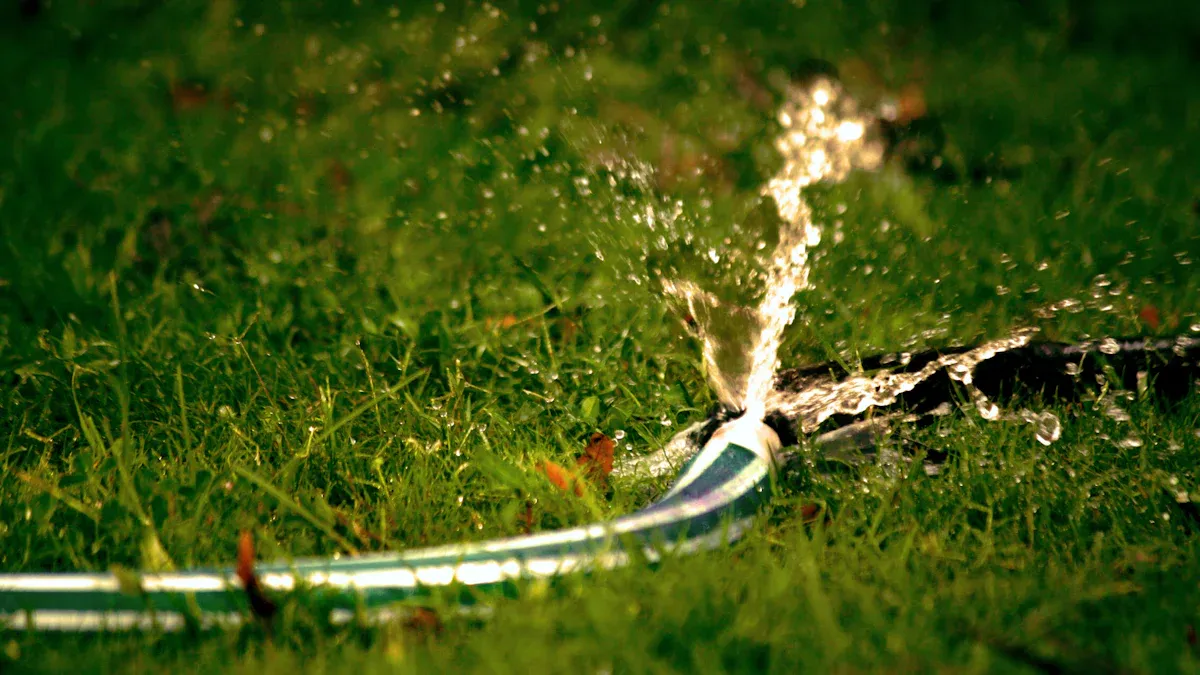
The best time to water grass in summer is between 5 a.m. and 10 a.m. During these hours, your grass absorbs water more effectively. Watering early also helps prevent diseases. Studies show that watering outside this window can lead to water loss of 20% to 30%. This means your lawn may not get the hydration it needs.
Key Takeaways
Water your grass early in the morning, between 5 a.m. and 10 a.m., to maximize absorption and minimize evaporation.
Aim to provide 1 to 1.5 inches of water per week to keep your lawn healthy and prevent overwatering issues.
Adjust your watering schedule based on your soil type and grass variety to ensure optimal growth and reduce disease risk.
Best Watering Times
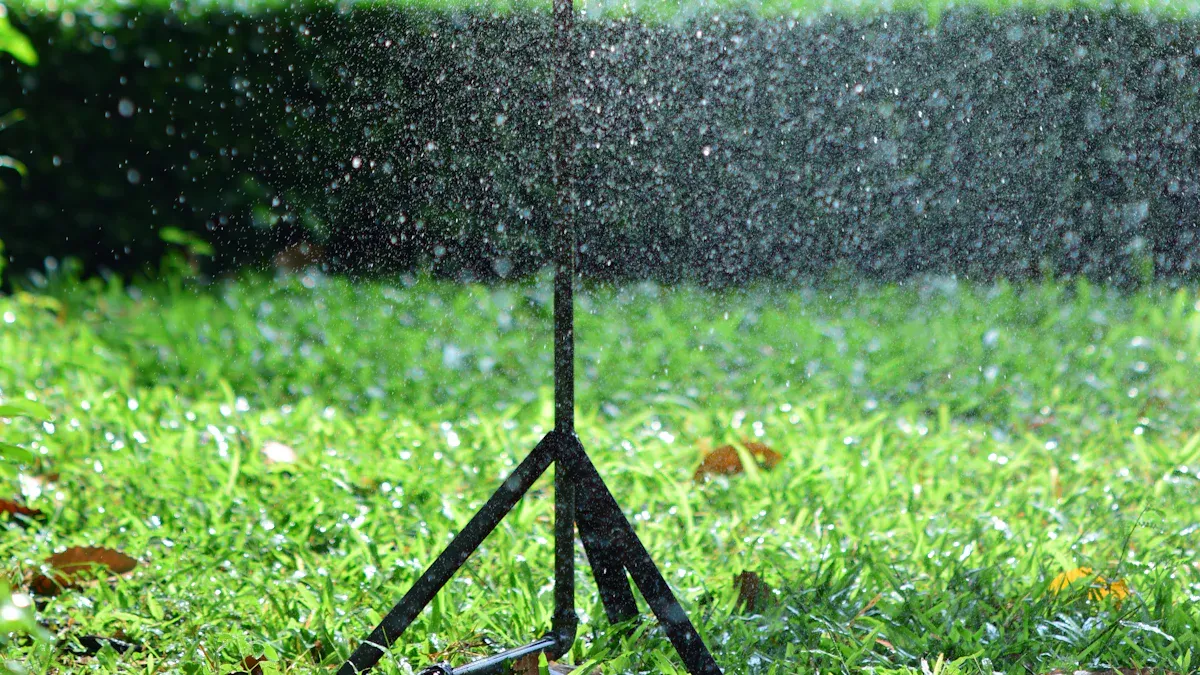
Morning Benefits
Watering your grass in the morning offers numerous advantages. First, it allows for optimal water absorption. When you water early, the cooler temperatures help the grass soak up moisture before the sun heats up. This timing minimizes evaporation, ensuring that more water reaches the roots. Research shows that watering between 5 a.m. and 8 a.m. results in only 5-10% evaporation loss, compared to 30-40% during midday watering.
Here are some key benefits of morning watering:
Benefit | Explanation |
|---|---|
Prevents fungal growth | Morning watering reduces prolonged moisture on grass, lowering the risk of diseases. |
Maximizes water absorption | Grass absorbs water efficiently before the sun’s intensity increases. |
Allows grass to dry during the day | Drying out during the day minimizes the chances of fungal diseases. |
Reduces evaporation | Early watering ensures less water is lost to evaporation. |
Risks of Night Watering
Watering at night poses significant risks to your lawn. When you water in the evening, moisture lingers on the grass blades and soil overnight. This extended wetness creates an ideal environment for fungal diseases, such as brown patch and dollar spot. Studies indicate that lawns watered after 6 p.m. have three times the disease incidence compared to those watered in the morning.
Consider these points regarding nighttime watering:
Prolonged moisture increases the risk of lawn diseases.
Excessive dampness encourages the growth of fungi, leading to issues like mold and mildew.
Poor drainage and overwatering can worsen conditions for diseases.
To maintain a healthy lawn, stick to a morning watering schedule. This practice not only helps your grass thrive but also reduces the likelihood of common lawn watering mistakes that can lead to disease and poor growth.
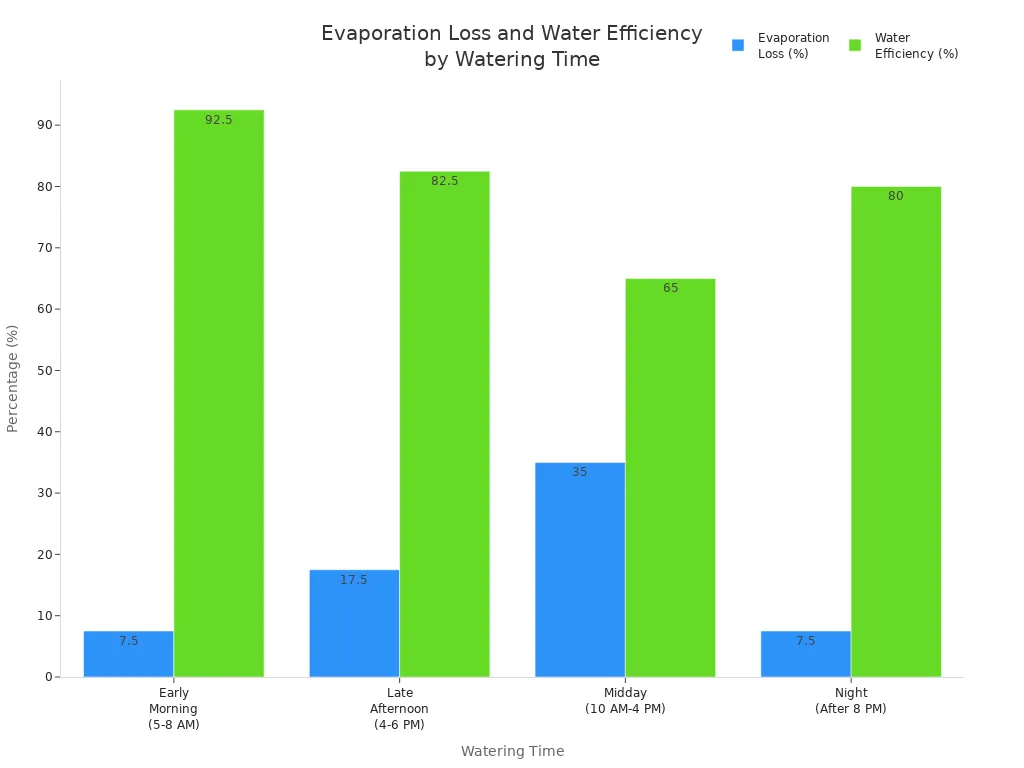
By understanding the best times for watering, you can create an effective lawn watering schedule that promotes healthy grass growth throughout the summer.
Watering Amounts
Recommended Amounts
To keep your lawn healthy during the summer, you need to know how much water to apply. Most experts recommend watering your lawn with 1 to 1.5 inches of water per week. This amount ensures that your grass receives adequate hydration without becoming waterlogged. Here’s a breakdown of recommendations from various sources:
Source | Recommended Water (inches/week) |
|---|---|
Michigan State University | 0.5 to 1.5 |
Illinois Extension | 1.0 to 1.5 |
Applying this amount helps your grass develop strong roots. However, be cautious about overwatering. Overwatering can suffocate roots and lead to a shallow root system. Signs of overwatering include extra thatch, fungus, and hard-to-control weeds.
Frequency Guidelines
How often to water your lawn depends on your local climate. Here are some general guidelines based on different regions:
Region | Frequency | Amount per Session | Weekly Total |
|---|---|---|---|
Hot and Humid Regions | 2-3 times per week | 0.5 inches | 1-1.5 inches |
Moderate Summer Regions | 1-2 times per week | 0.6-1 inches | 1-1.2 inches |
New Lawns (First 3 Weeks) | 2-3 times per day (seeded); 1-2 times per day (sod) | 0.1-0.25 inches (seeded); 0.25 inches (sod) | 1.5-5.25 inches (seeded); 1.75-3.5 inches (sod) |
Dormant Lawns | Once every 2-3 weeks | 0.5 inches | Not needed weekly; occasional deep soak |
During Heat Waves | 3-4 times per week | 0.4 inches | 1.2-1.6 inches |
In hot, arid regions, you may need to water 3 to 4 times per week. Increase the amount during extreme heat. In contrast, in hot, humid areas, you can water twice a week and reduce frequency on cloudy days.
Monitoring your lawn’s condition is crucial. If you notice dry patches or slow growth, you may need to adjust your watering schedule. Remember, proper watering practices not only keep your lawn healthy but also prevent environmental issues like runoff and nutrient loss.
Factors for Summer Watering
Soil Type Impact
Your lawn’s watering needs depend significantly on the type of soil it sits on. Different soils absorb and retain water differently. Here are some key points to consider:
Sandy Soil: Drains quickly and requires more frequent watering. You need to water often to keep the grass hydrated. Water flows through sandy soil easily, leading to quick drying of the top layer.
Clay Soil: Absorbs water slowly but retains it for longer. This type of soil needs less frequent watering. However, you must manage it carefully to avoid waterlogging.
Soil Type | Water Retention Difference (p.p.) | Observations |
|---|---|---|
Sandy | Low | Dries out quickly, needs frequent watering |
Clay | High | Retains moisture longer, requires careful management |
Grass Type Considerations
The type of grass you have also affects how much water your lawn needs during the summer. Different grass species have varying requirements:
Cool-season grasses: These grasses need more water, about 1.5 inches per week. They can go dormant during extreme heat, turning brown but will recover with proper watering.
Warm-season grasses: These grasses are more drought-tolerant and typically require less water, around 1 inch per week. They can survive dry periods better than cool-season varieties.
Grass Type | Water Requirement (Summer) | Dormancy Behavior |
|---|---|---|
Cool-season grasses | More water (1.5”) | Can go dormant, turning brown but recovers with water |
Warm-season grasses | Less water (1”) | More drought-tolerant, survives dry periods |
Understanding your soil and grass type helps you create an effective watering schedule. Adjust your watering practices based on these factors to maintain a healthy lawn throughout the summer.
To maintain a healthy lawn during summer, water your grass early in the morning. Aim for 1 to 1.5 inches of water weekly. Adjust your lawn care routine based on soil type and grass variety. Remember, proper watering promotes deep root growth and reduces water waste. Following these practices ensures your lawn thrives all summer long.
FAQ
What is the best time to water grass in summer?
Water your grass between 5 a.m. and 10 a.m. for optimal absorption and disease prevention.
How often should I water my lawn in summer?
Water your lawn 1 to 3 times per week, depending on your climate and soil type.
Can I water my grass at night?
Avoid nighttime watering. It increases the risk of fungal diseases due to prolonged moisture on the grass.