

Cutting sod sounds simple until you kneel down with a butter knife and a prayer. Real lawn edges demand the right blade shape, the right grip, and the right amount of leverage for the soil you actually have. This roundup walks through ten tools that handle different parts of the job, from slicing turf ribbons to cleaning up around sprinkler heads. Whether you’re reshaping a bed line, plugging bare patches, or trimming an overgrown valve box, the right implement turns a frustrating afternoon into a tidy one.
The Picks In Brief

Root Slayer 22011 Garden Shovel, Red

Nisaku NJP650 Hori Hori Weeding Knife 7.25″

Keyfit Tools SOD Knife 8″ Stainless Blade

Root Slayer 22311 Nomad Garden Spade
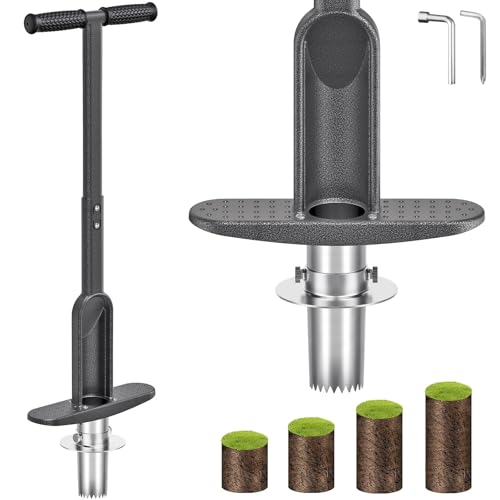
Dolibest Bulb Planter Tool with Soft Grip

Keyfit Tools Sprinkler Head Wrench

Dolibest Sod Plugger with Dual Pedals
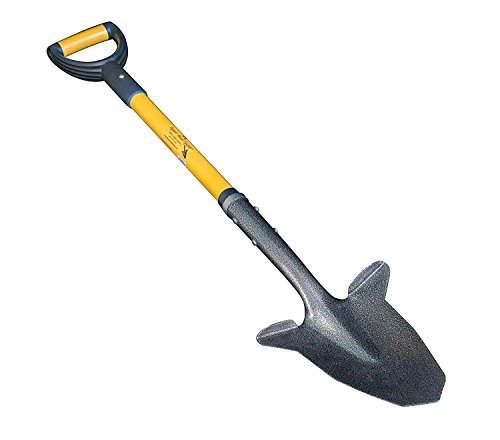
Spear Head Spade SHFD3 40″ Garden Spade
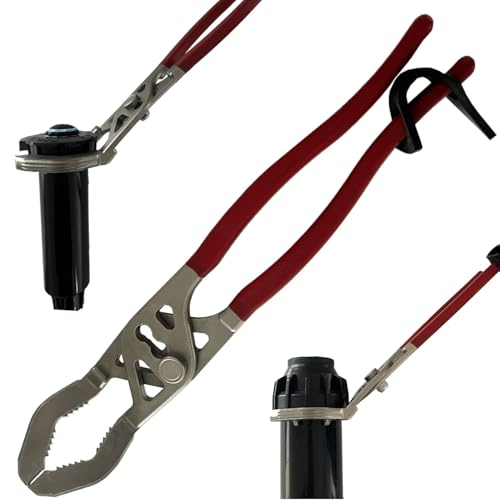
Keyfit Tools Sprinkler Head Wrench 304 PRO

Dolibest Sod Plugger with Non-Slip Grip
More On The Choices That Made The List
The Root Slayer 22011 earns its spot at the top because it pulls double duty in soil that fights back. Its serrated edge chews through root masses that turn ordinary shovels into dull sticks, and the inverted V tip sinks into compacted ground without you needing to stomp like you’re breaking concrete. Compared to the Nisaku knife that follows, this is the tool you grab when the project is measured in square feet rather than inches.
For homeowners reshaping a lawn edge or yanking out stubborn shrubs, the ergonomic shaft takes some load off the wrists during long sessions. The trade-off shows up when you’re working soft, sandy soil, where a narrower transplanting spade might give cleaner cuts with less disruption.
Everyday Perks
- Serrated V-shaped tip that slices through established roots cleanly
- Ergonomic shaft design that reduces hand and wrist strain during heavy digging
- Functions as shovel, root saw, and edging tool in one implement
- Strong leverage in compacted clay where flat blades skate across the surface
Things To Consider
- Heavier than a standard transplant spade, which may tire out smaller gardeners
- Overkill for soft, sandy soil where a lighter blade would work faster
Feature Snapshot
Made For
Homeowners tackling medium-to-large sod removal projects in clay-heavy or root-filled yards.
Consider Something Else When
You’re working a small repair patch where the lighter Dolibest Sod Plugger with Dual Pedals will dig cleaner holes with less effort.
The Nisaku Hori Hori is the kind of tool that quietly outperforms flashier options once you start using it. The 7.25-inch stainless steel blade carries both a serrated and a straight edge, so you can saw through a tough root mat one moment and shave a clean transplant cut the next. Inching markings along the blade help when you’re setting plugs at a uniform depth, a small detail that earns real estate in serious tool sheds.
Where the Root Slayer above is built for brute force, this Japanese-style knife rewards a slower, more deliberate hand. Gardeners who prefer kneeling and getting close to the soil find it indispensable for tidying up where a shovel simply won’t fit.
Notable Upsides
- Two cutting edges in one blade for varied cutting tasks
- Compact size reaches tight spots a full shovel can’t access
- Etched inch markings help with consistent planting depth
Worth Noting
- Requires hand strength and kneeling, which won’t suit everyone
- Smaller blade means slower work on big open-lawn jobs
Who It Suits Best
Detail-oriented gardeners trimming sod edges around flower beds, stepping stones, or sprinkler heads.
Not Your Match When
You’re reshaping a full lawn edge, where the Spear Head Spade SHFD3 offers more reach and leverage for long straight cuts.
The Keyfit SOD Knife is built for one specific frustration: trimming grass that has crept over a sprinkler, valve box, or hard edging. Its 8-inch 304 stainless blade carries aggressive serrations that slice through turf without tearing, and the 5-inch handle gives you a confident grip without sacrificing fine control. Landscapers keep one of these on the truck because it solves problems no full-size shovel can reach.
You may find the included nylon sheath a little basic for daily belt-clip use, but it covers the blade well enough for safe transport. This knife lives in a different category than the Root Slayer, more scalpel than shovel.
What Works In Its Favor
- Contractor-grade 304 stainless steel resists rust through wet seasons
- Razor-sharp serrations make clean cuts around hard edges and sprinkler heads
- Compact 13-inch overall length fits in a tool belt or bag easily
Points To Keep In Mind
- Sharp blade demands careful handling and proper storage between uses
- Too specialized for general digging or bed preparation work
Best Suited To
Landscapers and DIYers who frequently trim turf around irrigation hardware, hardscape edges, or valve boxes.
Look Elsewhere When
You need an all-purpose digging tool, in which case the Spear Head Spade SHFD3 is a better daily driver for varied yard tasks.
The Nomad takes the same V-shaped cutting concept as the larger Root Slayer 22011 and shrinks it down for portability. It’s a smart pick for campers, RV owners, and anyone tackling small sod repair jobs away from a full workshop. The serrated edge still bites into roots, but in a compact package that fits in a car trunk.
The trade-off for the smaller size is reduced leverage on stubborn jobs. Heavy clay or thick root mats will have you wishing for the full-length original.
Features That Help
- Compact size works well for transport and light sod patching
- Same V-shaped serrated tip as the full-size Root Slayer
- Useful for both yard work and outdoor adventures
Honest Caveats
- Smaller blade means more effort on dense, root-heavy ground
- Less reach makes long edging runs tedious
Perfect Match For
Campers, small-yard gardeners, and anyone who wants a packable cutting tool for travel and light lawn repair.
A Better Fit Elsewhere
You’re working a full residential lawn where the Spear Head Spade SHFD3 delivers the reach and leverage for longer sessions.
This Dolibest planter doubles as a serious grass plugger, and the depth adjustment is what makes it stand out. A central spacer lets you set anywhere from 3 to 6 inches, which covers most bulb planting and sod plug repair scenarios without guesswork. The auto-dump design drops the soil plug cleanly, saving you from prying it out by hand after every dig.
Unlike the Keyfit knife above, this is a vertical, foot-driven tool rather than a hand blade. That distinction matters for anyone who would rather stand than kneel during transplanting.
Key Advantages
- Adjustable depth from 3 to 6 inches for varied planting needs
- Auto-dump mechanism removes soil plugs without manual prying
- Stainless steel serrations cut clean plugs through compacted ground
- Soft grip handle reduces hand fatigue across multiple holes
Potential Drawbacks
- Limited to plug-style cuts, not suited for long continuous edges
- Requires body weight and foot pressure, harder for users with knee issues
Whose Shelf It Belongs On
Homeowners repairing scattered bare patches in established lawns or planting bulbs at consistent depths.
Skip It When
You’re cutting a continuous edge line, where the Root Slayer 22011 covers more ground with each stroke.
The Head Wrench isn’t strictly a sod cutter, but it solves a problem every homeowner eventually faces: a sunken or overgrown sprinkler head surrounded by ragged turf. Rather than digging out a four-inch circle of grass, you grip the head, twist, and lift without disturbing the surrounding sod. It fits residential spray heads, rotor heads, and jar-top valves across major brands.
You may find the original steel version slightly heavier than the upgraded stainless PRO model further down the list, depending on how often you’ll be pulling heads. Most occasional users won’t notice the difference.
Useful Highlights
- Lifts sprinkler heads without tearing surrounding turf
- Works across major residential irrigation brands
- Saves time on routine adjustments and replacements
A Few Limitations
- Limited to sprinkler head work, not a general digging tool
- Doesn’t fit heads over 4 inches in diameter
Who Should Grab It
Homeowners with in-ground irrigation systems who want clean repairs without digging up their lawn.
Reach For A Different Pick When
You mainly cut sod for bed edges or transplanting, where the Keyfit SOD Knife handles turf trimming more directly.
The dual-pedal design sets this plugger apart from simpler models. You drive the cylinder into the ground with one foot, then use the second pedal to eject the plug, so your hands stay clean and your back stays straighter. The serrated edges cut cleanly through zoysia, Bermuda, and centipede, which are notorious for resisting a clean pull.
Where the Nisaku knife above leans on hand strength, this tool leans on body weight. That shift can be a real advantage during long transplanting sessions.
The Case For It
- Dual-pedal ejection keeps hands clean and speeds up repetitive work
- Cuts through tough warm-season grasses like Bermuda and zoysia
- Non-slip soft rubber grip handle reduces blistering
- Efficient for transplanting multiple plugs in a single session
Where It May Fall Short
- Requires decent leg strength and balance for the foot-driven action
- Limited to round plug cuts, not continuous edges
Quick Facts
Built With In Mind
Homeowners repairing larger patches of warm-season turf where multiple plugs need lifting and transplanting.
Swap It Out When
You only need a single plug or two, where the simpler Dolibest Bulb Planter with auto-dump handles the job at lower effort.
The Spear Head Spade SHFD3 is the workhorse of the group, a 40-inch full-length spade with a 9 by 11-inch beveled blade that cuts through compacted soil and perennial roots. The steel-reinforced fiberglass handle shrugs off weather and heavy leverage, and the cushioned D-grip makes longer sessions easier on the hands.
Compared to the Root Slayer at the top of this list, the SHFD3 trades the aggressive V-tip for a broader beveled blade that excels at clean transplanting and bed prep. Both earn their place in a serious gardener’s shed.
Noteworthy Benefits
- 40-inch length suits gardeners of varying heights comfortably
- Steel-reinforced fiberglass handle handles weather and torque
- Cushioned D-grip reduces hand fatigue over long sessions
- Versatile for digging, separating perennials, and transplanting
Where It Is Less Suited
- Larger blade is heavier for users who prefer compact hand tools
- Beveled edge is less aggressive than serrated V-tips on thick roots
The Right Fit
Gardeners with established beds, perennial borders, and tough soil who want a reliable full-length digging tool.
Where A Sibling Pick Shines
Your work centers on root cutting, where the serrated V-tip of the Root Slayer 22011 chews through dense mats more efficiently.
The 304 PRO is the upgraded sibling of the standard Head Wrench, built from 304 stainless steel for users who leave tools out in the weather or handle them daily. The wider fit range accommodates most residential spray and rotor head styles under 4.75 inches, which covers the bulk of what homeowners actually install.
Where the standard model does the same job for occasional fixes, this version earns its price for irrigation professionals and homeowners who maintain their own systems year-round.
The Practical Payoff
- 304 stainless steel resists corrosion in damp storage conditions
- Wider compatibility range than the standard wrench
- Eliminates turf damage from digging around sprinkler heads
Trade Offs To Consider
- Higher material cost than the standard version for users who rarely touch heads
- Single-purpose tool, so it won’t replace a general sod cutter
Who Will Love This
Irrigation professionals and hands-on homeowners maintaining their own sprinkler systems through the seasons.
Another Choice May Suit
You only adjust a head once or twice a year, where the standard Keyfit Sprinkler Head Wrench delivers the same core function at lower cost.
The 32-inch handle on this Dolibest plugger is the headline feature for anyone tired of bending over a short tool. You stand upright, push with your foot, and eject plugs without kneeling or hunching. The non-slip grip and soft rubber handle minimize blisters during the kind of long transplanting sessions that punish lesser tools.
Compared to the dual-pedal model earlier in this list, this version leans more on body weight and a longer handle for leverage. The trade-off is a slightly different digging rhythm.
What Pays Off
- 32-inch handle eliminates bending and reduces back strain
- Non-slip soft grip prevents blisters during extended use
- Handles zoysia, Bermuda, and other warm-season turf cleanly
- Intermediate foot pedal ejects plugs without hand prying
Where Shoppers Go Wrong
- Long handle adds length that may be awkward in tight garden corners
- Still requires foot pressure, less friendly for users with knee issues
Feature Card
The Right Fit
Gardeners with back or knee concerns who want to transplant plugs while standing upright.
Look Elsewhere When
Your work happens in tight raised beds where the compact Nisaku Hori Hori knife gives finer close-quarters control.
What Matters When Picking A Sod Cutting Tool
Sod work covers more ground than most people expect. Cutting a clean edge, removing a strip of turf, plugging a bare patch, and lifting a sunken sprinkler head all ask for different blade shapes and different grip styles. Start by clarifying which task dominates your weekend, then match the tool to that job rather than chasing one do-it-all implement.
Blade geometry matters more than people think. Serrated V-shaped tips like those on the Root Slayer line chew through roots that defeat flat-edged shovels. Straight beveled edges, like the Spear Head Spade, slice cleanly through soft soil for transplanting but skip over thick roots. Serrated sides on a horizontal knife, like the Keyfit SOD Knife, are designed to saw through turf mat without tearing.
Handle length and grip change how long you can work. A 32 to 40-inch handle keeps you standing upright during transplanting, while shorter hand tools force kneeling but give finer control. Soft rubber grips and cushioned D-handles reduce blisters over long sessions, a small detail that decides whether you finish a project or abandon it halfway.
Key Considerations Across These Picks
Where Shoppers Go Wrong
The most common slip is grabbing a full-size shovel for a precision job. Trimming turf around a sprinkler head or stone border with a broad spade tears more grass than it cuts, leaving ragged edges that brown out within days. A horizontal serrated knife or a sprinkler head wrench handles those spots cleanly. The honest read is that owning two or three specialized tools beats fighting one general-purpose shovel.
Another trap is ignoring soil type. Sandy, loose soil rewards lighter blades and quick pluggers. Clay-heavy or root-filled ground demands serrated V-tips and heavier leverage. Pick the tool that matches what’s actually in your yard.
Where The Extra Money Goes
Higher-tier models typically upgrade the steel, not the shape. A 304 stainless steel sprinkler wrench resists corrosion through wet storage better than a basic steel version. A fiberglass-reinforced handle on a spade outlasts plain wood under heavy torque. The upgrade is worth it for tools you leave outside or use weekly, but overkill for occasional weekend projects.
