

Keeping a yard in shape means tackling branches at every height, from waist-level suckers to overhead limbs that fight back with every snap. The right tool turns a sweaty Saturday into a clean, controlled cut, and the wrong tool leaves ragged wounds on the tree and your hands. This list covers hand pruners, loppers, a hori hori knife, a hatchet bundle, and a long-reach pole saw, each suited to a different job in the branch-cutting workflow.
A Fast Comparison Of The Options
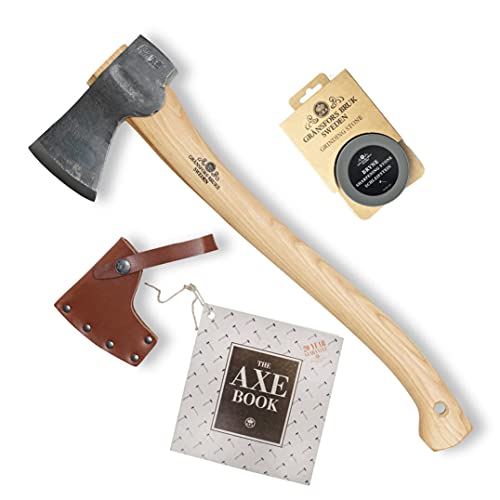
Gransfors Bruk Small Forest Axe with Ceramic Sharpening Stone
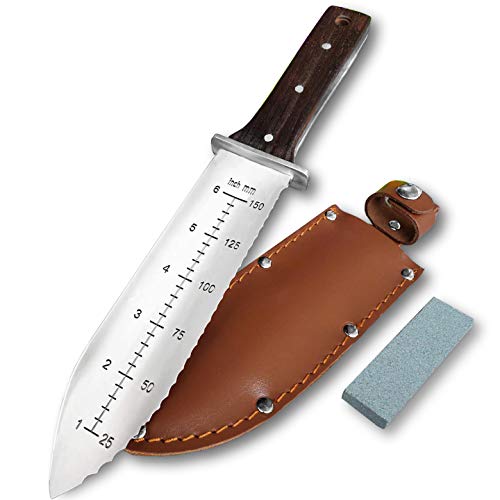
gonicc Professional Hori Hori Garden Knife with Leather Sheath
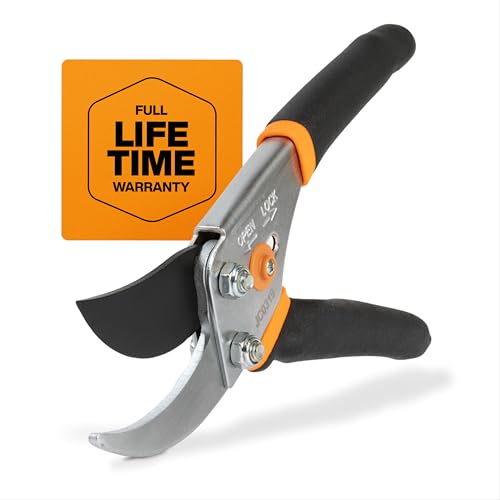
Fiskars Bypass Pruning Shears, 5/8″ Cut Capacity

Fiskars 28″ Garden Bypass Loppers, 1.5″ Cut Capacity
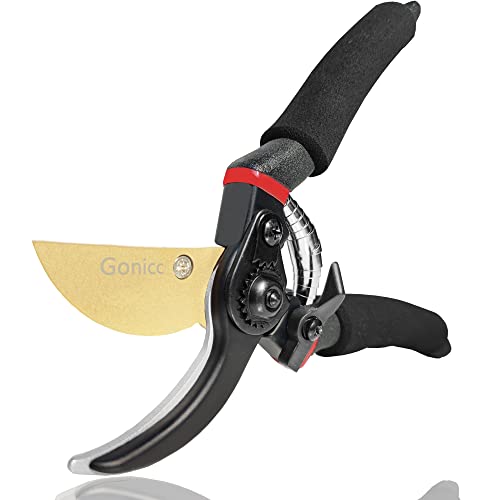
gonicc 8″ Premium Bypass Titanium Pruning Shears (GPPS-1003)
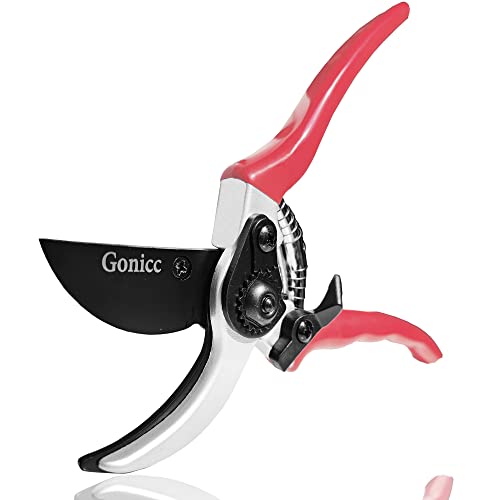
gonicc 8″ Professional Sharp Bypass Pruning Shears (GPPS-1002)

Fiskars Forged Steel Bypass Pruning Shears, 1″ Cut Capacity
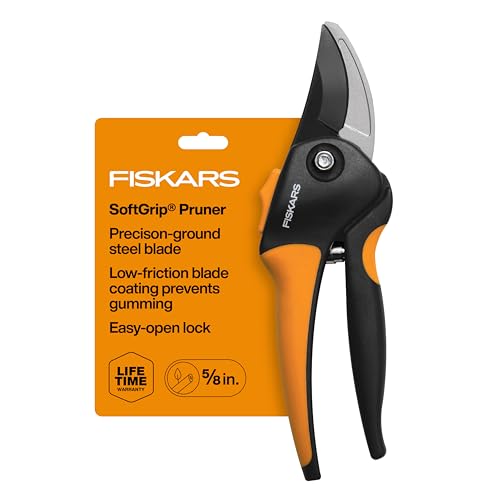
Fiskars SoftGrip Bypass Pruning Shears, 5/8″ Cut Capacity

26FT Reach Pole Saw with 5-20FT Telescoping Extension Pole
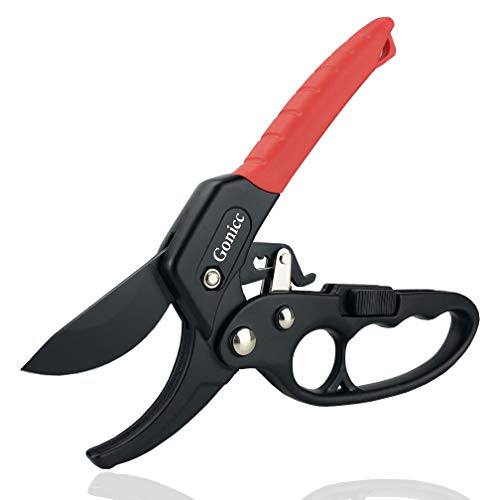
gonicc 8″ Professional Ratchet Anvil Pruning Shears (GPPS-1011)
A Breakdown Of The Leading Choices
When a branch crosses an inch and a half thick, most pruners start to struggle, and that is where the Gransfors Bruk Small Forest Axe steps in cleanly. Hand-forged in Sweden from a single piece of steel, the head carries a 1.5 lb weight that concentrates force into each swing without beating up the user. The 19-inch handle is long enough to generate real chopping power yet short enough to throw in a backpack for trail clearing or storm cleanup.
Pairing the axe with a ceramic sharpening stone turns the bundle into a self-contained maintenance kit. The stone runs at 180 grit on one face for reshaping nicks and a finer 600 grit face for bringing the edge back to working sharpness. For someone who treats tools as long-term gear rather than disposable hardware, this combination covers both the cutting and the upkeep in one box.
The Case For It
- Hand-forged Swedish steel head holds an edge through heavy use
- 19-inch handle balances swing power with pack-friendly portability
- Ceramic stone sharpens dry or with water, no honing oil needed
- Double-grit stone handles both major repair work and finishing edges
- Light enough for limbing branches overhead without tiring the shoulders
Worth Noting
- Axe demands real technique and a proper chopping block to work safely
- Sharpening takes patience and a steady hand on first attempts
- Overkill for trimming twigs or pruning roses in a flower bed
Key Specs
Right Fit For
Owners with wooded lots, regular firewood cutters, and anyone felling small trees who wants heirloom-grade gear they can pass down.
A Better Fit Elsewhere
If your work stays at waist height in a tidy suburban yard, the gonicc Professional Hori Hori Garden Knife with Leather Sheath handles that scale of cutting without the extra muscle.
The hori hori traces its roots to Japanese digging knives, and the gonicc version leans into that heritage with a 440 stainless blade that resists rust in damp soil. A protective handguard and included leather sheath make the knife safer to carry on a belt loop than a typical gardening trowel. Where most hand pruners force you to choose between slicing and digging, this tool merges both into a single implement.
One side of the blade carries a straight edge for slicing through roots and small woody suckers, and the opposite edge runs serrated for sawing through tougher growth. A depth scale etched along the blade helps you plant bulbs or transplants at consistent depths. For gardeners who constantly shift between pruning, dividing perennials, and digging out taproots, that versatility removes the need to swap tools every few minutes.
What Makes Sense
- 440 stainless steel resists rust and corrosion in moist soil
- Dual-edge blade handles both clean slicing and root sawing
- Etched depth gauge simplifies planting at consistent depths
- Leather sheath and handguard improve safety on the belt
Things To Consider
- Knife demands careful handling, gloves are wise for unfamiliar hands
- Less efficient than dedicated pruners for repeated light trimming
- Blade requires hand drying after wet sessions to prevent spotting over time
Built With In Mind
Vegetable gardeners and permaculture enthusiasts who frequently cut low suckers, slice through roots, and dig transplants in the same session.
Look Elsewhere When
For overhead limb work and tall tree pruning, the 26FT Reach Pole Saw delivers the height that a hand tool simply cannot.
Bypass shears operate like a pair of scissors: a curved upper blade slides past a lower jaw, slicing live wood without crushing it. The Fiskars Bypass Pruning Shears stick to that proven geometry and keep the price low enough to live in a gardening tote year-round. Fully hardened steel blades hold an edge through daily snipping of rose canes, hydrangea stems, and twiggy growth.
The 5/8-inch cut capacity covers roughly 90% of the trimming tasks in a typical backyard, from deadheading spent blooms to thinning out small fruiting spurs. For anyone stepping up from rusty hardware-store snips, this pair feels noticeably lighter in the hand without feeling flimsy. Compare that weight savings to the heavier forged Fiskars model covered later, and the comfort difference becomes obvious over a long weekend of shaping hedges.
A Strong Showing
- Hardened steel blade holds sharpness through frequent use
- 5/8-inch capacity suits the majority of yard trimming chores
- Lightweight body reduces wrist fatigue during long sessions
- Bypass action makes clean cuts that heal quickly on live growth
Some Limits To Know
- Not built to chew through branches approaching one inch thick
- Plastic handle hardware can loosen after multi-season heavy use
Quick Facts
Made For
Casual gardeners, condo owners, and anyone maintaining a modest flower bed or small orchard who wants a reliable everyday pruner at a starter cost.
Swap It Out When
Thicker branches and woody shrubs call for the Fiskars 28″ Garden Bypass Loppers, which add both reach and leverage.
Hand pruners max out fast, and once a branch pushes past the thumb-width range, loppers take over. The Fiskars 28-inch Garden Bypass Loppers pair a longer steel blade with extended handles, multiplying cutting force through leverage. A low-friction blade coating helps the upper blade glide through green wood without sticking or gumming up with sap.
The 1.5-inch cut capacity puts genuinely thick limbs within reach, including established apple branches, overgrown privet, and storm-damaged sucker growth at head height. At 28 inches overall, the loppers reach into the middle of a shrub without forcing you to lean into thorns. The bypass geometry mirrors the hand shears covered earlier, so cuts remain clean and plants heal quickly rather than tearing under an anvil-style crush.
Everyday Wins
- 1.5-inch capacity chews through branches beyond pruner reach
- Steel blades with low-friction coating resist sap buildup
- 28-inch handles add leverage while keeping control comfortable
- Bypass design protects live wood from crushing damage
- Long handles keep hands clear of thorns and gripping bark
A Few Limitations
- Too long for tight spots inside dense shrubbery
- Heavier than hand shears, so wrist rest helps between cuts
Who It Suits Best
Homeowners with mature shrubs, small fruit trees, and overgrown hedges who want to clear thick branches without dragging out a saw.
Reach For A Different Pick When
For overhead limbs that sit above the lopper reach, the 26FT Reach Pole Saw handles what these long-handled cutters physically cannot.
Titanium coatings on pruning blades sound like marketing fluff until you spend an afternoon cutting sappy maple and notice the blades still wipe clean. The gonicc 8-inch Premium Bypass Titanium Pruning Shears (model GPPS-1003) layer that coating over SK-5 steel, a high-carbon alloy often found on professional landscaping tools. The drop-forged body adds heft that more budget-friendly shears tend to skip.
For serious gardeners who run through a basket of cuttings every weekend, the upgrade from the entry-level GPPS-1002 pays off in durability rather than gimmicks. Aluminum handles wrapped in PVC grip stay comfortable across longer sessions, and a built-in sap groove channels sticky residue away from the cutting face. That channel matters more than it sounds: without it, blades seize up and force extra hand pressure on every cut.
Where It Excels
- SK-5 steel blade with titanium coating resists wear and sap stick
- Drop-forged construction stands up to repeated heavy use
- PVC-wrapped aluminum handles balance grip comfort with strength
- Built-in sap groove keeps blades cutting smoothly without seizing
Trade-Offs To Consider
- Heavier than lighter plastic-handled alternatives
- Premium build costs more than the GPPS-1002 covered below
Best Suited To
Active gardeners, small-acreage owners, and serious hobbyists who prune several hours a week and want shears that hold up over multiple seasons.
Consider Something Else When
Tighter budgets and lighter trimming chores suit the gonicc 8″ Professional Sharp Bypass Pruning Shears (GPPS-1002) just as well for less money.
The GPPS-1002 sits in the same gonicc family as the titanium-coated GPPS-1003 covered earlier, but skips the titanium layer to land at a more approachable cost. High-carbon steel still forms the cutting blade, and ultra-fine polishing technology gives the edge a clean factory sharpness right out of the box. Drop-forged handles keep the body rigid without pushing the price into premium territory.
That makes the 1002 a practical choice for deadheading annuals, trimming roses, and shaping bonsai or topiary where finer control matters more than raw cutting force. The non-slip ergonomic handle keeps the grip stable during repetitive cuts, and a sap groove channels residue away from the cutting face. For gardeners who want a real workhorse without paying for coating upgrades, this model delivers a confident cut season after season.
Strong Points
- Drop-forged handles give rigidity usually found on pricier shears
- High-carbon steel blade sharpens easily when it eventually dulls
- Sap groove prevents blade sticking during heavy sap flow
- Ergonomic non-slip handle keeps control during repetitive cuts
- Versatile across deadheading, shaping, and small-branch work
Honest Caveats
- Lacks the titanium coating that helps the GPPS-1003 resist sap
- Not suited to woody stems approaching a full inch thick
Perfect Match For
Mid-range gardeners, rose growers, and bonsai hobbyists who want drop-forged quality at a price below the titanium-coated siblings.
Skip It When
For larger, woody growth above three-quarters of an inch, the Fiskars Forged Steel Bypass Pruning Shears with a 1-inch capacity handles thicker cuts more comfortably.
Compared to the lighter 5/8-inch bypass shears covered earlier, this forged Fiskars model steps the capacity up to a full inch and the handles up to solid steel. The forged construction feels noticeably heavier in the hand, which translates into better momentum through tough cuts on established shrubs. A fully hardened, precision-ground steel blade stays sharp across many sessions without frequent touch-ups.
The trade-off for that durability comes in two places: weight and cost. Gardeners with smaller hands may find the heft tiring during marathon shaping sessions, and the heavier price tag nudges these shears into “investment” territory. Where they shine is on woody stems that fight back, like overgrown blueberry bushes, established forsythia, and thick climbing rose canes that shred plastic-handled pruners.
The Practical Payoff
- 1-inch capacity handles branches beyond typical pruner limits
- Forged steel handles resist bending and breakage under pressure
- Hardened blade stays sharp through repeated heavy use
- Bypass geometry keeps cuts clean on live woody stems
Points To Keep In Mind
- Noticeably heavier than lighter 5/8-inch bypass models
- Costlier than entry-level shears covered earlier in the list
Who Will Love This
Homeowners managing mature shrubs and small fruit bushes who want a tool that handles thicker cuts without slipping into lopper territory.
A Better Fit Elsewhere
For limbs that stretch beyond arm’s reach, the 26FT Reach Pole Saw delivers the height these heavy pruners simply cannot match.
SoftGrip sounds like a throwaway marketing word, but on long pruning days the cushioned handle wrap genuinely eases pressure on the palm and fingers. The Fiskars SoftGrip Bypass Pruning Shears carry the same 5/8-inch cutting capacity as the standard bypass model covered earlier, paired with a handle treatment that absorbs vibration and softens the squeeze on arthritic hands. For older gardeners or anyone recovering from a hand injury, that comfort upgrade matters more than any blade spec.
Precision-ground steel blades handle the same variety of stems as the standard model, from deadheading annuals to trimming small fruit tree suckers. A self-cleaning sap groove cuts down on the wiping-and-oiling routine that bare steel blades demand after sticky work. The price premium over the standard model stays modest, which keeps this pick in reach for casual shoppers who shop on comfort rather than capacity.
Useful Touches
- Cushioned SoftGrip handles reduce hand fatigue and joint strain
- Self-cleaning sap groove keeps blades cutting without constant wiping
- Precision-ground steel blade handles typical residential trimming
- Lightweight body suits gardeners with reduced grip strength
Practical Considerations
- Same 5/8-inch capacity as the standard model, not built for thicker limbs
- Soft-grip coating can wear after several seasons of heavy contact
Whose Shelf It Belongs On
Older gardeners, anyone with arthritis or limited grip strength, and households where one tool needs to feel comfortable in multiple hands.
Where Another Pick Suits Better
For tougher cuts on woody growth where leverage matters more than cushioning, the gonicc 8″ Professional Ratchet Anvil Pruning Shears (GPPS-1011) multiply hand force through their ratchet mechanism.
Pulling out a ladder to trim an overhead limb is the kind of job that makes gardeners postpone tree work for another season. The 26FT Reach Pole Saw solves that procrastination with a telescoping pole that extends from roughly 5 to 20 feet, putting a 19-inch tri-edge saw blade within striking distance of high branches. Anti-slip grip sections keep the pole planted firmly in your hands while you work the blade back and forth.
Because the blade detaches, the same tool pulls double duty as a handheld saw for lower cuts and ground-level brush clearing. The pole saw approach trades speed for safety, letting you stand firmly on flat ground instead of balancing on a ladder with a chainsaw. For homeowners with mature trees that shed limbs into the driveway or roofline, this is the kind of tool that earns its keep the first time a storm rolls through.
Points In Its Favor
- Telescoping pole reaches from roughly 5 to 20 feet overhead
- Anti-slip grip sections prevent the pole from twisting in your hands
- Detachable 19-inch tri-edge saw handles low and high cuts
- Eliminates most ladder use for routine tree maintenance
Room For Improvement
- Manual sawing takes more time and effort than motorized pole saws
- Long pole becomes unwieldy in tight spaces between branches
Feature Snapshot
Who Should Grab It
Homeowners with tall shade trees, anyone cleaning up after storms, and gardeners who prefer to keep both feet on the ground when pruning overhead.
Another Choice May Suit
For waist-level and small-branch work, the Fiskars Bypass Pruning Shears cover the basics faster than dragging out a pole saw.
Anvil pruners work differently than bypass models: a single straight blade closes down onto a flat “anvil” surface, concentrating force on dry or dead wood. The gonicc 8-inch Professional Ratchet Anvil Pruning Shears (model GPPS-1011) layer a ratchet mechanism on top of that geometry, breaking each cut into multiple clicks that build force gradually. The result feels almost effortless on stubborn, woody stems that would otherwise crush bypass blades or strain tired wrists.
SK-5 high-carbon steel forms the cutting blade, and chrome vanadium steel makes up the handles for rigidity without excessive weight. That combination keeps the shears tough enough for regular yard work while staying lighter than the forged Fiskars bypass model covered earlier. For gardeners managing older rose bushes, established hedges, or deadwood cleanup after winter, this pair fills a niche that bypass shears leave open.
The Upside
- Ratchet mechanism multiplies hand force in stages
- SK-5 steel blade stays sharp through woody cuts
- Chrome vanadium handles balance strength with manageable weight
- Anvil design excels on deadwood and dry stems
Soft Spots
- Anvil style crushes live green stems, not ideal for live pruning
- Multi-click ratchet cuts take longer per branch than bypass shears
Right Fit
Gardeners cleaning up dormant-season deadwood, anyone with reduced grip strength, and rose growers tackling thick, woody canes.
Consider Something Else When
Live green growth during the growing season suits bypass shears like the Fiskars SoftGrip Bypass Pruning Shears, which slice without crushing tender tissue.
Matching The Right Cutter To The Branch
Cutting tree branches cleanly is less about force and more about matching the tool to the wood. The first thing to weigh is the diameter you’ll encounter most often: hand pruners handle stems up to about an inch, loppers stretch that to roughly an inch and a half, and a pole saw or axe steps in beyond that range. Reaching for the smallest tool that does the job typically produces the cleanest cut, which helps the tree heal faster and reduces strain on your hands.
Cut Type: Bypass Versus Anvil
Bypass blades slide past each other like scissors, leaving a smooth slice that suits live wood. Anvil blades crush downward onto a flat surface, which works on deadwood but can mangle tender green stems. Most gardeners benefit from a bypass pruner as the everyday carry, with an anvil model reserved for dormant-season cleanup of dry, brittle branches.
Reach, Leverage, And Safety
Height matters as much as blade design. Overhead branches put your shoulders and neck at risk if you stretch or climb, and a long-handled lopper or telescoping pole saw lets you keep both feet planted. Pole saws in particular trade speed for stability, letting you handle storm damage without dragging out the ladder for every cut.
Handle Comfort And Maintenance
Soft-grip handles reduce fatigue across long sessions, while drop-forged bodies last longer under heavy use. Wiping blades after each use and a light oil coating keeps rust at bay, especially on carbon steel models. The simple habit of cleaning sap off the blade after each session doubles the working life of any pruner on this list.
Key Considerations Across These Picks
Common Shopping Slip Ups
A frequent mistake is buying a pruner with too much capacity “just in case,” only to find it too heavy or coarse for everyday snipping. Another is ignoring the difference between bypass and anvil designs and ending up with crushed green stems on live plants. Measure the thickest branch you actually face on a regular basis, then match capacity rather than guessing upward.
Where The Extra Money Goes
Premium models layer on titanium coatings, forged handles, and high-carbon steel blades that hold an edge longer and resist corrosion. For gardeners who prune weekly during the growing season, those upgrades pay off in less frequent sharpening and fewer replacement tools. Casual users pruning a handful of times per season often do fine with entry-level models that spend most of their life in the shed.
Frequently Asked Questions
What size pruner do I need for typical yard work?
A bypass pruner with a 5/8-inch cut capacity handles the majority of stems in a residential yard, from rose canes to small fruit tree suckers. Step up to a 1-inch forged model if you regularly tackle woody shrubs.
Can pole saws handle thick branches?
Manual pole saws like the 26FT Reach model cut through branches several inches thick, though each cut takes longer than a powered saw. They shine on overhead limbs where ladder safety is a concern.
How often should I sharpen pruning blades?
A quick once-over with a sharpening stone every few weeks during active use keeps blades slicing cleanly. Wipe sap residue after each session and the edge stays serviceable far longer.
Are anvil pruners bad for plants?
Anvil pruners crush live green stems, which can slow healing and invite disease. Reserve anvil models for dry, dead wood during dormant-season cleanup rather than summer pruning.
What is the safest way to cut high branches?
Use a long-handled lopper or a telescoping pole saw so your feet stay firmly on the ground. Climb a ladder only when the branch sits beyond pole-saw reach and never overreach from a rung.
Wrap Up
The right branch cutter depends entirely on where the wood sits and how often you cut it. Hand pruners cover daily trimming, loppers stretch to thicker limbs, and a pole saw tackles the heights that hand tools simply cannot reach. Match the tool to the task at hand, keep the blades clean, and the next round of yard work stays a lot less intimidating.
