

Roots don’t care whether you’re edging a flower bed or pulling out an old shrub. They twist, they thicken underground, and they snap ordinary shovels without warning. The right tool turns that fight into a clean afternoon. After weighing ten options built specifically for slicing, sawing, and prying through woody growth, these are the picks worth your attention this year.
A Fast Comparison Of The Options
Wilcox All-Pro 202S 14″ All-Pro Trowel

Root Slayer 22011 Garden Shovel

Root Slayer 22311 Nomad Garden Spade

Black Iron Hori Hori Garden Knife 7″
Wazakura Hand Forged Bonsai Concave Cutter

Fiskars 28″ Garden Bypass Loppers

Wazakura Hand Forged Knob Bonsai Cutter

Wazakura 6PCS Bonsai Tool Kit

Kemaier Heavy Duty Garden Trowel

TABOR TOOLS GG12A Anvil Lopper
Inside Each Recommended Option
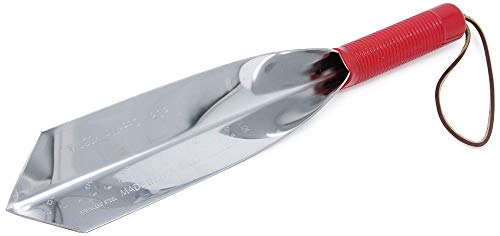
Gardeners who push a trowel into hardpan know the feeling when the blade flexes. The Wilcox All-Pro 202S is built from a single piece of 16-gauge stainless steel, so it resists bending when you pry up roots in a tight planting bed. The 14-inch profile reaches deep enough for tulip and daffodil bulbs while staying compact for raised beds.
Compared to the heavier Root Slayer shovel that follows, this trowel trades brute force for portability. The plastic-coated handle keeps your grip secure even when soil is wet, and depth markings on the blade help you plant at consistent depths. It’s the kind of tool you toss into a tote bag without thinking about it.
What Stands Out
- Single-piece 16-gauge stainless steel resists bending under heavy prying
- 14-inch blade reaches deep for bulb planting and root extraction
- Plastic-coated handle stays grippy with wet or muddy hands
- Lightweight enough to carry in a backpack or tool tote
Things To Consider
- Smaller blade surface means more strokes for big root systems
- No sheath included, so the sharpened edge needs careful handling in storage
Quick Facts
Whose Shelf It Belongs On
Backyard gardeners planting bulbs, tackling small root removals, or working tight raised beds where a full-size shovel feels clumsy.
Look Elsewhere When
Tree stumps and heavy landscaping projects call for the Root Slayer 22011 Garden Shovel instead, which has a longer shaft and a bigger bite.
Some roots are too stubborn for a trowel. The Root Slayer 22011 swings like a full-size shovel, but its inverted V-shaped tip and serrated edges behave more like a saw and hatchet combined. Each stroke chews through roots and packed earth, and the ergonomic shaft keeps wrists from twisting when the soil fights back.
Where the Wilcox trowel handles small-scale bed work, this shovel earns its place in larger landscaping jobs. You step down on the shoulder, and the sharpened point drives through the root mass rather than skidding off it. For transplanting shrubs or removing invasive roots, it’s a reliable workhorse.
The Good Stuff
- V-shaped serrated tip saws through roots instead of glancing off
- Full-length shaft provides leverage for compacted or rocky ground
- Ergonomic design reduces wrist strain during extended digging sessions
- Doubles as a root hatchet when chopping through dense growth
Trade Offs
- Heavier than a standard shovel, so it tires out smaller-framed gardeners
- Serrated edges dull faster in sandy soil and need periodic sharpening
Feature Snapshot
Made For
Homeowners removing shrubs, digging trenches around tree roots, or tackling compacted beds where a standard shovel bounces off.
Consider Something Else When
Campers and hikers want the Root Slayer 22311 Nomad Garden Spade, which trims that same serrated capability into a packable form.
The full-size Root Slayer is impressive in the yard, but it won’t fit in a backpack. The Nomad version keeps the same serrated saw-tooth edge and V-tip concept while shrinking the overall profile. It’s the tool you bring on a trail cleanup, a primitive camping trip, or a remote planting project.
You trade raw digging depth for portability. For backpackers dealing with fire pit clearings, hikers managing trail-side erosion, or campers digging root-bound tent pads, the lighter weight and smaller footprint matter more than blade length.
What Earns Its Place
- Compact form fits into backpacks and saddlebags without weighing you down
- Serrated edge still cuts small to medium roots encountered outdoors
- Multi-purpose design handles shoveling, sawing, and light chopping
Worth Noting
- Shorter blade limits how deep you can reach for larger root systems
- Less leverage than the full-size Root Slayer for heavy garden projects
Best Suited To
Outdoor enthusiasts managing campsite setups, trail maintenance, or remote planting work where a full shovel is impractical.
Reach For A Different Pick When
Home gardeners working established beds should step up to the Root Slayer 22011 Garden Shovel for the extra reach and leverage.
A hori hori is a Japanese digging knife that splits the difference between a trowel and a hand saw. The Black Iron version uses a 7-inch stainless steel blade with a beveled edge on one side and a serrated edge on the other, plus an ergonomic wooden handle that fits comfortably in a closed fist.
Where the Wilcox trowel specializes in depth and the Root Slayer focuses on leverage, this knife handles detail work. You can slice through a stubborn taproot, pry up a perennial, measure planting depth on the etched blade, and still carry it on your belt with the included leather sheath. Most owners find it replaces three or four single-purpose tools in their daily kit.
A Favorable Mix
- Beveled edge slices cleanly through soft roots and soil
- Serrated edge saws through woody roots up to an inch thick
- 7-inch stainless steel blade offers strength without excessive weight
- Includes leather sheath and sharpening stone for ongoing care
Points To Note
- Smaller surface area than a trowel for moving loose soil
- Sharpened tip requires careful handling and proper sheath storage
- Not designed for thick branches like a dedicated lopper
Who It Suits Best
Multi-task gardeners who want one tool for weeding, dividing perennials, cutting roots, and light digging without juggling several pieces.
Where A Sibling Pick Shines
Branch and root work above chest height suits the Fiskars 28″ Garden Bypass Loppers, which extends your reach and handles woodier cuts.
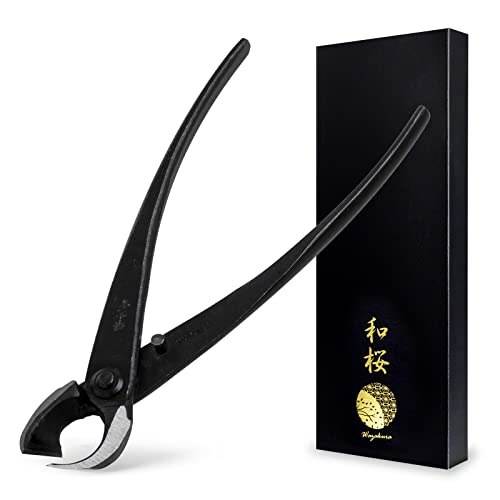
Bonsai work demands precision tools, not garden shovels. The Wazakura Concave Branch Cutter is hand-forged in Japan from S55C carbon steel with a black coating that resists rust during repeat use. The concave blade shape, which curves inward on the cutting edge, is designed to leave a small hollow when you remove a branch.
That hollow matters: it allows the tree to heal flush rather than leaving a raised scar. For hobbyists working on root pruning during repotting or branch removal at the trunk, this is a specialty instrument. It cuts branches from roughly 8 to 13 millimeters thick with clean precision.
Well-Handled Touches
- S55C carbon steel holds an edge through repeated cuts
- Concave blade geometry encourages clean healing on the parent tree
- Black coating helps protect against rust during humid conditions
- Hand-forged construction reflects traditional Japanese craftsmanship
Small Caveats
- Limited to thin branches, roughly 5/16″ to 1/2″ capacity
- Not suited for large root masses or landscape-scale digging
- Carbon steel requires wiping down after use to prevent corrosion
Perfect Match For
Bonsai enthusiasts performing detailed branch pruning and root work during repotting sessions.
Skip It When
You need an all-purpose garden tool. The Black Iron Hori Hori Garden Knife handles mixed digging and root cutting more flexibly.
Roots aren’t only underground. Surface roots, low suckers, and root-like shoots sprouting from tree bases all need a cutting tool that can reach out and snip cleanly. The Fiskars 28″ Bypass Loppers handle branches up to 1.5 inches thick, and the bypass blade design (where two curved blades slice past each other like scissors) produces a clean cut rather than crushing woody tissue.
Compared to the hori hori knife earlier, loppers extend your reach into the canopy and along ground-level suckers without kneeling. The 28-inch length is the standard configuration, and the steel blade carries a low-friction coating that helps with smooth cuts and rust resistance.
Noteworthy Benefits
- Bypass blade slices through live wood without crushing the cambium layer
- 28-inch handles provide reach into shrubs and low tree limbs
- Low-friction coating reduces gumming from sap and aids rust resistance
- Cuts up to 1.5-inch branches, covering most yard clean-up tasks
Honest Caveats
- Less effective on dead, dry wood compared to anvil-style loppers
- Two-handed use, which slows single-person cleanup jobs
Right Fit For
Homeowners maintaining trees and shrubs, especially those pruning live branches and root-like suckers throughout the growing season.
Not Your Match When
Thick dead branches and seasoned wood call for the TABOR TOOLS GG12A Anvil Lopper, which uses compound leverage for tougher cuts.
The Knob Cutter is the cousin to the Concave Cutter reviewed earlier, but with a rounded cutting edge designed specifically for removing knobs and stubs flush against the trunk. The round profile bites into raised growth where a straight blade would leave an awkward nub.
Hand-forged from S55C carbon steel and weighing just over eight ounces, it stays comfortable through long pruning sessions. The 8.25-inch length gives you controlled leverage without feeling bulky in hand. For serious bonsai work, this complements the straight concave cutter rather than replacing it.
Benefits That Matter
- Round cutting edge produces a flush hollow when removing knobs
- S55C carbon steel holds a sharp working edge
- Cuts branches up to 18mm, slightly thicker than the concave model
- Light 8.11-ounce weight reduces hand fatigue during long sessions
A Few Limitations
- Specialty tool with limited use outside detailed bonsai work
- Carbon steel still needs a wipe-down after each use to prevent rust
Who Should Grab It
Bonsai artists refining trunk lines and removing stubs who already own or plan to own other specialty cutters.
Swap It Out When
You want a more versatile starter set. The Wazakura 6PCS Bonsai Tool Kit bundles multiple cutters in one roll case.
Buying individual bonsai cutters one at a time adds up. The Wazakura 6-piece kit bundles the essentials into a single roll case: Yasugi steel twig scissors, a concave cutter, a knob cutter, jin pliers, wire cutters, and a dedicated root cutter. Each piece is hand-forged in Sanjo, Niigata Prefecture, a region with a centuries-long metalworking tradition.
For someone stepping into bonsai seriously, this kit replaces guesswork about which cutters you need. The root cutter in particular handles the trimming required when repotting, where you’re cutting root mass back to fit a smaller container. Most owners find the roll case keeps everything organized in a shed drawer or workbench.
Why It Works Well
- Six specialty tools cover trimming, cutting, wiring, and root work
- Cutters use S55C carbon steel for durability
- Scissors feature YCS3 alloy tool steel for fine twig work
- Roll case keeps tools organized and portable for workshops or club meetings
Possible Compromises
- Higher upfront investment than buying a single cutter to start
- Specialized tools sit unused if bonsai interest fades over time
- Carbon steel surfaces need routine oiling to prevent oxidation
Feature Rundown
Built With In Mind
Dedicated bonsai hobbyists who want a complete starter set rather than piecing together individual cutters over time.
A Better Fit Elsewhere
Casual gardeners wanting one multi-purpose tool should consider the Black Iron Hori Hori Garden Knife instead.
The Kemaier trowel is built for gardeners who regularly push through clay, gravel, and root-filled soil. The rust-resistant stainless steel construction resists bending, and the dual-sided serrated edge lets you saw through roots from either direction without flipping the tool.
Compared to the Wilcox trowel covered earlier, this one leans heavier and feels more substantial in hand. The trade-off is fatigue during long sessions, but the upside is a tool that doesn’t flinch when you hit a hidden rock or thick root. For tougher bed preparation, it’s a reliable upgrade.
What Makes Sense
- Dual-sided serrated edge saws through roots in either direction
- Rust-resistant stainless steel handles wet soil and storage conditions
- Heavy-duty construction survives impacts with rocks and compacted ground
- Useful for transplanting, weeding, and digging small root systems
Points To Keep In Mind
- Heavier than a standard trowel, which tires hands during extended use
- Smaller than a shovel, so big landscaping projects still need full-size tools
Who Will Love This
Gardeners working clay-heavy beds, rocky soil, or established perennial borders where standard trowels bend or chip.
Another Choice May Suit
Backpackers and travelers need something lighter; the Root Slayer 22311 Nomad Garden Spade fits that scenario better.
Anvil loppers work differently than bypass models: a single sharp blade closes down onto a flat anvil surface, which is ideal for dry, dead, or woody material. The TABOR TOOLS GG12A uses compound action, a mechanism that multiplies the force you apply through the handles, to slice through branches up to two inches across.
Where the Fiskars bypass loppers earlier suit live green wood, this tool handles the thick, dead stuff that builds up after storms or seasonal cleanup. The 30-inch reach and hardened carbon steel blade make quick work of larger cuts that would otherwise require a hand saw.
What Works In Its Favor
- Compound action multiplies hand force for heavy cuts
- Two-inch cut capacity handles thick branches and root-like growth
- 30-inch handles extend reach for high cuts and ground-level suckers
- Hardened carbon steel blade stays sharp through repeated use
Things To Weigh
- Anvil design can crush live green wood rather than slicing cleanly
- Bulkier than bypass loppers, so it takes more storage space
Technical Highlights
Right Fit For
Homeowners clearing storm damage, deadwood, and thick seasonal growth where extra leverage matters more than clean live-wood cuts.
Where It Is Less Suited
Delicate live pruning on ornamental trees calls for the Fiskars 28″ Garden Bypass Loppers, which make cleaner cuts on green wood.
What To Weigh Before Choosing Tools To Cut Roots
Match The Tool To The Root Size
A taproot (the thick central root growing straight down from a plant) and a feeder root network call for different approaches. Hand tools like trowels and hori hori knives handle small perennial roots and bulb planting. Full-size shovels with serrated tips handle woody shrub roots and transplanting. Loppers and branch cutters step in when root-like growth appears above the soil surface.
Consider The Soil You Work In
Sandy, loose soil lets almost any blade slide through. Clay, gravel, and compacted ground punish thin tools, so heavier-gauge construction earns its keep. Gardeners dealing with rocky conditions should lean toward stainless steel or reinforced trowels rather than stamped aluminum, which bends under load.
Think About Reach And Storage
A 14-inch trowel fits in a garden tote, while a 30-inch lopper needs shed space. Backpackers and campers need compact picks like the Nomad spade. Workshop gardeners with a dedicated tool bench can accommodate full-size loppers and shovels without compromise.
Balance Specialty And Versatility
Bonsai cutters deliver precision but sit unused in general gardening. Multi-purpose knives and trowels cover more tasks in fewer tools. The honest read is that most home gardeners need one versatile tool plus one specialty item for their specific situation, not a kit of six.
Smart Buying Tips For Root Work
Pitfalls Shoppers Hit
Chasing the cheapest option often backfires. Thin blades bend, plastic handles crack, and carbon steel left untreated rusts within a season. Equally, buying the biggest, most aggressive tool on the market doesn’t help if your main need is a tidy perennial bed. Match the tool to your typical root size, not the biggest one you’ve ever faced.
What Separates Premium From Basic
Higher-end tools earn their price through steel quality, forge construction, and rust-resistant coatings. Hand-forged Japanese tools cost more because artisan labor and traditional methods drive production. For occasional weekend gardeners, mid-range stainless tools deliver most of the practical benefit without the boutique price tag. Professionals and dedicated hobbyists usually find the upgrade pays for itself through longevity and sharper, cleaner cuts.
