

A lumpy lawn doesn’t fix itself, and a hand trowel won’t flatten a half-acre backyard. The right tool turns a frustrating afternoon of pushing dirt around into a satisfying one where every pass leaves the ground noticeably smoother. This shortlist covers dedicated leveling rakes for big sweeps, hand tools for spot work around beds and borders, and a couple of utility picks that round out a real yard-care kit.
How The Shortlist Stacks Up

HIDALIFE Stainless Steel Lawn Leveling Rake 30″x10″

FRIDOU 30″ x 10″ Lawn Leveling Rake 304 Stainless Steel
HOUNEN Japanese Weeding Sickle 4.7″ Composite Steel Blade

Dremmt 30×10″ Lawn Leveling Rake Stainless Steel Handle

Nascom Nejirigama Japanese Sickle SK85 Carbon Steel Blade

TOYPOPOR 15″ Gardeners Claw Rake 6 Tines Wood Handle
Bully Tools Steel Soil Probe T-Style Handle USA-Made
VNIMTI Square Shovel D-Handle 41″ Garden Transfer Tool

Rocklin Industry 30″ Lawn Leveling Rake Stainless Steel 78″
The HIDALIFE rake hits a comfortable middle ground for most homeowners who want to flatten a bumpy yard without buying a contractor-grade rig. Its 30-by-10 inch ground plate pushes soil, sand, or compost evenly across a reasonable swath with each pass, and the 78-inch adjustable handle keeps your back mostly out of the work.
You drag it across low spots, fill them, and the plate does the smoothing instead of your wrists. It suits Kentucky bluegrass, Bermuda, and ryegrass lawns, so it works in most climate zones. For DIYers leveling a freshly seeded patch or smoothing topdressing, this pick feels like a safe starting point.
What Earns Its Place
- 30-by-10 inch plate covers enough ground to finish a typical backyard in fewer passes than a hand rake.
- Stainless steel construction holds up to repeated outdoor exposure and resists surface rust.
- Adjustable 78-inch handle fits a range of user heights and reduces bending strain.
- Works across multiple grass types and on bare soil, making it versatile for new and established lawns.
Points To Keep In Mind
- The 30-inch head is narrower than contractor-level tools, so very large lawns take longer to finish.
- Owners commonly report that dried, clumpy soil needs to be broken up first or the plate skips over high spots.
Key Specs
Right Fit For
Homeowners with a small-to-medium suburban yard who want a versatile leveling rake they can pull out several times a year without a learning curve.
Look Elsewhere When
The Dremmt 30×10″ Lawn Leveling Rake with Stainless Steel Handle suits you better for a much larger yard where you’ll lean on the tool weekly and want a beefier build.
Where the HIDALIFE delivers everyday value, the FRIDOU doubles down on materials. The 304 stainless steel is a higher-grade alloy than standard stainless, and the reinforced triangle supports along the bottom of the head aim to prevent the flexing and bending that ruin cheaper leveling rakes.
For gardeners in damp or coastal climates, where rust shows up fast on stored tools, the upgrade matters. The same 30-by-10 inch plate spreads topsoil, sand, compost, dirt, or gravel evenly, and the wider stance glides across low spots without skipping. You mostly just drag it and watch the ground flatten.
A Favorable Mix
- 304 stainless steel resists rust and corrosion far better than carbon steel alternatives.
- Reinforced triangle supports along the underside reduce flex during heavy passes.
- Handles topsoil, sand, compost, gravel, and dirt without scuffing or warping.
- Durable enough for repeated commercial-grade use on large properties.
Honest Caveats
- Heavier than economy models, which may tire out users on long sessions.
- Limited size options in the listing mean shoppers wanting a wider head for acreage may need to look elsewhere.
Made For
Homeowners in humid or coastal regions, or anyone tired of replacing rakes that rust out after two seasons.
A Better Fit Elsewhere
The HIDALIFE 30″x10″ rake is a friendlier choice if a lighter, less expensive tool better matches a casual weekend use schedule.
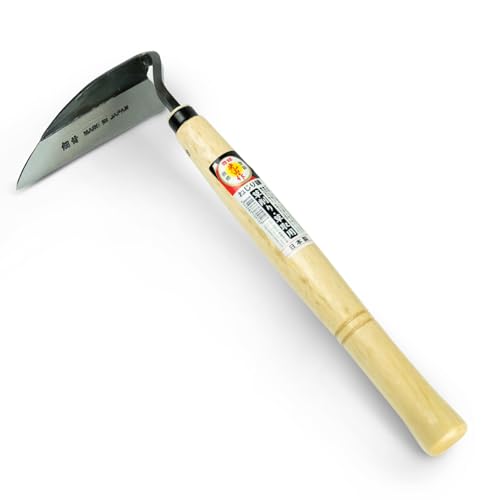
Leveling dirt is rarely just about flattening; you also have to clear the weeds that push up through new topsoil. The HOUNEN sickle handles the close-quarters work a wide leveling rake can’t reach, sliding along the soil surface to shave young growth without disturbing nearby plants.
The 4.7-inch thick composite steel blade has a twisted profile that supports firm scraping around flower beds and tight borders. Right-handed gardeners will get the most from the angled edge. It complements the wider leveling rakes on this list by handling the spots they can’t reach.
Useful Highlights
- Twisted blade profile scrapes cleanly along the soil line without digging in.
- Compact 4.7-inch size fits between closely planted flowers without damage.
- Composite steel construction balances edge retention with workability.
- Doubles as a trimmer for light grass and edge cleanup around beds.
Small Caveats
- Right-handed design limits comfort for left-handed users.
- Hand tools like this require more frequent blade cleaning to prevent sap buildup, a commonly reported ownership task.
Perfect Match For
Right-handed gardeners who maintain detailed flower beds and need surgical weed control close to desirable plants.
Skip It When
The Nascom Nejirigama Japanese Sickle is a smarter pick if you prefer a carbon steel blade that holds an especially fine edge.
The Dremmt targets people who want more than a casual weekend tool. Where many entry-level rakes flex when you push through a hard patch, the stainless steel handle and reinforced plate keep the head tracking flat, filling low spots while breaking up clumps in the same motion.
Available configurations run from a 30-by-10 inch head on a 6.5-foot handle up to wider 45-by-10 inch versions for serious acreage. It suits backyard, garden, golf course, farm, and pasture work, depending on the size you pick. Compared to the HIDALIFE earlier in this list, it carries more weight and demands more from the user, but returns that effort with smoother results on stubborn ground.
What Works In Its Favor
- Stainless steel handle resists bending during heavy, repetitive passes.
- Multiple size options accommodate small yards through multi-acre properties.
- Plate flattens soil clumps while filling low hollows in a single pass.
- Useful for repairing pet spots, prepping for sod, and routine topdressing.
Trade Offs
- Heavier than lighter rakes, which may matter for users with limited upper-body strength.
- Larger sizes demand more storage space in a standard garden shed.
- Wider plates are less precise around tight garden borders.
Key Specs
Best Suited To
Property owners with bigger yards or tougher soil who level the ground more than once a season and want a tool that won’t quit.
Swap It Out When
The HIDALIFE Stainless Steel Lawn Leveling Rake is the smarter pick for small backyards where the extra weight and length feel like overkill.
The Nascom Nejirigama takes the Japanese sickle concept and sharpens the focus. The SK85 carbon steel blade (a Japanese high-carbon tool steel known for taking a precise edge) measures 4.72 inches long, slicing just below the soil line to remove the growing point of grass roots without yanking the whole plant out.
That precision matters in garden beds where you want weeds gone but don’t want to disturb the soil structure you’ve worked to level. Pair it with a wide leveling rake for the open ground and use the sickle for everything within a foot of your prized perennials.
What Makes Sense
- SK85 carbon steel holds a fine, lasting edge through repeated weeding sessions.
- Compact blade reaches into crowded plantings without damaging nearby roots.
- Removes the growing point of grass roots, which discourages regrowth.
- Hand-held design gives direct feedback on pressure and angle.
Some Limits To Know
- Carbon steel requires drying after use to prevent surface oxidation, a routine upkeep consideration.
- Small size makes it impractical for anything beyond targeted weeding.
Feature Snapshot
Who Will Love This
Detail-oriented gardeners who want a refined hand tool to complement a wider leveling rake on the same job.
Reach For A Different Pick When
The HOUNEN 4.7″ Composite Steel Blade sickle is a friendlier match if lower-maintenance stainless appeals more than peak edge retention.
Before a wide leveling rake can do its work, you often need to break up compacted soil. The TOYPOPOR claw rake tackles that prep with a 15-inch head and curved tines that dig in, twist, and pulverize the surface so air and water can move through it.
You twist it into the dirt with both hands and lift. The military-grade steel tines flex without bending, and the wood handle keeps the tool light enough for raised bed work. It’s the kind of tool you reach for between leveling passes when the soil starts to compact again.
A Few Highlights
- Curved tines break compacted soil into smaller pieces that level out more easily.
- Military-grade steel resists flex while staying light enough for one-handed twisting.
- Wood handle provides a natural, grippy feel even with damp hands.
- Useful for aerating around existing plants without disturbing roots.
Things To Consider
- Short 15-inch head covers less ground than long-handled cultivators, which slows work on bigger plots.
- Wood handle benefits from occasional oiling to stay smooth, an ownership task worth planning for.
Who Should Grab It
Raised-bed gardeners and small-plot growers who want a hand tool that preps soil quickly before leveling or planting.
Not Your Match When
The VNIMTI Square Shovel with D-Handle makes more sense if you need to move larger volumes of soil and want step-on leverage.
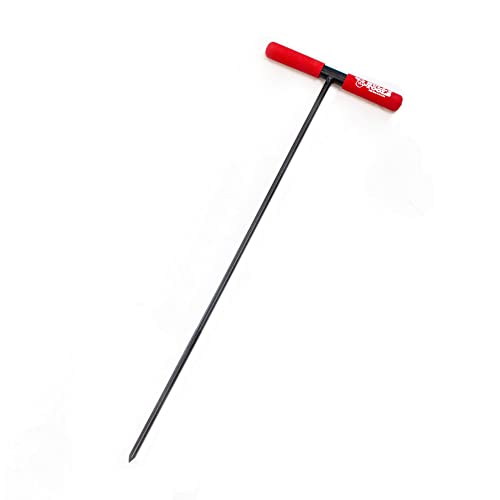
Before you level a yard, it’s smart to know what’s under it. The Bully Tools soil probe drives a half-inch solid steel rod into the ground to locate septic systems, drain fields, underground tanks, and plumbing before any serious digging starts.
Available in 36-, 48-, and 53-inch lengths, each with a sharpened point and powder coat finish, the probe handles compacted and rocky conditions without flexing. The T-style handle with rubber grips gives you leverage without slipping. It’s the safety-first companion to the leveling rakes earlier in this list.
What Helps Most
- Half-inch solid steel rod punches through hard, compacted, and rocky ground reliably.
- Three length options (36″, 48″, 53″) match varied probing depths.
- Powder coat finish guards against rust across seasons of outdoor use.
- Made in the USA from American steel, supporting domestic manufacturing standards.
- Rubber-gripped T-handle reduces fatigue during extended probing sessions.
A Few Limitations
- Single-purpose tool that does not contribute to actual leveling or digging.
- Longer 53-inch version requires more storage space and can be unwieldy in tight spots.
Key Product Details
Whose Shelf It Belongs On
Property owners preparing any major leveling or digging project who need to verify the location of buried utilities first.
Consider Something Else When
The VNIMTI Square Shovel is a better fit if your priority is moving and leveling material rather than locating what’s underground.
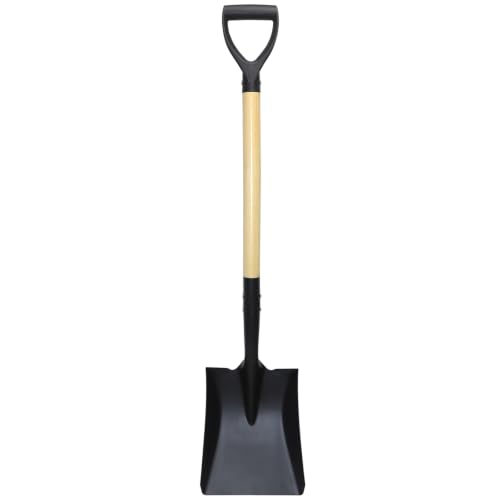
A leveling rake works best when it has material to spread around. The VNIMTI square shovel handles the moving-and-transferring side of any leveling job, scooping dirt, topsoil, compost, or even snow and dropping it where the rake can take over.
The 41-inch overall length with a D-handle keeps your posture reasonable, and the flat blade carries more per scoop than a rounded shovel. Step-on wings along the top of the blade let you put your weight into each dig without twisting your foot. It pulls double duty as a trenching and edging tool when the leveling job ends.
Advantages To Know
- Flat blade carries a larger volume per scoop than a rounded-point shovel.
- D-handle design improves grip security during heavy lifting and transfer work.
- Step-on wings at the blade top let you drive it into hard ground with body weight.
- Multi-purpose design handles garden edging, trenching, and light snow clearing too.
Possible Compromises
- Square blade is less efficient than a pointed shovel for breaking into unbroken sod.
- Basic construction lacks the heavier-gauge steel of contractor-grade options, so heavy daily use may show wear sooner.
Built With In Mind
DIYers handling weekend landscaping projects who need one tool that can dig, transfer, and edge without buying separate implements.
Another Choice May Suit
The TOYPOPOR 15″ Gardeners Claw Rake fits better if you’re focused on loosening and aerating existing soil rather than moving material.
The Rocklin closes out the list by checking the boxes most homeowners care about: a 30-inch stainless steel head that balances coverage and control, and a 78-inch handle that keeps your back upright while you work. The center-mounted plate hugs the ground, smoothing low spots, blending soil, and spreading topdressing with predictable results.
It’s the most residential-focused option on this shortlist, designed around the realities of a backyard rather than a multi-acre property. Pulling it across the lawn feels less like operating equipment and more like sweeping with purpose.
What It Does Well
- 30-inch head hits a balanced size between hand rakes and wide contractor tools.
- 78-inch handle reduces bending during longer leveling sessions.
- Center-mounted plate stays grounded for consistent smoothing.
- Handles topdressing, sand spreading, and routine lawn leveling with equal ease.
Less-Strong Areas
- Residential sizing means very large properties will need wider coverage than this provides.
- Lacks the reinforced understructure of higher-end options like the FRIDOU, so pushing into hard soil takes more effort.
Feature Rundown
The Right Fit
Suburban homeowners leveling a typical backyard who want one tool that handles spot repairs, topdressing, and seasonal smoothing without specialization.
Where A Sibling Pick Shines
The FRIDOU 30″ x 10″ Lawn Leveling Rake is the stronger pick if your climate is damp or coastal and rust resistance matters most.
What Matters Most Before Choosing Tools To Level Dirt
Size Of The Area You’re Working
A 30-inch leveling rake covers small-to-medium residential lawns efficiently. Properties an acre or larger benefit from wider plates (35 to 45 inches) that cut down on the number of passes. For a quarter-acre suburban lot, the standard 30-inch head on tools like the HIDALIFE or Rocklin handles the work without becoming unwieldy.
Material And Build Quality
Stainless steel resists rust and weather damage far better than painted carbon steel, especially in humid or coastal climates. The FRIDOU’s 304 stainless upgrade costs a bit more but returns the investment through longer tool life. Cheaper carbon steel tools can still work well in dry climates but require more diligent drying after use.
Handle Length And Ergonomics
A 78-inch handle keeps most users standing upright, which matters during long leveling sessions. Adjustable handles (like the HIDALIFE) accommodate multiple users in one household. Shorter handles save storage space but force more bending, which adds up over a full afternoon of work.
Hand Tools For Detail Work
A wide leveling rake can’t reach within a few inches of prized plants. That’s where a Japanese sickle, like the HOUNEN or Nascom Nejirigama, earns its place on your shelf. These precision tools handle the bed edges and tight corners that big rakes either skip or damage.
Key Considerations Across These Picks
Common Shopping Slip Ups
Going too wide on the head before you’ve tried a standard size is a frequent misstep. A 45-inch plate sounds productive, but for someone with a small yard and limited storage, it’s just harder to maneuver. Matching the tool to your actual property size matters more than chasing coverage.
Forgetting to probe for utilities before major digging or grading is another common mistake. A soil probe like the Bully Tools can save you from a broken irrigation line or worse. Skipping that step because it feels like extra work leads to expensive repairs later.
Where The Extra Money Goes
Higher prices in this category typically buy better steel, reinforced joints, and corrosion-resistant finishes. The FRIDOU’s 304 stainless and triangle reinforcement cost more because the materials and engineering are genuinely better, not because of brand markup.
The upgrade is worth it for tools you’ll use repeatedly across multiple seasons. For a one-time project, a mid-tier option like the Rocklin or HIDALIFE delivers most of the benefit at lower cost. Heavy weekly users benefit most from the premium construction.
Frequently Asked Questions
How often should you level dirt in a yard?
For most residential lawns, leveling once or twice a year, typically in early spring and early fall, is enough to keep low spots from becoming persistent problems. Yards with active pet damage or new sod may need spot-leveling more often during the first growing season.
Can a leveling rake handle rocky soil?
Standard leveling rakes work best on soil that has been cleared of larger rocks first. A claw rake or cultivator, like the TOYPOPOR, helps break up surface compaction before you bring out the leveling rake. Repeated passes over rocky ground can bend lighter plates, so heavier-duty tools like the Dremmt suit that environment better.
Do I really need a soil probe before leveling?
For projects involving any significant digging, trenching, or moving of soil, probing first protects you from hitting buried utilities like septic lines, water pipes, or irrigation. The Bully Tools probe is the standard tool for that pre-work check. For purely surface-level topdressing of established lawn, probing is usually unnecessary.
What’s the difference between a leveling rake and a regular rake?
A leveling rake features a flat metal plate that pushes and smooths soil, while a traditional leaf or bow rake uses tines to gather debris. The flat plate distributes material evenly across low spots, while a tined rake moves material in piles. They complement each other, with each handling different parts of yard work.
How long does a stainless steel leveling rake last?
With reasonable care, including drying after use and indoor storage, a stainless steel leveling rake commonly lasts many years of regular residential use. Coastal or humid environments accelerate wear on cheaper metals, which is where 304 stainless tools earn their premium.
The Takeaway
A good leveling setup pairs a wide plate rake for the bulk of the work with a hand tool or two for the tight spots the rake can’t reach. Match the head size to your property, pick stainless steel in wet climates, and don’t skip the soil probe before any major digging. The right combination turns leveling from a frustrating chore into a satisfying afternoon outside.
