

Pulling roots out of a yard is rarely a quick job. Whether you’re fighting invasive vines along a fence line, clearing saplings from a pasture, or digging out stubborn taproots in a vegetable bed, the right tool turns a back-breaking afternoon into a manageable one. This roundup focuses on manual root and weed removal tools that cover small flower beds, mid-size saplings, and larger woody stems, so you can match the tool to your soil, your project, and your strength.
How The Shortlist Stacks Up

Leriton Medium Sapling Puller Heavy Duty Tree Root Puller

Leriton Large Sapling Puller Heavy Duty Tree Root Puller

Root Slayer 22311 Nomad Garden Spade Serrated Edge Red
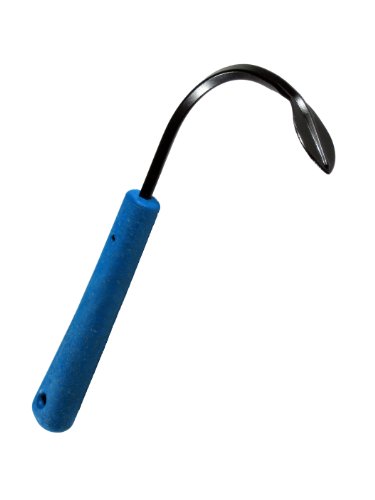
CobraHead Original Weeder & Cultivator Garden Tool
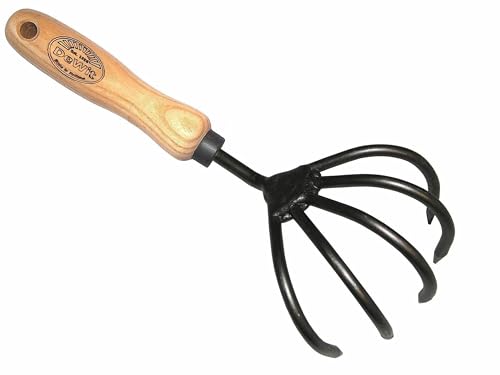
DeWit 5-Tine Hand Cultivator Tempered Boron Steel

Ecliptica Upgraded 43″ Sapling Puller One-Piece Steel

Universal Large Aluminum Boat Side Console Mount Bracket

Ecliptica Aluminum Edge Trimming Guide with 13 Blades

Leriton Medium Sapling Puller Heavy Duty 43.3″

Leriton Small Sapling Puller Heavy Duty 39.4″
More Details On Our Top Picks
The medium Leriton sapling puller targets a practical sweet spot: stems from a quarter inch up to two inches across, which covers most volunteer trees, bramble crowns, and fence-line invaders you’ll meet in a typical suburban lot. Where a shovel forces you to lever huge amounts of soil, this tool uses high-leverage geometry to clamp low on the stem and pry upward with foot pressure.
The low-carbon steel frame keeps weight manageable for longer sessions, and the rubberized handle absorbs some of the snap when a stubborn root finally releases. Compared with the CobraHead weeder below, this one trades fine detail work for raw pulling power, so homeowners clearing a half-acre of scrub tend to reach for it first.
Notable Upsides
- Handles 1/4″ to 2″ stems, covering most volunteer saplings and bramble crowns.
- High-leverage frame converts foot pressure into pulling force, sparing your back.
- Rubber handle grip stays secure when the tool finally breaks a root free.
- Low-carbon steel construction balances strength with manageable weight.
Things To Consider
- Wet clay soils can still demand prying around the root ball after the pull.
- Tool length can feel awkward in tight ornamental beds where a short spade fits better.
Built With In Mind
Homeowners and hobby farmers clearing medium saplings, brambles, and fence-line weeds on a regular basis will get the most mileage from this lever-style puller.
Look Elsewhere When
The CobraHead Original Weeder & Cultivator suits gardeners focused on tight vegetable beds and shallow taproots rather than woody saplings.
The large Leriton extends the same lever-style approach to thicker stems, giving landowners extra reach and a more aggressive bite when the brush has been ignored for a season or two. You stand further back, place the jaws around a 1.5-inch hardwood shoot, and let your body weight do the pulling.
The trade-off for that extra length is a heavier feel and a wider turning radius in close quarters. Anyone working open pasture, food plots, or the back corner of a woodlot will appreciate the leverage, while gardeners working a 4×8 raised bed should look at the smaller Leriton sizes later in this list.
Real Benefits
- Long handle gives leverage on 2-inch woody stems that fight back.
- Same low-carbon steel frame as the medium model for consistent strength.
- Foot-step clamping keeps your hands away from the breaking force.
- Reduces the need for chains or tractor work on small-scale clearing jobs.
Points To Keep In Mind
- Heavier than the medium version, which adds fatigue over a full day.
- Overkill for shallow-rooted garden weeds that a hand tool handles faster.
Whose Shelf It Belongs On
Landowners, farmers, and foresters clearing pasture edges, fence rows, and woodlot regeneration will find this size pays for itself fast.
A Better Fit Elsewhere
For tighter garden work, the DeWit 5-Tine Hand Cultivator offers better control in raised beds and borders.
The Root Slayer Nomad takes a different approach: instead of gripping and pulling, it saws through roots with a serrated edge that bites as you drive the blade into the soil. The compact size makes it a favorite for campers, off-trail hikers, and gardeners who want a single tool that handles both digging and root severing.
Because the serrations do the cutting, you don’t need a separate pruning saw for medium roots. Compare that to the Leriton pullers above, which yank the whole plant out: this spade leaves the root system in place but chops it into manageable pieces you can pry out by hand.
Good Reasons To Consider
- Serrated edge saws through roots up to an inch or more without a separate tool.
- Compact footprint fits a backpack or small storage bin.
- Doubles as a planting and transplanting spade for general yard work.
- Works on tough soils where a flat-edged shovel slides off the root.
Some Limits To Know
- Pulls nothing on its own, so thick saplings still need follow-up work.
- Smaller blade means more strokes per hole than a full-size spade.
Feature Snapshot
Who It Suits Best
Campers, hikers, and homeowners who want a single compact tool for digging, planting, and slicing through smaller roots.
Swap It Out When
The Ecliptica 43″ Sapling Puller is the better call for repeated whole-plant removal of woody stems.
The CobraHead original is a hand tool, and that’s the point. Its curved tempered steel blade hooks under roots and pulls them out of loose soil with a simple wrist action, which makes it a long-time favorite for vegetable gardeners and anyone working close to desirable plants.
Made in the USA with a recycled plastic handle that works for right or left-handed users, it covers the small end of the root-removal spectrum. Where the Leriton pullers above rely on body weight, this one is a precision tool for dandelions, plantain, and shallow tree seedlings in tight rows.
What Works In Its Favor
- Curved blade grabs small taproots a flat trowel leaves behind.
- Lightweight build keeps hands fresh during a long weeding session.
- Works for both right- and left-handed users without adjustment.
- Compact enough to carry to a community plot or community garden bed.
Honest Caveats
- No leverage for woody stems above roughly a finger’s thickness.
- Recycled plastic handle is comfortable but won’t survive prying rocks repeatedly.
Made For
Vegetable gardeners and beginner homeowners pulling dandelions, plantains, and small seedlings from cultivated beds.
Not Your Match When
For thick saplings or brush, the Leriton Medium Sapling Puller is the more capable option.
The DeWit 5-tine cultivator is a short claw that rakes through soil to expose roots, lift debris, and aerate beds in one motion. Made with tempered boron steel tines (a high-strength alloy prized for edge retention) and an ash hardwood handle, it feels more like a hand-forged tool than a mass-market garden accessory.
At 11 inches long, it thrives where bigger tools can’t reach: tight rows, raised bed corners, between shrubs. Compared to the CobraHead above, it covers more square inches per stroke but lacks the hooked blade for individual taproot extraction.
Reasons It Performs
- Tempered boron steel claws hold an edge and resist bending in clay.
- Ash hardwood handle absorbs shock and stays comfortable over time.
- Compact 11-inch length navigates tight raised beds and containers.
- Doubles as a soil aerator and debris rake during garden cleanup.
Worth Bearing In Mind
- Five tines can clog in wet, sticky soil that needs drying first.
- Short handle forces stooping for users with back issues.
Right Fit For
Raised bed growers and detail-oriented gardeners who want a heirloom-style tool that lasts decades with basic care.
Consider Something Else When
For upright leverage on woody stems, the Ecliptica 43″ Sapling Puller is a more back-friendly choice.
The Ecliptica 43-inch puller uses a one-piece steel frame, which removes the welded joint that tends to be the failure point on cheaper lever tools. That single-piece construction addresses a common complaint with multi-piece pullers, where repeated stress loosens the connection over time.
The design accepts 1/4″ to 2″ woody stems and includes a foot-pedal assist for clamping. Compared to the Leriton models earlier in this list, the build is similar in function but slightly different in geometry, so shoppers choosing between them should consider handle length and grip feel before deciding.
Useful Highlights
- One-piece steel frame avoids bending or breakage at welded joints.
- Foot-pedal action gives consistent clamping without hand strain.
- Handles vines, thorns, and shrubs in addition to straight saplings.
- Suited to farm, garden, and general landscaping cleanups.
A Few Limitations
- Single-piece design limits replacement of worn jaws or grips.
- 43-inch reach can be cumbersome for shorter users working close to walls.
Spec Overview
Who Should Grab It
Farmers and serious landowners who plan to clear saplings, vines, and brush on a recurring basis across larger areas.
Reach For A Different Pick When
For tighter work between shrubs, the CobraHead Original Weeder & Cultivator offers finer control.
This Ecliptica bracket steps away from the yard and onto the water: a side-mount plate for marine electronics like fish finders, VHF radios, and 12V USB plugs. It’s built from 3mm marine-grade aluminum with laser-cut edges and TIG welding (a clean, high-penetration weld process common in marine fabrication).
The 25mm mounting edge sits 30mm wider and 20mm longer than standard brackets, leaving room for larger switch panels. Anglers and boating households sometimes find a category crossover useful when a single brand covers both their yard tools and their console upgrades.
The Good Stuff
- Marine-grade aluminum resists corrosion in saltwater conditions.
- Extra-wide 25mm mounting edge fits oversized switch panels.
- Laser-cut and TIG-welded construction for clean, strong seams.
Less Ideal Details
- Not a root-removal tool; included for category-cross-reference.
- Requires compatible boat console hardware for installation.
Perfect Match For
Boat owners upgrading side console accessory layouts who already trust a tool-grade aluminum bracket.
Skip It When
For actual yard root work, the Leriton Large Sapling Puller is the relevant pick on this list.
The edge trimming guide from Ecliptica is a precision cutting template: an aluminum straightedge with slots that hold a utility knife at 90 degrees for clean edges on vinyl wrap and wallpaper projects. The 13-blade and three-handle bundle gives you spares ready before a mistake costs you a panel.
Lightweight aluminum keeps the guide flat against the work surface without flex, which is the difference between a clean seam and a wavy one. It’s a category outlier here, but it speaks to the same attention to repeatable cutting that helps with root edges around landscape borders.
The Value In It
- Aluminum body resists flex for true 90-degree cuts.
- 13 replacement blades extend the working life of the kit.
- Three handle options suit different grip preferences.
Things To Weigh Up
- Blade slots fit specific utility knife profiles; check compatibility first.
- Not a yard tool; useful for finish work rather than root removal.
Best Suited To
DIYers finishing wallpaper seams or vinyl wrap edges who want consistent 90-degree cuts across a long run.
Another Choice May Suit
For actual root and sapling work, the Leriton Medium Sapling Puller is the relevant option.
This medium Leriton is the 43.3-inch sibling to the first puller in this list, and the extra reach makes a real difference for taller users and anyone pulling from a more upright stance. Same low-carbon steel frame, same lever geometry, just a longer handle for better posture during long sessions.
The rubber handle is the comfort differentiator. After an hour of clearing brush, a slippery grip is usually what slows you down. The longer shaft also gives more clearance around thorny stems, keeping your hands further from the snap zone.
Where It Helps
- 43.3-inch length suits taller users and reduces stooping.
- Rubber handle grip holds up through sweaty, high-volume jobs.
- Covers the same 1/4″ to 2″ stem range as the shorter Leriton models.
Small Caveats
- Longer shaft adds a small amount of weight over the compact medium model.
- Storage in a small shed or truck bed needs a bit more clearance.
Feature Snapshot
The Right Fit
Landowners who clear brush regularly and want a back-friendly handle length with a comfortable grip.
Where Another Pick Suits Better
The Root Slayer Nomad Garden Spade makes more sense for compact digging in tight garden spots.
The small Leriton pulls in at 39.4 inches, which is the shortest in the family but still long enough for upright work on shorter users. It targets the same 1/4″ to 2″ stem range as its siblings, with the same low-carbon steel frame and rubber handle.
The shorter length shines in tight garden edges, narrow pathways, and orchard rows where a longer tool swings into the next plant. If the medium and large Leritons feel like overshoot for your scale of work, this is the right-sized pick.
What It Does Well
- Compact 39.4-inch length fits narrow garden pathways.
- Same proven low-carbon steel construction as larger Leriton models.
- Rubber grip keeps control when the root finally releases.
- Lighter feel over a full afternoon of repeated pulls.
A Few Limitations
- Less leverage than the 43-inch models on stubborn taproots.
- Small jaws may struggle on stems near the 2-inch upper limit.
Who Will Love This
Home gardeners and shorter users clearing brush along pathways and orchard rows where longer tools feel clumsy.
Not Your Match When
For wide-open pasture clearing, the Leriton Large Sapling Puller offers more leverage per pull.
Matching The Right Puller To Your Property
The first thing to settle is stem diameter. Tools that comfortably pull a half-inch bramble will buckle on a 2-inch volunteer tree, and oversized pullers waste effort on shallow weeds. For most homeowners, a puller rated for 1/4″ to 2″ stems covers the realistic range from fence-line brambles up to neglected saplings.
Next, weigh handle length against body height and storage. A 43-inch tool gives taller users more leverage and less stooping, but if your shed is shallow or your rows are tight, the shorter versions stay out of the way. Soil type matters too: lever-style pullers work best in loam and sandy ground, while clay often demands follow-up digging with a spade like the Root Slayer Nomad.
Finally, decide between pulling and cutting. Pullers extract the whole plant, which prevents regrowth from root fragments. Serrated spades chop roots in place, which is faster but lets some species resprout. For invasive vines and persistent brush, pulling wins; for occasional taproots in a garden bed, cutting is fine.
Key Considerations Across These Picks
Wrong Turns To Avoid
The most common misstep is matching a tool’s stem rating to the wrong end of your project. A puller rated for tiny seedlings feels useless on a 2-inch stem, while a heavy-duty tool overwhelms dandelions. Check both the minimum and maximum stem size before committing.
Another trap is ignoring soil type. Lever pullers need soil that releases, and clay-heavy yards can lock the jaws even when the stem is well within range. In that case, plan to pre-loosen with a spade, or lean toward a serrated blade that cuts roots in place.
Where The Extra Money Goes
Higher-tier pullers tend to spend the budget on frame construction. One-piece steel frames avoid the welded joint that loosens over time, and forged boron steel resists bending in rocky soil. The upgrade pays off if you clear brush every season; for a single weekend project, a basic lever puller often does the job at lower cost.
Frequently Asked Questions
What size sapling puller do most homeowners need?
A medium puller in the 40 to 43-inch range handles 1/4″ to 2″ stems, which covers most volunteer trees, brambles, and fence-line brush. Shorter users sometimes prefer the compact 39-inch model for tighter control.
Can a sapling puller work in clay soil?
Lever-style pullers work best in loam or sandy soil. In heavy clay, you may need to loosen around the root with a spade first, or switch to a serrated spade that cuts roots in place rather than pulling the whole plant.
Is a serrated spade better than a puller for root removal?
Each approach suits a different goal. Pullers extract the entire plant and prevent regrowth from leftover roots. Serrated spades slice roots quickly but leave fragments that some species resprout from.
How do I maintain a steel sapling puller?
Wipe the frame dry after use, especially in wet or clay conditions, and store it indoors or under cover. A light coat of oil on the pivot and jaw area once a season helps prevent surface rust on exposed steel.
Are these tools safe for one person to use?
Most manual pullers are designed for single-operator use, but reading the included safety guidance is essential before first use. Sturdy footwear and gloves are commonly suggested, and the tool should always be kept away from bystanders during a pull.
The Takeaway
The right root-removal tool comes down to stem diameter, soil type, and how often you clear brush. A medium puller covers most suburban yards, while a spade or hand weeder handles the detail work between shrubs and beds. Start with the scale of your project, then pick the tool that matches it, and the next round of clearing will feel a lot shorter.
