

The right wood pellets quietly decide whether your Saturday cookout tastes like a backyard memory or just another grilled protein. Most folks underestimate how much fuel choice matters until they’ve burnt through a bag of cheap filler and watched their brisket pick up a chemical afterbite. This lineup cuts through the noise with hardwood blends built for pellet grills, smokers, and a few creative crossovers worth knowing about.
The Essentials At A Glance
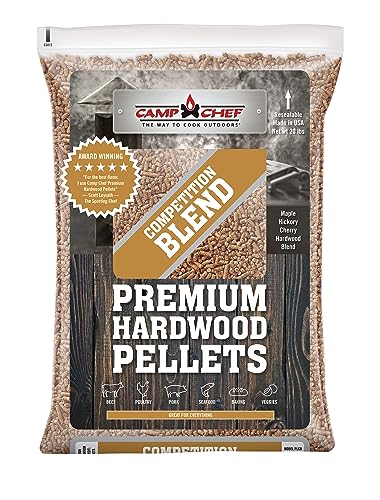
Camp Chef Competition Blend BBQ Pellets 20 lb. Bag

Traeger Signature Blend Wood Pellets 18 lb. Bag

recteq Ultimate Blend Hardwood Pellets 40 lb. Bag

recteq Ultimate Blend Hardwood Pellets 20 lb. Bag

recteq Ultimate Hardwood Pellet 2-Pack (Mesquite)

Bear Mountain Alder Hardwood Pellets 20 lb. (2 Pack)
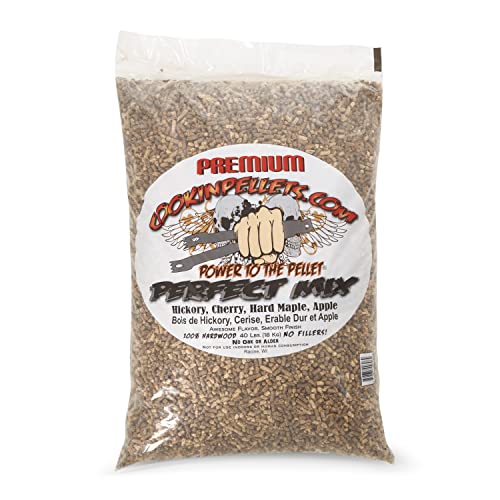
CookinPellets Perfect Mix Hardwood Pellets 40 lb. Bag
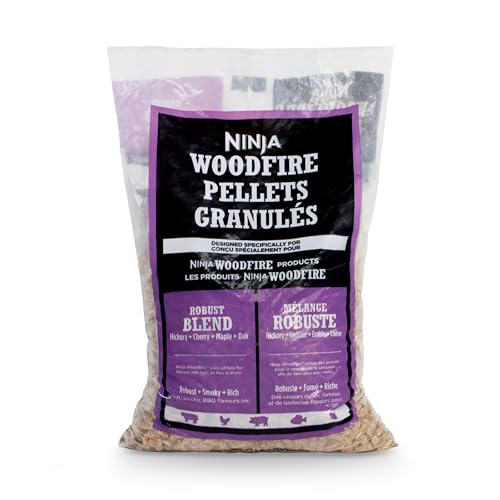
Ninja Woodfire Robust Blend Pellets 5-lb Bag

Camp Chef Cast Iron Griddle 16 x 24

Camp Chef Everest 2X 2-Burner Camping Stove
A Deeper Look At The Lineup
The Camp Chef Competition Blend sits in that sweet spot where most backyard cooks land on their first few pellet bag purchases. A maple, hickory, and cherry hardwood mix, it handles poultry, pork, beef, veggies, and even baked goods without leaning too far in any flavor direction. For folks running a pellet grill every other weekend, that versatility matters more than a single-note smoke bomb.
The 20 lb. bag is the practical middle ground for suburban cooks who burn through one or two bags a month. Owners commonly report clean ash and reliable ignition across long cooks. The blend reads as “classic BBQ” on the plate rather than experimental, which suits most family dinners.
Points In Its Favor
- Maple, hickory, and cherry trio plays well with almost anything you throw on the grate
- Hardwood-only formulation with no oils, chemicals, or binders added
- 20 lb. bag size suits the weekend warrior who doesn’t want a half-ton of pellets in the garage
- Kiln-dried processing helps the pellets burn evenly without flare-ups
Worth Noting
- The “competition” blend leans mild, so smoke enthusiasts may want a bolder single-species bag
- Storage matters: keep the bag sealed in a dry corner or expect fines to swell in humid sheds
Best Suited To
Backyard cooks rotating between chicken, ribs, and weekly steaks on a standard pellet grill.
Reach For A Different Pick When
Traeger loyalists chasing that brand’s signature flavor should consider the Traeger Signature Blend 100% All-Natural Wood Pellets instead.
The Traeger Signature Blend has the quiet advantage of being made by the brand that essentially invented the modern pellet grill category. That pedigree matters when your grill’s auger and fan were tuned around a specific pellet density. The hickory, maple, and cherry trio here reads similar to the Camp Chef competition blend on paper, but the burn profile is what Traeger owners expect.
An 18 lb. bag lands slightly lighter than competitors, which makes hauling it down a basement stairwell less of a chore. The pellets tend to feed smoothly and produce consistent smoke from low-and-slow briskets to seared steaks at high heat.
Positive Points
- Compatible engineering with Traeger grills reduces the risk of auger jams or misfires
- Hickory, maple, and cherry profile offers a balanced middle ground for mixed menus
- Lighter 18 lb. bag is friendlier for smaller storage spots
Some Limits To Know
- Non-Traeger owners can still use the pellets, but may not see optimal burn tuning
- 18 lb. bag means slightly more frequent repurchasing for high-volume cooks
- The flagship “Signature” naming sometimes shows up in retailer markup
Quick Facts
Who Should Grab It
Traeger grill owners who want factory-tuned pellet performance without flavor surprises.
Swap It Out When
Cooks chasing a heavier smoke profile on long brisket sessions should reach for the recteq Ultimate Blend Hardwood Pellets 40 lb. Bag.
The 40 lb. recteq Ultimate Blend is built for folks whose pellet hopper empties faster than their recycling bin. A red oak, white oak, and hickory base gives the smoke a deeper, more savory backbone than the lighter fruitwood blends. For long overnight pork shoulders or thick briskets, that heft shows up as actual bark development rather than a thin smoked veneer.
Bulk sizing means fewer trips to the back porch with a 20 lb. sack. The trade-off is a 40 lb. bag that needs a dry storage spot, since hardwood pellets absorb moisture quickly and crumble if left in a humid garage.
Practical Pluses
- Oak-hickory base produces a fuller, beefier smoke profile
- 40 lb. bulk format reduces repurchasing during summer grilling season
- Free of fillers, binders, and preservatives per manufacturer specs
- Made in the USA from hardwood sources
Trade Offs
- Heavier bag is tougher to maneuver for smaller-framed cooks
- Bulk bags need airtight storage bins to prevent swelling
Made For
Serious weekend pitmasters running long cooks and needing fewer bag changes.
Look Elsewhere When
Light-flavor seekers focused on salmon or chicken should consider the Bear Mountain Alder Hardwood Pellets 20 lb. (2 Pack) for a milder profile.
This is the same oak and hickory blend that built recteq’s reputation, just packaged in a friendlier 20 lb. bag. The smaller format keeps the smoke profile familiar while making hauling and storage far easier than the 40 lb. option. For suburban cooks with a pellet grill and a modest shelf in the garage, it’s often the right entry point.
The flavor sits squarely in “all-purpose BBQ” territory: strong enough for a thick cut of beef, balanced enough not to bully a pork tenderloin. Compared to the Camp Chef Competition Blend, expect more oak backbone and less fruitwood sweetness.
A Few Strong Suits
- 100% all-natural hardwood with no fillers, binders, or preservatives
- Red oak, white oak, and hickory trio delivers a familiar BBQ character
- 20 lb. format is easier to handle and store than bulk bags
Honest Caveats
- Oak-forward smoke can read as heavy on delicate white fish
- Smaller bag means more frequent reordering for high-volume cooks
Perfect Match For
Home cooks focused on beef and pork who want a stronger smoke signature than fruitwood blends.
A Better Fit Elsewhere
Cooks running dedicated fish or poultry smokes will find the Bear Mountain Alder Hardwood Pellets 20 lb. (2 Pack) a lighter match.
Mesquite plays the strongman of the hardwood pellet world: aggressive, distinctive, and not subtle. This 2-pack delivers two bags of pure mesquite pellets designed for cooks who want a real Texas-style smoke stamp on steaks, burgers, or short ribs. The flavor lands more assertively than the oak-hickory blend and isn’t shy about announcing itself.
The 2-pack format also doubles as a flavor-testing opportunity. Mix a scoop of mesquite into an oak-hickory burn to add depth, or run pure mesquite for a single cook and gauge whether the bold profile suits your palate.
Noteworthy Benefits
- Pure mesquite delivers a strong, unmistakable smoke signature
- Two-bag pack lets you experiment with custom blends or stockpiling
- All-natural hardwood composition free of fillers and binders
Less Ideal Details
- Mesquite’s intensity can overpower chicken, fish, or lightly seasoned veggies
- Not a daily-driver pellet for mixed menus
Feature Snapshot
The Right Fit
Steakhouse-at-home cooks and Tex-Mex fans chasing a strong mesquite profile.
Skip It When
Cooks focused on fish, poultry, or mixed menus should pick the milder Bear Mountain Alder Hardwood Pellets 20 lb. (2 Pack).
Bear Mountain’s alder pellets belong to a different branch of the smoke tree than oak or hickory. Alder delivers a delicate, slightly sweet smoke that lifts salmon, trout, and other lighter proteins without overpowering them. For Northwest-style fish cooks, it’s practically a regional tradition.
The 2-pack format doubles your supply, which makes sense for cooks running two or three salmon smokes per month. The pellets burn cleanly with no added flavorings, fillers, or binders per the manufacturer, so the smoke flavor stays food-forward.
What Earns Its Place
- Alder’s light smoke pairs naturally with salmon, trout, and poultry
- 100% all-natural hardwood without flavorings or additives
- 2-pack format is convenient for dedicated fish smokers
- Versatile enough for pork and veggies when you want subtle smoke
Points To Weigh
- Alder’s mild character may feel thin on thick beef briskets
- Larger 2-pack format still needs dry storage to prevent swelling
Whose Shelf It Belongs On
Cooks focused on salmon, trout, and lighter proteins who want gentle smoke flavor.
Consider Something Else When
Smoke enthusiasts seeking bold flavor on red meat should consider the recteq Ultimate Hardwood Pellet 2-Pack (Mesquite).
The CookinPellets Perfect Mix is built around a question most pellet smokers eventually ask: can one bag cover everything? With hickory, cherry, hard maple, and apple in the same sack, this blend aims to. The result is a layered, slightly sweet smoke profile that handles ribs, chicken, pork loin, and even baked goods with reasonable consistency.
The 40 lb. bag is sized for serious cooks running multiple weekend sessions without a refill run. It also signals the brand’s high-volume focus, which means the pellets tend to be denser and produce a steady burn over extended cooks.
What Helps Most
- Four-wood blend covers a wide range of proteins and styles
- 40 lb. format suits frequent grillers and pit crews
- Natural hardwood composition supports cleaner smoke output
Practical Considerations
- 40 lb. bag demands proper dry storage to avoid fines and jams
- Four-wood mix can occasionally read muddled if you’re chasing a single-species profile
Feature Card
Who Will Love This
Pitmasters running mixed-protein smokes across long weekends who want one bag to cover most menus.
Another Choice May Suit
Pure oak-hickory purists chasing a single-flavor profile should consider the recteq Ultimate Blend Hardwood Pellets 20 lb. Bag.
The Ninja Woodfire system flips the usual pellet math on its head. Because it uses pellets for smoke flavor rather than primary fuel, you only need about half a cup per cook. That tiny usage rate means even a small bag stretches surprisingly far, and this 5-lb option suits the Ninja Woodfire grill and oven lineup exactly.
The Robust Blend mixes hickory, cherry, maple, and oak for a classic BBQ smoke profile. High pellet density and low moisture, per the manufacturer, help produce a steady smoke stream even with such minimal fuel loads.
The Value In It
- Engineered specifically for Ninja Woodfire products
- Half-cup usage per cook means a small bag covers many sessions
- Four-wood robust blend hits classic BBQ notes
- High-density, low-moisture pellets per manufacturer specs
Where It May Fall Short
- Only sensible for Ninja Woodfire systems, not standard pellet grills
- Smaller bag format costs more per pound than bulk options
Built With In Mind
Ninja Woodfire grill and oven owners who want flavor-matched pellets for low-volume smoking.
Not Your Match When
Standard pellet grill owners should stick with the Camp Chef Competition Blend BBQ Pellets or similar bulk options.
Pellet grills aren’t just for low-and-slow barbecue anymore, and the Camp Chef Cast Iron Griddle proves it. This reversible accessory drops onto a Camp Chef pellet grill side shelf or compatible flat-top setup, with one side flat for pancakes and eggs and the other ribbed for sear marks on smash burgers. For weekend breakfast cooks who want smoke flavor in the background, it’s a quiet game-changer.
The pre-seasoned True Seasoned Finish gets you cooking faster without the multi-layer seasoning routine that bare cast iron demands. At 16″ x 24″, the surface handles a full griddle breakfast for a family of four without crowding.
Advantages To Know
- Reversible flat and ribbed sides expand menu options
- Pre-seasoned finish reduces prep time for new owners
- Cast iron holds and distributes heat evenly across the surface
- Large 16″ x 24″ cooking area fits family meals
Things To Consider
- Cast iron requires routine re-oiling and dry storage to maintain the seasoning
- Heavier than aluminum griddles, so handling takes some muscle
Feature Rundown
Right Fit For
Pellet grill owners who want to expand beyond barbecue into breakfasts and smash burgers.
Consider Something Else When
Cooks needing a portable outdoor cooktop for camping should consider the Camp Chef Everest 2X 2-Burner Camping Stove.
Not every cookout lives near an outlet, which is exactly where the Camp Chef Everest 2X steps in. This two-burner propane stove delivers 40,000 BTUs across dual 20K burners, enough heat to boil water fast or sear a steak at the campsite. The folding lid doubles as a windscreen, which matters more than specs suggest once you’re cooking in real mountain air.
The 215 sq in cooking surface fits two pans comfortably, so dinner for four doesn’t require juggling. Matchless ignition and precise burner controls make the whole thing feel less like camp equipment and more like a streamlined outdoor kitchen.
Key Advantages
- 40,000 BTU total output handles boiling and searing
- Folding lid with windscreen improves performance in breezy conditions
- Matchless ignition simplifies startup at the campsite
- 215 sq in cooking area fits multiple pans
Potential Sticking Points
- Propane tank sold separately in most cases
- Bulkier than single-burner options for backpacking trips
Perfect Match For
Campers, tailgaters, and outdoor cooks needing reliable two-pan capacity beyond their pellet grill at home.
Look Elsewhere When
Backyard cooks wanting cast iron griddle performance on a pellet grill should consider the Camp Chef Cast Iron Griddle 16 x 24.
Choosing The Right Wood Pellet Blend For Your Grill
Wood pellets aren’t interchangeable. The species mix shapes everything from the color of your smoke ring to whether a delicate piece of salmon tastes kissed or overpowered. Before picking a bag, think through the menus you cook most and the proteins you return to weekly.
Flavor Family Comes First
Hardwood pellets fall into three broad flavor camps: mild fruitwoods (apple, cherry, alder) for poultry and fish, mid-weight blends (maple, hickory, oak) for everyday ribs and steaks, and bold single-species pellets (mesquite) for red meat cooks. Most home cooks benefit from a mid-weight blend as the daily driver, with smaller secondary bags of milder or bolder pellets for specific proteins. Matching pellet intensity to the food prevents that chemical-tasting smoke flavor that comes from running mesquite on a delicate trout fillet.
Compatibility And Burn Quality
Pellet grind size, density, and moisture content affect how cleanly a pellet grill feeds and burns. Premium hardwood pellets without fillers or binders tend to produce less ash, fewer auger jams, and more consistent smoke output. Bag weight also matters: 40 lb. bags suit high-volume cooks, while 20 lb. options are friendlier for suburban garages with limited dry storage. If your area gets humid summers, invest in a sealed storage bin rather than letting pellets sit open in a shed.
Quantity And Storage Planning
A rough rule of thumb is one pound of pellets per hour of low-and-slow cooking, though that varies by grill model and ambient conditions. Buying a bulk 40 lb. bag only makes sense if you can keep it dry. For occasional weekend cooks, two 20 lb. bags rotated through a sealed tote keeps the supply fresh and the hopper happy.
Smart Moves Before You Stock Up
Mistakes Worth Dodging
One common slip is buying single-species pellets as the everyday fuel. Mesquite or pure hickory reads as intense on chicken, fish, and lighter meats, leaving you with smoke flavor that overwhelms the food. Another trap is ignoring storage. Wood pellets absorb ambient moisture quickly, and a humid garage can turn a 40 lb. bag into crumbles that jam the auger before the first cook finishes. Keep pellets in airtight bins and rotate stock so older bags get used first.
Where The Extra Money Goes
Higher-priced hardwood pellets typically invest in kiln-dried processing, all-natural composition, and tighter grind consistency. That translates to cleaner burns, less ash, and fewer pit stops during long cooks. The upgrade pays off most for low-and-slow barbecue, where flavor clarity and steady smoke output matter more than for a quick weeknight sear. For occasional grilling, mid-tier blends cover the basics well enough.
Frequently Asked Questions
Do Wood Pellet Flavors Really Matter?
Yes, the species mix shapes both smoke intensity and how the flavor interacts with different foods. A mild alder reads beautifully on salmon, while mesquite on the same fillet feels harsh. Matching the blend to the protein matters more than chasing premium branding.
How Long Does A Bag Of Wood Pellets Last?
It depends on cook frequency and grill model, but most backyard cooks go through a 20 lb. bag every two to four weeks during peak grilling season. Long low-and-slow brisket sessions can burn through several pounds in a single cook.
Can You Mix Different Wood Pellets?
Absolutely. Many cooks blend pellets in the hopper to customize smoke profiles or stretch a bold flavor with a milder base. Mixing is a low-cost way to experiment before committing to a single species.
Are All-Natural Wood Pellets Better?
All-natural hardwood pellets without fillers, binders, or preservatives tend to burn cleaner and produce more authentic smoke flavor. Lower-grade pellets sometimes include softwood or additives that can create bitter aftertastes or excess ash.
Do Wood Pellets Need Dry Storage?
Yes, moisture is the main enemy. Pellets absorb humidity fast and crumble when wet, leading to auger jams and uneven burns. Keep bags sealed in a dry bin or tote, especially in humid climates.
The Takeaway
The right wood pellets quietly transform a routine cook into something memorable. Match the species blend to the proteins you cook most, store bags dry, and start with a mid-weight versatile option before branching into bolder single-species territory. Your pellet grill does the heavy lifting, but the pellets decide the flavor signature on the plate.
