

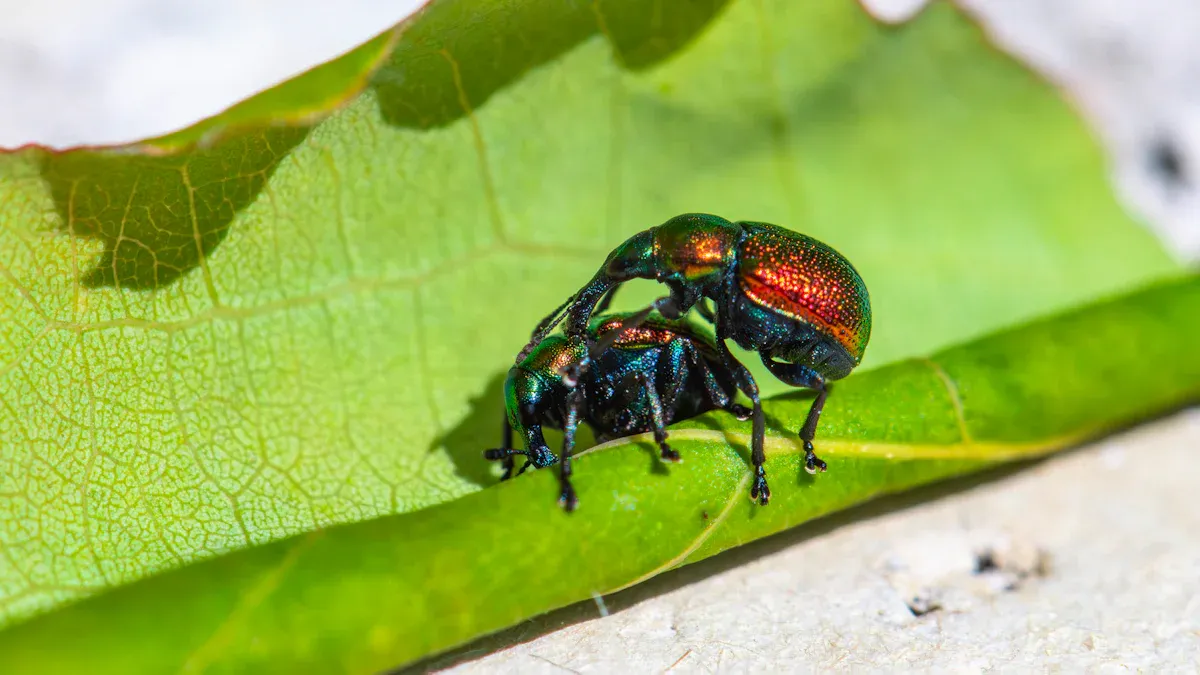
Garden pests pose a significant threat to your plants. They can cause up to 40% of global food crop losses each year. These pests not only damage your garden but also disrupt the entire ecosystem. Choosing natural pest control methods helps protect your plants while benefiting the environment.
Natural pest control methods offer a more eco-friendly approach with minimal environmental repercussions. In contrast, chemical pesticides can harm non-target species and contaminate water sources, while natural methods promote biodiversity and a healthier ecosystem.
By adopting these methods, you can create a thriving garden that supports both your plants and the planet.
Key Takeaways
Natural pest control methods protect your plants and the environment. They reduce reliance on harmful chemicals and promote biodiversity.
Identifying common garden pests, like aphids and slugs, is crucial. Recognizing their signs helps you take timely action to protect your garden.
Implementing techniques like companion planting can confuse pests and attract beneficial insects. This strategy enhances plant growth and pest management.
Regular monitoring of your garden is essential. Inspect your plants weekly to catch pest problems early and maintain a healthy garden.
Healthy soil practices, such as adding compost and practicing crop rotation, strengthen plants. This resilience helps prevent pest infestations.
Overview of Garden Pests
Garden pests are organisms that harm your plants. They can be insects, mollusks, or arachnids. Each type of pest affects your garden differently. Understanding these pests helps you protect your plants effectively.
Insects
Insects are the most common garden pests. They can cause significant damage to your plants. For example, aphids are small insects that feed on plant sap. They can lead to wilting and yellowing of leaves. Other common insects include whiteflies, which also suck sap, and spider mites, which create webbing on plants. These pests can reduce your crop yield by approximately 10%, contributing to the loss of about 32% of the world’s major crop production annually.
Here are some common insect pests you might encounter:
Aphids
Whiteflies
Spider mites
Cutworms
Flea beetles
Mollusks
Mollusks, such as slugs and snails, are notorious for damaging garden plants. They create large, ragged holes in leaves and can completely consume young seedlings. Commonly affected plants include hostas, strawberries, and lettuce. Slugs can significantly impact your garden’s productivity. For instance, they can cause irregular holes in corn leaves, leading to stunted growth and lower yields.
Some problematic species include:
Gray garden slug
Tawny garden slug
Brown garden snail
Arachnids
Arachnids, particularly spider mites, can also harm your plants. These tiny creatures feed on sap, causing leaves to develop a mottled appearance. Severe feeding can lead to bronzing and leaf drop. Spider mites drain essential nutrients, weakening your plants and making them more vulnerable to diseases. Their feeding can result in significant leaf drop, affecting the overall health of your garden.
Understanding these common garden pests is crucial for maintaining a healthy garden. By recognizing their presence and impact, you can take steps to protect your plants effectively.
Common Pests and Control Methods
Aphids
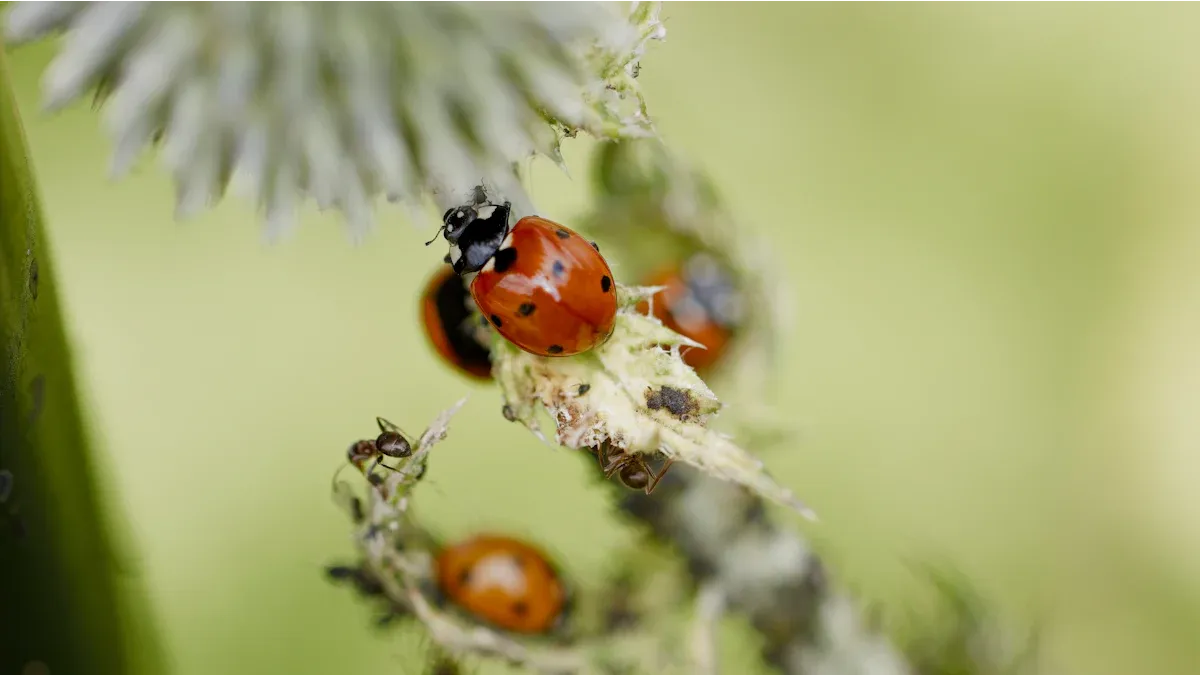
Aphids are small, pear-shaped insects that can wreak havoc on your garden. They often appear in clusters on young leaves and flower buds. You might notice their presence through several identifying features:
Identifying Feature | Description |
|---|---|
Visible Insects | Direct evidence includes seeing aphids or their byproducts. |
Feeding Locations | Commonly found on young leaves and flower buds. |
Exuviae | Shed skins that may be visible near feeding sites. |
Honeydew | Sticky residue that can coat leaves, indicating aphid presence. |
Ant Activity | Ants tending to aphids can signal their presence. |
Plant Damage | Symptoms include leaf deformities, yellowing, and stunted growth. |
Leaf Deformities | Young leaves may become crinkled or curled due to feeding. |
Yellowing | Patchy yellowing or stippling on leaves can indicate feeding. |
Virus Transmission | Aphids can transmit plant viruses, leading to various symptoms. |
Physical Features | Aphids are small, pear-shaped, and may have wings; they have distinctive cornicles. |
To treat pests like aphids naturally, consider these effective methods:
Physical Removal: Use a strong stream of water to spray aphids off plants or remove them by hand into soapy water.
Organic Sprays: Homemade soap and water sprays, neem oil, and essential oils can effectively target aphids without harming beneficial insects.
Natural Predators: Introducing lady beetles and green lacewings can help control aphid populations, as their larvae consume aphids.
In an experiment comparing organic aphid control methods, insecticidal soap eliminated all aphids in one day, while neem oil killed about 80% of aphids. This indicates that while both methods are effective, insecticidal soap may be the most efficient option.
Slugs
Slugs are another common garden pest that can cause significant damage. They leave behind distinct signs of their presence:
Ragged holes and irregular edges on leaves indicate slugs are feeding.
Holes in fruits and vegetables are also a sign of slug activity.
Presence of slimy trails on plants or soil is unique to slugs.
Look for clusters of small white eggs in the ground, as slugs can lay many at once.
Whole seedlings or leaves may be consumed by slugs if available.
Slugs often hide in cool, dark places like under rocks or leaves.
To control slugs naturally, you can use these methods:
Coffee Grounds: Spread around plants to deter slugs and snails.
Beer Trap: Use a container sunk into the ground filled with beer to attract and trap slugs.
Eggshells and Sea Shells: Create a barrier around plants to keep slugs away.
Diatomaceous Earth: A barrier that slugs cannot cross, but needs to be reapplied after rain.
Spider Mites
Spider mites are tiny arachnids that can cause serious harm to your plants. You can identify spider mite infestations by looking for:
Yellow or whitish spotting on the top of leaves where mites feed on the lower surface.
Presence of mites, eggs, and webbing on the undersurface of leaves.
Identification of spider mite species using a 10X hand lens to examine adult female mites for body shape and pigmentation patterns.
To treat pests like spider mites, consider these natural control methods:
Raising humidity levels for plants can help deter spider mites.
Regular inspections of plants for pests allow for early detection and management.
Physically removing spider mites using water sprays can reduce their numbers.
By understanding these common garden pests and employing natural pest control methods, you can protect your plants and promote a healthier garden ecosystem.
Natural Pest Control Techniques

Natural pest control techniques offer effective ways to manage pests without harming the environment. You can use various methods, including companion planting, attracting beneficial insects, and implementing physical barriers.
Companion Planting
Companion planting involves growing different plants together to enhance growth and deter pests. This method confuses pests and can even attract beneficial insects. Here are some effective companion plants:
Sunflowers: Attract sap-sucking insects away from cucumbers.
Mint: Deters slugs when planted with lettuce.
Marigolds: Repel nematodes, beetles, and aphids.
Nasturtiums: Serve as a trap crop for beans, drawing pests away from more valuable plants.
You can also use intercropping, which mixes different plants to confuse pests. For example, planting tomatoes with basil can mask the scent of tomatoes, making it harder for pests to locate them. This strategy not only protects your crops but also promotes a diverse ecosystem in your garden.
Beneficial Insects
Beneficial insects play a crucial role in natural pest control. They act as natural predators, helping to keep pest populations in check. Here are some beneficial insects you should attract to your garden:
Ladybugs: Consume up to 40 aphids per hour.
Green Lacewings: Their larvae prey on aphids and caterpillars.
Praying Mantids: Hunt various pests, including grasshoppers and beetles.
To attract these helpful insects, maintain a pesticide-free environment. Incorporate diverse plant species and ensure continuous flowering plants to support pollinators throughout the growing season. You can create a welcoming habitat by providing water sources and grouping flowers of the same species together for easier access to nectar and pollen.
Physical Barriers
Physical barriers are an effective way to prevent pests from reaching your plants. You can use various materials to create these barriers, such as:
Insect Netting: Protects plants from flying pests.
Copper Tape: Prevents slugs and snails from crossing due to a mild electric charge.
Floating Row Covers: Block pests while allowing sunlight and moisture to reach plants.
These barriers can be both functional and aesthetically pleasing. For example, decorative elements can deter pests without compromising your garden’s appearance. By using physical barriers, you can significantly reduce pest damage and promote a healthier garden.
Incorporating these natural pest control techniques into your gardening routine will help you manage pests effectively while supporting a thriving ecosystem.
General Tips for Pest Prevention
Healthy Soil Practices
Healthy soil forms the foundation of a thriving garden. You can prevent pest problems by enriching your soil with organic matter. Here are some effective practices:
Add Compost: Incorporate rich, aged compost to nourish your soil. This supports plant health and attracts natural predators of pests.
Use Mulches: Apply reflective mulch to repel certain pests. Straw mulch can increase predator populations, helping to keep pests in check.
Organic Amendments: Regularly add organic fertilizers and worm castings. These improve soil aeration and nutrient uptake, enhancing plant resilience against pests.
Crop Rotation
Crop rotation is a powerful strategy to disrupt pest cycles. By changing the location of your crops each season, you can make it harder for pests to thrive. Consider these benefits:
Disrupt Pest Establishment: Rotating crops changes their food source, making it difficult for pests to establish themselves.
Prevent Rapid Multiplication: When pests find their preferred crops, they can multiply quickly. Rotating crops helps prevent this by relocating their food source.
Provide Respite: Regularly changing crop locations gives pests less opportunity to build up populations, reducing the risk of outbreaks.
Regular Monitoring
Regular monitoring is essential for effective pest management. You can catch problems early and take action before they escalate. Here are some tips for monitoring your garden:
Walk Through Your Garden: Regularly inspect your plants for signs of pests or diseases. Early detection makes management easier.
Keep a Journal: Record your findings to track pest activity over time. This helps you identify patterns and plan your pest control strategies.
Use Traps: Employ yellow sticky cards to detect certain insects. A magnifying glass can help you identify pests more accurately.
By implementing these strategies, you can maintain a healthy garden and prevent pest problems effectively.
Using natural pest control methods offers numerous benefits for your garden. These practices create a welcoming environment for beneficial insects and wildlife. They also promote biodiversity and enhance soil health. By implementing these methods, you can maintain balance within your garden and support a self-regulating ecosystem.
Consider these long-term benefits of natural pest control:
Creates a welcoming environment for beneficial insects and wildlife
Maintains balance within the garden
Promotes natural pest control mechanisms
Reduces environmental impact
Minimizes harmful chemical use
Supports conservation of natural habitats
You can measure the success of your efforts through various indicators. For example, the Yield Preservation Index (YPI) helps you assess crop loss prevention. Embrace these natural methods to cultivate a healthier garden and enjoy the rewards of your hard work!
