Picture this: you’ve just brought home a beautiful houseplant, excited to watch it thrive. But soon, you notice yellow leaves and wilting stems. You’re not alone! Around 29% of indoor plant owners report struggling with yellowing leaves, while 26.1% face browning leaves. Recognizing and addressing these indoor plant problems can save your plants and your peace of mind. Healthy indoor plants not only brighten your space but also purify the air and boost your mood. They can lower stress levels and even enhance cognitive function.
Remember, a little attention goes a long way in keeping your plants happy!
Key Takeaways
Yellow leaves can signal overwatering, underwatering, or nutrient deficiencies. Adjust your watering habits and consider fertilizing to restore health.
Wilting plants often result from improper watering or environmental stress. Check soil moisture and light conditions to help your plants recover.
Pest infestations can damage your plants. Regularly inspect for signs of pests and treat them promptly with non-toxic solutions.
Root rot is caused by poor drainage and overwatering. Improve drainage and adjust your watering practices to prevent this issue.
Dropping leaves indicate water stress or environmental changes. Maintain stable conditions and adjust watering to keep your plants healthy.
Yellow Leaves
Symptoms
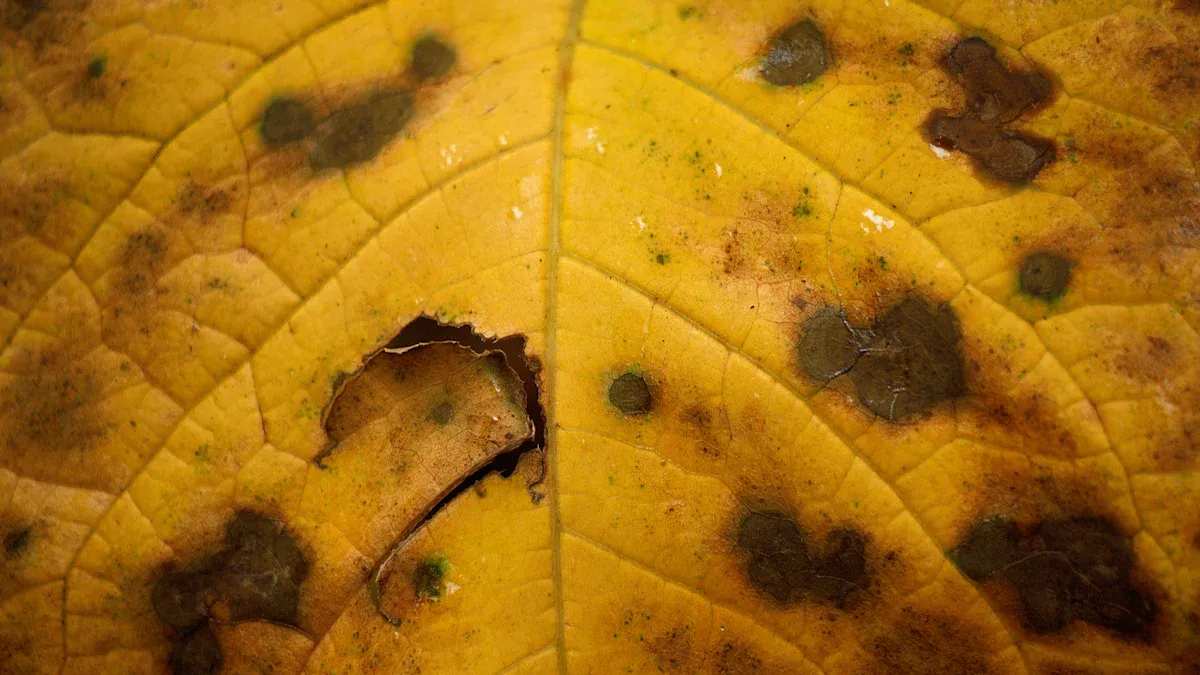
When you notice yellowing leaves on your houseplant, it can be alarming. This symptom often indicates that something isn’t quite right. Here are some common signs to look for:
Foliage yellow-green throughout the plant: This usually means your plant is getting too much light or not enough nutrients.
Yellowed leaves with tiny speckling: This could signal a spider mite infestation.
Weak growth or light green to yellow leaves: This often points to nutrient deficiencies, especially nitrogen.
Yellowing and dropping leaves: This can happen due to inadequate light or overwatering.
Causes
Understanding the causes of yellowing leaves can help you prevent plant problems in the future. Here are some common culprits:
Improper Watering: Both overwatering and underwatering can lead to yellowing leaves. Overwatering can suffocate roots, while underwatering can cause stress.
Nutrient Deficiencies: A lack of essential nutrients, particularly nitrogen, can lead to discolored leaf tips and overall yellowing.
Environmental Stress: High temperatures or sudden changes in light can shock your plant, causing leaves to yellow.
Pests: Insect infestations can sap your plant’s strength, leading to yellowing leaves.
Here’s a quick reference table summarizing symptoms and their potential causes:
Symptoms | Causes |
|---|---|
Foliage yellow-green generally throughout plant | Excess light, overwatering, underwatering, insufficient fertilization, high temperatures, insect infestation, poor root health |
Yellowed leaves with tiny speckling | Spider mite infestation |
Weak growth or light green to yellow leaves | Nutrient deficiency (usually lack of nitrogen), root rot, exposure to too much or too little light, sap-sucking insects and mites |
Yellowing and dropping leaves | Inadequate light, exposure to low temperatures, overwatering, poor soil drainage, soil-borne insect or disease pests |
Solutions
Now that you know the symptoms and causes, let’s explore some effective solutions to reverse yellowing leaves:
Adjust Watering Habits: Check the moisture level of the soil. If it feels soggy, reduce watering. If it’s dry, give your plant a good drink. Always ensure your pot has proper drainage.
Fertilize Wisely: If nutrient deficiency is the issue, consider using a balanced fertilizer. Look for one that contains nitrogen, phosphorus, and potassium. This can help restore your plant’s health.
Optimize Light Conditions: Make sure your plant gets the right amount of light. If it’s getting too much direct sunlight, move it to a shadier spot. Conversely, if it’s not getting enough light, consider using grow lights.
Inspect for Pests: Regularly check your plants for signs of pests. If you find any, treat them promptly with insecticidal soap or neem oil.
Repot if Necessary: If your plant is root-bound or the soil is poor, consider repotting it in fresh soil. This can improve drainage and provide new nutrients.
By following these solutions, you can help your houseplants recover from yellowing leaves and thrive once again.
Wilting Plants
Symptoms
Wilting plants can be a distressing sight for any plant lover. You might notice several signs that indicate your houseplant is struggling:
Wilting leaves: These leaves may droop or appear limp.
Slight drooping: This can happen even if the soil feels moist.
Off color of leaves: Look for yellow or brown hues, which can signal trouble.
Collapsing leaves: Particularly in peace lilies, this indicates severe stress.
Dry, crispy leaves: This often points to underwatering, while yellow or brown limp leaves suggest overwatering.
Causes
Understanding why your plants are wilting is crucial to preventing plant problems. Here are some common causes:
Overwatering: This is one of the leading causes of wilting. When you give your plants too much water, it can suffocate the roots, leading to root rot. Fungi thrive in wet conditions, weakening or killing the roots. Overwatered plants often show symptoms like stunted growth and yellowing leaves.
Environmental Stress: Changes in temperature, humidity, or light can stress your plants. If they’re not getting the right conditions, they may wilt as a response.
Improper Watering: Both overwatering and underwatering can lead to wilting. If the soil is too dry, your plant won’t absorb enough moisture. Conversely, excess water can drown the roots, preventing gas exchange.
Solutions
Now that you know the symptoms and causes, let’s look at some effective solutions to revive your wilting plants:
Adjust Watering Practices: Check the soil moisture. If it’s soggy, cut back on watering. If it’s dry, give your plant a good drink. Always ensure your pots have proper drainage to prevent root rot.
Provide Proper Light: Make sure your plants receive the right amount of light. If they’re in direct sunlight and wilting, consider moving them to a shadier spot. Conversely, if they’re not getting enough light, use grow lights to boost their exposure.
Manage Humidity: If your indoor air is too dry, consider using a humidifier. Grouping plants together can also create a microclimate that helps maintain humidity levels.
Monitor Temperature: Keep your plants away from drafts, heaters, or air conditioning vents. Sudden temperature changes can stress them out.
Assess Plant Health: Regularly check your plants for signs of pests or diseases. If you notice any issues, treat them promptly to prevent further damage.
By following these solutions, you can help your houseplants recover from wilting and thrive once again.
Common Houseplant Problems: Pests
Symptoms
Pest infestations can sneak up on you, often causing more damage than you realize. Here are some symptoms to watch for:
Discolored Leaves: If you notice yellowing or browning leaves, pests might be feeding on your plant.
Holes in Leaves: Small holes can indicate that insects are munching away at your foliage.
Sticky Residue: If your leaves feel sticky, that could be honeydew, a waste product from pests like aphids.
Webbing: Fine webs on your plants often signal a spider mite infestation.
Visible Insects: Sometimes, you can spot the pests themselves, whether they’re tiny aphids or fuzzy mealybugs.
Common Pests
Several pests commonly invade indoor plants, each with its own set of problems. Here’s a quick rundown of the usual suspects:
Aphids: These small insects suck sap from your plants, leading to yellowing and distorted leaves. They also produce honeydew, which can attract other pests.
Spider Mites: Often found in warm, dry conditions, these pests create webbing and cause mottled leaves.
Mealybugs: These fuzzy pests can be tough to eliminate. They feed on sap and can weaken your plant significantly.
Whiteflies: With their white wings, these pests fly around when you disturb the leaves. They also suck sap and can lead to yellowing.
Fungus Gnats: While they mainly feed on fungi in wet soil, their larvae can damage roots, causing stress to your plants.
Solutions
Now that you know the symptoms and common pests, let’s explore some effective solutions to tackle these issues:
Regular Inspections: Make it a habit to check your plants regularly. Look for any signs of pests, such as discolored leaves or sticky surfaces.
Wash Your Plants: Use a damp cloth or spray your plants with water to remove pests. This simple step can help dislodge many common houseplant pests.
Prune Affected Areas: If you spot infested leaves or stems, prune them away. This helps prevent the spread of pests to healthy parts of the plant.
Introduce Beneficial Insects: Consider adding beneficial insects like ladybugs or green lacewings to your indoor garden. They can help control pest populations naturally.
Use Non-Toxic Treatments: Apply insecticidal soap or neem oil to affected areas. These treatments are effective against many pests and are safer for your plants and home.
By staying vigilant and taking action at the first sign of trouble, you can keep your houseplants healthy and thriving, free from the burden of pests.
Root Rot
Symptoms
Root rot can be a sneaky problem for your houseplants. You might not notice it until your plant shows some distress. Here are some common symptoms to watch for:
Yellowing or smaller, pale-colored leaves
Wilting or falling off leaves, even when it’s not the season for it
Brown splotches on leaves
Stunted growth
A rapid decline in the overall health of the plant
If you see these signs, your plant might be suffering from root rot.
Causes
Understanding what causes root rot can help you prevent this issue in the future. Here are the main culprits:
Poor Drainage: If your pot doesn’t have enough drainage holes, excess water can accumulate, leading to soggy soil. This creates an environment where harmful fungi thrive.
Overwatering: Giving your plants too much water is a common mistake. When the soil stays wet for too long, it can suffocate the roots and lead to decay.
Both of these factors can create the perfect storm for root rot, so it’s essential to keep an eye on your watering habits and potting conditions.
Solutions
Now that you know the symptoms and causes, let’s explore some effective solutions to tackle root rot:
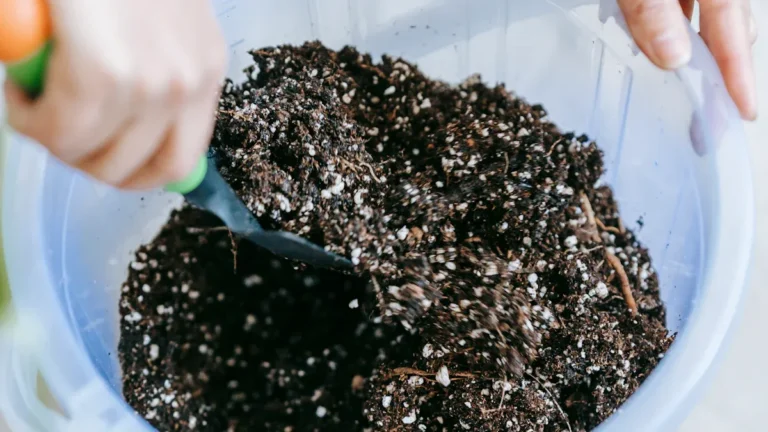
Improve Drainage: Make sure your pots have adequate drainage holes. If not, consider repotting your plant into a container that does. You can also add perlite or sand to the soil mix to enhance drainage.
Adjust Watering Practices: Allow the top inch of soil to dry out before watering again. This helps prevent overwatering and keeps the roots healthy.
Use Fungicides: Research shows that fungicides like Prothioconazole and fluopyram can effectively control root rot. Applying these can help manage the problem if you catch it early.
Repot Your Plant: If root rot has set in, you may need to remove your plant from its pot. Trim away any black or mushy roots and repot it in fresh, dry soil.
By following these solutions, you can help your houseplants recover from root rot and thrive once again.
Leaf Drop
Symptoms
Noticing your indoor plants dropping leaves can be concerning. Here are some common symptoms that indicate your plant might be in distress:
Sudden leaf loss: If you see leaves falling off unexpectedly, it’s a sign that something needs attention.
Yellowing leaves: This often happens before leaves drop, indicating water stress or nutrient deficiencies.
Crispy edges: Dry, crispy leaf edges can signal underwatering or low humidity.
Drooping leaves: Limp leaves may suggest overwatering or environmental stress.
Causes
Understanding why your plants are dropping leaves is crucial for their recovery. Here are some common causes:
Watering issues: Both overwatering and underwatering can lead to dropping leaves. If the soil is too wet, roots can rot. If it’s too dry, your plant can’t absorb enough moisture.
Environmental stress: Sudden changes in temperature or humidity can shock your plant. For instance, moving it from a warm room to a cold draft can trigger leaf drop.
Light conditions: Insufficient or excessive light can cause stress. Plants may drop leaves if they’re not getting enough light or if they’re getting scorched by too much sun.
Nutrient deficiencies: A lack of essential nutrients can weaken your plant, leading to premature leaf loss.
Solutions
Now that you know the symptoms and causes, let’s explore some effective solutions to prevent leaf drop:
Adjust watering habits: Water only when the top inch of soil is dry. Use pots with drainage holes to prevent water from pooling.
Optimize light conditions: Place your plants in suitable spots. East-facing windows provide gentle morning light, while sheer curtains can diffuse harsh sunlight.
Increase humidity: Group plants together or use a tray of water and pebbles to boost humidity. A humidifier can also help, especially in winter.
Maintain stable temperatures: Keep your plants away from drafts and heating vents. Avoid temperatures below 55°F (13°C).
Feed appropriately: Fertilize during the growing season with a balanced fertilizer. Flushing the soil occasionally can help remove salt build-up.
By following these solutions, you can help your plants recover from dropping leaves and keep them healthy and vibrant.
Taking care of indoor plants can be a rewarding experience, but it comes with its challenges. You’ve learned about common issues like yellowing leaves, wilting, pests, root rot, and leaf drop. Each problem has its solutions, from adjusting watering habits to optimizing light conditions.
Remember, regular observation is key! By keeping an eye on your plants, you can catch problems early and keep them healthy.
Feel free to share your own experiences and tips in the comments below. Your insights can help others in the plant care community!
FAQ
What should I do if my plant’s leaves are turning brown?
Brown leaves often indicate underwatering or too much direct sunlight. Check the soil moisture and adjust your watering schedule. If your plant is in direct sunlight, move it to a spot with indirect light.
How often should I water my indoor plants?
Watering frequency depends on the plant type and environment. Generally, check the top inch of soil. If it feels dry, it’s time to water. Most indoor plants thrive with weekly watering.
Can I use tap water for my plants?
Yes, you can use tap water, but let it sit for 24 hours to allow chlorine to evaporate. This helps prevent any potential harm to your plants.
How can I tell if my plant has pests?
Look for discolored leaves, sticky residue, or visible insects. Regularly inspect your plants to catch infestations early. If you notice any signs, treat them promptly to prevent further damage.
What is the best way to fertilize my indoor plants?
Use a balanced fertilizer during the growing season, typically spring and summer. Follow the package instructions for dosage. Over-fertilizing can harm your plants, so less is often more!