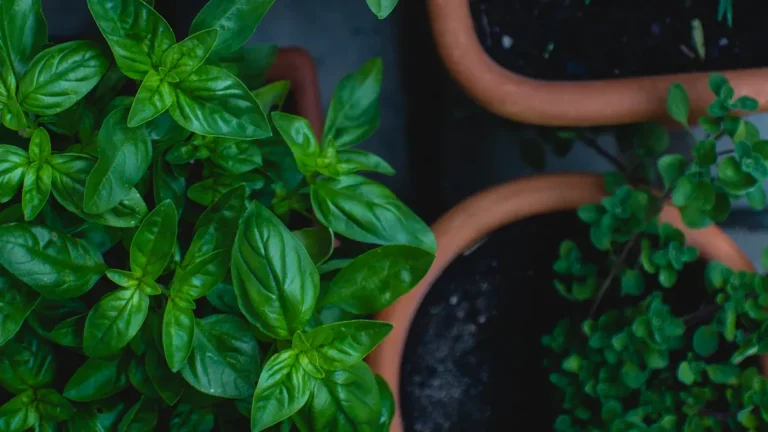
Indoor plants bring life to your home and offer numerous benefits. Did you know that about 66% of households in the United States own at least one houseplant? These green companions not only enhance your space but also improve air quality and boost your mood. Studies show that houseplants can filter out harmful pollutants and even increase feelings of relaxation.
However, caring for plants can be tricky. Many people struggle with overwatering or underwatering their plants, and some even find it stressful to keep them alive. If you’re among those who feel challenged by indoor plant care, you’re not alone! This guide will help you navigate the essentials of keeping your plants healthy and thriving.
Key Takeaways
Choose the right plant for your space. Understand light and water needs to ensure healthy growth.
Water your plants only when the top inch of soil is dry. Overwatering is a common mistake that can harm your plants.
Use well-draining soil and pots with drainage holes. This prevents root rot and promotes strong root development.
Fertilize during the growing season to support vibrant growth. Follow instructions for dilution to avoid harming your plants.
Regularly check for pests and signs of distress. Early detection helps maintain a healthy indoor garden.
Indoor Plant Basics
Types of Indoor Plants
When it comes to indoor plants, you have a wide variety to choose from! Here are some popular types:
Succulents: These plants store water in their leaves, making them perfect for beginners. They thrive in bright light and require minimal watering.
Ferns: Known for their lush foliage, ferns love humidity. They do well in low light, making them ideal for bathrooms or shaded areas.
Snake Plants: These hardy plants can tolerate low light and infrequent watering. They also help purify the air, making them a great choice for any room.
Pothos: This trailing plant is easy to care for and can grow in various lighting conditions. It’s perfect for hanging baskets or shelves.
Understanding the specific needs of these plants can help you create a thriving indoor garden. For example, succulents prefer dry conditions, while ferns need more moisture.
Benefits of Indoor Plants
Indoor plants offer numerous benefits that can enhance your living space. Here are five key advantages:
Boosting Mental Health: Being around plants can reduce stress and anxiety. Studies show that interacting with indoor plants can lower blood pressure and promote feelings of calm.
Enhanced Productivity and Creativity: Research indicates that having plants in your workspace can increase productivity by up to 15%. They can also spark creativity!
Improved Humidity: Plants release moisture into the air, which can help alleviate discomfort caused by dry indoor air, especially during winter months.
Better Sleep: Some plants, like lavender and jasmine, promote relaxation and improve sleep quality. The snake plant even releases oxygen at night!
Air Purification: Many plants naturally purify the air by absorbing carbon dioxide and releasing oxygen. Some can filter out indoor pollutants, making your home healthier.
By understanding the types of plants and their benefits, you can choose the right ones for your space. This knowledge will help you create a vibrant indoor garden that not only looks good but also improves your well-being.
Watering for Indoor Plant Care
Watering Techniques
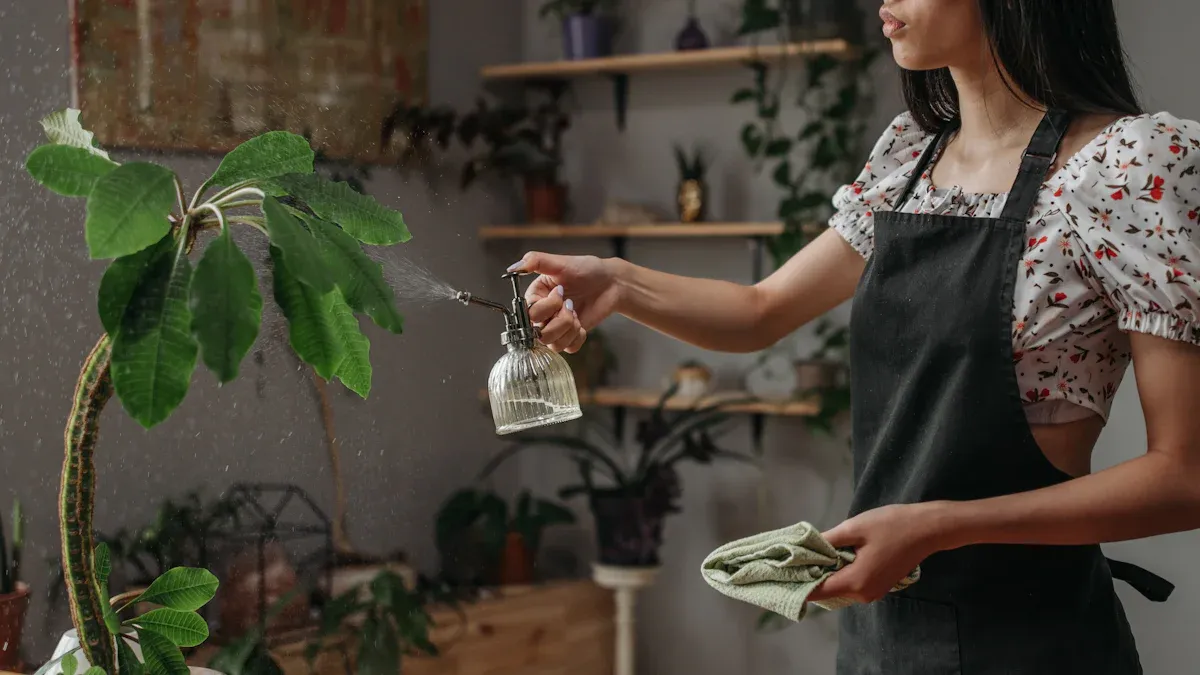
Watering your indoor plants correctly is crucial for their health. Here are some effective techniques to help you maintain the right moisture levels:
Check Soil Moisture: Before watering, always check the moisture level of the soil. You can do this by sticking your finger about an inch into the soil. If it feels dry, it’s time to water. If it’s still moist, wait a few days before checking again.
Use the Right Pot: Ensure your pots have drainage holes. This prevents water from accumulating at the bottom, which can lead to root rot. Terra-cotta pots are great because they allow for faster drying of the potting mix.
Watering Frequency: Different plants have different needs. For instance, succulents and snake plants require less frequent watering, while moisture-loving plants like ferns and peace lilies need more. Here’s a quick guide:
Plant Type | Watering Frequency |
|---|---|
Ficus benjamina | More frequent watering |
Snake Plant | Once a month in warmer months |
Peace Lily | More frequent than Snake Plant |
Succulents | Less frequent watering |
Ferns | More frequent watering |
Seasonal Adjustments: Your watering schedule should change with the seasons. In winter, many plants enter dormancy and need less water. In spring and summer, as they grow, you’ll need to increase watering frequency.
Water Quality Matters: The quality of water you use can affect your plants’ health. Soft water is ideal as it prevents mineral buildup and helps maintain a healthy soil pH. On the other hand, hard water can lead to leaf burn and nutrient deficiencies. Using filtered or distilled water can promote better growth.
Signs of Watering Issues
Recognizing the signs of overwatering or underwatering is essential for keeping your plants healthy. Here are some common indicators:
Yellowing Leaves: If you notice widespread yellowing, especially in younger leaves, it may indicate overwatering. This happens when roots suffocate and struggle to absorb nutrients.
Drooping Leaves: Drooping leaves, even when the soil feels wet, can signal root dysfunction. This often occurs due to overwatering, leading to root rot.
Brown Tips: If the tips of leaves turn brown and crispy, your plant might be underwatered. This is a sign that the plant is not getting enough moisture.
Soft, Mushy Leaves: Overwatered plants may develop soft, swollen leaves that feel jelly-like. These leaves often yellow from the inside out.
Dark Spots or Translucent Patches: These can appear on leaves due to oversaturation, causing cell bursts. If you see these signs, it’s crucial to adjust your watering habits immediately.
By understanding these watering techniques and signs of issues, you can ensure your indoor plants thrive. Remember, each plant has unique needs, so always pay attention to their specific requirements for optimal indoor plant care.
Light Needs for Growing Plants Indoors
Understanding Light Levels
Light is one of the most critical factors for growing plants indoors. It directly impacts their growth rate, leaf development, and overall health. Different plants have varying light requirements, so understanding these needs is essential for successful indoor gardening.
To assess light levels in your home, consider these tips:
Use a light meter: This handy tool measures the amount of light in different areas of your room.
Take measurements at various points: This gives you a comprehensive understanding of light levels throughout the space.
Assess light levels at different times of day: Natural light can vary, so check how much light each area receives in the morning, afternoon, and evening.
Calculate required lumens: For general areas, aim for 100-150 lumens per square foot. For task-oriented spaces, increase this to 300 lumens.
The growth rate of indoor plants significantly depends on light intensity. Studies show that specific light conditions, like the ratio of blue to red light, are crucial for maintaining photosynthesis. For example, a minimum of 7% blue light supports photosystems, while the absence of far-red light can alter plant morphology.
Best Locations for Plants
Choosing the right spot for your plants can make all the difference. Here are some guidelines for placing your indoor plants based on their light needs:
Low-light plants: These thrive near windows with indirect light. You can also place them further away from windows and rotate them for better exposure.
High-light plants: Position these in south-facing windows, where they can soak up the most sunlight. They typically require four to six hours of direct sunlight daily.
East-facing windows: These provide gentle morning light, perfect for plants that prefer bright but indirect light, like ferns and orchids.
West-facing windows: These receive intense afternoon sunlight, benefiting heat-tolerant plants like citrus trees.
North-facing windows: These have the least direct sunlight, making them suitable for low-light plants like pothos and peace lilies.
By understanding light levels and choosing the best locations for your plants, you can create an environment that promotes healthy growth. Remember, each plant has unique needs, so pay attention to their specific requirements for optimal care.
Soil and Fertilization Tips
Choosing the Right Soil
Selecting the right soil is crucial for your indoor plants. The type of soil you use affects drainage, nutrient availability, and overall plant health. Here are some key points to consider:
Drainage is Essential: Good drainage prevents standing water, which can lead to root rot. Roots need both water and oxygen, so excess moisture can suffocate them. Symptoms of overwatering include wilting and yellowing leaves.
Soil Types for Different Plants: Different plants thrive in different soil types. Here’s a quick guide:
Plant Species | Recommended Soil Type |
|---|---|
Succulents & Cacti | Coarse, well-draining soil with about a third of coarse sand grains. |
African Violets | Soil with high humus content, loose and well-draining; consider coconut coir, peat, vermiculite, perlite, sand, and orchid bark. |
Ferns | Similar to African violets, prefer high humus content and well-draining soil. |
Orchids | Prefer fir bark or sphagnum moss; avoid excessive moisture to prevent root rot. |
Aroids | Prefer a porous potting media with structure and aeration; ideal mixtures include peat moss, bark, and perlite. |
Fertilization Practices
Fertilizing your plants correctly helps them grow strong and healthy. Here are some effective practices:
Choose the Right Fertilizer: Use fertilizers specifically formulated for indoor plants. Look for a balanced blend of essential nutrients.
Water Before Fertilizing: Always water your plants thoroughly before applying fertilizer. This prevents root burn and helps with nutrient absorption.
Dilute as Needed: Follow the manufacturer’s instructions to dilute fertilizers. Apply every two to three weeks during the growing season.
Monitor Plant Responses: Keep an eye on your plants for signs of nutrient deficiency or excess. Adjust your fertilization practices based on their needs.
Frequency Matters: Fertilize during the growing season (spring and summer) once a month, using fertilizer at half strength. Cacti and succulents require little or no supplemental fertilizer.
By understanding soil types and fertilization practices, you can provide the best care for your indoor plants. This knowledge will help you create a thriving indoor garden that flourishes!
Pest Management Strategies
Common Indoor Plant Pests
Indoor plants can attract a variety of pests that may harm their health. Here are some common culprits you should watch out for:
Aphids: These tiny insects suck sap from your plants, leading to stunted growth.
Fungus gnats: These pesky flies thrive in moist soil and can damage roots.
Mealy bugs: They appear as white, cottony masses on leaves and stems, sucking nutrients.
Scale: These pests look like small bumps on stems and leaves, robbing your plants of vital nutrients.
Spider mites: These tiny arachnids create webs and cause leaf discoloration.
Thrips: These slender insects can cause significant damage by feeding on plant tissues.
Natural Pest Control
You don’t have to resort to harsh chemicals to manage pests. Here are some effective natural methods:
Nematodes: These microscopic worms target fungus gnat larvae, acting as natural predators without any odor.
Neem Oil: Mix neem oil with water and a bit of soap to create a spray that combats spider mites and mealybugs while giving your leaves a nice shine.
Diatomaceous Earth: This powder damages the exoskeleton of crawling insects, leading to their elimination.
Garlic and Pepper Spray: A homemade spray made from garlic and pepper can repel pests like aphids and whiteflies.
Baking Soda: This common kitchen item helps control fungal diseases like powdery mildew by changing the pH on leaf surfaces.
Sticky Traps: Place these traps near your plants to catch flying insects such as fungus gnats and fruit flies.
By recognizing common pests and using natural control methods, you can keep your indoor plants healthy and thriving. Remember, a little prevention goes a long way in maintaining a vibrant indoor garden!
Troubleshooting Indoor Plant Issues
Common Issues
Indoor plants can face several challenges that affect their health. Here are some common problems you might encounter:
Overwatering: Too much moisture can suffocate roots, leading to yellowing leaves.
Underwatering: Not enough water disrupts nutrient transport, causing stress and yellowing.
Too Much Light: Excessive light can scorch leaves, resulting in discoloration.
Not Enough Light: Insufficient light leads to pale, yellowish leaves and leggy growth.
Incorrect Humidity Level: Low humidity can stress plants, causing yellowing leaves.
Pests and Disease: Infestations or diseases can compromise plant health, leading to discolored foliage.
Solutions and Tips
You can tackle these issues with some simple strategies. Here’s a handy table summarizing common problems and their solutions:
Problem | Symptoms | Solution |
|---|---|---|
Yellowing Leaves | Leaves turn yellow and drop | Adjust watering; check for pests |
Wilting | Leaves droop and feel dry | Water thoroughly; check soil moisture |
Brown Leaf Tips | Tips turn brown and crispy | Reduce fertilizer; ensure proper watering |
Spindly Growth | Plants grow tall and leggy | Move to a brighter location |
Salt Buildup | White crust on soil surface | Flush soil with water to remove excess salts |
To keep your plants healthy, remember to check them regularly for signs of distress. Adjust your watering based on their needs rather than sticking to a fixed schedule. Grouping plants can help maintain humidity levels, and using a humidifier can also boost moisture in the air.
By staying attentive and proactive, you can ensure your indoor plants thrive and bring joy to your space! 🌱
Caring for indoor plants can be rewarding and enjoyable! Remember these key points to keep your plants thriving:
Light: Match your plant to the light you have. This is crucial for their growth.
Water: Water when the soil is dry. Overwatering is the top killer of houseplants.
Soil: Use a high-quality, well-draining potting mix for strong roots.
Pot: Always choose pots with drainage holes to prevent water pooling.
Humidity: Group plants together or use a humidifier for tropical varieties.
Fertilizer: Feed your plants during their growing season for vibrant growth.
Repotting: Give your plants more space when they become root-bound.
By applying these tips, you’ll enjoy a flourishing indoor gardening experience. Happy planting! 🌿
FAQ
What is the best way to water my indoor plants?
Water your plants when the top inch of soil feels dry. Always check the moisture level before watering to avoid overwatering or underwatering.
How often should I fertilize my indoor plants?
Fertilize your plants every 4-6 weeks during the growing season (spring and summer). Use a balanced fertilizer and follow the package instructions for dilution.
Can I use tap water for my plants?
Yes, you can use tap water, but let it sit for 24 hours to allow chlorine to dissipate. Filtered or distilled water is even better for sensitive plants.
How do I know if my plant needs repotting?
If roots grow out of the drainage holes or the plant stops growing, it’s time to repot. Choose a pot that’s one size larger with fresh soil.
What should I do if my plant has pests?
Isolate the affected plant and treat it with natural pest control methods like neem oil or insecticidal soap. Regularly check your plants to catch infestations early.