
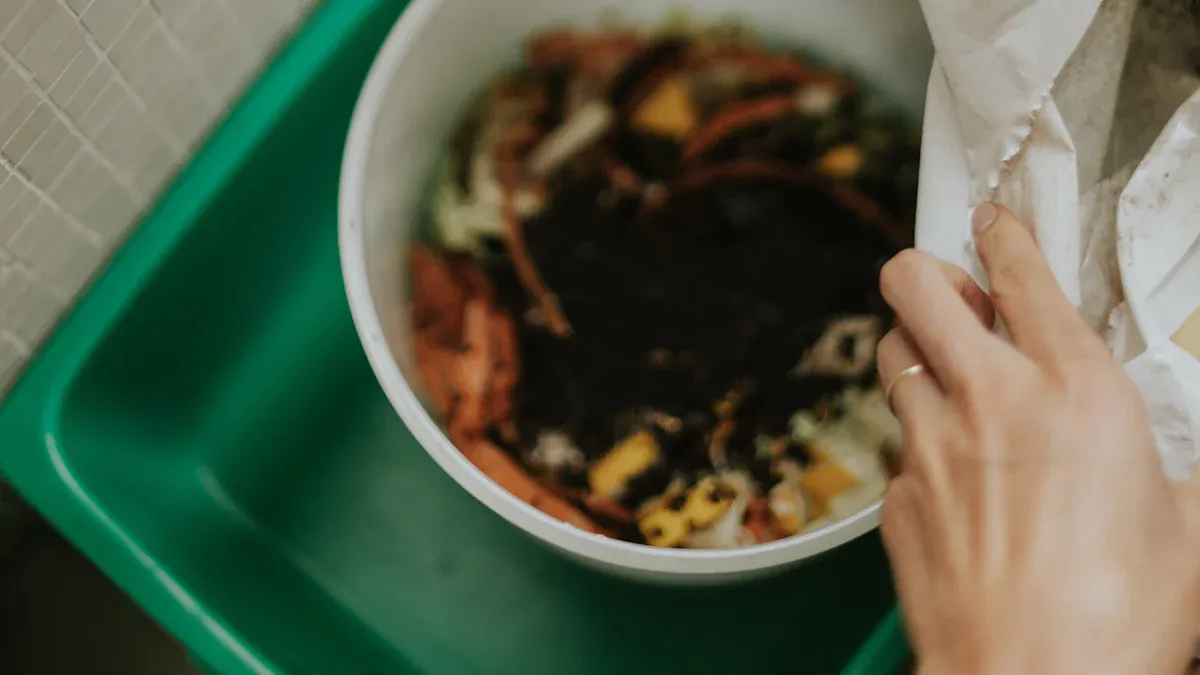
Composting at home offers a simple way to reduce waste while creating nutrient-rich soil for your garden. You can divert up to 25% of your household waste from landfills through this rewarding process. Plus, with about 14.9 million households in the U.S. involved in composting programs, you’re joining a growing community of eco-conscious beginners.
Key Takeaways
Composting reduces household waste by up to 25%, helping the environment and creating nutrient-rich soil for your garden.
Maintain a balance of 2 parts green materials to 1 part brown materials for effective composting and healthy decomposition.
Regularly turn your compost pile and monitor moisture levels to enhance aeration and speed up the composting process.
Understanding Composting
What is Composting
Composting is a natural process that transforms organic waste into nutrient-rich soil. It involves breaking down kitchen food waste and garden scraps through the action of microorganisms. This method not only helps manage waste but also enriches your garden soil. In fact, composting is defined as a traditional method of treating organic waste, focusing on rapid composting that completes the cycle within just 15 days. This process relies on various factors like materials, temperature, and microorganisms to create humus, which is essential for healthy soil.
During composting, several stages occur to break down your waste effectively:
Initial Organic Decomposition: Mesophilic organisms start breaking materials into smaller pieces, raising the pile’s internal temperature.
Complex Organics Break Down: As temperatures rise, thermophilic microorganisms take over, breaking down proteins, fats, and complex carbohydrates.
Final Breakdown: Once the materials are consumed, mesophiles return to finish breaking down the organic matter into usable compost.
The heat generated during this process can reach between 110 to 140 degrees Fahrenheit, which is crucial for killing weed seeds and disease organisms. This ensures that the compost you produce is healthy and beneficial for your plants.
Benefits of Composting
Composting offers numerous benefits that extend beyond just reducing waste. Here are some key advantages:
Nutrient-Rich Soil: Compost returns valuable nutrients to the soil, promoting healthier plant growth and reducing the need for chemical fertilizers.
Environmental Impact: By composting, you help reduce the volume of waste in landfills, which decreases methane emissions—a potent greenhouse gas. This contributes to climate change mitigation.
Water Retention: Compost improves soil structure, enhancing its ability to retain water. This means your plants can thrive even during dry spells.
Cost Savings: Regular composting can save you money on garbage pickup fees by reducing the amount of waste sent to landfills. You might cut costs by up to 60%! Plus, the compost you produce can serve as a natural weed suppressant, eliminating the need for synthetic weed killers.
Starting Composting
Choosing a Compost Bin
Selecting the right compost bin is crucial for your composting journey. As a beginner, you have several options to consider. Here are some popular types of compost bins that work well for beginners:
Digesters: These are simple and effective for small spaces.
Fermenters: Great for those who want to speed up the composting process.
Compost tumblers: They make turning your compost easy and efficient.
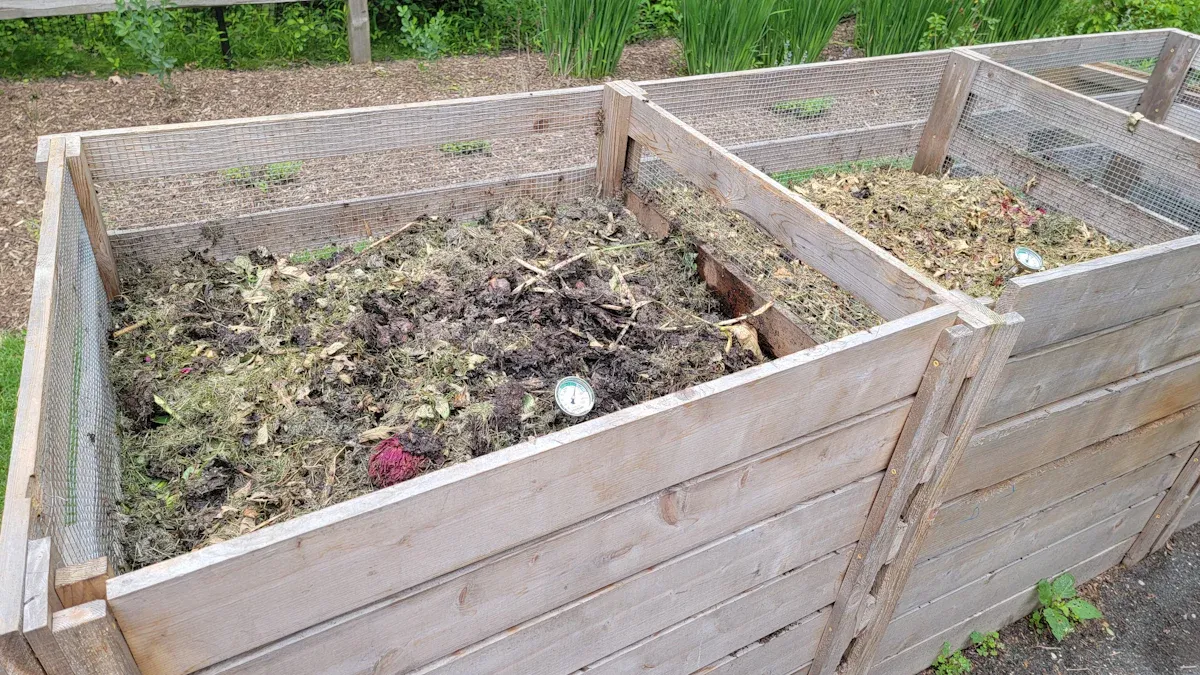
Wooden compost bins: These blend well with garden aesthetics.
Insulated compost bins: Perfect for maintaining temperature in colder climates.
Plastic compost bins: Lightweight and easy to move around.
Worm bins: Ideal for indoor composting and great for small spaces.
When choosing a compost bin, think about your living situation. For example:
Suburban home with a garden: A basic compost bin or tumbler combined with a countertop collection container works well.
Small yard or townhouse: A tumbler composter paired with a countertop bin maximizes composting potential without taking up too much space.
Apartment with a balcony: A bokashi system or small tumbler composter is compact and effective.
Apartment with no outdoor space: Electric composters or worm bins are perfect for indoor use.
Setting Up Your Compost Area
Now that you’ve chosen your compost bin, it’s time to set up your compost area. Here are some essential steps to ensure optimal results:
Find a suitable location: Choose a spot that’s easily accessible and protected from extreme weather. Ideally, place it in partial shade to prevent rapid drying of organic matter.
Prepare the area: If you’re using a bin, build a structure around it using materials like rocks or wood. This helps keep the compost contained and organized.
Layer your materials: Start with a 6-inch layer of brown materials (like dried leaves), followed by a 2-inch layer of green materials (like kitchen scraps), and then a 2-inch layer of soil. This layering helps create a balanced mix for decomposition.
Monitor moisture: Keep your compost pile moist, similar to a damp rag. Check moisture levels regularly to ensure effective composting.
Turn the pile: During the first few weeks, turn the pile frequently to aerate and mix materials. After that, turn it once or twice during the composting period.
Check for readiness: Your compost is ready when it looks dark brown and smells like fresh dirt. This usually takes a few months, depending on conditions.
By following these steps, you’ll create a thriving compost area that benefits your garden and the environment. Remember, composting is a learning process, so don’t hesitate to experiment and adjust as you go!
Composting Materials
What to Compost
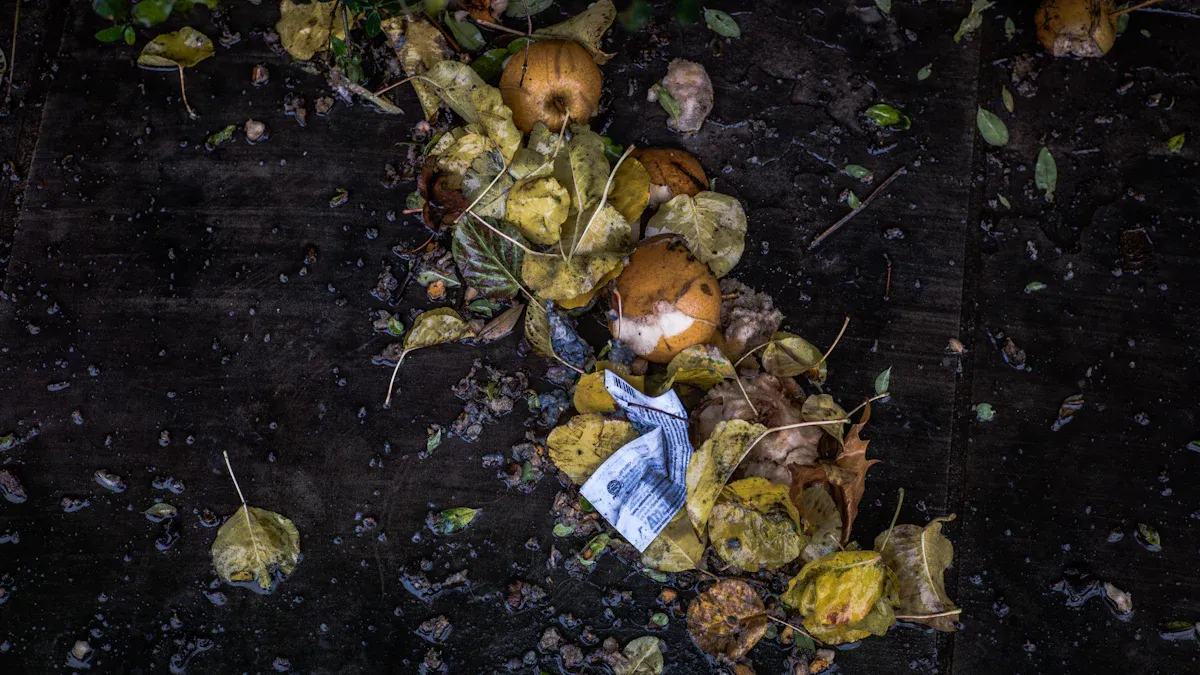
When you start composting, knowing what materials to include is key. You can divide compostable materials into two categories: greens and browns.
Greens are nitrogen-rich and include:
Fruit and vegetable scraps 🍏
Coffee grounds ☕
Tea leaves
Eggshells
Fresh grass clippings
Dead plants (non-diseased)
Browns are carbon-rich and include:
Dried leaves 🍂
Straw
Shredded paper (non-coated)
Pine cones
Nutshells (excluding black walnut)
For effective composting, aim for a balance of about 1 part brown materials to 2 parts green materials. This ratio helps create a terrific soil amendment that breaks down efficiently.
What Not to Compost
While many materials are great for composting, some should be avoided. Here’s a quick list of items to keep out of your compost bin:
Plastic products, including ‘compostable’ plastics
Poop from meat-eating animals like dogs and cats
Fresh manure from animals treated with medications
Glossy paper products, like magazines
Hygiene products, such as soiled diapers
Charcoal barbecue ashes
Using these prohibited materials can harm the composting process and the quality of your homemade compost. For instance, plastics may contain harmful chemicals that can leach into your compost, affecting both plants and soil health.
By sticking to the right materials, you’ll create nutrient-rich soil that benefits your garden and the environment!
Maintaining Your Compost
Keeping It Moist
Maintaining proper moisture levels in your compost pile is crucial for effective decomposition. Microbial activity thrives in a moist environment, so you want to keep your compost damp but not soggy. Here are some reasons why moisture matters:
Proper moisture supports microbial activity, which is essential for breaking down organic materials.
Too little moisture can lead to high temperatures that hinder microbial activity.
Excess moisture creates anaerobic conditions, leading to unpleasant odors and reduced oxygen flow.
To monitor and adjust moisture in your compost pile, consider these methods:
Method | Description |
|---|---|
Look | Visually inspect the compost for dryness or wetness. |
Squeeze | Check the consistency by squeezing compost; it should feel like a wrung-out sponge. |
Measure | Use a moisture meter for accuracy or weigh and dry compost to calculate moisture. |
Increase Moisture | Add water while turning the compost to ensure even distribution. |
Decrease Moisture | Turn the compost to introduce oxygen, which helps reduce moisture. |
Add Bulking Material | Incorporate dry materials like leaves to absorb excess moisture. |
Turning Your Compost
Turning your compost pile regularly is key to enhancing aeration and speeding up decomposition. When you turn the pile, you mix materials and reintroduce oxygen, which aerobic microorganisms need to thrive. Without enough air, microbial activity slows down, leading to potential odor issues. Aim to turn your compost every three to four days for optimal results.
To turn your compost efficiently, consider using these tools:
Pitchfork/Compost Fork: Designed with long, thin tines to easily mix and aerate compost piles.
Soil Fork: Useful for turning almost-finished compost and incorporating it into garden beds.
Shovels and Spades: Essential for moving and digging compost.
Turning your compost one or two times can significantly speed up the decomposition process. Using a dedicated compost fork can help aerate without straining your back.
By keeping your compost pile moist and turning it regularly, you’ll create a thriving environment for decomposition, resulting in rich, nutrient-dense compost for your garden!
Troubleshooting Composting Issues
Odor Problems
If your compost pile starts to smell, don’t panic! Odor issues are common and usually easy to fix. Here are some frequent causes of unpleasant smells:
Excess Moisture: Too much water can slow down decomposition and create bad odors.
Too Many Greens: An overload of nitrogen-rich materials can lead to a soggy compost pile.
Meats, Fats, and Dairy: These items produce strong smells when they decompose, so it’s best to avoid them.
Lack of Oxygen: Insufficient airflow can create anaerobic conditions, leading to foul odors.
Imbalance of Bacteria: If the carbon and nitrogen levels are off, it can hinder microbial activity.
To eliminate odors, try these tips:
Maintain moisture levels around 50-55% to prevent anaerobic conditions.
Turn your compost pile regularly to introduce oxygen.
Cover fresh food scraps with a layer of browns to trap odors.
Promptly handle feedstocks to minimize smells.
Pests and Critters
Pests can be a nuisance in your compost pile. Mice and rats often find their way to compost bins, especially if they smell decaying food. Here are some strategies to deter these critters:
Bury high-scent food scraps deep in the compost pile.
Keep your compost pile hot to make it uncomfortable for rodents.
Use wire mesh to secure your compost bins against pests.
Employ physical barriers like chicken wire to protect your compost area.
By addressing odor problems and managing pests effectively, you can maintain a healthy compost pile that benefits your garden. Remember, composting is a learning process, so don’t hesitate to adjust your methods as needed!
Composting is a rewarding journey that benefits both you and the environment. Here are some key takeaways to remember:
Balance green and brown matter for effective composting.
Use a 2:1 ratio of brown to green materials to maintain proper airflow and moisture.
Choose between hot composting for speed or cold composting for low maintenance.
As you start, keep learning and adjusting your methods. Track your progress to stay motivated. Remember, composting is a process, and you can always seek help if needed. Happy composting! 🌱
FAQ
What can I compost in my kitchen?
You can compost fruit and vegetable scraps, coffee grounds, eggshells, and paper towels. Just avoid meat, dairy, and oils.
How long does it take to make compost?
Typically, compost takes about 2 to 6 months to break down, depending on conditions like temperature and moisture.
Can I compost in winter?
Yes! You can compost in winter. Just ensure your pile stays insulated and maintain moisture levels for effective decomposition.