Are you ready to dive into the wonderful world of home gardening? Growing herbs at home brings a burst of fresh flavors to your meals and is surprisingly easy to maintain. You’ll enjoy benefits like healthier food options, saving money, and even boosting your mood. Let’s explore how rewarding it can be to cultivate your own easy herbs!
Key Takeaways
Growing herbs at home is easy and rewarding. You can enjoy fresh flavors in your meals while saving money.
Basil, mint, chives, parsley, and oregano are great herbs for beginners. Each has specific sunlight and watering needs.
Regularly harvesting your herbs encourages growth and enhances flavor. Keep your herbs well-spaced for better air circulation.
Easy Herbs
Basil
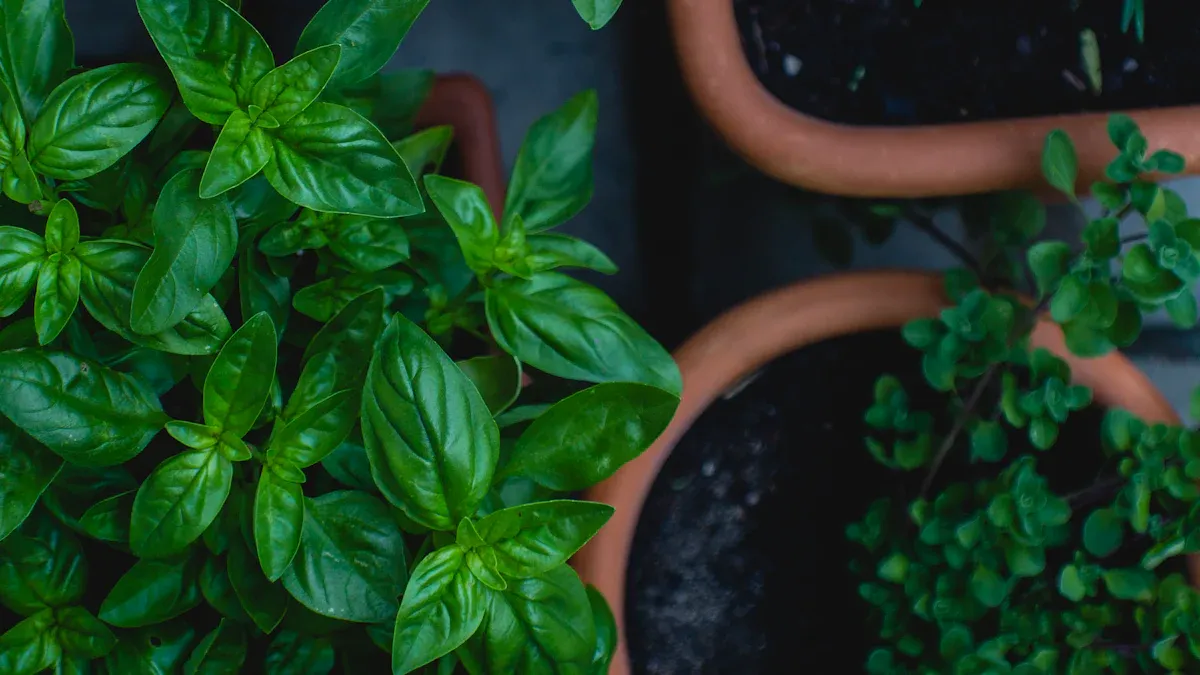
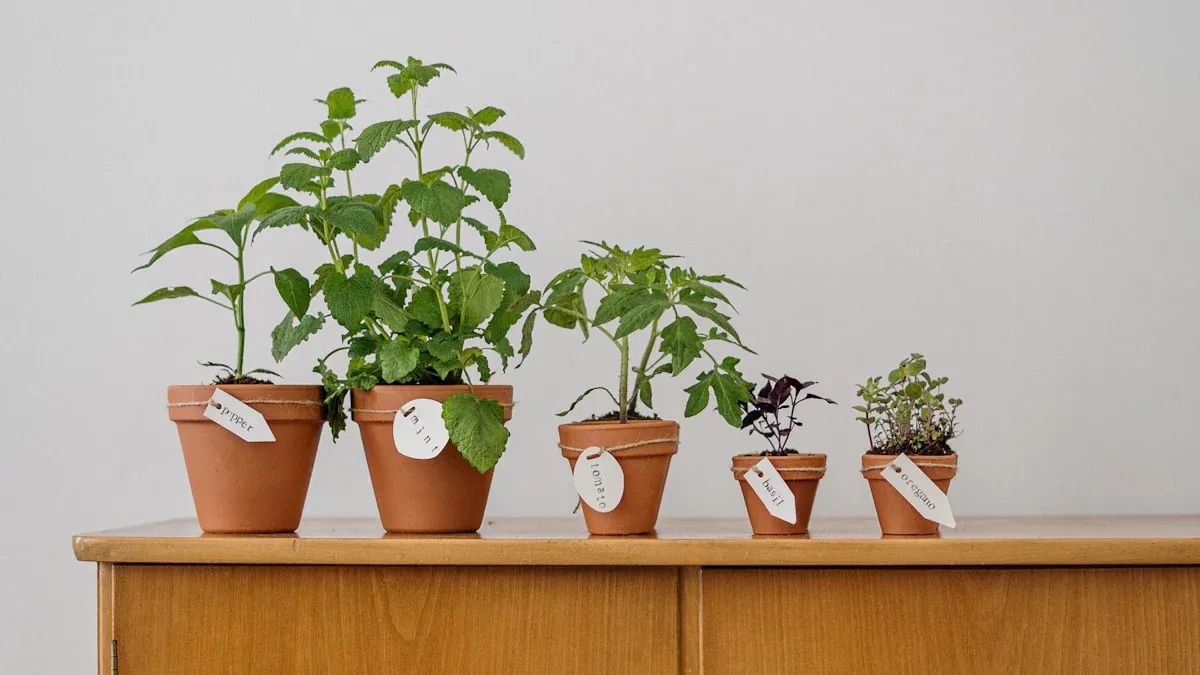
Basil is one of the best herbs for beginners. It thrives in warm weather and loves full sun, needing about 6-8 hours of sunlight daily. You can easily start basil from seeds or buy established plants. This herb grows quickly, with seeds germinating in just 5 to 7 days. Once established, basil keeps producing leaves for months, encouraging you to keep harvesting. Here are some tips for growing basil:
Sunlight: Ensure it gets plenty of direct sunlight.
Soil: Use well-drained soil to prevent root rot.
Harvesting: Regularly trim the leaves to promote bushier growth.
Basil is a versatile herb, perfect for Italian dishes like pesto and caprese salad, as well as Thai cuisine.
Mint
Mint is another easy herb to grow, but be cautious! It spreads rapidly through underground rhizomes, making it invasive if not contained. Plant mint in a pot or a designated area to control its growth. Here’s how to grow mint successfully:
Spacing: Plant one or two mint plants about two feet apart.
Soil: Use moist, well-drained soil. Mint prefers consistently moist conditions but avoid waterlogging.
Watering: Check the soil moisture regularly. Water when the top inch feels dry, which may be every 2-3 days in hot weather.
Mint thrives in both sun and partial shade, making it adaptable for various garden settings. You can use it in refreshing drinks, desserts, and savory dishes.
Chives
Chives are a delightful addition to any herb garden. They thrive in full sun and prefer well-drained soil with decent moisture. Here are some growing tips:
Soil Preparation: Incorporate 4 to 6 inches of well-decomposed compost into the soil before planting.
Sunlight: Chives do best in full sun but can tolerate light shade.
Harvesting: Regularly snip the leaves to encourage new growth.
Chives add a mild onion flavor to dishes and work well in salads, soups, and as a garnish.
Parsley
Parsley is not only nutritious but also easy to grow. It can be started from seeds or purchased as a plant. Here’s what you need to know:
Germination: Parsley seeds may take up to four weeks to germinate, so patience is key.
Growing Conditions: It prefers full sun or partial shade and can thrive in rich, slightly damp soil.
Harvesting: You can start harvesting leaves once the plant is established, usually around 45 to 90 days after planting.
Parsley enhances the flavor of many dishes, from salads to pasta, making it a staple in many kitchens.
Oregano
Oregano is a hardy herb that thrives in hot conditions. It requires at least six hours of direct sunlight daily. Here are some tips for growing oregano:
Soil: Use well-drained soil; oregano is drought-tolerant and can survive in dry conditions.
Temperature: It grows best in temperatures between 60 to 80 degrees Fahrenheit.
Harvesting: Regularly trim the leaves to encourage bushy growth.
Oregano is a key ingredient in Italian and Mexican cuisines, perfect for pizza, pasta sauces, and Mediterranean dishes.
Herb | Growing Conditions |
|---|---|
Basil | Full sun, well-drained soil |
Mint | Full sun or partial shade, moist but well-drained |
Chives | Full sun or partial shade, well-drained soil |
Parsley | Full sun or partial shade, rich, slightly damp soil |
Oregano | Full sun, well-drained soil |
With these easy herbs, you can create a thriving herb garden that adds flavor to your meals and joy to your gardening experience!
Care for Easy Herbs
Growing Conditions
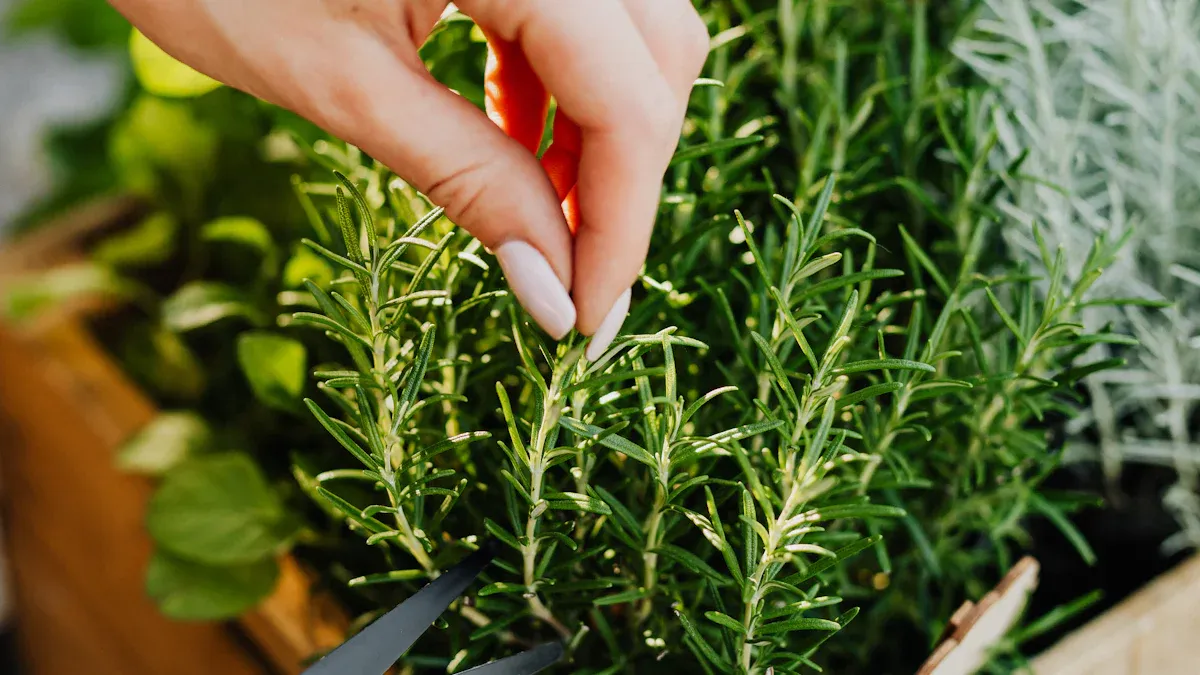
To grow your herbs successfully, you need to provide the right conditions. Most herbs thrive in well-drained soil, which is essential for their growth. For example, rosemary and lavender prefer sharply drained soil. If you’re growing herbs indoors, choose quality potting soil to ensure good drainage. Herbs like basil, mint, and chives enjoy full sun, while others can tolerate partial shade. Remember, healthy soil rich in nutrients directly impacts the flavor and aroma of your herbs.
Watering and Fertilizing
Watering is crucial for your herbs. Each type has its own needs. For instance, basil requires watering once a week, while mint likes daily moisture. Check the soil moisture by touch to avoid overwatering. Here’s a quick guide:
Herb | Watering Frequency | Watering Amount |
|---|---|---|
Basil | Once per week | Soil should be cool and slightly moist. |
Chives | Once or twice a week | Let soil dry completely before watering. |
Mint | Daily | Soil should be moist at all times. |
Parsley | Once or twice a week | Soil damp to 2 inches deep. |
Oregano | Thoroughly, less frequently | Allow soil to dry before watering again. |
A light application of organic fertilizer can enhance growth. Consider using herb-specific fertilizers that provide the right nutrients for your plants.
Common Issues
Even with the best care, you might face some challenges. Common pests like aphids and spider mites can affect your herbs. To manage these, try natural remedies like garlic oil spray or dish soap spray. These methods are effective and safe for your plants. Additionally, ensure you space your herbs properly to promote air circulation and reduce disease risks.
By paying attention to these care tips, you can enjoy a thriving herb garden that adds flavor to your meals!
Starting your own herb garden is a fantastic way to enjoy fresh flavors and save money! 🌱 You can cut grocery costs significantly by growing your own herbs. For example, if you buy herbs twice a month, you might spend over $52 a year, while growing them at home could cost you only about $18.40!
Here are some benefits of growing herbs at home:
Fresh herbs boost your meals without extra calories.
Gardening provides exercise and reduces stress.
You help the environment by cutting down on plastic waste.
With a little care, you can enjoy fresh herbs year-round. So, why not give it a try? Your taste buds will thank you!
Frequency of Purchase | Cost of Grocery Store Herbs | Cost of Growing Herbs |
|---|---|---|
2X/Month | $52.56/year | $18.40/year (5 plants) |
3X/Month | $78.84/year | $22.08/year (6 plants) |
4X/Month | $105.12/year | $25.76/year (7 plants) |
5X/Month | $131.40/year | $7.50/year (5 packs) |
6X/Month | $157.68/year | $9.00/year (6 packs) |
FAQ
What herbs are best for an indoor herb garden?
You can grow basil, mint, chives, parsley, and oregano easily in an indoor herb garden. They thrive well in pots and require minimal space.
How much sunlight do indoor herbs need?
Most indoor herbs need about 6-8 hours of sunlight daily. If natural light is limited, consider using grow lights to supplement.
How often should I water my indoor herbs?
Watering frequency varies by herb. Generally, check the soil moisture; if the top inch feels dry, it’s time to water.