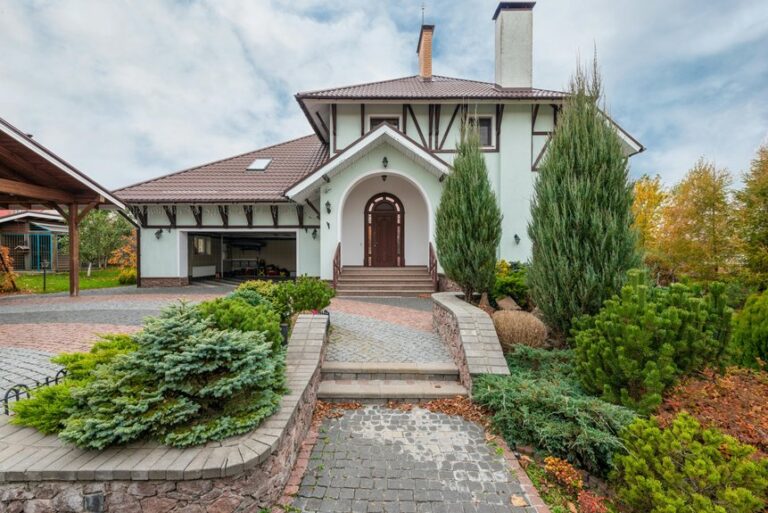
A well-designed garden path makes your yard easier to use, safer to walk, and more inviting for everyone. Wide, steady surfaces and gentle slopes help people move around with less effort. Good lighting, clear borders, and resting spots add comfort and confidence. Best of all, accessible paths can look stylish while making your outdoor space work better every day.
Plan a Garden Path With Clear Flow
When you plan a garden path with clear flow, start around considering about how people will move through the space from one area to the next. Conceive of it as welcoming everyone in, not sending them through a maze. Use path flow mapping to link entrances, seating spots, beds, and doors in a way that feels natural and calm.
Then shape garden route circulation so people can pass, turn, and pause without stress.
Keep main routes wide enough for a wheelchair, buggy, or wheelbarrow, and add turning space where paths meet.
Gentle curves help the eye and body move forward with ease, while open sightlines let everyone feel safe and included.
Assuming your yard has slopes, plan gradual ramps that follow the land.
Clear borders also guide movement and help every guest feel confidently at home.
Choose Smooth, Stable Path Materials
A path can have a smart layout, but the material underfoot decides whether it feels easy or frustrating to use. Whenever you choose smooth, stable surfaces, everyone in your home feels more welcome moving through the yard.
Start with resin-bound gravel, large slabs, tiles, flagstone, or boardwalk planks. These options create a firmer, more even surface than loose gravel or uneven pavers.
A simple material texture comparison helps you spot what rolls, grips, and drains best in your space. Next, look for weather resistant finishes, because rain, heat, and frost can turn a good path into a slippery hassle.
You’ll also want surfaces that stay level and resist shifting over time. With the right material, your garden feels easier to use, safer to cross, and more comfortable for everyone, every day.
Make the Path Wide Enough to Pass
You’ll enjoy your garden more whenever the path feels wide enough to pass with ease, whether you’re walking beside someone or moving a wheelbarrow, buggy, or wheelchair.
Aim for at least 1.2 meters in most home gardens, and plan wider spots or a 2.4-meter turning circle so you can turn around without stress.
As you shape the layout, give yourself clear passing space and smooth movement, because a path should feel welcoming, not cramped.
Comfortable Passing Width
Two people should be able to walk side alongside without squeezing, so give your garden path sufficient width to feel easy, not cramped. That simple choice builds passing comfort and supports companion spacing, so everyone feels welcome as they move through your yard together. For most homes, aim for at least 1.2 meters, and whether you expect a wheelchair and a companion, 1.5 meters works better.
- Choose widths that fit a wheelchair, buggy, or wheelbarrow too.
- Keep edges clear so shoulders, hands, and wheels don’t brush plants.
- Use open sightlines so you can notice others coming and pass calmly.
- Pair width with smooth, level surfaces for easier shared walking.
When your path feels generous, visits become more relaxed. You create room for connection, quiet conversation, and that lovely sense that everyone belongs right here.
Turnaround Space Planning
At key points along the route, plan enough turnaround space so movement stays easy instead of stressful. Whenever you add Turning Circles and clear Pivot Zones, your garden feels welcoming for everyone, not tight or awkward. Aim for 60-inch turning spots, or about 2.4m in home gardens, so a wheelchair, buggy, or wheelbarrow can turn smoothly.
| Area | Size Goal | Why It Helps |
|---|---|---|
| Entry bend | 60 inches | Easy initial turn |
| Bed corner | 42 inches plus | Safer passing |
| Patio link | 2.4m circle | Full turnaround |
| Narrow stretch | Pull-out bay | Shared comfort |
This connects naturally with passing width, because a wider path works best when you also create sightlines and level surfaces. Gentle curves reduce sharp pivots, and stable paving helps you feel confident, included, and at home.
Create a Step-Free Garden Route
You can make your garden easier to move through by planning a gentle slope instead of adding steps.
Choose stable, even surfaces like resin-bound gravel or large slabs, so wheels, buggies, and feet can roll or walk with confidence.
That way, you create a route that feels safer, smoother, and more welcoming every day.
Gentle Slope Planning
When your garden has a slope, the safest way to keep it step-free is to shape the route with a long, gentle rise instead of short, steep climbs. That approach helps everyone move with more ease and confidence.
You can use contour based routing to follow the land’s natural lines, which reduces strain and keeps the walk feeling calm and welcoming.
- Aim for gradients near 1:20 when possible
- Use gentle curves instead of sharp turns
- Keep sightlines open along the route
- Plan water runoff management beside the path
As the route lengthens, you create smoother movement and safer access for wheelchairs, buggies, and tired legs. Add wider passing spots on longer slopes, and include resting places nearby, so every visitor feels included, comfortable, and part of the garden experience.
Stable Surface Choices
Because the surface does most of the hard work, your path needs to feel firm, level, and predictable under every wheel and foot. Choose resin-bound gravel, large slabs, or flagstone when you want a route that helps everyone move with confidence and feel included.
From there, consider how each material behaves in daily life. Resin-bound gravel stays smooth and resists scatter, while wide slabs reduce jolts and trip points. Wood boardwalks can also work well where ground stays damp, since carts and chairs roll easily across them. Add brick or steel edging to hold lines and support safe movement. Distinct borders also help with wayfinding, which makes your garden feel welcoming, not uncertain. Should you want durable finishes and low maintenance options, prioritize even joints, solid bases, and surfaces that stay stable through rain.
Keep Garden Path Slopes Gentle
Although a sloped yard can feel tricky at initial, a gentle path makes it safer, easier, and far less tiring to use every day.
Whenever you shape the route with gentle ramp design, you help everyone feel welcome, steady, and confident outdoors.
To keep movement smooth, let the path follow the land instead of fighting it. That’s where contour friendly grading helps. You reduce strain, avoid harsh climbs, and create a route that feels natural and calm.
- Aim for a slope near 1:20 if possible for easier travel.
- Use soft curves to stretch the climb and improve comfort.
- Add resting spots on longer rises so you can pause comfortably.
- Keep sightlines open so you can see who’s coming ahead.
A kinder slope helps your garden feel more shared and inviting for all.
Use Pavers With Tight, Even Joints
Should you want a garden path that feels steady under every step and wheel, choose pavers with tight, even joints. Small gaps help canes, stroller wheels, and wheelchair casters move smoothly, so everyone in your space feels more comfortable and included. Good joint spacing also keeps pavers from shifting apart over time.
Just as gentle slopes make movement easier, careful surface leveling makes each paver sit flush with the next. That means fewer bumps, less wobble, and more confidence while you’re carrying tools, walking with family, or rolling through after rain.
Choose large, flat pavers and install them on a firm, well-prepared base. Then check the joints often, because weeds, settling, and loose fill can create uneven spots. With a little care, your path stays welcoming, reliable, and ready for daily life together.
Add Raised Edges for Better Guidance
Tight, even joints make a path feel smoother, and raised edges add another layer of control while helping people stay centered as they move.
Whenever you add clear edge definition, you make the route easier to read and easier to trust. That matters whenever you want everyone to feel welcome in your garden.
- Use raised bricks or steel strips to create steady tactile borders.
- Choose contrasting colors so the path stands out from nearby beds.
- Keep edging consistent along curves to guide wheels, feet, and buggies.
- Pair borders with stable surfaces so nothing shifts under movement.
Because the edge signals where the walkway begins and ends, you reduce drifting onto soil or mulch. You also keep gravel contained, protect planting areas, and create a calmer, more confident experience for everyone beside you.
Light the Path for Safer Night Use
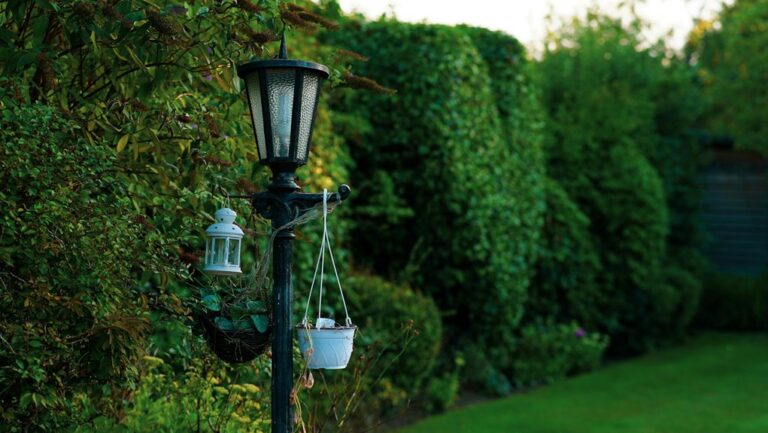
Once the path has clear edges, lighting helps you use that same route with confidence after sunset. You create a welcoming garden when every step feels easy to read. Place solar path lighting at consistent intervals so the route stays visible without harsh brightness. This helps everyone feel included, whether they’re walking, rolling, or guiding a buggy home.
To build comfort, aim fixtures downward and choose warm bulbs that support low glare guidance. You reduce shadows, reveal changes in direction, and make edging easier to follow. Add lights near ramps, turns, and entry points first, then fill darker stretches. Whenever your path curves, stagger lights to trace the shape clearly. With a thoughtful setup, your yard feels calm, safe, and ready to welcome you back outside each evening.
Add Seating Along Longer Paths
A few well-placed seats can turn a long garden path from tiring into truly welcoming.
Whenever you add resting benches at regular intervals, you give everyone in your space a chance to slow down, breathe, and stay part of the moment. That matters on longer walks, especially for guests who need shaded pauses.
- Place seats where views feel calming and conversation starts naturally.
- Choose benches with backs and arms, so sitting down feels safer and easier.
- Tuck seating near planting pockets or trees, where people feel sheltered and included.
- Leave nearby space clear, so a wheelchair, buggy, or helper can pause comfortably too.
As a result, your path feels less like a test and more like an invitation. You create small gathering points where people can rest, reconnect, and enjoy the garden together with ease.
Make an Accessible Path Fit Your Landscape
Because every yard has its own shape, slope, and trouble spots, your path should work with the land instead of fighting it. You’ll create a more welcoming route once you follow natural contours, use gentle curves, and avoid tight corners that feel stressful.
Then match width and surface to how your household moves. Give at least 1.2 meters for daily use, add 60-inch turning spaces, and choose stable materials like resin-bound gravel, large slabs, or boardwalks on damp ground. For slopes, use gentle ramps that stay near a 1:20 grade when possible.
Clear edging improves path visibility and helps everyone stay on course. As you plan garden zoning, connect doors, beds, seating, and play areas so each space feels easy to reach, comfortable to share, and truly part of home.
Frequently Asked Questions
How Much Does an Accessible Garden Path Usually Cost?
Accessible garden paths typically cost $50 to $150 per square metre, with installation costs varying by project. The total price depends on the path width, chosen materials, edging, drainage, ramps, and any site preparation needed to create safe, easy access.
Do I Need Planning Permission for a New Garden Path?
Most new garden paths do not need planning permission. You should check with your local council if the path affects drainage, changes access, or your home is listed or in a conservation area.
Which Plants Work Best Alongside Accessible Garden Paths?
Select compact, non invasive plants that stay within the border so paths remain clear and easy to use. Lavender, heuchera, ornamental grasses, and herbs offer low maintenance structure, texture, and scent, making them strong sensory choices for an accessible and inviting garden.
How Do I Maintain a Garden Path in Winter Weather?
Maintain your garden path in winter by clearing snow and ice promptly, since that also helps prevent slips. Check drainage, remove fallen debris, spread grit or another traction aid, and fix loose edging to keep the path safe and inviting.
Can an Accessible Garden Path Increase Property Value?
Yes, an accessible garden path can raise property value. A path with enough width for mobility aids, a stable level surface, clear edging, and gradual slopes makes the outdoor space easier to use and more appealing to a wider range of buyers.