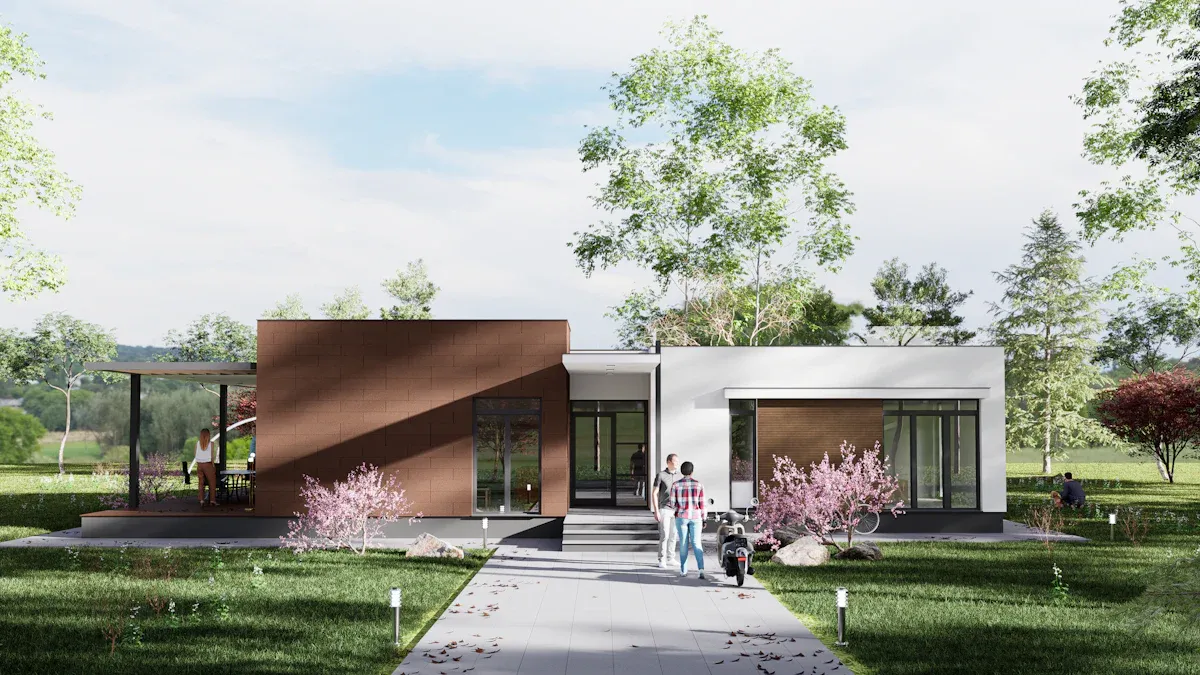
Garden pathways play a crucial role in your outdoor space, enhancing both beauty and functionality. They guide visitors through your garden, creating a welcoming atmosphere. Plus, studies show that homes with well-maintained landscapes can see property value increases of up to 10%. Over 75% of real estate agents believe that attractive landscaping adds 1% to 10% more value to homes. With the right garden pathway ideas, you can transform your yard into a stunning oasis that not only looks great but also boosts your home’s curb appeal.
Key Takeaways
Garden pathways enhance beauty and functionality, guiding visitors and increasing property value by up to 10%.
Choose materials wisely; options like gravel, stone, and wood each offer unique benefits and aesthetics for your garden.
DIY pathways, such as pallet pathways or using recycled materials, can be budget-friendly and eco-friendly, allowing for creativity.
Incorporate design elements like curves and levels to create inviting pathways that enhance the overall appeal of your outdoor space.
Natural elements like wood chips and stone not only beautify pathways but also support soil health and biodiversity.
Materials for Pathways
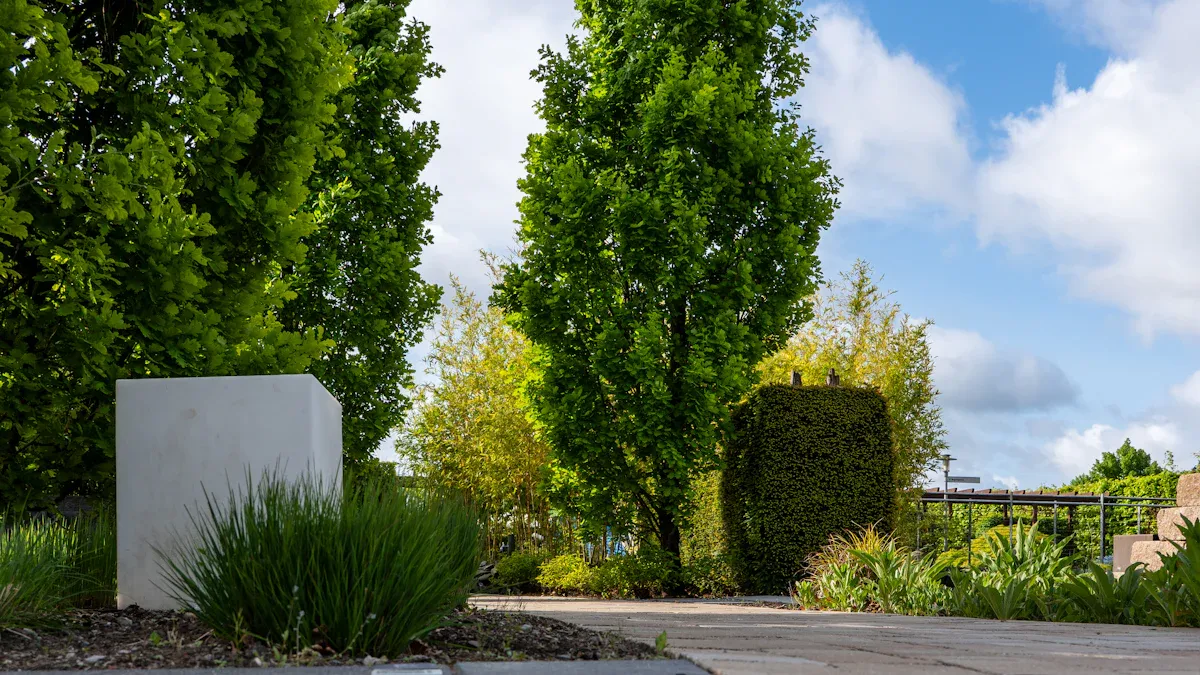
When it comes to choosing materials for your garden pathways, you have plenty of options. Each material brings its own unique charm and functionality to your outdoor space. Let’s explore some stunning stone walkway ideas and the benefits of using gravel and mulch.
Stunning Stone Walkway Ideas
Stone walkways can elevate the look of your garden. They offer durability and a timeless aesthetic. Here are some popular stone options:
Material | Characteristics | Benefits | Suitability for Styles |
|---|---|---|---|
Gravel | Quick to install, minimal maintenance, available in various sizes and colors. | Fantastic drainage, adaptable to landscape styles. | Casual garden paths. |
Decomposed Granite | Natural look, affordable, compacts well for a stable surface. | Excellent drainage, blends with landscapes, available in earthy tones. | Mediterranean, desert, rustic gardens. |
Brick | Classic choice, durable, easy to repair. | Lasts for years, practical for regular use. | Traditional and historical landscapes. |
Natural Stone | Unique textures and colors, organic feel. | Adds individuality, various types available. | Zen gardens, serene outdoor spaces. |
Wood | Rustic appearance, eco-friendly options available. | Can be made from reclaimed wood, fits naturally in landscapes. | Cottage gardens, forest retreats. |
Using materials like flagstone and gravel can create a beautiful contrast in your garden. You can design pathways that lead to focal points, such as a seating area or a water feature.
Gravel and Mulch Options
Gravel and mulch are excellent choices for modern garden pathways. They offer flexibility and can be easily customized to fit your style. Here’s what you should know:
Gravel: This material is not only cost-effective but also provides great drainage. You can choose from various colors and sizes to match your garden’s theme. Plus, gravel pathways are easy to install and require minimal maintenance. However, you might need to refresh the gravel every few years to keep it looking its best.
Mulch: While mulch can create a soft, natural look, it does require more upkeep. You’ll need to refresh it regularly, especially if it gets compacted or starts to decompose. Mulch can also attract mold in damp areas, so consider adding edging or borders to keep it tidy.
Here’s a quick comparison of the maintenance needs for these materials:
Mulch requires more frequent refreshing.
Mulch may be prone to mold or fungus in damp spots.
Edging or borders are needed to keep mulch tidy if the path isn’t naturally bounded.
Incorporating these materials into your garden pathways can enhance both the beauty and functionality of your outdoor space. Whether you opt for stunning stone walkways or garden pathways with gravel and stone, you’ll create an inviting atmosphere that complements your modern home.
DIY Garden Path Ideas
Creating your own garden pathways can be a fun and budget-friendly project. You can use materials that are easy to find and work with. Let’s dive into two popular DIY options: pallet pathways and recycled materials.
Pallet Pathways
Pallet pathways are a fantastic way to add charm to your garden. They’re not only affordable but also eco-friendly. You can often find pallets for free or at a low cost. Here’s how to make one:
Gather Your Materials: Look for sturdy pallets. You’ll also need a high-quality outdoor wood sealer to protect the wood.
Prepare the Area: Clear the ground where you want to place the pathway. Excavate about 4-6 inches to create a solid base.
Lay the Pallets: Place the pallets side by side. To prolong their life, raise them slightly off the ground using gravel or supports.
Seal the Wood: Apply the wood sealer to protect against moisture and pests.
With proper maintenance, your pallet walkway can last up to five years. Just remember to check for stability and reapply the sealer as needed.
Recycled Materials
Using recycled materials for your garden pathways is another great option. You can create unique designs while being kind to the environment. Here are some materials you might consider:
Wood chips
Reclaimed bricks
Gravel
Stepping stones
Pea gravel
These materials can help you create low maintenance garden path ideas that blend beautifully with your landscape. For example, you can use garden stepping stones to form a path through your flower beds.
When designing your pathway, think about safety. Ensure that stones are level and stable, and maintain appropriate spacing for comfortable walking. Adding lighting can also enhance safety during nighttime use.
With these DIY garden path ideas, you can create a beautiful and functional outdoor space that reflects your style!
Garden Pathway Design Ideas
When it comes to designing your garden pathways, creativity can take center stage. You can play with geometric shapes and artistic elements to create stunning visuals. Let’s explore two exciting design ideas: curved and zigzag pathways, and levels with boardwalks.
Curved and Zigzag Designs
Curved and zigzag pathways add a unique flair to your garden. They guide visitors through your outdoor space in a way that feels natural and inviting. Here’s why you might want to consider these designs:
Curved Pathways: These walkways create a flowing design that enhances the charm of your garden. They lead visitors gently through different areas, encouraging a leisurely pace. Curved paths can highlight features like flower beds and seating areas, blending seamlessly with the surrounding greenery. They also follow the land’s contours, making your garden feel more connected to nature.
Zigzag Pathways: These designs introduce strong visual dynamics to your garden. They can serve as focal points when designed thoughtfully, adding playfulness to the overall aesthetic. Zigzag pathways create interest and excitement, making your garden feel more engaging.
You might be surprised to learn that certain geometric shapes are particularly popular in modern garden pathway designs. Here are some favorites:
Circular shapes promote happiness and safety.
Curved paths break up large areas of lawn, adding beauty and interest.
Different sized geometric shapes create visual intrigue and lead guests to a destination.
Rectangles and squares promote stability and calm.
Triangular shapes instill a sense of adventure.
By incorporating these shapes into your garden pathway ideas, you can create a space that feels both inviting and visually appealing.
Levels with Boardwalks
Adding levels with boardwalks can transform your garden pathways into something truly special. Here are some benefits of incorporating boardwalks into your design:
They define pathways through gardens or around water features.
Boardwalks add texture and depth to flat landscapes.
They keep feet dry in damp or shaded areas.
These structures create a natural bridge between lawn and patio zones.
Boardwalks can also serve as a focal point in your garden. They draw attention and create visual interest, enhancing the overall aesthetics of your landscape. A well-designed pathway not only leads visitors through your garden but also creates an inviting journey of discovery.
Think about how you can use curves and lines to guide visitors toward focal points. Stepping stones and winding walkways can connect different sections of your garden, adding charm and functionality. With thoughtful placement, you can align focal points with natural sightlines, capturing attention and enhancing the beauty of your outdoor space.
Incorporating these garden pathway design ideas will help you create a stunning landscape that reflects your personal style.
Natural Elements in Pathways
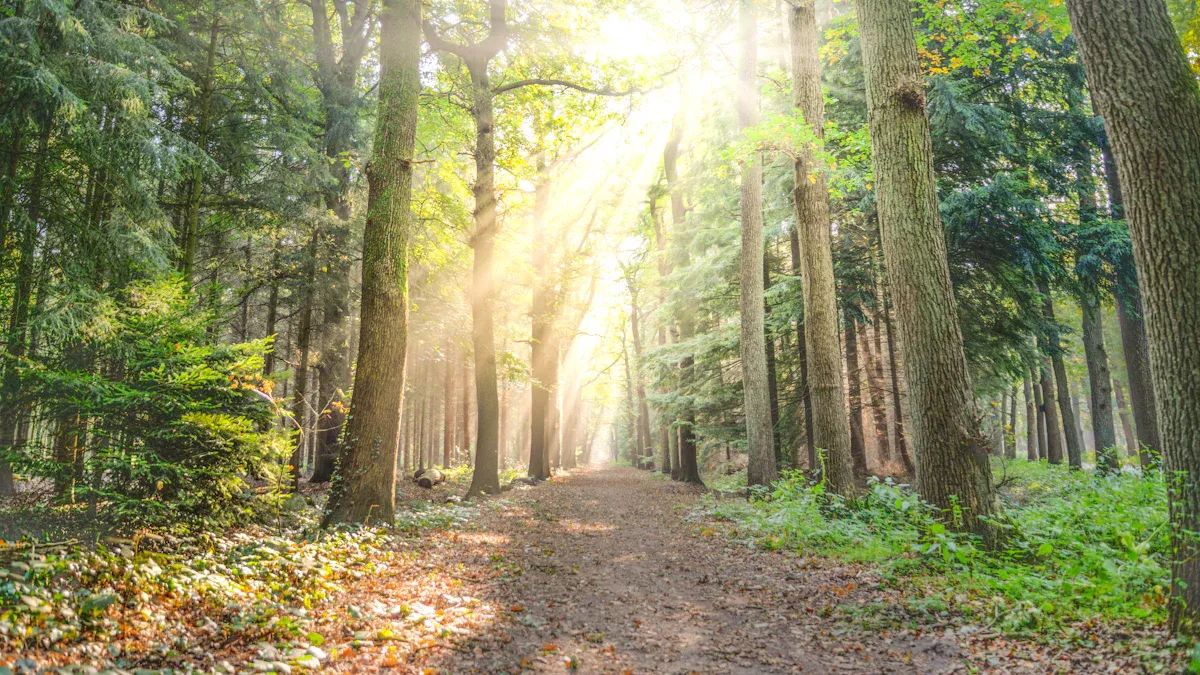
Wood Chips and Grass
Using wood chips and grass in your garden pathways can create a beautiful and functional space. Wood chips not only look great but also offer several benefits for your garden. Here’s why you should consider them:
Moisture Retention: Wood chips help keep the soil moist by reducing evaporation. This means less watering for you!
Soil Health: They improve soil health by fostering microbial life. This helps your plants thrive.
Weed Suppression: A thick layer of wood chips can effectively suppress weeds, reducing competition for nutrients.
Erosion Control: Wood chips provide a stable surface for pathways and prevent soil erosion, especially on slopes.
When you use wood chips, you create a naturalistic walkway that blends seamlessly with the surrounding greenery. The soft texture encourages a leisurely pace, making your garden feel inviting. Plus, they add charm and character to your outdoor space.
Natural Stone Options
Natural stone is another fantastic choice for garden pathways. Unlike manufactured materials, natural stones like flagstone, limestone, and slate offer durability and a timeless look. Here’s what you need to know:
Longevity: Natural stone can withstand harsh weather conditions, making it a long-lasting option for your pathways. In contrast, manufactured stones often need replacing more frequently, which can lead to waste.
Aesthetic Appeal: Each piece of natural stone has unique textures and colors, adding individuality to your garden. They can create stunning contrasts with grass and other plants.
Maintenance: While natural stones require some upkeep to maintain their appearance, they generally need less frequent replacement than manufactured options.
Integrating these natural elements into your garden pathways not only enhances the beauty of your landscape but also supports biodiversity. By reducing the area of turf grass, you lower water usage and decrease reliance on chemical fertilizers. This benefits both plants and animals, creating a balanced ecosystem.
Incorporating wood chips and natural stone into your pathways can transform your garden into a stunning oasis that reflects your style and enhances the environment.
Creating beautiful and functional garden pathways can truly transform your outdoor space. You have a variety of options to choose from, whether you prefer stunning stone walkways, DIY projects, or natural elements. Remember, contemporary gardens focus on simplicity and sustainability. By using clean lines and eco-friendly materials, you can enhance both the beauty and usability of your garden.
Consider these key benefits of investing in stylish pathways:
Improved navigation through your yard.
Enhanced curb appeal that adds character.
Landscape protection from foot traffic.
Increased property value with attractive features.
So, why not explore these garden pathway ideas? Your outdoor space deserves to shine!
FAQ
What materials are best for garden pathways?
You can choose from stone, gravel, wood chips, or mulch. Each material offers unique benefits, like durability or aesthetic appeal. Consider your garden’s style and maintenance needs when selecting the right option.
How do I maintain my garden pathways?
Regularly check for weeds and debris. For gravel paths, refresh the gravel as needed. If you use wood chips or mulch, replace them every year or two to keep your pathways looking fresh.
Can I create a pathway on a budget?
Absolutely! DIY options like pallet pathways or using recycled materials can save you money. Look for free or low-cost materials to create a unique and charming path in your garden.
How wide should my garden pathway be?
Aim for a width of at least 36 inches for comfortable walking. If you expect heavy foot traffic, consider making it wider to accommodate multiple people or garden tools.
What design elements should I consider?
Think about curves, levels, and focal points. Curved paths feel more inviting, while raised boardwalks can add interest. Incorporate plants or lighting to enhance the overall look of your pathway.