Landscaping transforms outdoor spaces into beautiful retreats. You might wonder why many homeowners choose to differentiate between hardscape vs softscape. Understanding these elements can help you create a balanced design. Hardscape materials like stone and concrete provide structure, while softscape elements such as plants and trees add beauty. This combination of hardscape vs softscape creates visual harmony and enhances curb appeal. It also improves the functionality of your outdoor areas, reflecting your personal style while fitting the local environment.
Key Takeaways
Hardscape includes non-plant elements like patios and walkways, providing structure and durability to outdoor spaces.
Softscape consists of living elements such as plants and soil, enhancing beauty and ecological health in your yard.
A balanced design of hardscape and softscape improves aesthetics and functionality, creating inviting outdoor areas.
Aim for a 60/40 ratio of hardscape to softscape to ensure your landscape feels welcoming without being overwhelming.
Investing in hardscape can increase property value, while softscape enhances biodiversity and beauty.
Hardscape Defined
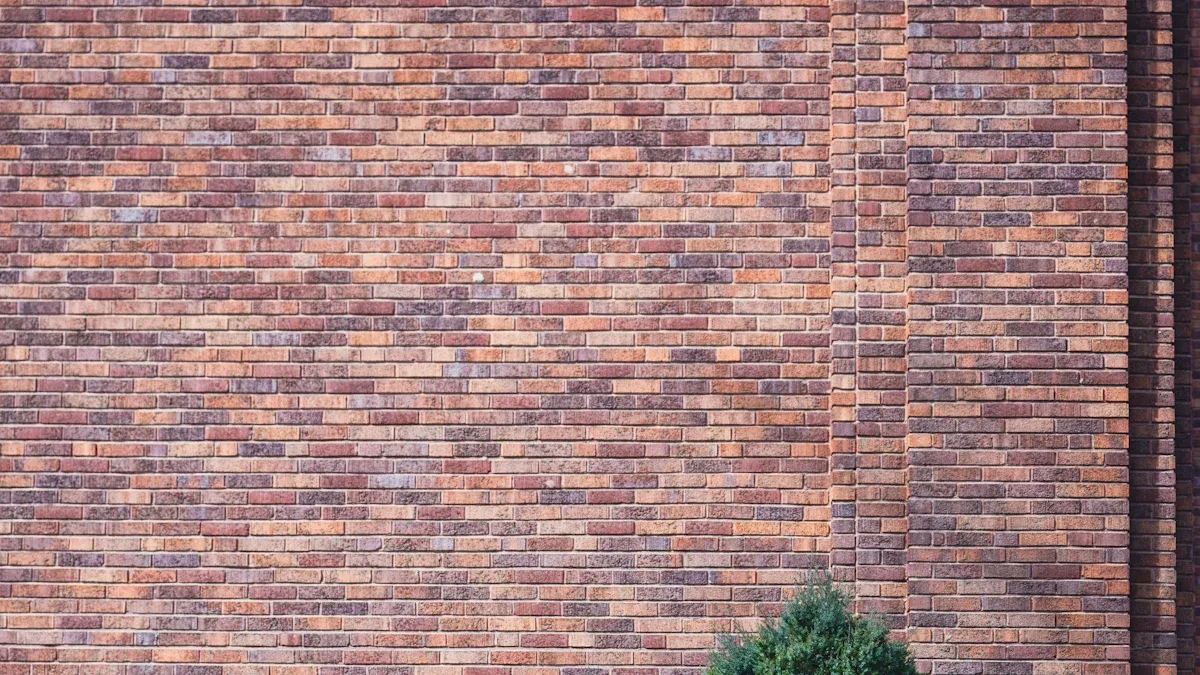
Hardscape refers to the non-plant elements of landscaping. These elements include paved walkways, walls, patios, fences, and other structures that complement the softscape. Hardscape plays a crucial role in landscaping by providing structure and functionality to outdoor spaces.
When you think about hardscape design, consider the materials used. Common materials include:
Concrete pavers
Permeable pavers
Low carbon concrete
Stone veneer
Mixed materials
These materials not only enhance the aesthetic appeal of your outdoor areas but also ensure durability and longevity.
You will find several common hardscape elements in residential landscapes. These include:
Driveways
Stone Patios
Walkways
Retaining Walls
Pools
Spas
Water Features
Each of these elements serves a specific purpose. For example, patios provide versatile spaces for relaxation and entertainment. Walkways improve accessibility and visual appeal, guiding movement through your yard. Retaining walls manage sloped areas and prevent erosion while adding aesthetic value.
Hardscape elements provide a strong foundation that supports various outdoor features. They enhance stability and reduce maintenance needs. Additionally, hardscaping materials like concrete and stone withstand extreme weather, ensuring long-term stability and minimizing the risk of structural failure. By incorporating hardscape into your landscaping, you create a balanced environment that combines beauty and functionality.
Softscape Defined
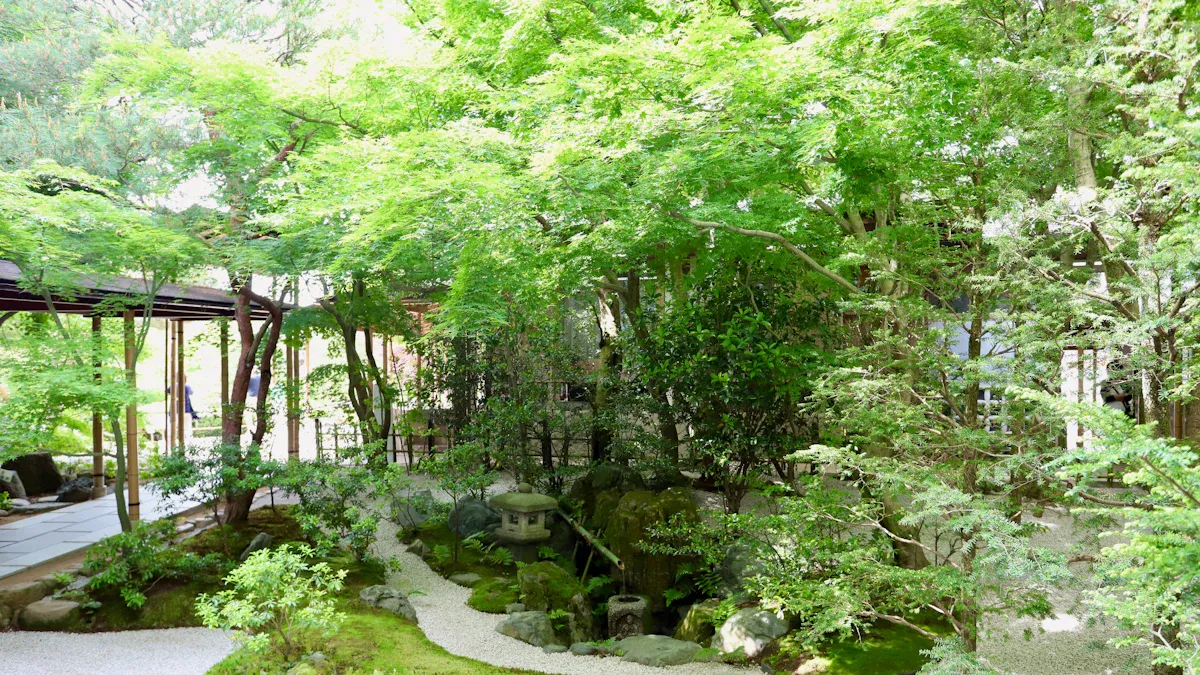
Softscape refers to the living, growing elements of outdoor spaces. These elements include grass, plants, soil, mulch, and flowers. Softscape plays a vital role in landscaping by creating a vibrant and organic character in your yard. It enhances the overall aesthetic and ecological health of your outdoor environment.
When you think about softscape, consider the various living elements involved. These include:
Plants: Trees, shrubs, flowers, and groundcovers that enhance the landscape and improve its health.
Soil: The essential foundation for plant growth, affecting overall success in softscaping.
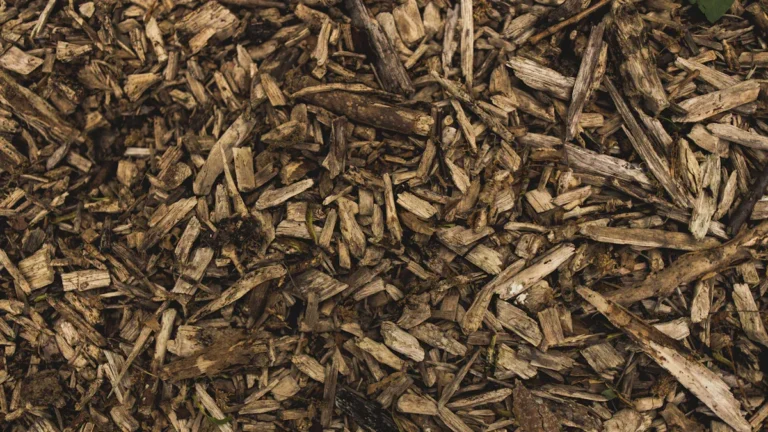
Mulch: Helps retain soil moisture, reduces weeds, and provides a neat appearance.
Grasses: Ornamental grasses that add texture and movement to the landscape.
Softscape elements contribute significantly to the beauty of your outdoor spaces. Beautiful landscaping creates a connection to nature, enhancing your comfort and enjoyment. Thoughtful planning leads to a cohesive outdoor area that feels natural and inviting. Balance in landscaping, whether through symmetry or natural movement, guides the eye and creates a harmonious visual experience.
Common softscape elements include:
Trees: Provide shade and structure.
Shrubs: Add color and texture.
Flowers: Bring seasonal beauty and attract pollinators.
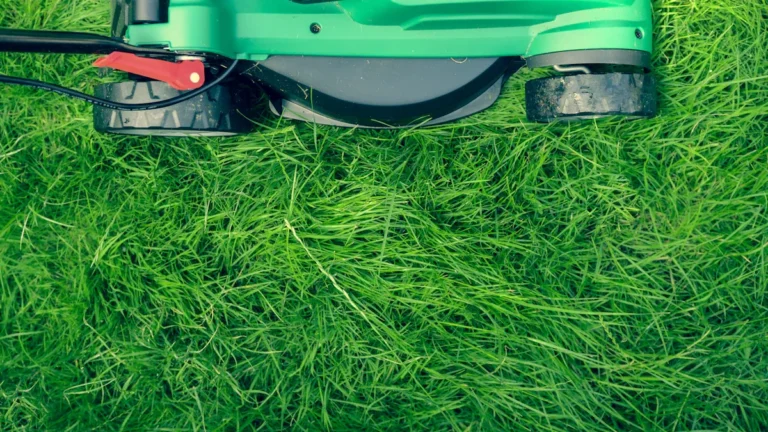
Lawns: Offer a lush, green space for recreation.
Incorporating these elements not only beautifies your yard but also supports local ecosystems. Softscape enhances biodiversity by providing habitats for various species. It improves air quality through natural filtration processes and manages stormwater runoff, reducing flooding and erosion. By choosing native and drought-resistant plants, you can create a sustainable landscape that requires less maintenance.
Benefits of Hardscape vs Softscape
When considering the benefits of hardscape vs softscape, durability and maintenance stand out. Hardscape elements, made from materials like stone and concrete, offer long-lasting durability. They withstand harsh weather and heavy foot traffic. In contrast, softscape elements consist of living plants that change with the seasons. They require more care and can have a limited lifespan.
Here’s a quick comparison of durability and maintenance:
Element Type | Durability | Maintenance Requirements |
|---|---|---|
Hardscape | Made from durable materials like stone, wood, concrete, and metal, designed to withstand harsh weather and foot traffic. | Requires routine cleaning and inspections, but no mowing, watering, or fertilizing. |
Softscape | Living plants that are subject to seasonal changes and lifespan limitations. | Requires ongoing care such as watering, pruning, and fertilizing. |
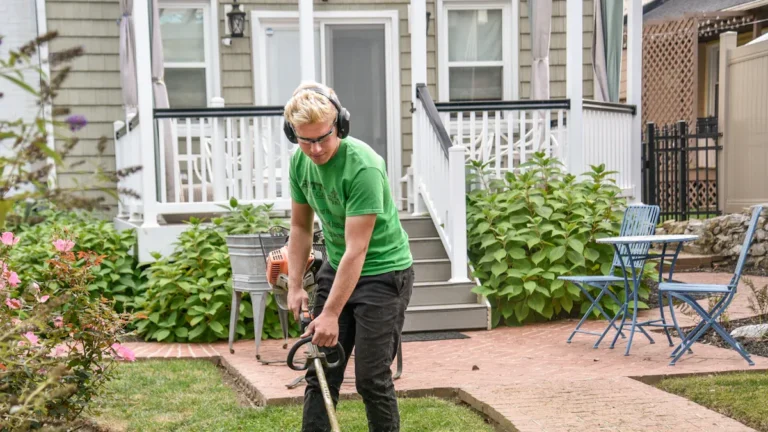
You will find that softscape requires more frequent and varied care. For example, you need to mow the lawn regularly and ensure proper grading to prevent water pooling. You also must choose the right plants for your climate and aerate the soil to promote healthy growth.
In terms of cost, hardscape and softscape investments differ significantly. Softscaping typically costs between $800 and $10,000 per project. On the other hand, hardscaping costs range from $15 to $40+ per square foot. Here’s a breakdown of some common costs:
Element Type | Cost Range |
|---|---|
Softscaping | $800 – $10,000 per project |
Hardscaping | $15 – $40+ per square foot |
Fencing | $2,000 – $4,500 |
Retaining wall | $3,600 – $9,500 |
Pathways & patios | $2,600 – $7,300 |
In-ground pool | $32,400 – $60,875 |
Investing in hardscape can increase your property value. Studies show that hardscaping can raise resale value by 10-15%. Patios can return up to 80% of their cost at resale. In contrast, softscape elements enhance beauty and biodiversity but may not provide the same financial return.
Understanding these benefits helps you make informed decisions about your landscaping choices.
Achieving Balance of Hardscape and Softscape
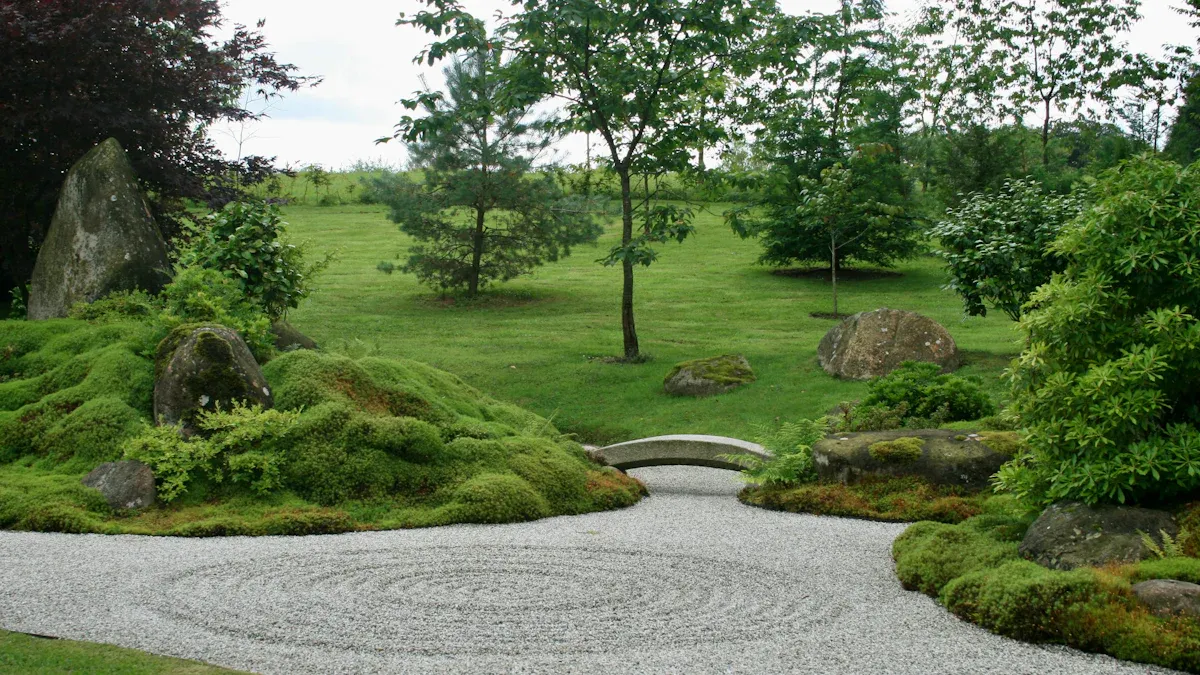
Combining hardscape and softscape elements is essential for creating a sustainable landscape. A well-balanced design enhances both aesthetics and functionality. You can enjoy a beautiful outdoor space that serves your needs by integrating these two components.
Here are some key reasons why achieving this balance is important:
Aesthetic Appeal: The mix of natural plants and structured hardscapes boosts the visual attractiveness of your yard.
Functionality: Hardscape features like pathways and patios create usable areas. Softscape elements provide shade and environmental benefits.
Maintenance: A balanced landscape simplifies upkeep. Hardscapes can lessen lawn care needs, while softscapes help manage water runoff.
To effectively integrate hardscape and softscape, consider these tips:
Aim for a 60/40 ratio of hardscape to softscape. This balance ensures that your outdoor space feels inviting without being overwhelming.
Use natural materials for hardscape features. For example, combine stone pavers with vibrant plants to create a harmonious look.
Layer softscape elements by height. This technique softens hardscape lines and adds visual interest.
Incorporate curved hardscape lines. These mimic natural forms and enhance the integration of both elements.
Plan pathways and seating areas to direct attention to focal points like garden beds or water features. This approach encourages exploration and connection with nature.
Avoid common mistakes when combining hardscape and softscape. Overemphasizing one element can lead to a sterile environment or cluttered space. Always consider your local climate when selecting plants and materials. Proper drainage solutions are crucial to prevent water buildup that can damage both hardscape and softscape elements.
By following these guidelines, you can create a balanced outdoor space that reflects your style and enhances your enjoyment of nature.
In summary, understanding the differences between hardscape and softscape is crucial for creating a balanced landscape. Each element offers unique benefits. Hardscape provides durability and functionality, while softscape enhances beauty and biodiversity.
Aspect | Hardscape Benefits | Softscape Benefits |
|---|---|---|
Durability | Long-lasting with minimal maintenance | Shorter lifespan, requires ongoing care |
Functionality | Enhances usability with features like patios and walls | Adds natural beauty and biodiversity |
By thoughtfully combining these elements, you can create an outdoor space that reflects your style and meets your needs. Explore resources to deepen your understanding and enhance your landscaping projects! 🌿🏡
FAQ
What is the main difference between hardscape and softscape?
Hardscape includes non-living elements like patios and walkways. Softscape consists of living plants and soil. Together, they create a balanced landscape.
How do I choose materials for hardscaping?
Select durable materials that match your style and climate. Consider options like stone, concrete, or brick for longevity and aesthetic appeal.
Can I have too much hardscape in my yard?
Yes, excessive hardscape can make your yard feel sterile. Aim for a balance with softscape elements to enhance beauty and biodiversity.
How often should I maintain my softscape?
You should regularly water, prune, and fertilize your plants. Seasonal changes may require different care routines to keep your softscape healthy.
Is hardscaping more expensive than softscaping?
Generally, hardscaping costs more due to materials and installation. However, it offers long-term durability and can increase property value.